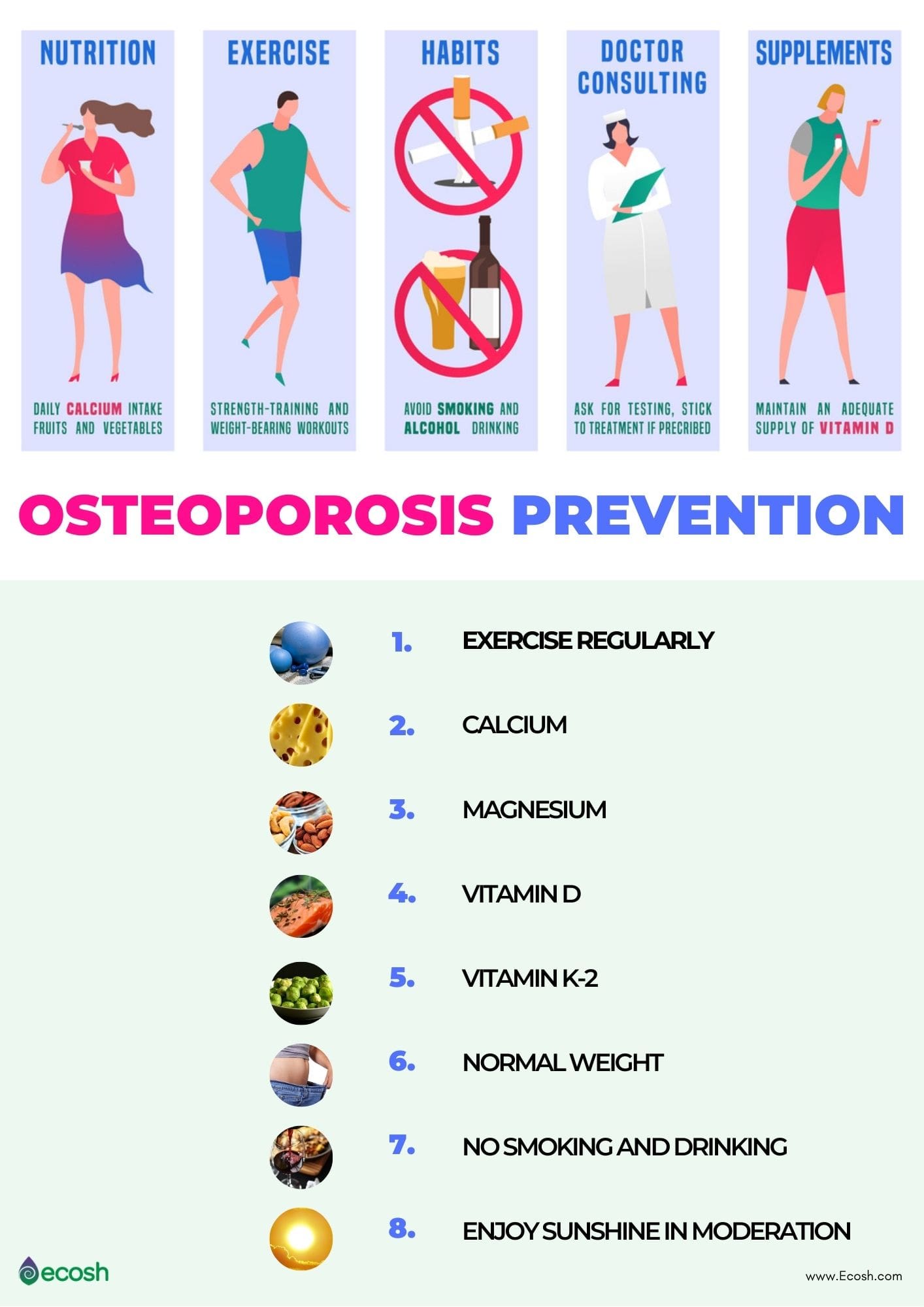
Welcome to a brief guide on how to reduce the risk of osteoporosis in men. Osteoporosis is often seen as a condition that only affects women, but it can also impact men, resulting in weakened bones and increased risk of fractures. By incorporating a few simple lifestyle changes, such as increasing calcium intake, participating in weight-bearing exercises, and quitting smoking, men can take proactive steps to lower their chances of developing osteoporosis. By prioritizing bone health, you can maintain your strength and mobility well into the future. Have you ever wondered what steps you can take to reduce the risk of osteoporosis in men? Osteoporosis is often thought of as a women’s health issue, but it can also affect men. In fact, one in four men over the age of 50 will experience a fracture related to osteoporosis. The good news is that there are steps you can take to reduce your risk of developing this condition. Read on to learn how you can protect your bone health and reduce your risk of osteoporosis.
Understanding Osteoporosis in Men
Osteoporosis is a condition that causes bones to become weak and brittle, increasing the risk of fractures. While osteoporosis is more commonly associated with women, it can also affect men. Men typically have a higher peak bone mass than women, but they also tend to experience a more rapid loss of bone density as they age. This can lead to an increased risk of osteoporosis and fractures in men.
Why Men Should Be Concerned
Men are often not as aware of the risk of osteoporosis as women are, but the consequences can be severe. Fractures related to osteoporosis can lead to pain, disability, and even a decreased lifespan. Men who experience a hip fracture due to osteoporosis are more likely to die within a year than women who experience the same. It’s important for men to take steps to protect their bone health and reduce their risk of osteoporosis.
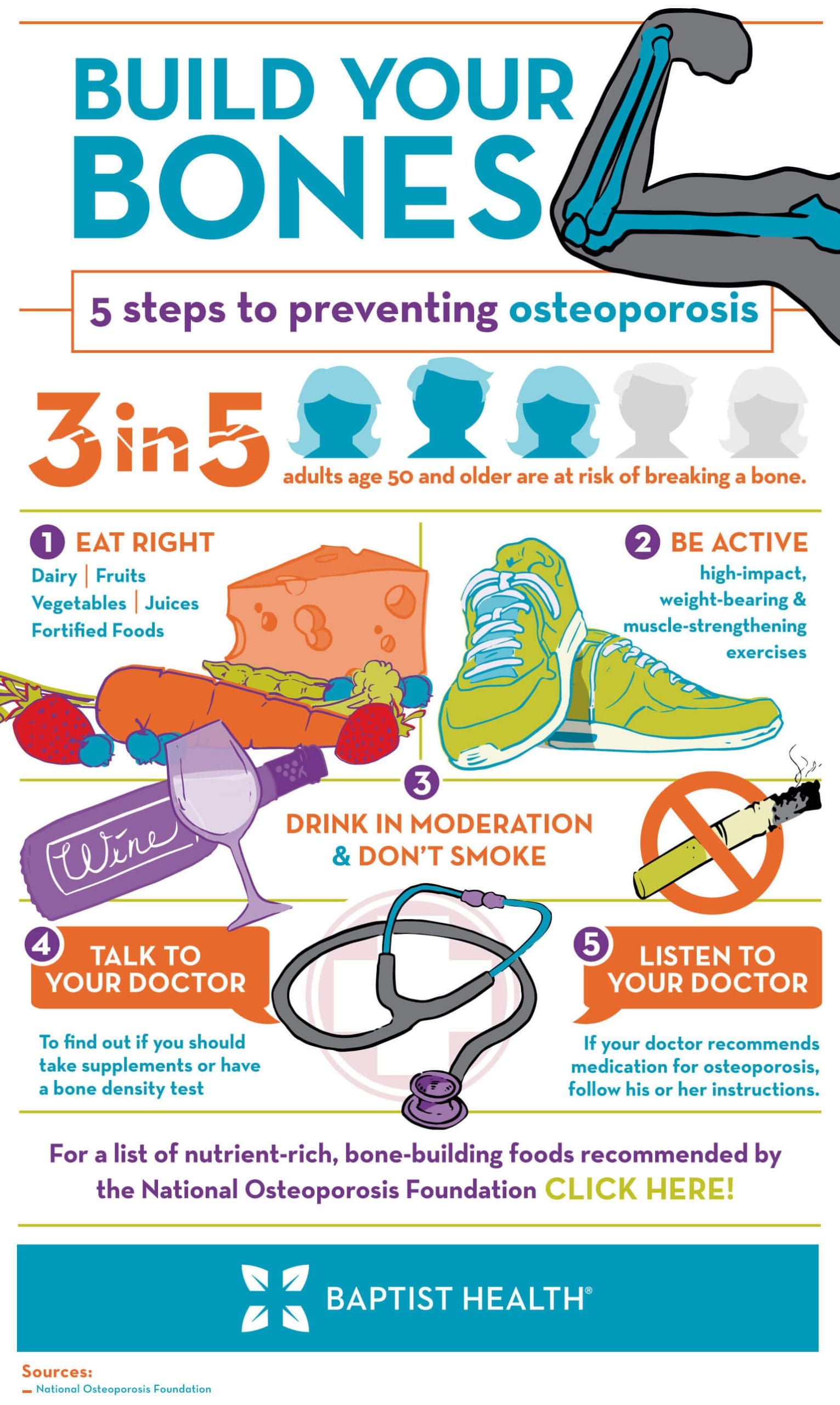
Factors That Increase the Risk of Osteoporosis in Men
Several factors can increase a man’s risk of developing osteoporosis. Understanding these risk factors can help you take steps to reduce your risk and protect your bone health.
Age
As men age, their bone density naturally decreases, putting them at a higher risk of osteoporosis. Men over the age of 50 are at the greatest risk of developing the condition.
Low Testosterone Levels
Testosterone plays a crucial role in maintaining bone density in men. Low levels of testosterone can lead to a loss of bone mass and an increased risk of osteoporosis.
Family History
A family history of osteoporosis or fractures can increase a man’s risk of developing the condition. If you have a family history of osteoporosis, it’s important to take steps to protect your bone health.
Sedentary Lifestyle
A lack of physical activity can lead to weak bones and an increased risk of osteoporosis. Weight-bearing exercises, such as walking or strength training, are important for maintaining bone health.
Smoking and Excessive Alcohol Consumption
Smoking and excessive alcohol consumption can both increase the risk of osteoporosis in men. These habits can weaken bones and contribute to a loss of bone density.
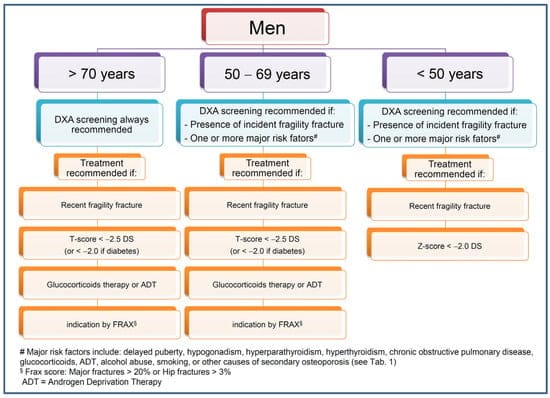
Steps to Reduce the Risk of Osteoporosis in Men
There are several steps men can take to reduce their risk of developing osteoporosis and protect their bone health. By incorporating these strategies into your lifestyle, you can help maintain strong and healthy bones as you age.
Maintain a Balanced Diet
A diet rich in calcium and vitamin D is essential for maintaining strong bones. Calcium is a key building block of bone tissue, while vitamin D helps the body absorb calcium. Good sources of calcium include dairy products, leafy greens, and fortified foods. Vitamin D can be obtained through sunlight, fatty fish, and fortified foods.
Get Regular Exercise
Regular exercise, particularly weight-bearing and muscle-strengthening activities, can help maintain bone density and reduce the risk of osteoporosis. Aim for at least 150 minutes of moderate-intensity aerobic activity, such as brisk walking or jogging, each week. In addition, incorporate strength-training exercises, such as lifting weights or using resistance bands, at least twice a week.
Quit Smoking
Smoking can weaken bones and increase the risk of osteoporosis. If you smoke, making an effort to quit can help protect your bone health and reduce your risk of fractures. Talk to your healthcare provider about resources and support to help you quit smoking.
Limit Alcohol Consumption
Excessive alcohol consumption can also weaken bones and increase the risk of fractures. If you drink alcohol, do so in moderation. Men should limit their alcohol intake to no more than two drinks per day.
Maintain a Healthy Weight
Being underweight can increase the risk of osteoporosis, as insufficient body weight can lead to weaker bones. On the other hand, being overweight can also contribute to bone loss. Aim to maintain a healthy weight through a balanced diet and regular exercise.
Get Regular Bone Density Screenings
Regular bone density screenings can help detect early signs of osteoporosis and monitor your bone health over time. Men over the age of 50, or those with risk factors for osteoporosis, should talk to their healthcare provider about scheduling a bone density test.
Conclusion
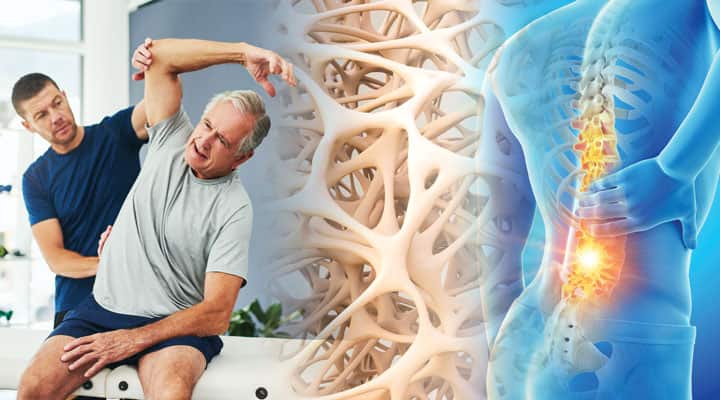
Osteoporosis is a condition that can affect men as well as women, but it is often overlooked in men’s health discussions. By taking steps to protect your bone health and reduce your risk of osteoporosis, you can maintain strong and healthy bones as you age. Remember to eat a balanced diet, get regular exercise, quit smoking, limit alcohol consumption, maintain a healthy weight, and get regular bone density screenings. By making bone health a priority, you can reduce your risk of fractures and enjoy an active and healthy lifestyle for years to come.