
Are you looking to kickstart a healthier lifestyle but don’t know where to begin? Starting a fitness routine can seem overwhelming, but with the right guidance, it can be a fun and rewarding journey. In this article, you will learn some simple tips on how to ease into a fitness routine that works best for you. From setting realistic goals to finding activities you enjoy, taking the first steps towards a healthier you has never been easier. So lace up your sneakers and get ready to embark on a new fitness adventure!
How To Start A Fitness Routine
So, you’ve decided to start a fitness routine but have no idea where to begin. The good news is that you’re already on the right track by seeking out information on how to get started. In this article, we will guide you through the process of starting a fitness routine that is sustainable and tailored to your specific needs and goals.
Why Start a Fitness Routine?
Before we dive into the nitty-gritty of how to start a fitness routine, let’s first discuss why it’s important to do so. Regular physical activity has numerous benefits for both your physical and mental health. From improving your cardiovascular health to boosting your mood, the positive effects of exercise are endless. By starting a fitness routine, you are not only investing in your current well-being but also in your future health.
Assess Your Current Fitness Level
The first step in starting a fitness routine is to assess your current fitness level. This will help you determine where you are starting from and set realistic goals for your progress. There are a few ways you can assess your fitness level:
Cardiovascular Fitness
To assess your cardiovascular fitness, consider performing a simple test like a 1-mile walk or jog. Note how long it takes you to complete the distance and how you feel during and after the exercise.
Strength and Endurance
For strength and endurance, test yourself with exercises like push-ups, planks, or squats. Note how many repetitions you can do and at what level of difficulty.
Flexibility
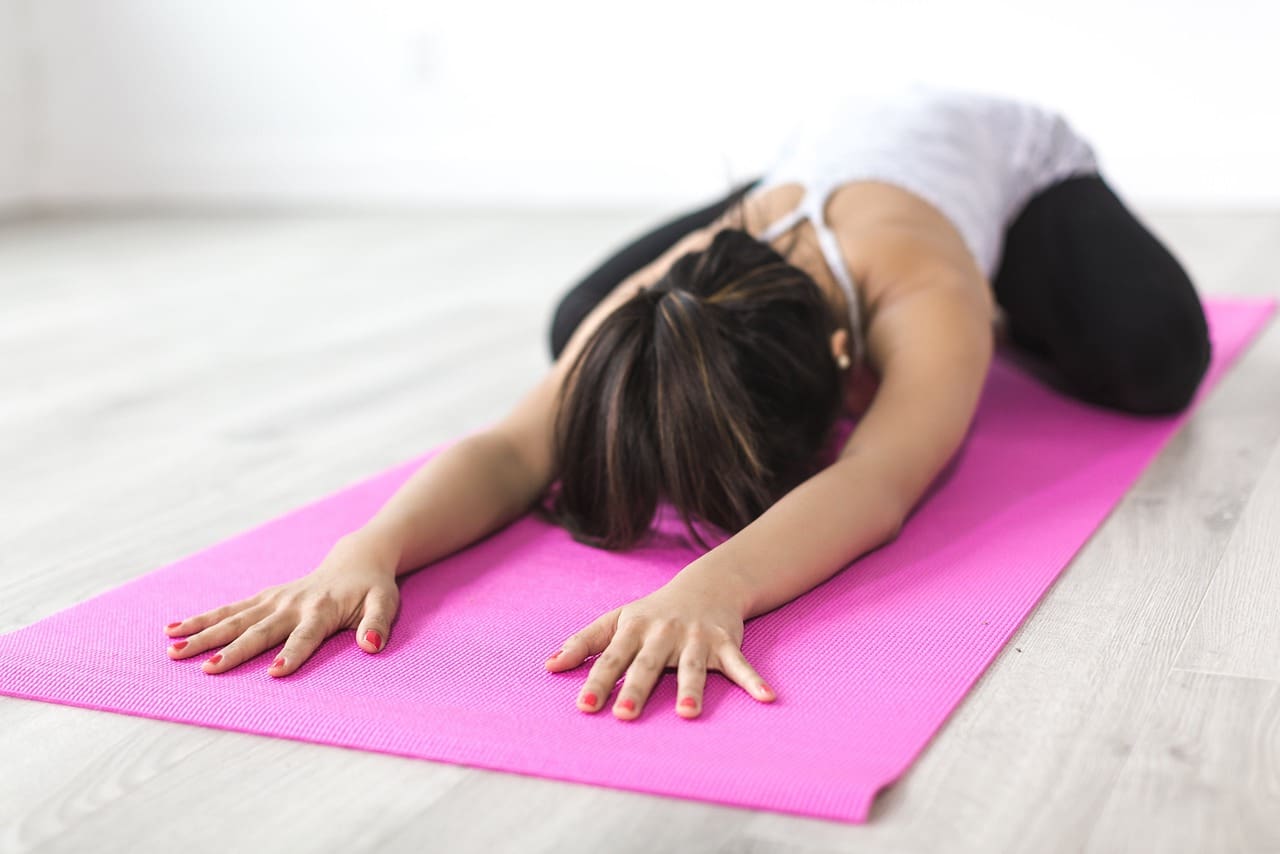
Flexibility is another important component of fitness. Try touching your toes or performing a yoga pose to assess your flexibility.
Set Realistic Goals
Now that you have a good understanding of your current fitness level, it’s time to set some realistic goals for yourself. Your goals should be specific, measurable, attainable, relevant, and time-bound (SMART goals).
Example of a SMART Goal
Instead of setting a vague goal like “lose weight,” try something more specific like “lose 10 pounds in 3 months by exercising 4 times a week and following a healthy diet.”
By setting goals that are realistic and achievable, you are more likely to stay committed to your fitness routine and see progress over time.
Choose Activities You Enjoy
One of the most important factors in sticking to a fitness routine is choosing activities that you enjoy. Whether you prefer running, swimming, dancing, or lifting weights, it’s essential to find activities that bring you joy and keep you motivated.
Create a Balanced Routine
While it’s important to choose activities you enjoy, it’s also crucial to create a balanced fitness routine that includes a mix of cardiovascular, strength, and flexibility exercises. This will help you improve all aspects of your fitness and prevent boredom or burnout.
Incorporate Variety
To keep things interesting, consider incorporating a variety of activities into your fitness routine. This could include trying out different classes at the gym, exploring outdoor activities like hiking or biking, or even dancing around your living room to your favorite music.

Start Slow and Gradually Increase Intensity
When starting a fitness routine, it’s important to start slow and gradually increase the intensity of your workouts. This will help prevent injury and ensure that your body has time to adapt to the new demands you are placing on it.
Beginner Workouts
If you are new to exercise, consider starting with low-impact activities like walking, swimming, or cycling. Aim for 30 minutes of moderate-intensity exercise most days of the week.
Progressing Over Time
As you become more comfortable with your fitness routine, gradually increase the intensity and duration of your workouts. This could involve adding more weight to your strength training exercises, running longer distances, or trying more challenging yoga poses.
Listen to Your Body
Listening to your body is essential when starting a fitness routine. Pay attention to how you feel during and after exercise, and adjust your routine accordingly. If you experience pain, dizziness, or extreme fatigue, it’s important to take a break and consult with a healthcare provider if necessary.
Rest and Recovery
Rest and recovery are just as important as exercise itself. Make sure to incorporate rest days into your fitness routine to allow your body to recover and repair itself. This will help prevent burnout and reduce your risk of injury.
Hydration and Nutrition
In addition to exercise, hydration and nutrition play a vital role in your overall fitness. Make sure to drink plenty of water throughout the day and fuel your body with nutrient-dense foods to support your workouts and recovery.

Track Your Progress
Tracking your progress is a great way to stay motivated and see how far you’ve come since starting your fitness routine. Consider keeping a workout journal or using a fitness app to log your workouts, track your progress, and celebrate your successes.
Measurements and Milestones
Take measurements of your body, such as weight, body fat percentage, or measurements of specific body parts, to track changes over time. Celebrate milestones like running your first 5k, lifting a certain weight, or mastering a new yoga pose.
Stay Consistent
Consistency is key when it comes to starting and maintaining a fitness routine. Set a schedule for your workouts and stick to it as best as you can, even on days when you don’t feel motivated. Remember that progress takes time, and staying consistent with your routine will help you reach your goals.
Find an Accountability Partner
If you struggle with staying consistent, consider finding an accountability partner to help keep you motivated and on track. This could be a friend, family member, or even a personal trainer who can support you in reaching your fitness goals.
Seek Professional Guidance
If you’re unsure of how to start a fitness routine or if you have specific health concerns or limitations, consider seeking professional guidance from a personal trainer, fitness coach, or healthcare provider. These experts can help you create a tailored fitness plan that meets your individual needs and goals.
Personal Training Sessions
Personal training sessions can be a great way to get started on the right foot with your fitness routine. A personal trainer can assess your current fitness level, create a personalized workout plan, and provide guidance and support as you work towards your goals.
Consultation with a Healthcare Provider
If you have specific health concerns or conditions, it’s essential to consult with a healthcare provider before starting a new fitness routine. They can provide guidance on safe and effective exercise and may recommend modifications to ensure your safety.
Summary
Starting a fitness routine can seem overwhelming at first, but with the right approach and mindset, it can be a rewarding journey towards better health and well-being. Assess your current fitness level, set realistic goals, choose activities you enjoy, start slow, listen to your body, track your progress, stay consistent, and seek professional guidance when needed. Remember that everyone’s fitness journey is unique, so find what works best for you and enjoy the process of becoming a healthier and happier version of yourself.