
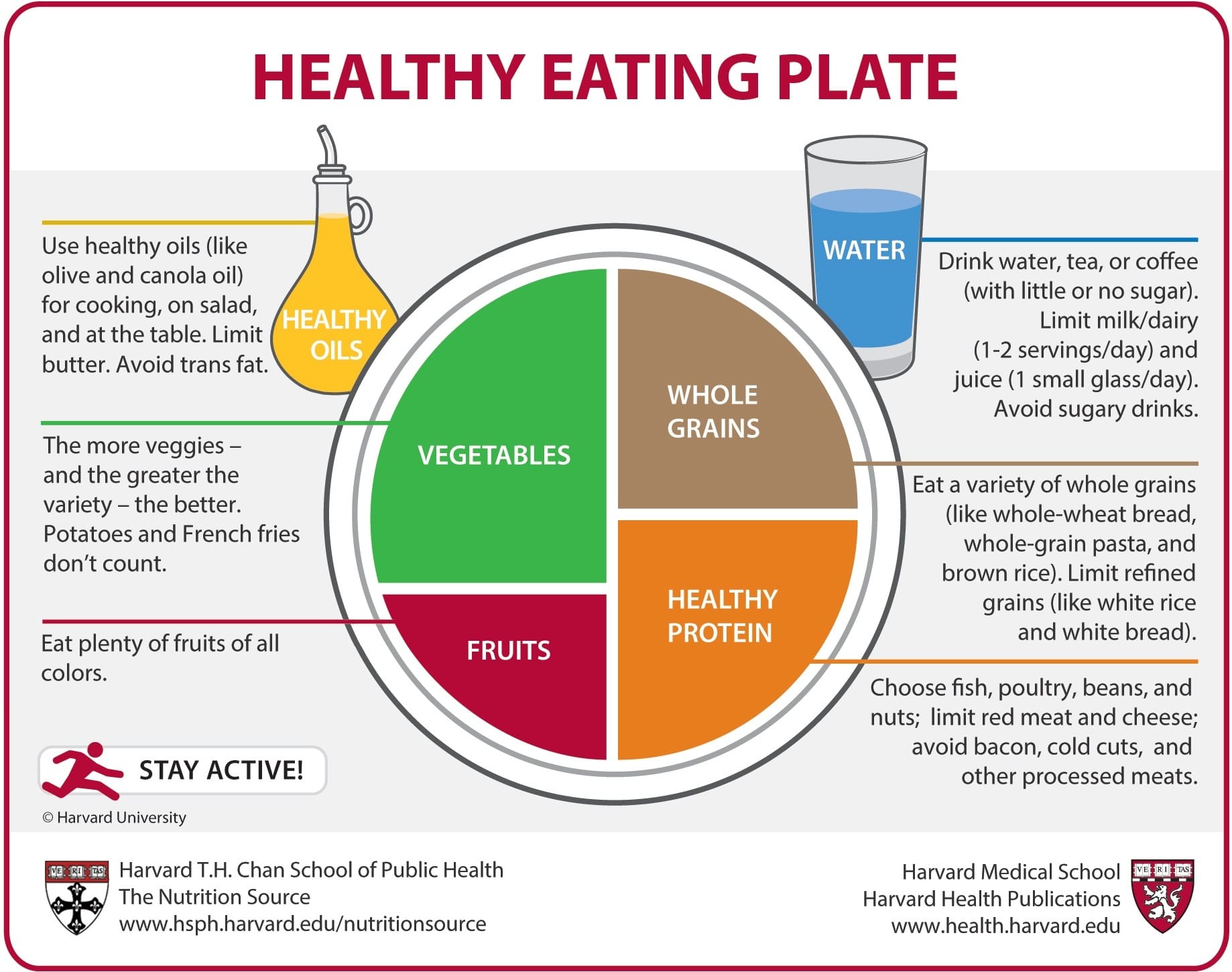
Welcome to the journey of starting a healthy diet! In this article, you will explore simple and effective tips on how to kickstart your journey towards a healthier lifestyle. By making gradual changes to your eating habits and incorporating nutritious foods into your daily meals, you will soon be on your way to feeling more energized, vibrant, and overall healthier. Get ready to make positive changes for your well-being starting today! Have you been thinking about starting a healthy diet but don’t know where to begin? You’re in the right place! In this article, we’ll provide you with practical tips and guidelines on how to start a healthy diet that will help you improve your overall well-being. From understanding the basics of nutrition to creating balanced meals, we’ve got you covered. Let’s get started!
Understanding the Basics of Nutrition
When it comes to starting a healthy diet, it’s essential to understand the basics of nutrition. It’s not just about counting calories or avoiding certain foods – it’s about nourishing your body with the right nutrients to support optimal health. Here are some key points to keep in mind:
Macronutrients
Macronutrients are the three main components of food: carbohydrates, proteins, and fats. Each macronutrient plays a vital role in your overall health and well-being. Carbohydrates provide energy, proteins are the building blocks of your body, and fats support cell function and hormone production. Aim to include a balance of all three macronutrients in your meals to ensure you’re getting the nutrients your body needs.
Micronutrients
In addition to macronutrients, micronutrients are essential for your health. Micronutrients include vitamins and minerals that support various bodily functions, such as immune health, bone strength, and energy production. Eating a variety of fruits, vegetables, whole grains, and lean proteins will ensure you’re getting a good mix of vitamins and minerals in your diet.
Assessing Your Current Eating Habits
Before making any changes to your diet, it’s important to assess your current eating habits. Take a look at what you’re eating on a daily basis and identify areas where you could make improvements. Are you eating enough fruits and vegetables? Are you consuming too many processed foods high in sugar and unhealthy fats? By evaluating your current eating habits, you’ll be able to pinpoint areas for improvement and make more informed choices moving forward.

Setting Realistic Goals
When starting a healthy diet, it’s essential to set realistic goals that are achievable and sustainable. Instead of aiming for quick fixes or drastic changes, focus on making small, gradual adjustments to your diet over time. Whether it’s adding more vegetables to your meals, drinking more water, or reducing your intake of sugary beverages, setting realistic goals will help you stay on track and make lasting changes to your eating habits.
Creating Balanced Meals
One of the keys to a healthy diet is creating balanced meals that provide your body with the nutrients it needs to function optimally. A balanced meal typically includes a mix of carbohydrates, proteins, fats, and fiber. Here’s a simple guide to help you create balanced meals:
| Food Group | Examples |
|---|---|
| Carbohydrates | Whole grains, fruits, vegetables |
| Proteins | Lean meats, poultry, fish, tofu |
| Fats | Nuts, seeds, avocado, olive oil |
| Fiber | Beans, lentils, whole grains |
By including a variety of foods from each food group in your meals, you’ll ensure you’re getting a good mix of nutrients to support your overall health.

The Importance of Portion Control
In addition to creating balanced meals, portion control is key to maintaining a healthy diet. Eating the right portion sizes can help prevent overeating and promote weight management. Here are some tips for practicing portion control:
- Use smaller plates and bowls to help control portion sizes.
- Pay attention to serving sizes listed on food labels.
- Listen to your body’s hunger and fullness cues to avoid overeating.
- Avoid eating in front of the TV or computer, as this can lead to mindless eating.
By practicing portion control, you can enjoy your favorite foods in moderation while still maintaining a healthy diet.
Incorporating More Fruits and Vegetables
Fruits and vegetables are a crucial part of a healthy diet, as they provide essential vitamins, minerals, and fiber that support overall health. Aim to fill half your plate with fruits and vegetables at each meal to ensure you’re getting an adequate intake of these nutrient-dense foods. Here are some tips for incorporating more fruits and vegetables into your diet:
- Add fruits to your breakfast, such as berries in your oatmeal or a banana with your yogurt.
- Include a variety of vegetables in your meals, such as adding spinach to your omelet or roasting a mix of vegetables for dinner.
- Snack on fresh fruits and vegetables throughout the day, such as apple slices with peanut butter or carrot sticks with hummus.
By incorporating more fruits and vegetables into your diet, you’ll boost your intake of essential nutrients and support your overall health.

Drinking Plenty of Water
Staying hydrated is essential for overall health and well-being. Water plays a crucial role in digestion, nutrient absorption, and temperature regulation. Aim to drink at least 8-10 glasses of water per day to stay adequately hydrated. Here are some tips for drinking more water:
- Carry a reusable water bottle with you throughout the day to help you stay hydrated.
- Drink a glass of water before each meal to help control portion sizes and prevent overeating.
- Flavor your water with fresh fruits or herbs, such as adding lemon slices or mint leaves for a refreshing twist.
By drinking plenty of water throughout the day, you’ll support your overall health and well-being.
Limiting Processed Foods and Added Sugars
Processed foods and added sugars are common culprits in the standard Western diet and can contribute to various health issues, such as obesity, heart disease, and diabetes. Limiting your intake of processed foods and added sugars can help improve your overall health and reduce your risk of chronic diseases. Here are some tips for avoiding processed foods and added sugars:
- Read food labels and avoid products with added sugars, artificial sweeteners, and preservatives.
- Choose whole, unprocessed foods whenever possible, such as fruits, vegetables, whole grains, and lean proteins.
- Cook more meals at home using fresh ingredients to have better control over what you’re eating.
By limiting your intake of processed foods and added sugars, you’ll support your overall health and well-being.
Being Mindful of Emotional Eating
Emotional eating is a common issue that can sabotage your efforts to maintain a healthy diet. Stress, boredom, and other emotions can trigger overeating and unhealthy food choices. Being mindful of your emotions and finding alternative coping strategies can help you avoid emotional eating. Here are some tips for being mindful of emotional eating:
- Identify your triggers for emotional eating, such as stress, boredom, or loneliness.
- Find alternative ways to cope with emotions, such as going for a walk, practicing deep breathing, or talking to a friend.
- Practice mindfulness techniques, such as mindful eating, to help you stay present and aware of your food choices.
By being mindful of emotional eating and finding healthy ways to cope with your emotions, you’ll be better able to maintain a healthy diet and overall well-being.
Seeking Support and Accountability
Starting a healthy diet can be challenging, especially if you’re making significant changes to your eating habits. Seeking support and accountability can help you stay on track and make lasting changes to your diet. Here are some ways to seek support and accountability:
- Enlist the help of a friend, family member, or coworker to join you on your healthy eating journey.
- Consider working with a dietitian or nutritionist to create a personalized meal plan and receive guidance on making healthy food choices.
- Join a support group or online community focused on healthy eating to connect with like-minded individuals and share your experiences.
By seeking support and accountability, you’ll have a better chance of successfully starting a healthy diet and achieving your wellness goals.
Conclusion
Starting a healthy diet doesn’t have to be overwhelming or complicated. By understanding the basics of nutrition, assessing your current eating habits, and setting realistic goals, you can make gradual changes to your diet that will support your overall health and well-being. From creating balanced meals to practicing portion control and incorporating more fruits and vegetables, there are many simple strategies you can use to improve your diet and feel your best. Remember that starting a healthy diet is a journey, and it’s okay to make mistakes along the way. By staying committed and making small, sustainable changes, you’ll be well on your way to a healthier lifestyle. Good luck!