Welcome to a guide on how to stay active and engaged in later life! As you navigate the journey of aging, it’s important to prioritize your physical and mental well-being. By incorporating exercise, social activities, and hobbies into your routine, you can maintain a vibrant and fulfilling lifestyle. Embracing new opportunities and staying connected with others will help you stay energized and enthusiastic about life. Let’s explore some tips and tricks to help you stay active and engaged in your golden years. Hey there, have you ever wondered how to stay active and engaged as you get older? It’s important to maintain a healthy and fulfilling lifestyle, no matter your age. In this article, we’ll explore some tips and tricks to help you stay active and engaged in later life. Let’s get started!
Importance of Staying Active and Engaged
Staying active and engaged in later life is crucial for your physical, mental, and emotional well-being. Regular physical activity can help you maintain a healthy weight, increase your strength and flexibility, and reduce your risk of chronic diseases such as heart disease and diabetes. Engaging in social activities and hobbies can improve your mood, reduce feelings of loneliness, and keep your mind sharp. By staying active and engaged, you can enjoy a higher quality of life as you age.
The Benefits of Physical Activity
Regular physical activity is essential for your overall health and well-being, especially as you get older. It can help you maintain a healthy weight, prevent or manage chronic conditions, and improve your balance and flexibility. Some of the key benefits of physical activity in later life include:
- Improved cardiovascular health: Regular exercise can strengthen your heart and lungs, reducing your risk of heart disease and stroke.
- Enhanced muscle strength and endurance: Strength training exercises can help you maintain muscle mass and prevent age-related muscle loss.
- Better balance and coordination: Activities like yoga and tai chi can improve your balance and reduce your risk of falls.
- Increased flexibility and range of motion: Stretching exercises can help you stay limber and maintain your independence.
- Mood enhancement: Exercise releases endorphins, which can improve your mood and reduce feelings of anxiety and depression.
The Importance of Mental Engagement
In addition to physical activity, mental engagement is also vital for your overall well-being as you age. Engaging in activities that challenge your mind can help you stay sharp, improve your memory, and prevent cognitive decline. Some ways to stay mentally engaged in later life include:
- Reading: Reading books, newspapers, or magazines can stimulate your mind and expand your knowledge.
- Puzzles and games: Solving puzzles, playing brain games, or doing crosswords can keep your mind active and alert.
- Learning new skills: Taking up a new hobby or learning a new skill can challenge your brain and keep you intellectually stimulated.
- Socializing: Interacting with friends, family, and community members can keep your mind engaged and ward off feelings of isolation.

Tips for Staying Active and Engaged
Now that you understand the importance of staying active and engaged in later life, let’s explore some practical tips to help you incorporate these habits into your daily routine.
Set Realistic Goals
When it comes to staying active and engaged, it’s essential to set realistic goals that are achievable and sustainable. Start small and gradually increase your activity level as you build stamina and strength. Whether you aim to walk for 30 minutes a day, learn a new language, or join a social club, setting realistic goals can help you stay motivated and on track.
Find Activities You Enjoy
One of the keys to staying active and engaged in later life is finding activities that you genuinely enjoy. Whether it’s walking, swimming, painting, gardening, or volunteering, engaging in activities that bring you joy can make it easier to stay motivated and committed. Experiment with different activities until you find ones that resonate with you and make you feel fulfilled.
Stay Socially Connected
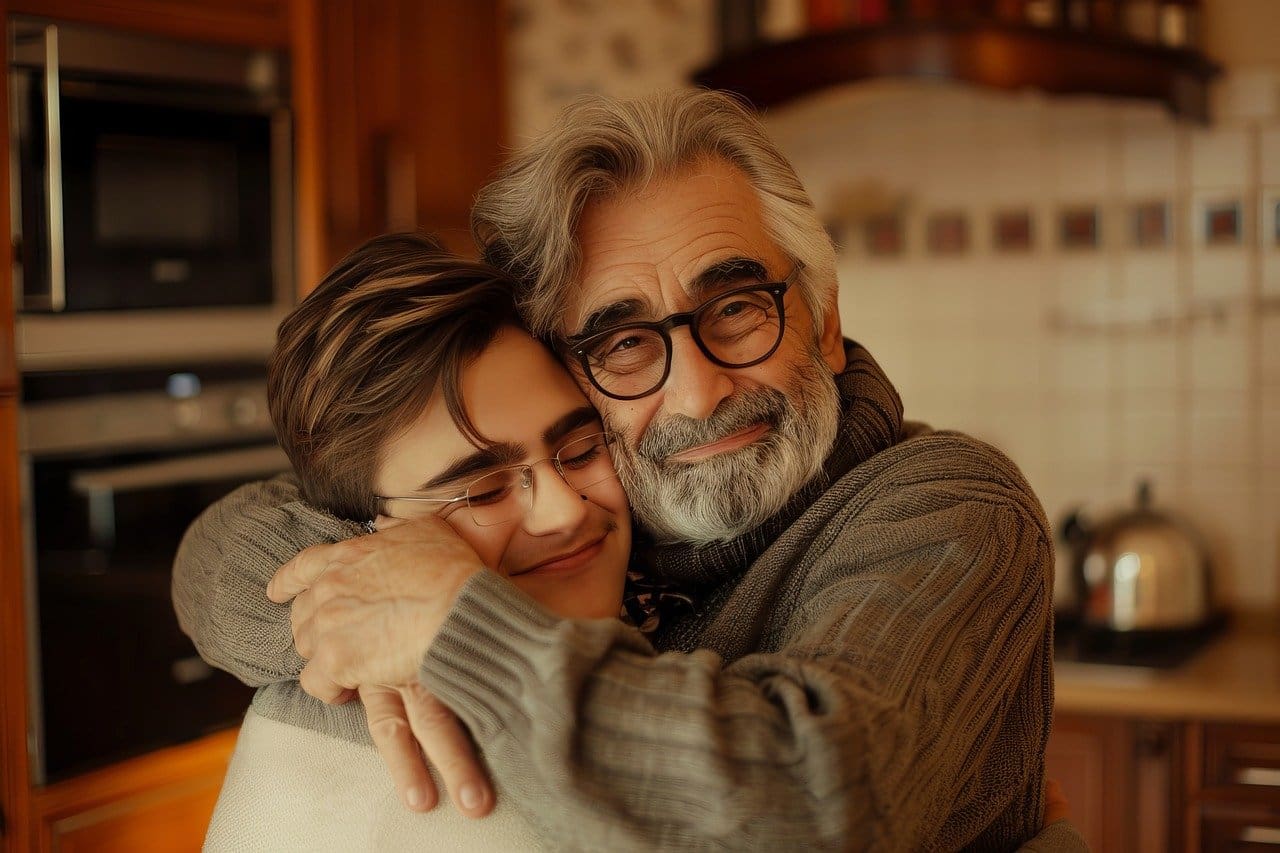
Maintaining social connections is essential for your overall well-being as you age. Joining clubs, groups, or classes can help you meet like-minded people and foster new friendships. Make an effort to stay in touch with friends and family members, whether it’s through phone calls, video chats, or in-person visits. Socializing can improve your mood, reduce feelings of loneliness, and provide a sense of belonging and purpose.
Prioritize Physical Health
Taking care of your physical health is crucial for staying active and engaged in later life. Make sure to schedule regular check-ups with your healthcare provider, eat a balanced diet, stay hydrated, and get enough sleep. If you have any chronic health conditions, work with your doctor to manage them effectively and safely engage in physical activity.
Challenge Your Mind
Engaging in activities that challenge your mind can help you stay sharp and prevent cognitive decline. Try reading books on new topics, doing puzzles or brain games, learning a musical instrument, or taking up a new hobby. Stimulating your brain regularly can improve your memory, cognitive function, and overall mental well-being.
Stay Flexible and Adapt
As you get older, it’s essential to stay flexible and adapt to changes in your physical and mental abilities. Be willing to modify your activities, routines, and goals as needed to accommodate any age-related changes. Listen to your body, pay attention to how you feel, and adjust your lifestyle as necessary to stay active, engaged, and fulfilled.
Conclusion
In conclusion, staying active and engaged in later life is crucial for your physical, mental, and emotional well-being. By incorporating regular physical activity, mental engagement, social connections, and healthy habits into your daily routine, you can enjoy a higher quality of life as you age. Remember to set realistic goals, find activities you enjoy, prioritize your physical health, challenge your mind, and stay flexible and adaptable. Embrace the journey of aging with grace, positivity, and a commitment to living your best life at any age. Cheers to staying active and engaged in later life!