Maintaining hormonal balance is crucial for overall well-being, but it can often be challenging to achieve it naturally. In this article, you will discover simple yet effective strategies to support your hormonal balance without resorting to artificial methods or medications. Whether you’re experiencing hormonal imbalances or simply looking to optimize your health, these natural approaches will provide you with the guidance you need to feel your best. From dietary adjustments to stress management techniques, you’ll learn how to nurture your hormones and achieve the harmonious balance your body deserves.
Maintain a Healthy Diet
Eat a Balanced and Nutritious Diet
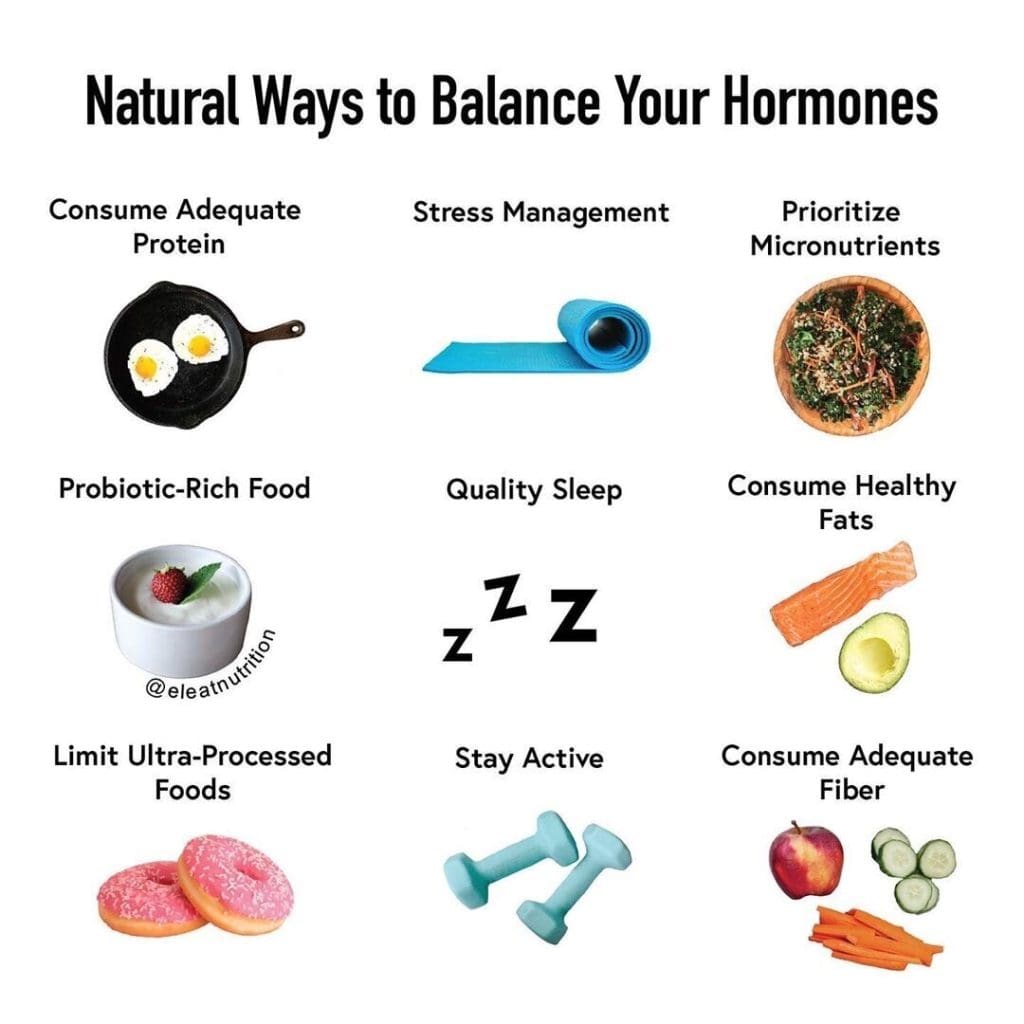
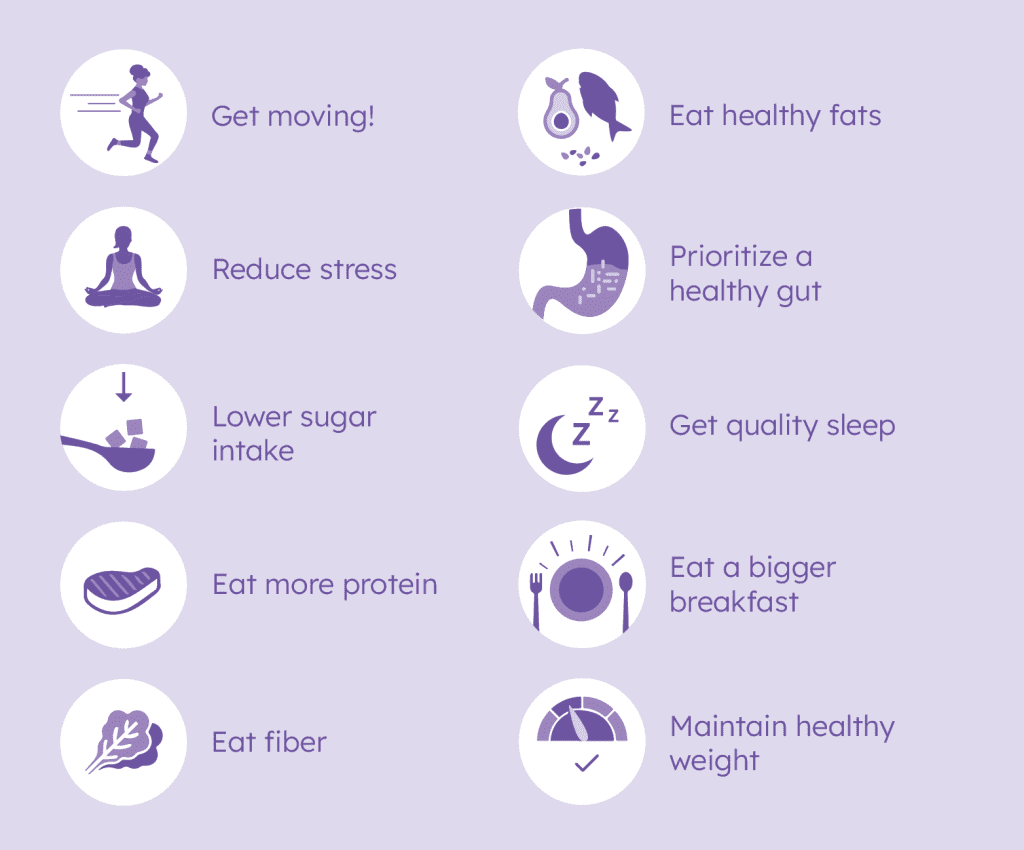
Maintaining a healthy diet is essential for supporting hormonal balance naturally. By focusing on a balanced and nutritious diet, you can provide your body with the necessary nutrients it needs to keep your hormones in check. Make sure to include a variety of foods from different food groups such as whole grains, lean proteins, healthy fats, and plenty of fruits and vegetables. This will ensure that you are getting a wide range of vitamins, minerals, and antioxidants to support your hormonal health.
Include Healthy Fats in Your Meals
Healthy fats play a crucial role in supporting hormonal balance. They are essential for the production of hormones, including sex hormones. Include sources of healthy fats in your meals such as avocados, nuts and seeds, olive oil, and fatty fish like salmon. These fats provide the building blocks necessary for hormone production and help maintain a healthy hormonal balance.
Consume Adequate Protein
Protein is vital for hormone production and overall hormonal balance. Make sure to include adequate amounts of protein in your diet to support healthy hormone levels. Good sources of protein include lean meats, poultry, fish, legumes, tofu, and dairy products. Aim for a mix of plant and animal-based proteins to ensure a well-rounded intake.
Eat Plenty of Fruits and Vegetables
A diet rich in fruits and vegetables is essential for supporting hormonal balance naturally. These colorful foods are packed with vitamins, minerals, and antioxidants that help regulate hormone production and keep your endocrine system functioning optimally. Include a variety of fruits and vegetables in your meals, aiming for at least five servings a day. Opt for organic produce whenever possible to reduce exposure to pesticides.
Limit Processed Foods and Added Sugars
Processed foods and added sugars can wreak havoc on your hormonal balance. These foods are often high in unhealthy fats, refined carbohydrates, and artificial additives, all of which can disrupt your endocrine system. Limit your consumption of processed foods and opt for whole, unprocessed foods instead. Choose natural sweeteners like honey or maple syrup, and avoid or minimize sugary drinks and snacks. By reducing your intake of processed foods and added sugars, you can help support your hormonal health.
Manage Stress Levels
Practice Stress-Reducing Techniques
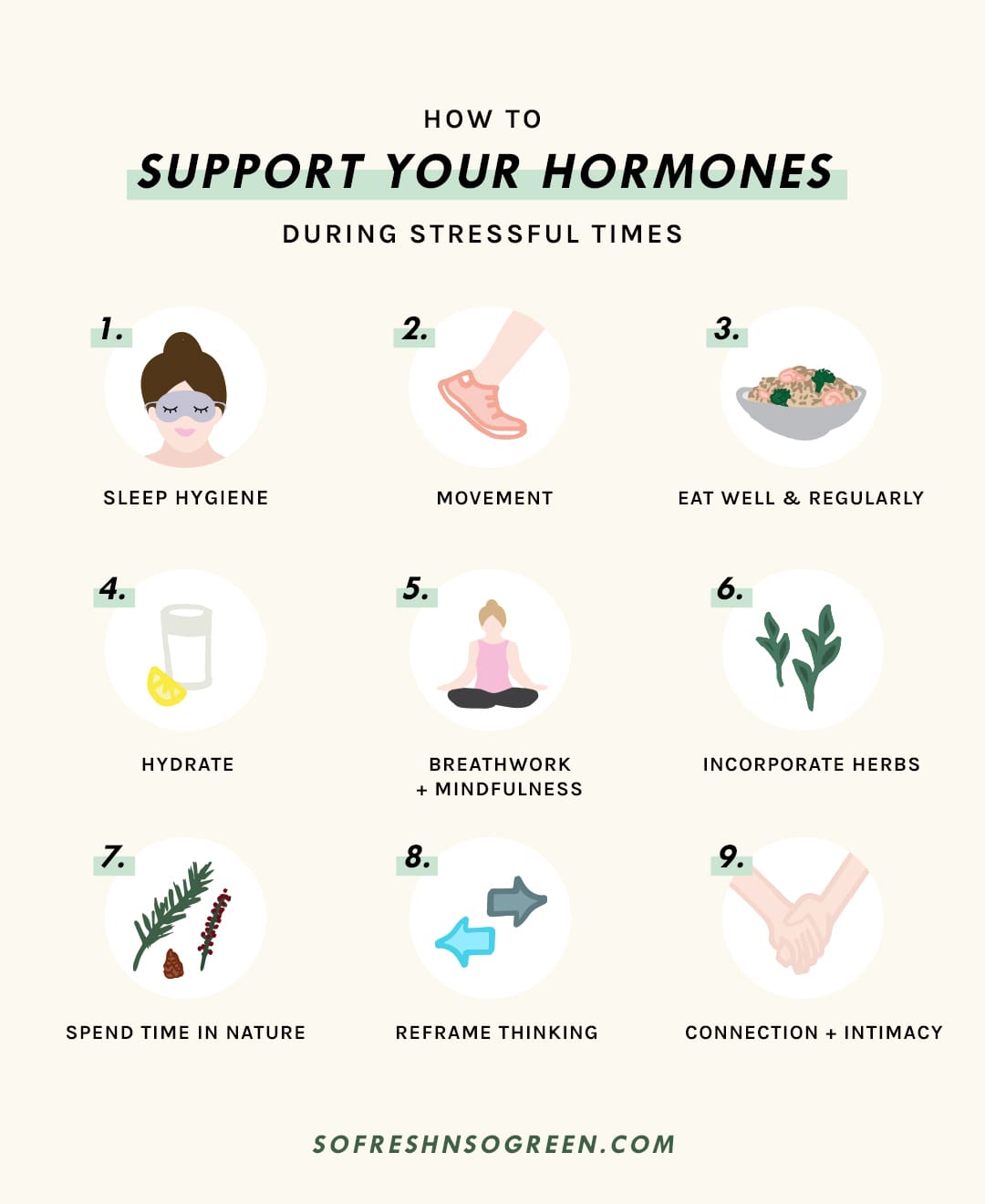
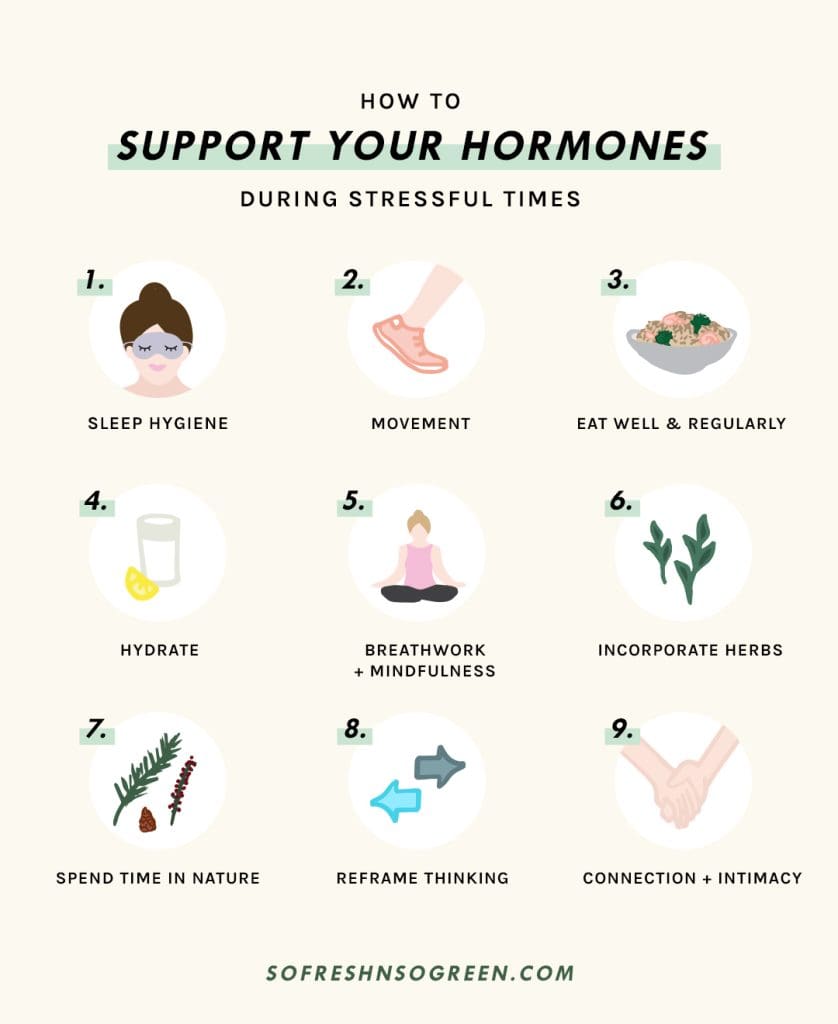
Managing stress is crucial for maintaining hormonal balance naturally. Chronic stress can lead to an imbalance in your cortisol levels, which can negatively impact other hormonal systems in your body. Find stress-reducing techniques that work for you, such as meditation, deep breathing exercises, yoga, or engaging in hobbies that you enjoy. These activities can help lower your stress levels and promote a sense of calmness and balance.
Engage in Regular Physical Exercise
Regular physical exercise is not only beneficial for your physical health but also for your hormonal well-being. Engaging in moderate-intensity exercise for at least 30 minutes a day can help regulate hormones, reduce stress levels, and improve overall mood. Find activities that you enjoy, whether it’s going for a walk, biking, swimming, or dancing. The key is to be consistent and make exercise a regular part of your routine.
Get Sufficient Sleep
Adequate sleep is essential for hormone regulation and overall well-being. When you don’t get enough sleep, it can disrupt your hormonal balance and lead to issues such as increased cortisol levels and imbalances in appetite-regulating hormones. Establish a consistent sleep schedule and prioritize getting 7-9 hours of quality sleep each night. Create a relaxing bedtime routine, avoid stimulating activities before bed, and ensure your sleep environment is comfortable and conducive to sleep.
Consider Mindfulness or Meditation
Practicing mindfulness or meditation can be beneficial for supporting hormonal balance naturally. These techniques help calm the mind, reduce stress levels, and promote a sense of well-being. Consider incorporating mindfulness or meditation into your daily routine, whether it’s through guided meditation apps, attending meditation classes, or simply taking a few moments each day to focus on your breath and be present in the moment.
Seek Social Support
Maintaining strong social connections and seeking support from others can have a positive impact on your hormonal balance. Surround yourself with a supportive network of friends and family who uplift and encourage you. Engage in activities that allow you to connect with others and strengthen your relationships. Having a strong support system can help reduce stress levels and promote a sense of well-being, both of which are essential for hormonal health.
Exercise Regularly
Include Cardiovascular Exercises
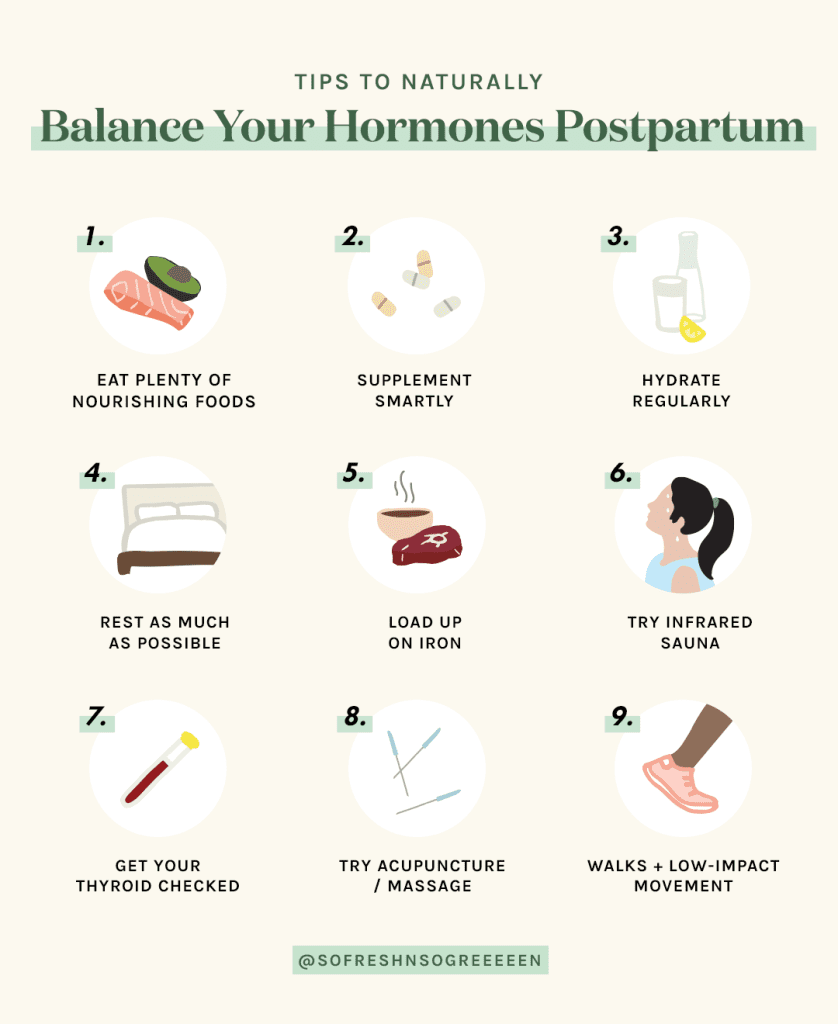
Cardiovascular exercises are an essential part of any exercise routine and can contribute to supporting hormonal balance naturally. Activities such as running, cycling, swimming, or dancing get your heart rate up and improve blood circulation, which can help regulate hormone levels. Aim for at least 150 minutes of moderate-intensity cardiovascular exercise per week to reap the hormonal benefits.
Try Strength Training
Strength training is another crucial component of maintaining hormonal balance naturally. By engaging in regular strength training exercises, you can increase muscle mass, which in turn can contribute to a higher metabolic rate and improved hormonal health. Include exercises that target different muscle groups, such as lifting weights, using resistance bands, or practicing bodyweight exercises like push-ups and squats. Aim for two to three strength training sessions per week for optimal results.
Incorporate Yoga or Pilates
Yoga and Pilates are excellent forms of exercise that not only help improve flexibility and strength but also promote hormonal balance. These mind-body practices combine movement, breathwork, and mindfulness, which can help reduce stress levels and support hormone regulation. Consider incorporating yoga or Pilates into your routine, either by attending classes or following online videos and tutorials.
Engage in Regular Physical Activity
In addition to structured exercise, engaging in regular physical activity throughout the day is crucial for supporting hormonal balance naturally. Take breaks from sitting and incorporate movement into your daily routine. This can be as simple as taking the stairs instead of the elevator, going for a short walk during your lunch break, or doing some light stretching throughout the day. Every little bit of movement counts and contributes to your overall hormonal well-being.
Find Activities You Enjoy
The key to maintaining a regular exercise routine and supporting hormonal balance naturally is to find activities that you enjoy. If you dread going to the gym, try exploring different forms of exercise until you find something that sparks joy and motivation. Whether it’s dancing, hiking, practicing martial arts, or playing a sport, finding activities that you genuinely enjoy will make it easier to stick to a regular exercise routine and reap the hormonal benefits.
Ensure Sufficient Sleep
Establish a Consistent Sleep Schedule
Establishing a consistent sleep schedule is essential for ensuring sufficient sleep and supporting hormonal balance. Try to go to bed and wake up at the same time every day, even on weekends. This helps regulate your body’s internal clock and promotes a more regular sleep-wake cycle. Consistency in your sleep schedule can contribute to better hormone regulation and overall well-being.
Create a Relaxing Bedtime Routine
Creating a relaxing bedtime routine can signal to your body that it’s time to wind down and prepare for sleep. Incorporate activities that help you relax and unwind, such as taking a warm bath, reading a book, practicing gentle stretching or yoga, or listening to calming music. Avoid stimulating activities, bright screens, and stressful situations close to bedtime, as they can interfere with sleep quality and hormonal balance.
Avoid Stimulants Before Bed
Stimulants like caffeine and nicotine can interfere with your sleep patterns and make it harder to fall asleep and stay asleep. Avoid consuming these substances, especially in the evening or close to bedtime. Instead, opt for caffeine-free herbal teas or other calming beverages that can promote relaxation and support a good night’s sleep.
Create a Comfortable Sleep Environment
Creating a comfortable sleep environment is crucial for ensuring quality sleep and supporting hormonal balance naturally. Make sure your bedroom is cool, quiet, and dark, as these conditions promote optimal sleep. Invest in a comfortable mattress and pillows that provide adequate support. Consider using blackout curtains, earplugs, or a white noise machine to block out any external stimuli that may interfere with your sleep.
Consider Natural Remedies for Sleep
If you struggle with falling asleep or staying asleep, consider incorporating natural remedies into your bedtime routine. Relaxing herbs such as chamomile, lavender, valerian, or passionflower can help promote relaxation and support healthy sleep patterns. Consult with a healthcare professional or herbalist to find the right remedies and dosages for your specific needs.
Limit Exposure to Harmful Chemicals
Choose Natural and Organic Personal Care Products
Many personal care products contain chemicals that can disrupt hormonal balance and have negative effects on your health. Opt for natural and organic alternatives that are free from harmful chemicals such as parabens, phthalates, and synthetic fragrances. Look for products with organic certifications or labels that indicate they are free from harmful ingredients.
Use Chemical-Free Household Cleaners
Household cleaners often contain harsh chemicals that can be detrimental to your hormonal health. Choose chemical-free alternatives, such as hydrogen peroxide, vinegar, or baking soda, for cleaning your home. These alternatives are just as effective and don’t pose the same risks to your hormones and overall health.
Avoid Exposure to Pesticides
Pesticides used in conventional farming practices can contain endocrine-disrupting chemicals that interfere with hormonal balance. Whenever possible, opt for organic produce to minimize your exposure to pesticides. If organic options are not accessible, consider using a fruit and vegetable wash or scrubbing produce thoroughly to reduce pesticide residue.
Be Conscious of Plastic Use
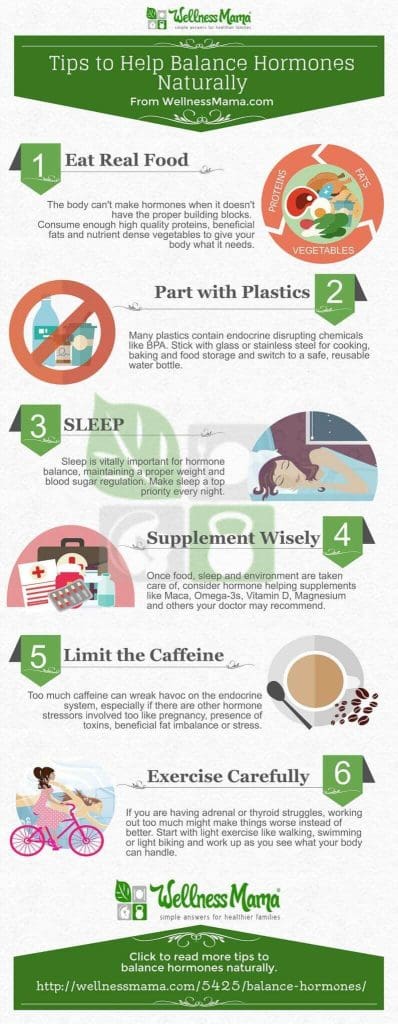
Plastics, particularly those containing bisphenol-A (BPA) and phthalates, can release endocrine-disrupting chemicals into your food and beverages. Minimize your use of plastic containers and utensils, especially when storing or heating food. Instead, opt for glass, stainless steel, or BPA-free plastic alternatives. Avoid microwaving food in plastic containers, as heat can cause chemicals to leach into your food.
Opt for BPA-Free Containers
When using plastic containers or water bottles, make sure they are labeled as BPA-free. Bisphenol-A (BPA) is a chemical commonly found in plastics and can disrupt hormonal balance. By choosing BPA-free containers, you can reduce your exposure to this harmful chemical and support your hormonal health.
Manage Weight and Body Fat
Maintain a Healthy Body Weight
Maintaining a healthy body weight is crucial for supporting hormonal balance naturally. Excess weight, particularly abdominal fat, can lead to imbalances in hormones such as insulin, estrogen, and testosterone. Aim for a healthy weight range based on your body type and consult with a healthcare professional if you need guidance on weight management.
Monitor Your Caloric Intake
Monitoring your caloric intake is important for maintaining a healthy weight and supporting hormonal balance. Avoid both overeating and undereating, as both can disrupt hormonal regulation. Focus on consuming a balanced diet that provides adequate nourishment without excessive caloric intake. Consult with a registered dietitian or healthcare professional to determine your individual caloric needs.
Engage in Regular Physical Activity
Regular physical activity is essential for managing weight and body fat and promoting hormonal balance. Combine cardiovascular exercises with strength training and flexibility exercises for a well-rounded fitness routine. Engaging in regular exercise can help improve insulin sensitivity, boost metabolism, and support a healthy weight.
Focus on Strength Training
Incorporating strength training into your exercise routine is particularly beneficial for managing weight and body fat. Strength training helps build lean muscle mass, which can increase metabolism and promote fat loss. Include exercises that target different muscle groups, and gradually increase weights or resistance over time for optimal results.
Consider Consulting a Healthcare Professional
If you are struggling with managing weight or body fat, it may be beneficial to consult with a healthcare professional. They can provide personalized guidance and support in developing a plan that considers your specific needs and goals. A healthcare professional can also help identify any underlying hormonal imbalances that may be contributing to weight management challenges.
Stay Hydrated
Drink Sufficient Water Throughout the Day
Staying hydrated is crucial for supporting overall health and hormonal balance. Water is essential for the proper functioning of all bodily systems, including hormone production and regulation. Aim to drink at least 8 cups (64 ounces) of water per day, or more if you are physically active or in a warm climate. Carry a reusable water bottle with you to ensure you have access to water throughout the day.
Limit or Avoid Alcohol
Excessive alcohol consumption can disrupt hormonal balance and have negative effects on your health. Limit your alcohol intake or consider avoiding it altogether to support hormonal health. If you choose to drink alcohol, do so in moderation and consider opting for healthier alternatives such as red wine, which contains antioxidants that may have some health benefits.
Stay Hydrated During Exercise
When engaging in physical activity, it’s crucial to stay hydrated to support optimal performance and hormonal balance. Drink water before, during, and after exercise to replace fluids lost through sweat. If you engage in intense or prolonged exercise, consider consuming electrolyte-rich drinks or coconut water to replenish electrolytes lost during physical activity.
Consider Herbal Teas
Herbal teas can be a great way to stay hydrated while also supporting hormonal balance. Certain herbal teas, such as chamomile, peppermint, and ginger, have soothing properties and can help promote relaxation and hormonal health. Explore different herbal teas and find flavors that you enjoy to add variety to your hydration routine.
Incorporate Foods with High Water Content
In addition to drinking water, incorporating foods with high water content into your diet can help support hydration and hormonal balance. Fruits and vegetables such as cucumbers, watermelon, strawberries, celery, and lettuce are excellent choices as they provide both hydration and essential nutrients that support overall health.
Avoid or Limit Caffeine and Alcohol
Reduce or Eliminate Caffeine Consumption
Caffeine is a stimulant that can disrupt hormonal balance and interfere with sleep patterns. Consider reducing or eliminating your caffeine consumption to support hormonal health. If you find it challenging to cut out caffeine entirely, gradually decrease your intake or switch to decaffeinated versions of your favorite beverages.
Be Mindful of Alcohol Intake
Alcohol consumption can disrupt hormonal balance and have negative effects on your health when consumed in excess. Be mindful of your alcohol intake and consider reducing or abstaining from alcohol to support hormonal health. If you choose to drink alcohol, do so in moderation and be aware of the potential effects it may have on your hormones and overall well-being.
Find Alternatives to Caffeinated or Alcoholic Beverages
If you’re looking for alternatives to caffeinated or alcoholic beverages, there are plenty of options to choose from. Opt for herbal teas, caffeine-free herbal coffee substitutes, or natural fruit-infused water for a refreshing and hydrating alternative. Experiment with different flavors and find beverages that suit your taste preferences.
Moderate Your Consumption of Stimulants
In addition to caffeine and alcohol, it’s important to moderate your consumption of other stimulants that can disrupt hormonal balance, such as energy drinks or high-sugar beverages. These beverages can cause spikes and crashes in energy levels and have negative effects on your overall well-being. Opt for healthier alternatives that provide sustained energy and support hormonal health.
Consider Herbal Drinks
Herbal drinks can be a great alternative to caffeinated or alcoholic beverages, as they offer a range of flavors and potential health benefits. Explore herbal drinks such as hibiscus tea, rooibos tea, or herbal infusions made from ingredients like ginger, turmeric, or lemon balm. These drinks are caffeine-free, hydrating, and can support your hormonal balance naturally.
Consider Herbal Supplements
Consult a Healthcare Professional
Before incorporating herbal supplements into your routine, it’s important to consult with a healthcare professional. They can provide guidance on appropriate supplements, dosages, and potential interactions or contraindications based on your individual health situation. A healthcare professional can also help you determine if herbal supplements are necessary or beneficial for supporting your hormonal balance.
Explore Herbal Remedies for Hormonal Balance
There are several herbal remedies that have been traditionally used to support hormonal balance naturally. Some herbs, such as vitex agnus-castus (chasteberry), black cohosh, dong quai, or maca root, have been associated with hormonal health benefits. However, it’s essential to do thorough research and consult with a healthcare professional before trying any herbal remedies, as their effectiveness and safety can vary.
Be Informed About Potential Side Effects or Interactions
When considering herbal supplements, it’s crucial to be informed about potential side effects or interactions. Some herbs may have contraindications or interactions with certain medications or medical conditions. Make sure to thoroughly research any herbal supplements you are considering and consult with a healthcare professional to ensure they are safe and appropriate for your specific needs.
Consider Herbal Teas or Tinctures
If you’re interested in incorporating herbal remedies into your routine, herbal teas or tinctures can be an accessible and convenient option. Many herbs that support hormonal balance are available in tea form or as tinctures that can be added to beverages. Look for reputable brands that source high-quality herbs and follow dosage recommendations provided.
Ensure Quality and Legitimacy of Supplements
When choosing herbal supplements, it’s important to ensure their quality and legitimacy. Look for supplements that have undergone third-party testing for purity and potency. Choose reputable brands that adhere to good manufacturing practices and have positive customer reviews. It’s also advisable to consult with a healthcare professional who can recommend trustworthy supplement brands and guide you in making informed choices.
Consult a Healthcare Professional
Seek Medical Advice and Guidance
If you have concerns about your hormonal health or are experiencing symptoms that may indicate hormonal imbalances, it’s important to seek medical advice and guidance. A healthcare professional, such as a primary care physician or a gynecologist, can assess your symptoms, perform tests if necessary, and provide personalized recommendations and treatment options.
Discuss Symptoms and Concerns
During your consultation with a healthcare professional, make sure to discuss any symptoms or concerns you may have related to your hormonal health. This can include issues such as irregular periods, mood swings, hot flashes, or low libido. By sharing your symptoms and concerns openly, your healthcare professional can better understand your situation and provide appropriate guidance.
Consider Hormone Testing if Necessary
In some cases, hormone testing may be necessary to assess hormonal balance and identify any potential imbalances or deficiencies. Your healthcare professional can recommend and administer tests such as blood tests or saliva tests to assess hormone levels. These tests can provide valuable insights and help guide treatment options if needed.
Explore Treatment Options
Based on your symptoms, concerns, and any test results, your healthcare professional can recommend appropriate treatment options to support hormonal balance. This may include lifestyle changes, dietary modifications, natural remedies, medicinal hormone therapy, or other interventions as deemed necessary. It’s important to explore and discuss these options thoroughly with your healthcare professional to make informed decisions.
Follow Professional Recommendations
Lastly, it’s crucial to follow the recommendations and guidance provided by your healthcare professional. They have the expertise and knowledge to assess your individual needs and help you navigate your hormonal health journey. By adhering to their recommendations and staying in regular communication, you can optimize your chances of achieving and maintaining hormonal balance naturally.