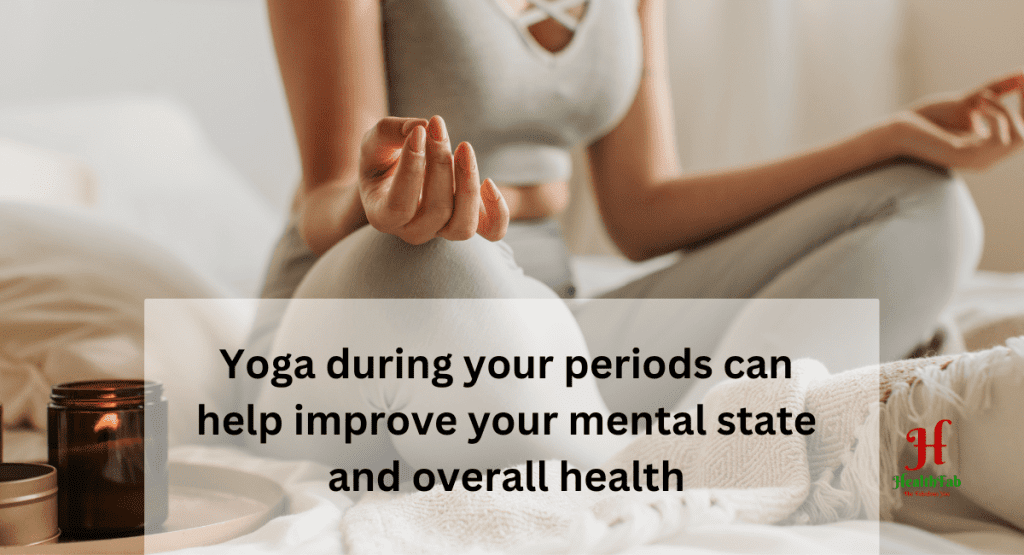
In this article, you are about to discover some valuable tips on how to maintain and support your mental well-being during menstruation. It’s no secret that the hormonal changes that occur during this time can have a significant impact on your emotions and overall mental health. But fear not, because with a few simple techniques and self-care practices, you can navigate through this period with more ease and comfort. So, let’s explore some effective ways to nurture your mental health during menstruation, allowing you to embrace this natural process with a positive mindset and a sense of empowerment.
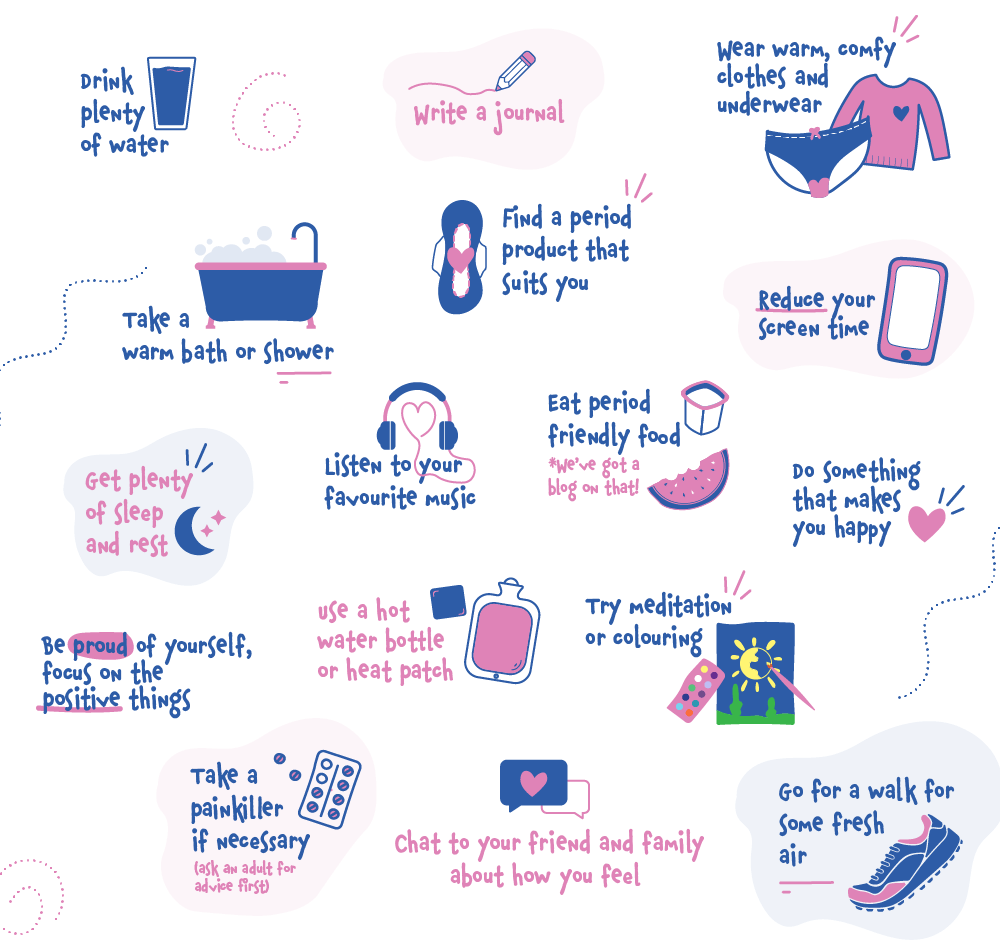
Maintain a Healthy Lifestyle
Eat a Balanced Diet
Maintaining a balanced diet is crucial for supporting your overall health and well-being, especially during menstruation. Incorporating a variety of nutrient-rich foods into your meals can help alleviate symptoms and provide the necessary energy for your body. Make sure to include fruits, vegetables, whole grains, lean proteins, and healthy fats in your diet. It is also important to listen to your body’s cravings and indulge in moderation. Treat yourself to some dark chocolate or a small portion of your favorite comfort food if that’s what you’re truly longing for.
Stay Hydrated
Drinking enough water is essential for your body’s functioning, and it becomes even more important during menstruation. Dehydration can exacerbate symptoms such as fatigue, headaches, and bloating. Aim to drink at least eight glasses of water per day, but adjust this amount based on your activity level and climate. Additionally, incorporating herbal teas or infused water can provide extra hydration and help ease menstrual cramps.
Get Regular Exercise
Engaging in regular exercise has numerous mental and physical health benefits, including during menstruation. Exercise releases endorphins, which can boost your mood and alleviate menstrual symptoms such as pain and bloating. Whether it’s a brisk walk, a yoga session, or a dance class, find an activity that you enjoy and can comfortably participate in during your menstrual cycle. Aim to engage in moderate-intensity exercise for at least 30 minutes most days of the week.
Manage Stress
Practice Relaxation Techniques
Finding ways to relax and unwind is crucial for managing stress during menstruation. Take a few minutes each day to practice deep breathing exercises or progressive muscle relaxation. These techniques can help your body and mind relax, reducing the impact of stress on your mental health. You can also explore other relaxation methods like aromatherapy, listening to calming music, or taking short breaks throughout the day for mindfulness.
Try Mindfulness or Meditation
Mindfulness and meditation are powerful tools for managing stress and improving mental well-being. By focusing on the present moment and observing your thoughts and emotions without judgment, you can create a sense of calm and clarity. Incorporate mindfulness into your daily routine through short meditation sessions or by practicing mindful eating or mindful walking. There are various apps and online resources available to guide you through meditation practices suitable for menstruation.
Engage in Stress-Relieving Activities
Finding activities that help you unwind and relieve stress is essential for your mental health during menstruation. Whether it’s knitting, painting, gardening, or journaling, find a hobby or activity that brings you joy and helps you relax. Engaging in pleasurable activities can distract your mind from menstrual discomforts and provide a sense of fulfillment. Don’t forget to set aside time for yourself and prioritize activities that promote relaxation and stress relief.
Prioritize Sleep
Establish a Bedtime Routine
Getting sufficient and quality sleep is essential for your overall well-being, particularly during menstruation when fatigue may be more pronounced. Establishing a consistent bedtime routine can help signal your body that it’s time to wind down and prepare for sleep. Create a relaxing environment by dimming the lights, avoiding stimulating activities or screens before bed, and making your sleep environment comfortable and inviting. Consider incorporating calming activities like reading a book, taking a warm bath or shower, or practicing gentle stretching before bedtime.
Create a Comfortable Sleep Environment
Your sleep environment plays a significant role in the quality of your sleep. Ensure your bedroom is cool, dark, and quiet, which can promote optimal sleep conditions. Invest in a supportive mattress and pillows that suit your preferences and provide comfort. Consider using essential oils like lavender, chamomile, or ylang-ylang, known for their soothing properties, to create a peaceful ambiance in your bedroom. Experiment with different sleep aids such as blackout curtains, earplugs, or white noise machines to create an atmosphere conducive to restful sleep.
Avoid Stimulants Before Bed
Certain substances can interfere with your ability to fall asleep or maintain a restful sleep. Avoid consuming caffeine, nicotine, and alcohol close to bedtime as they can disrupt your sleep cycle. Instead, opt for herbal teas or warm milk if you crave a nighttime beverage. Additionally, limit your exposure to screens and electronic devices, as the blue light emitted can suppress the production of melatonin, a hormone that regulates sleep. Create a relaxing wind-down routine before bed that doesn’t involve stimulating activities or screens to promote healthy sleep.
Practice Self-Care
Take Warm Baths or Showers
Taking warm baths or showers can provide both physical and mental benefits during menstruation. Warm water can help soothe menstrual cramps, relax your muscles, and provide a sense of comfort and relaxation. Add some Epsom salts or essential oils to your bath to enhance the soothing effects. Treat this time as a self-care ritual by lighting candles, playing soft music, or using your favorite bath products. Taking care of your body through warm baths or showers can be a moment of rejuvenation and self-indulgence.
Engage in Activities You Enjoy
During menstruation, it’s essential to engage in activities that bring you happiness and reduce stress. Do things that make you feel good, whether it’s watching a movie, reading a book, practicing a hobby, or spending time in nature. Engaging in activities you enjoy can distract your mind from any discomfort and contribute to your overall well-being. Make it a priority to carve out time in your schedule for activities that bring you joy and allow yourself to fully immerse in them.
Practice Self-compassion and Self-acceptance
It’s crucial to practice self-compassion and self-acceptance during menstruation. Remember that your body is going through a natural process, and it’s normal to experience changes in mood and energy levels. Instead of being self-critical or judgmental, be kind and patient with yourself. Practice positive self-talk, reminding yourself that it’s okay to take things slower during your menstrual cycle. Embrace self-care practices that promote self-compassion, such as journaling, affirmations, or seeking support from loved ones.
Get Social Support
Talk to Trusted Friends or Family
Having a support system during menstruation can make a significant difference in your mental well-being. Reach out to trusted friends or family members and share your experiences, concerns, or emotions. Sometimes, simply venting your feelings or having someone listen can bring immense relief. Their support and understanding can provide reassurance and help you feel less alone during this time. Don’t hesitate to lean on your loved ones and let them be there for you.
Join Supportive Online Communities
Joining online communities or forums dedicated to menstruation and mental health can provide a sense of belonging and support. Connecting with individuals who are going through similar experiences can offer valuable insights, advice, and camaraderie. Engage in discussions, ask questions, and share your own journey, if comfortable. Please remember to choose reliable and inclusive communities that foster a positive and supportive environment.
Seek Professional Help if Needed
If you find that your mental health is significantly affected during menstruation, consider reaching out to a mental health professional. They can provide guidance, support, and personalized strategies to help you manage your mental well-being more effectively. Therapy or counseling can be beneficial in exploring underlying issues or developing coping mechanisms specific to your situation. Additionally, mental health professionals can evaluate if medication options may be appropriate to alleviate severe symptoms.
Track Your Menstrual Cycle
Use a Menstrual Cycle Tracking App
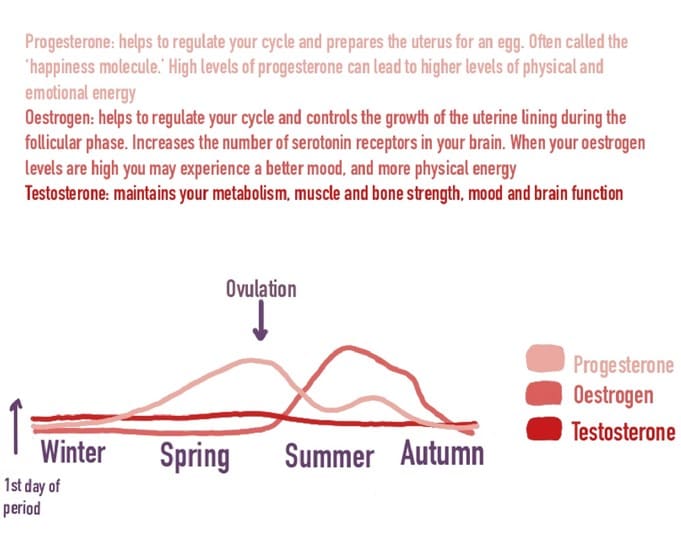
Using a menstrual cycle tracking app can empower you to gain a better understanding of your unique cycle and how it affects your mental health. These apps allow you to track your period, mood changes, symptoms, and more. By monitoring your menstrual patterns over time, you can identify any recurring patterns or trends that may impact your mental well-being. This knowledge can help you plan ahead and implement self-care strategies during high-risk times.
Note any Mood or Symptom Changes
Throughout your menstrual cycle, pay attention to any notable changes in your mood, energy levels, or physical symptoms. Keep a journal or use your tracking app to record these observations, which can help you identify patterns or triggers that affect your mental health. Identifying these changes can assist you in predicting and preparing for challenging moments during your menstrual cycle, enabling you to prioritize self-care and seek appropriate support when needed.
Plan Ahead for Self-Care during High-risk Times
Based on your menstrual cycle tracking and awareness of potential changes, plan ahead for self-care during high-risk times. If you notice mood fluctuations or increased vulnerability to stress and anxiety during specific phases of your cycle, implement proactive strategies to support your mental health. This may involve scheduling relaxing activities, prioritizing extra self-care practices, or informing your loved ones about your needs in advance. Being prepared and proactive can help you navigate challenging times more smoothly.
Educate Yourself about Menstruation and Mental Health
Read Books or Articles on the Subject
Educating yourself about menstruation and mental health can provide valuable knowledge and empower you to advocate for your well-being. Look for reputable books or articles that delve into the connection between the menstrual cycle and mental health. Gain insights into hormonal changes, common challenges, and strategies to cope effectively. Being well-informed can help you communicate your needs to healthcare providers, loved ones, and provide a sense of validation and understanding.
Attend Workshops or Webinars
Workshops or webinars dedicated to menstruation and mental health can offer interactive learning experiences and a platform to connect with experts in the field. These educational sessions can provide in-depth information, practical tips, and an opportunity to engage in meaningful discussions. Look for organizations or healthcare providers that specialize in women’s health or mental health and offer workshops or webinars covering topics related to menstruation and mental well-being.
Join Educational Programs
Consider joining educational programs that focus on menstruation, mental health, or both. These programs can be offered by universities, community centers, or online platforms and may range from short courses to comprehensive certification programs. Engaging in structured education can deepen your understanding of menstrual health, empower you with evidence-based information, and equip you with tools to support your mental well-being effectively.
Consider Alternative Therapies
Explore Acupuncture
Acupuncture, a traditional Chinese medicine practice, has been found to be beneficial for some individuals in managing menstrual symptoms and improving mental health. This therapy involves the insertion of thin needles into specific points on the body to promote balance and restore energy flow. Acupuncture may help alleviate menstrual pain, reduce stress, and improve overall well-being. Consult with a trained acupuncturist to discuss your specific concerns and determine if acupuncture is a suitable option for you.
Try Herbal Remedies
Herbal remedies have been used for centuries to support menstrual health and promote well-being. Some herbs, such as ginger, chamomile, or raspberry leaf, are believed to have beneficial effects on menstrual symptoms and mental health. However, it’s important to consult with a healthcare professional or herbalist before trying any new supplements or remedies, especially if you have underlying health conditions or are taking other medications. They can guide you on appropriate dosages and potential herb-drug interactions.
Consider Hormonal Treatments if Appropriate
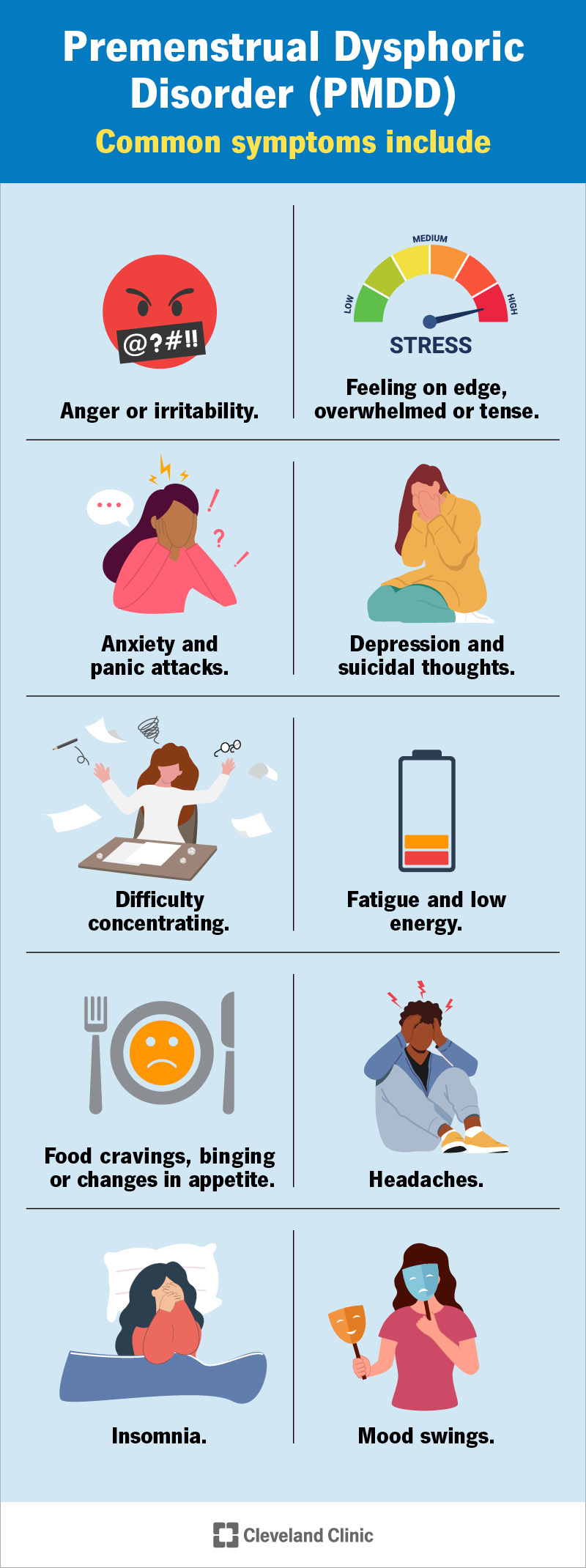
In some cases, hormonal treatments may be recommended to manage severe menstrual symptoms, such as PMDD (Premenstrual Dysphoric Disorder) or hormonal imbalances. Hormonal therapies, like oral contraceptive pills or hormone replacement therapy, aim to regulate hormonal fluctuations and stabilize mood and emotions. If you experience debilitating mood swings, severe depression, or anxiety during menstruation, consult a healthcare professional to determine if hormonal treatments may be appropriate for your specific situation.
Manage Pain and Physical Discomfort
Use Heat or Cold Packs
Applying heat or cold packs on the lower abdominal area can help alleviate menstrual pain and discomfort. Heat packs, such as hot water bottles or heating pads, can relax the muscles and provide soothing relief. Cold packs or ice wrapped in a cloth can help numb the area and reduce inflammation. Experiment with both heat and cold therapy to determine which works best for you. Ensure that you follow safety guidelines and do not apply extreme temperatures directly to your skin.
Take Over-the-counter Pain Medications
Over-the-counter pain medications, such as nonsteroidal anti-inflammatory drugs (NSAIDs), can be effective in relieving menstrual cramps and reducing inflammation. Ibuprofen or naproxen sodium are commonly used options for managing menstrual pain. It’s important to follow the recommended dosage and consult with a healthcare professional or pharmacist if you have any underlying medical conditions or are taking other medications. If over-the-counter options do not provide sufficient relief, seek medical advice for alternative pain management strategies.
Try Gentle Stretching or Yoga
Engaging in gentle stretching or yoga exercises can help alleviate muscle tension, improve circulation, and ease menstrual discomfort. Focus on stretching the lower back, abdomen, and hips, as these areas commonly experience tension during menstruation. Incorporate gentle yoga poses that promote relaxation and flow, such as child’s pose, cat-cow, or reclining bound angle pose. Listen to your body and avoid any positions or movements that cause pain or discomfort. If you’re new to yoga, consider joining a beginner’s class or following online tutorials led by qualified instructors.
Seek Professional Help if Needed
Consult a Mental Health Professional
If you find that menstruation significantly impacts your mental health and quality of life, consider consulting a mental health professional. They can help you explore underlying issues, develop effective coping strategies, and provide support tailored to your specific needs. Whether through individual therapy or group counseling, a mental health professional can work with you to manage menstrual-related mental health challenges and improve overall well-being.
Consider Therapy or Counseling
Individual therapy or counseling sessions can provide a safe and confidential space to address menstruation-related mental health concerns. A therapist can help you navigate the emotional and psychological aspects of your journey, validating your experiences and facilitating personal growth. They can equip you with coping mechanisms, mindfulness techniques, and other tools to manage symptoms and enhance your resilience. Engaging in therapy or counseling can help you gain a deeper understanding of yourself, develop effective strategies, and boost your overall mental well-being.
Explore Medication Options if Appropriate
In more severe cases, medication may be necessary to manage menstrual-related mental health challenges. Antidepressants or other psychiatric medications can be prescribed by a healthcare professional to alleviate severe symptoms of depression, anxiety, or mood disorders during menstruation. If you feel that your mental health is significantly impacted and self-help strategies aren’t sufficient, consult with a healthcare professional who specializes in women’s mental health. They can evaluate your specific needs and discuss the potential benefits and risks of medication options.
In conclusion, supporting your mental health during menstruation involves maintaining a healthy lifestyle, managing stress, prioritizing sleep, practicing self-care, seeking social support, tracking your menstrual cycle, educating yourself, considering alternative therapies, managing pain and physical discomfort, and seeking professional help when needed. By implementing these strategies and tailoring them to your unique needs, you can navigate the challenges of menstruation while promoting your mental well-being. Remember, you deserve kindness, self-care, and support throughout your menstrual cycle.