
Are your emotions running wild and leaving you feeling overwhelmed? Look no further than the soothing power of aromatherapy to bring your emotional state back into balance. In this article, we will explore the various ways you can incorporate aromatherapy into your daily routine to promote emotional well-being. From essential oil diffusers to calming bath bombs, discover the simple yet effective methods you can use to harness the therapeutic benefits of aromatherapy and find inner tranquility. So, let’s embark on this aromatic journey together and learn how to restore harmony within ourselves.
Understanding Aromatherapy
Aromatherapy is the practice of using essential oils derived from plants to promote physical and emotional well-being. These oils are extracted from various parts of plants, such as flowers, leaves, bark, and roots, and are highly concentrated. Aromatherapy is believed to have a positive impact on our emotions, mood, and overall mental health.
Definition of aromatherapy
Aromatherapy can be defined as the therapeutic use of essential oils for improving emotional balance, psychological well-being, and physical health. It involves the inhalation, topical application, or ingestion of essential oils to harness their healing properties.
Benefits of aromatherapy for emotional balance
Aromatherapy has been used for centuries to promote emotional balance and well-being. The inhalation of essential oils can stimulate the limbic system, the part of the brain responsible for emotions and memory, resulting in positive changes in mood and emotional states. Some of the benefits of aromatherapy for emotional balance include stress relief, mood enhancement, relaxation, and improved sleep quality.
How aromatherapy works
Aromatherapy works through the sense of smell and the absorption of essential oil molecules into the body. When we inhale essential oils, the scent molecules travel to the brain through the olfactory system, which then triggers various physiological and emotional responses. The chemical composition of essential oils also affects our body at a cellular level, influencing our emotions and promoting a sense of well-being.
Choosing the Right Essential Oils
To benefit from aromatherapy, it is important to choose the right essential oils that cater to your emotional needs. Each essential oil has unique therapeutic properties and can be used to address different emotional states.
Understanding different essential oils
There is a wide variety of essential oils available, each with its own set of properties and benefits. Some commonly used essential oils for emotional balance include lavender for relaxation, bergamot for stress relief, rosemary for mental clarity, and ylang-ylang for uplifting the mood. By understanding the properties of different essential oils, you can select the ones that align with your emotional needs.
Identifying essential oils for emotional balance
To identify essential oils for emotional balance, it is important to reflect on your current emotional state and what you wish to achieve. Are you feeling stressed, anxious, or fatigued? Are you seeking calm, relaxation, or energy? By pinpointing your emotional needs, you can choose the essential oils that will best support you in achieving emotional balance.
Quality and purity considerations
When choosing essential oils, it is crucial to pick high-quality oils that are pure and free from synthetic additives. Look for reputable brands that offer essential oils that have been tested for purity and produced through ethical and sustainable methods. This ensures that you are getting the most benefits from the oils and minimizing the risk of adverse effects.
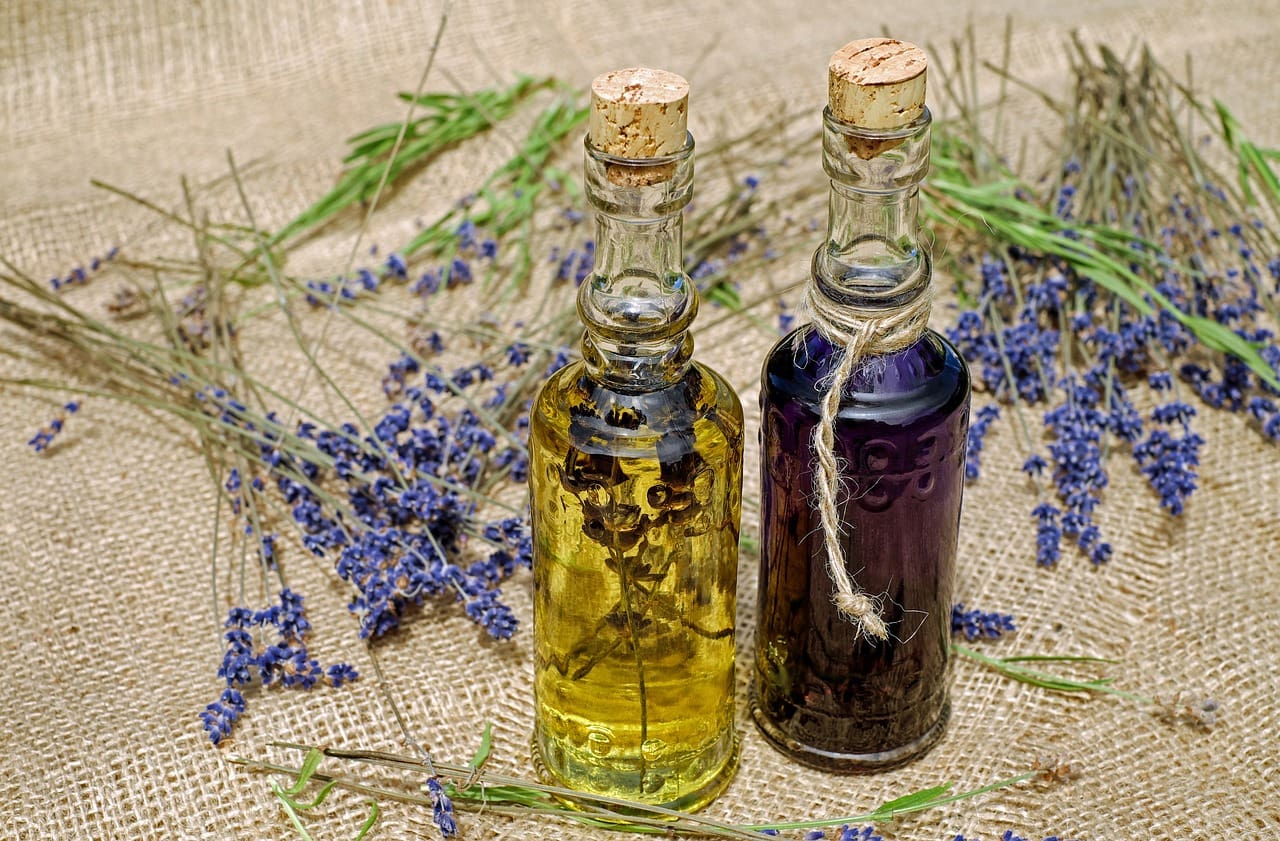
Methods of Aromatherapy Application
There are several ways to apply aromatherapy and experience its benefits.
Inhalation
Inhalation is one of the most common methods of aromatherapy application. You can simply inhale the scent of essential oils directly from the bottle, or add a few drops to a tissue or handkerchief and inhale deeply. Another option is to use an essential oil diffuser, which disperses the scent of essential oils into the air, allowing you to inhale them over an extended period.
Topical application
Topical application involves applying essential oils directly to the skin. Essential oils are highly concentrated and should always be diluted before applying them to the skin to avoid irritation. They can be diluted in carrier oils such as coconut oil, sweet almond oil, or jojoba oil. Massage the diluted blend onto your skin, focusing on areas such as the wrists, temples, and the back of the neck.
Baths and showers
Adding essential oils to your bath or shower routine can enhance relaxation and provide a calming sensory experience. Add a few drops of essential oil to warm bathwater or onto a washcloth in the shower. The steam from the water will help disperse the scent, allowing you to inhale the aromatic molecules while enjoying the soothing effects of the water.
Diffusers and vaporizers
Diffusers and vaporizers are convenient tools for aromatherapy. They disperse essential oils into the air, allowing you to benefit from the aromatic molecules. Ultrasonic diffusers use water to disperse the oils, while nebulizing diffusers release a concentrated stream of essential oil molecules into the air. Both types of diffusers create a pleasant and relaxing environment and can be used in various spaces, such as bedrooms, offices, or living rooms.
Preparing for Aromatherapy
Before engaging in aromatherapy, it is important to create a relaxing environment and consider safety precautions.
Creating a relaxing environment
To fully enjoy the benefits of aromatherapy, create a soothing and peaceful environment. Choose a quiet space where you can focus on the aromatherapy experience without distractions. Dim the lights, play soft music, and ensure the room is well-ventilated. This will help enhance the calming atmosphere and promote a more profound emotional response.
Safety precautions and guidelines
While aromatherapy is generally safe when used properly, it’s essential to take some safety precautions. Keep essential oils out of reach of children and pets, as they can be toxic when ingested. Always dilute essential oils before applying them to the skin and perform a patch test to check for any adverse reactions. If you have any underlying health conditions or are pregnant or nursing, it’s advisable to consult with a healthcare professional before using aromatherapy.
Blending Essential Oils
Blending essential oils is an art that allows you to create personalized concoctions tailored to your emotional needs.
Understanding oil blending
To create a balanced blend, it is important to understand the properties of each essential oil and how they interact with one another. Some essential oils have similar properties and can be blended to enhance their effects, while others may have contrasting properties and can be used to create a harmonious blend. It’s also important to consider the intensity of each oil and their fragrance profiles to create a pleasing aroma.
Balancing techniques
When blending essential oils, it’s important to maintain balance and avoid overpowering scents. Start with a base note oil, which provides a solid foundation and lasts longer in the blend, followed by middle note oils, which add complexity and balance, and finally top note oils, which provide a refreshing aroma. Experiment with different ratios and combinations until you find the perfect balance that suits your preferences.
Recipes for emotional balance
Here are a few simple blend recipes for common emotional states:
-
Calming blend: Combine 3 drops of lavender, 2 drops of chamomile, and 1 drop of ylang-ylang. Dilute in a carrier oil and apply to your temples, wrists, or the back of your neck for a sense of calm and relaxation.
-
Uplifting blend: Mix 2 drops of bergamot, 2 drops of lemon, and 1 drop of rosemary. Use in a diffuser to uplift your mood and promote a positive outlook.
-
Stress relief blend: Blend 2 drops of clary sage, 2 drops of lavender, and 1 drop of frankincense. Inhale deeply or use in a massage oil to alleviate stress and tension.
Feel free to adjust these recipes to suit your personal preferences and emotional needs.
Incorporating Aromatherapy into Daily Life
Aromatherapy can be seamlessly integrated into your daily routines to enhance your well-being and emotional balance.
Morning rituals
Start your day on a positive note by incorporating aromatherapy into your morning routine. Use invigorating essential oils such as peppermint or citrus oils in your shower or diffuser to help awaken your senses and set a positive tone for the day ahead. You can also create a grounding blend to apply to your wrists or temples for increased focus and mental clarity.
Workplace support
Aromatherapy can be beneficial in the workplace, helping to reduce stress and boost productivity. Keep a small bottle of an energizing blend, such as grapefruit and rosemary, on your desk and inhale deeply when you need a pick-me-up. Alternatively, use a small diffuser in your workspace to create a pleasant and invigorating atmosphere.
Bedtime routines
Incorporating aromatherapy into your bedtime routine can promote relaxation and improve sleep quality. Create a calm and tranquil atmosphere in your bedroom with soothing essential oils like lavender, chamomile, or clary sage. Use a diffuser or blend a few drops of these oils with a carrier oil and apply to your wrists or the soles of your feet before bedtime for a restful night’s sleep.

Aromatherapy for Specific Emotional States
Aromatherapy can be tailored to address specific emotional states and provide targeted support.
Calming and relaxation
When you’re feeling stressed or anxious, certain essential oils can help promote a sense of calm and relaxation. Lavender, chamomile, and bergamot are known for their soothing properties and can be used in a diffuser or diluted and applied to the skin to induce relaxation and reduce stress levels. Take deep breaths and inhale the scent of these oils to soothe your mind and body.
Uplifting and energizing
To uplift your mood and boost energy levels, citrus oils such as lemon, orange, and grapefruit are excellent choices. These oils have refreshing and invigorating scents that can enhance your mood and promote a positive mindset. Use them in a diffuser, apply a drop or two to a tissue and inhale deeply, or dilute in a carrier oil and apply to your wrists for an energizing effect.
Stress and anxiety relief
Stress and anxiety can take a toll on our well-being. Essential oils like clary sage, frankincense, and ylang-ylang are known for their calming and stress-relieving properties. Inhale these oils or use them in a massage oil to help reduce feelings of stress and anxiety. Combine them with carrier oils and apply to your body through massage or simply inhale the scent deeply to promote a sense of tranquility.
Boosting confidence and self-esteem
Sometimes, we need a little boost in confidence and self-esteem. Essential oils such as cedarwood, rosemary, and jasmine can help instill a sense of empowerment and self-assuredness. Use these oils in a diffuser, dilute them in a carrier oil and apply to your pulse points, or mix them into your favorite lotion or body oil for an extra confidence boost.
Aromatherapy Complementing Other Practices
Aromatherapy can be a wonderful complement to various other practices aimed at promoting well-being and emotional balance.
Meditation and mindfulness
Aromatherapy can enhance the practice of meditation and mindfulness by creating a calming and focused environment. Use essential oils such as frankincense, sandalwood, or lavender to create a soothing atmosphere that supports deep relaxation and mental clarity. Incorporate these scents into your meditation space or apply them to your body before starting your practice.
Yoga and exercise
Aromatherapy can enhance the experience of yoga and exercise by stimulating the senses and promoting a deeper connection between the mind and body. Essential oils like eucalyptus, peppermint, and ginger can be used in a diffuser or diluted in a carrier oil and applied to the body before or after your practice. These oils can invigorate your mind and body, increase focus, and provide a refreshing sensation.
Massage and bodywork
Aromatherapy can greatly enhance the effects of massage and bodywork. Incorporating essential oils into massage oils or lotions can provide additional benefits such as relaxation, stress relief, and improved circulation. Choose oils like lavender, chamomile, or geranium for a calming and nurturing massage experience, or peppermint and rosemary for revitalizing and invigorating effects.
Using Aromatherapy in Difficult Times
During challenging periods in life, aromatherapy can provide comfort and support.
Grief and loss
When coping with grief and loss, essential oils can help provide solace and emotional support. Oils such as rose, neroli, and sandalwood are known for their comforting and uplifting properties. Inhale these oils deeply or use them in a diffuser to create a comforting and nurturing environment that promotes healing and emotional balance.
Relationship challenges
Relationship challenges can cause stress and emotional strain. Essential oils like bergamot, jasmine, and ylang-ylang can help promote harmony, communication, and emotional balance in relationships. Diffuse these oils during difficult conversations or apply them topically to foster a sense of love, compassion, and understanding.
Difficult life transitions
Transitions in life can be challenging and overwhelming. Essential oils such as clary sage, geranium, and vetiver can help ease the discomfort of transition periods and provide stability and emotional support. Diffuse these oils in your space or dilute them in a carrier oil and apply to your body during times of change to promote a sense of grounding and tranquility.
Final Thoughts
Aromatherapy is a versatile and effective tool for promoting emotional balance and well-being. By understanding the power of essential oils and their impact on our emotions, we can harness their benefits in our daily lives. Whether it’s creating a relaxing environment, blending essential oils for a specific emotional state, or incorporating aromatherapy into other practices, such as meditation or yoga, aromatherapy has the potential to enhance our overall quality of life. Experiment with different essential oils, seek professional guidance when needed, and most importantly, enjoy the journey of discovering the benefits of aromatherapy for emotional balance.