
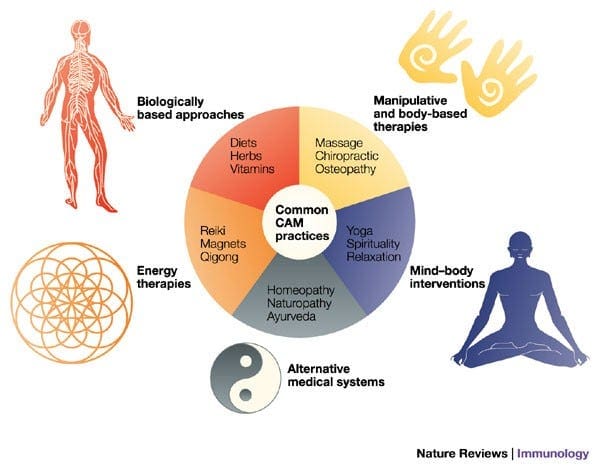
Welcome to a guide on how to use mindfulness for alternative medicine! In this article, you will learn about the benefits of incorporating mindfulness practices like meditation and deep breathing into your overall healthcare routine. By focusing on the present moment and connecting with your body, you can reduce stress, improve sleep, and even alleviate physical discomfort. Get ready to explore the power of mindfulness as a complementary approach to conventional medicine for a holistic approach to wellness. Have you ever wondered how you could use mindfulness techniques as an alternative approach to medicine? If so, you’ve come to the right place! In this article, we will explore the power of mindfulness and how you can incorporate it into your daily life to support your overall well-being and health. So grab a cup of tea, find a comfortable spot to sit, and let’s dive into the world of mindfulness and alternative medicine.
Understanding Mindfulness and Its Benefits
Mindfulness is a practice that involves being fully present and aware of your thoughts, feelings, and surroundings without judgment. It has been used for centuries in various cultures as a way to cultivate inner peace, reduce stress, and promote overall well-being. When you practice mindfulness, you are tuning into the present moment and letting go of worries about the past or future.
Benefits of Mindfulness in Alternative Medicine
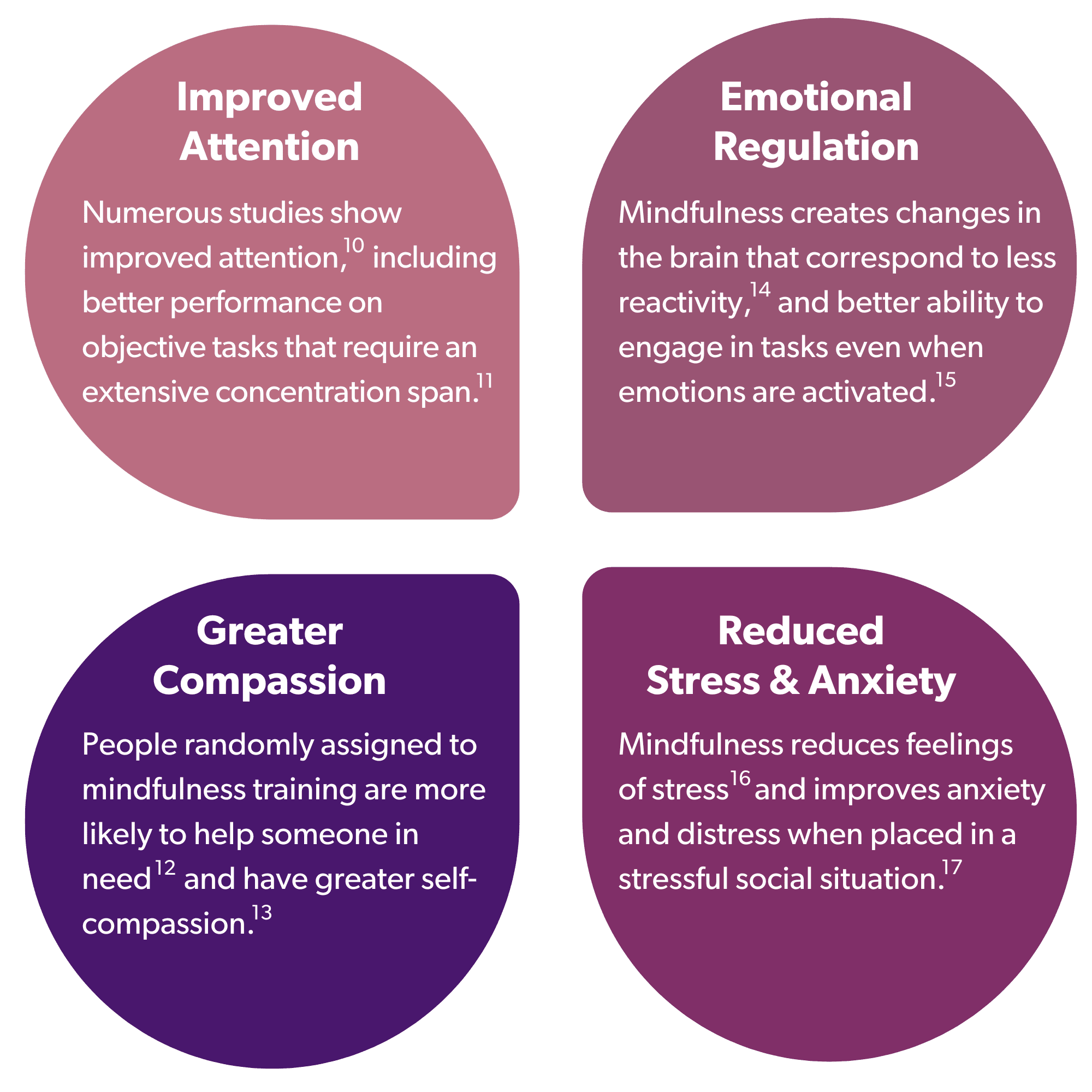
Mindfulness has been shown to have a wide range of benefits when it comes to alternative medicine. Some of the key benefits include:
- Reduced stress and anxiety
- Improved mood and emotional well-being
- Better sleep quality
- Enhanced focus and concentration
- Increased self-awareness and self-compassion
- Strengthened immune system
- Lowered blood pressure
- Pain management
By incorporating mindfulness practices into your daily routine, you can experience these benefits and more. Let’s explore some simple ways to integrate mindfulness into your life for alternative medicine purposes.
Techniques for Practicing Mindfulness
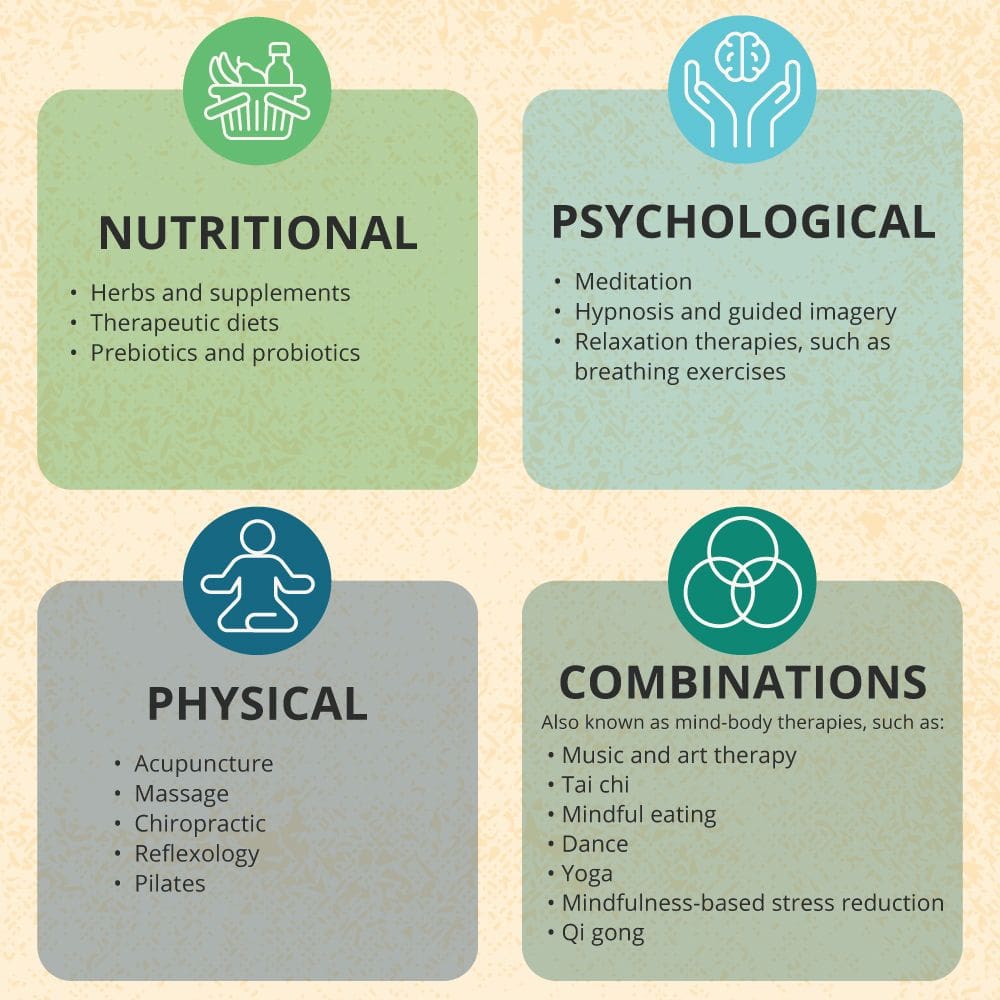
There are many different ways to practice mindfulness, and it’s important to find a method that works best for you. Here are some popular techniques for cultivating mindfulness:
Meditation
Meditation is one of the most common ways to practice mindfulness. Sit in a quiet space, close your eyes, and focus on your breath. Notice the sensation of each inhale and exhale, and when your mind starts to wander, gently bring your attention back to your breath. Start with just a few minutes a day and gradually increase the duration as you become more comfortable with the practice.
Body Scan
A body scan involves mentally scanning your body from head to toe, paying attention to any areas of tension or discomfort. This practice can help you become more aware of your body and release physical tension that you may not have been aware of before.
Mindful Eating
Mindful eating involves paying close attention to the sensations of eating, such as the taste, texture, and smell of your food. Chew slowly and savor each bite, fully experiencing the nourishment that your meal provides. This can help you develop a healthier relationship with food and make more conscious choices about what you eat.
Walking Meditation
Walking meditation involves walking slowly and mindfully, paying attention to each step you take. Notice the sensation of your feet touching the ground, the movement of your body, and the sounds around you. This practice can help you connect with nature and ground yourself in the present moment.
Integrating Mindfulness into Your Wellness Routine
Now that you have an understanding of some mindfulness techniques, let’s talk about how you can integrate them into your wellness routine for alternative medicine purposes. Here are some tips for incorporating mindfulness into your daily life:
Create a Daily Practice
Set aside time each day for mindfulness practice, whether it’s meditating in the morning, doing a body scan before bed, or incorporating mindful eating into your meals. Consistency is key when it comes to reaping the benefits of mindfulness.
Start Small
If you’re new to mindfulness, start with just a few minutes of practice each day and gradually increase the duration as you become more comfortable. It’s okay to start small and build up your practice over time.
Find What Works for You
Experiment with different mindfulness techniques to see what resonates with you. Maybe you enjoy meditation but find walking meditation more challenging, or perhaps you prefer mindful eating over a body scan. Listen to your intuition and find the practices that feel right for you.
Practice Mindfulness in Everyday Activities
You don’t have to set aside a specific time for mindfulness practice – you can incorporate it into your everyday activities. Practice mindfulness while washing dishes, walking the dog, or waiting in line at the grocery store. The more you integrate mindfulness into your daily life, the more natural it will become.
Mindfulness and Traditional Medicine
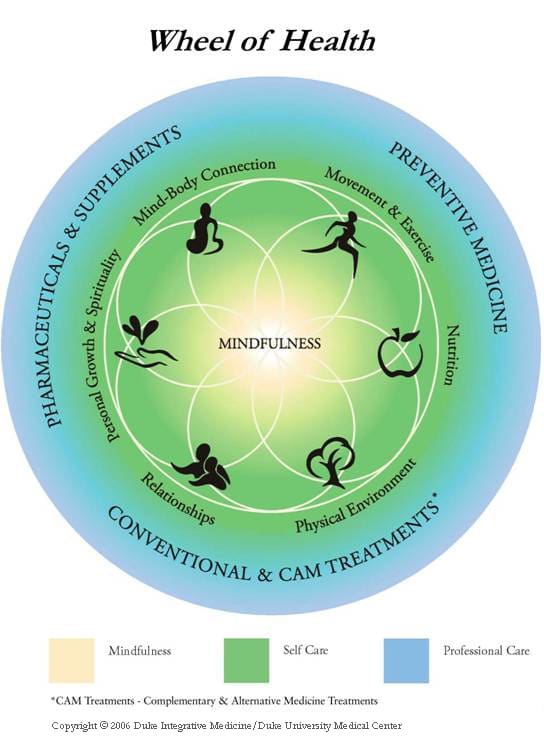
While mindfulness is often used as an alternative approach to medicine, it can also complement traditional medical treatments. Many healthcare professionals recommend mindfulness practices to their patients as a way to support their overall well-being and enhance the effectiveness of their treatments. Here are some ways that mindfulness can work in conjunction with traditional medicine:
Stress Reduction
Mindfulness has been shown to reduce stress levels, which can have a positive impact on both physical and mental health. By practicing mindfulness, you can learn to manage stress more effectively, which can help with a wide range of health conditions.
Pain Management
Mindfulness can be an effective tool for managing chronic pain. By tuning into the present moment and cultivating awareness of your body, you can develop new ways to cope with pain and reduce its impact on your daily life.
Enhanced Healing
Studies have shown that mindfulness practices can support the body’s natural healing processes. By reducing stress and promoting relaxation, mindfulness can enhance the body’s ability to recover from illness or injury.
Improved Communication
Mindfulness can also improve communication between patients and healthcare providers. By practicing active listening and being fully present in conversations, you can build stronger relationships with your healthcare team and enhance the effectiveness of your treatment plan.

Mindfulness Apps and Resources
If you’re looking to incorporate mindfulness into your wellness routine, there are a wide range of apps and resources available to support your practice. Here are some popular mindfulness apps that you can explore:
Headspace
Headspace offers guided meditations, mindfulness exercises, and sleep support to help you cultivate mindfulness in your daily life. The app features a variety of programs to address different aspects of well-being, such as stress, anxiety, and sleep.
Calm
Calm provides guided meditations, breathing exercises, sleep stories, and music to promote relaxation and mindfulness. The app also offers programs for managing stress, improving sleep quality, and enhancing focus and concentration.
Insight Timer
Insight Timer offers a vast library of guided meditations, mindfulness practices, and talks from mindfulness teachers around the world. The app features a timer function for silent meditation and a community aspect for connecting with other mindfulness practitioners.
Simple Habit
Simple Habit offers guided meditations for various aspects of well-being, such as stress relief, sleep support, and emotional well-being. The app also features short meditations for busy schedules and on-the-go mindfulness practices.
Conclusion
In conclusion, mindfulness can be a powerful tool for supporting your overall well-being and health, especially when used as an alternative approach to medicine. By incorporating mindfulness practices into your daily routine, you can reduce stress, improve mood, enhance focus, and cultivate a deeper connection with yourself and the world around you. Whether you practice meditation, body scans, mindful eating, or walking meditation, there are many ways to bring mindfulness into your life and experience its benefits. So why not give it a try and see how mindfulness can transform your wellness routine for the better? The possibilities are endless when you embrace the power of mindfulness for alternative medicine.