
Welcome to a comprehensive guide on how to use Reiki for holistic healing. Reiki is a Japanese healing technique that promotes balance and relaxation on physical, emotional, mental, and spiritual levels. By channeling universal life force energy through hands-on or distance healing sessions, Reiki can help restore harmony within the body, mind, and spirit. Whether you are a beginner or experienced practitioner, this article will provide you with the necessary tools and techniques to incorporate Reiki into your daily self-care routine and enhance your overall well-being.
How To Use Reiki For Holistic Healing
Have you ever heard of Reiki and wondered how it can help with holistic healing? In this article, we will explore the basics of Reiki and how you can use it for overall well-being and healing. From understanding the principles of Reiki to learning how to practice it on yourself, you’ll discover the power of this ancient healing technique.

What is Reiki?
Reiki is a form of energy healing that originated in Japan in the early 20th century. The word “Reiki” can be broken down into two parts: “Rei,” which means universal, and “Ki,” which refers to life force energy. In essence, Reiki is a holistic healing therapy that channels this universal life force energy through the practitioner’s hands to promote balance and healing in the recipient’s body, mind, and spirit.
The Five Principles of Reiki
Before delving into the practice of Reiki, it’s important to understand the five principles that serve as the foundation of this healing modality:
- Just for today, I will not anger.
- Just for today, I will not worry.
- Just for today, I will be grateful.
- Just for today, I will do my work honestly.
- Just for today, I will be kind to every living thing.
Embracing these principles helps cultivate a sense of mindfulness, compassion, and intentionality in your Reiki practice, allowing for a deeper connection to the healing energy.
How Does Reiki Work?
Reiki works by activating the body’s natural healing processes through the channeling of energy. A Reiki practitioner acts as a conduit for this healing energy, which flows through their hands and into the recipient’s body. This energy helps to clear blockages, release tension, and restore balance to the body’s energy centers, known as chakras.
By balancing the flow of energy within the body, Reiki promotes relaxation, reduces stress, and supports the body’s natural ability to heal itself. It is a gentle and non-invasive form of therapy that can be used in conjunction with other healing modalities to enhance overall well-being.
The Benefits of Reiki for Holistic Healing
The benefits of Reiki for holistic healing are vast and varied, encompassing physical, emotional, mental, and spiritual aspects of well-being. Some of the key benefits of Reiki include:
- Stress reduction and relaxation
- Pain relief
- Improved sleep
- Increased energy and vitality
- Emotional healing and release
- Enhanced mental clarity and focus
- Spiritual growth and connection
By addressing the root causes of imbalance and disharmony in the body, Reiki helps to create a state of overall wellness that supports healing on every level.
How To Practice Reiki on Yourself
One of the great things about Reiki is that you can easily practice it on yourself to promote self-healing and well-being. Here are some simple steps to help you get started with self-Reiki:
- Find a quiet and comfortable space where you can relax without any distractions.
- Sit or lie down in a comfortable position, close your eyes, and take a few deep breaths to center yourself.
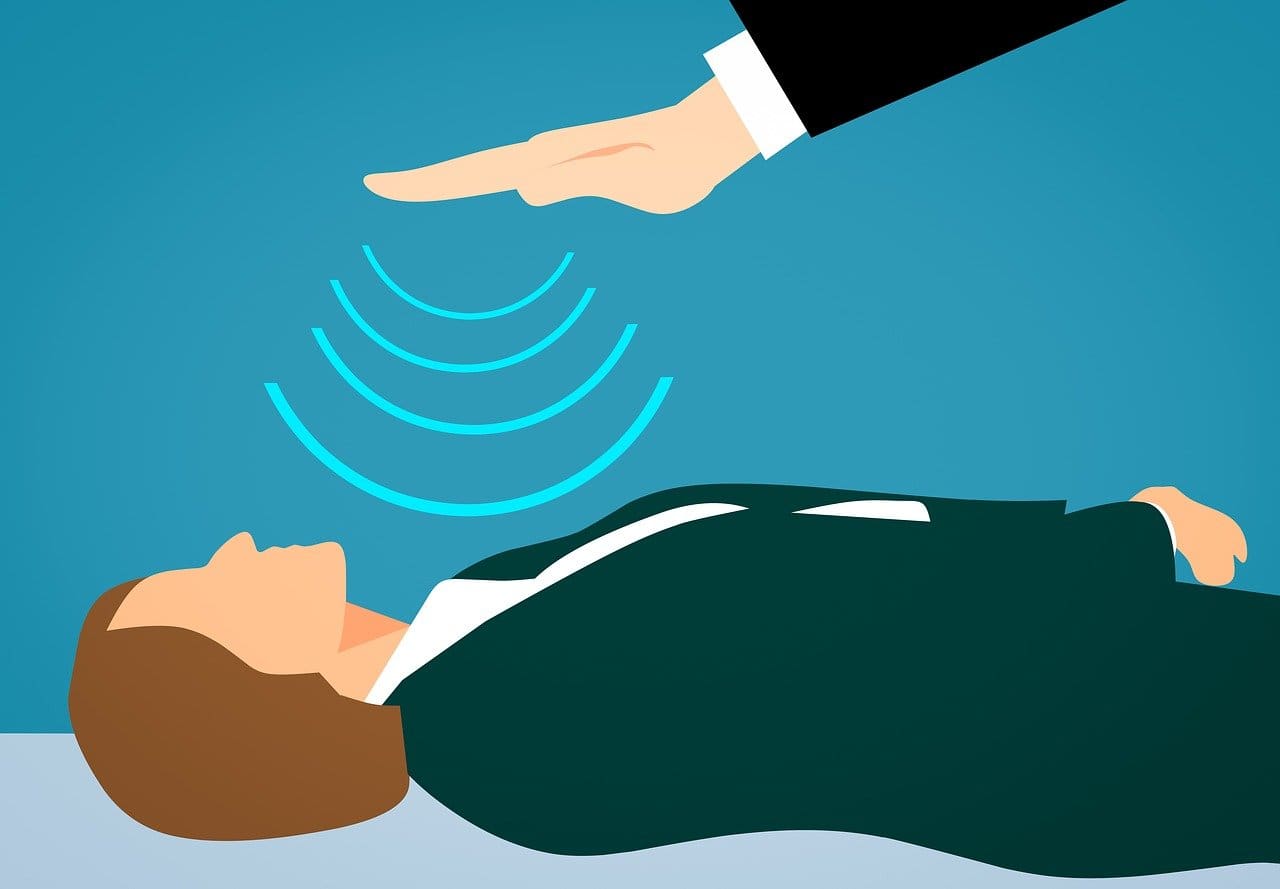
- Place your hands on different parts of your body, starting with your head and moving down to your feet. You can either hover your hands slightly above your body or lightly touch your skin.
- As you place your hands on each part of your body, envision the flow of healing energy moving through you and promoting balance and harmony.
- Spend at least 5-10 minutes practicing self-Reiki, focusing on areas where you feel tension, discomfort, or imbalance.
Practicing self-Reiki regularly can help you cultivate a deeper connection to your own healing energy and support your overall well-being.
Reiki Healing Sessions with a Practitioner
While self-Reiki is a powerful practice for personal healing, receiving Reiki sessions from a trained practitioner can provide a deeper level of healing and support. During a Reiki session, the practitioner will work with your body’s energy centers to clear blockages, release tension, and promote balance and harmony.
A typical Reiki session involves lying down on a treatment table while the practitioner places their hands on or above your body in specific positions. You may experience sensations of warmth, tingling, or relaxation as the healing energy flows through you. The session is typically 60-90 minutes long, allowing for a thorough treatment of your physical, emotional, mental, and spiritual well-being.
Incorporating Reiki Into Your Daily Routine
In addition to self-Reiki sessions and practitioner-led treatments, there are many ways you can incorporate Reiki into your daily routine to support your holistic healing journey. Here are some simple practices that you can try:
- Start your day with a few minutes of self-Reiki to set a positive intention and promote balance and harmony.
- Place your hands on your food or water before consuming it to infuse it with healing energy and nourishment.
- Practice Reiki on your pets or plants to support their health and well-being.
- Create a Reiki-infused space in your home by placing crystals, candles, or other objects that hold positive energy.
These small but impactful practices can help you stay connected to the healing energy of Reiki throughout your day and enhance your overall sense of well-being.
Reiki and Other Healing Modalities
Reiki can be seamlessly integrated with other healing modalities to enhance the effectiveness of your holistic healing journey. Whether you use Reiki in conjunction with massage therapy, acupuncture, yoga, or other healing practices, it can help amplify the benefits of these treatments and support your overall well-being.
By combining the power of Reiki with other healing modalities, you can create a comprehensive and personalized healing plan that addresses your unique needs and promotes holistic wellness.
Reiki for Emotional Healing
Emotions play a significant role in our overall well-being, and Reiki can be a powerful tool for emotional healing and release. By channeling healing energy into the body’s energy centers, Reiki helps to clear stuck emotions, release past traumas, and promote emotional balance and well-being.
During a Reiki session, you may experience a release of pent-up emotions, feelings of relaxation and peace, or a sense of emotional catharsis. These experiences are all part of the healing process, allowing you to let go of what no longer serves you and create space for positive emotions and healing energy to flow.
Reiki and Spiritual Growth
Beyond physical and emotional healing, Reiki can also support your spiritual growth and connection to the divine. By opening yourself up to the universal life force energy of Reiki, you can tap into a deeper sense of purpose, meaning, and connection to something greater than yourself.
Practicing Reiki regularly can help you cultivate a sense of mindfulness, gratitude, and compassion in your daily life, leading to a deeper spiritual awareness and understanding. Whether you are on a spiritual path or seeking greater connection to the universe, Reiki can support you in your journey toward spiritual growth and enlightenment.
Finding a Reiki Practitioner
If you are interested in receiving Reiki treatments from a trained practitioner, it’s important to find someone who is reputable, skilled, and experienced in this healing modality. Here are some tips for finding a qualified Reiki practitioner:
- Ask for recommendations from friends, family, or healthcare providers.
- Research local Reiki practitioners online and read reviews from past clients.
- Schedule a consultation or introductory session to get a sense of the practitioner’s approach and style.
- Trust your intuition and choose a practitioner who resonates with you on a personal level.
Finding the right Reiki practitioner can make a significant difference in the quality of your healing experience and the effectiveness of your treatments.
Conclusion
In conclusion, Reiki is a powerful and transformative healing modality that can support your holistic well-being on every level. Whether you practice self-Reiki, receive treatments from a practitioner, or integrate Reiki with other healing modalities, it has the potential to enhance your physical, emotional, mental, and spiritual health.
By embracing the principles of Reiki, cultivating a deeper connection to your own healing energy, and seeking support from trained practitioners, you can tap into the healing power of Reiki and experience profound levels of healing and transformation in your life. Remember, the key to using Reiki for holistic healing is to open yourself up to the universal life force energy that flows through you and all living things, and allow it to support your healing journey from the inside out.