
Exercising in the heat can provide a satisfying and invigorating workout experience, but it’s essential to keep a few important considerations in mind to ensure your safety and well-being. From staying hydrated and wearing appropriate clothing to taking breaks and listening to your body, this article explores key tips for exercising in hot weather. By cultivating a mindful and responsible approach, you can maximize the benefits of your workout while minimizing the risks associated with exercising in the heat.
Hydration
Drink plenty of water before, during, and after exercise
Proper hydration is essential when exercising in the heat. Before your workout, make sure to drink plenty of water to ensure that your body is adequately hydrated. During your workout, be sure to take regular water breaks to stay hydrated and replenish any fluids lost through sweat. After your workout, continue to drink water to rehydrate your body. Staying hydrated will help regulate your body temperature and prevent dehydration.
Avoid alcohol and caffeine
While you may enjoy a refreshing iced coffee or a cold beer on a hot day, it’s best to avoid alcohol and caffeine when exercising in the heat. Both alcohol and caffeine can dehydrate your body, which can increase the risk of heat-related illnesses. Instead, opt for water or other non-caffeinated and non-alcoholic beverages to stay properly hydrated.
Consider sports drinks for longer workouts
For longer workouts or intense physical activities lasting longer than an hour, consider incorporating sports drinks into your hydration routine. Sports drinks contain electrolytes and carbohydrates that can help replenish the nutrients and energy your body needs during extended periods of exercise. However, for shorter workouts, water should be sufficient in keeping you hydrated.
Clothing
Wear lightweight, breathable fabrics
When exercising in the heat, it’s important to choose the right clothing to keep you cool and comfortable. Opt for lightweight, breathable fabrics such as cotton or moisture-wicking materials. These fabrics allow sweat to evaporate quickly, helping to regulate your body temperature and prevent overheating.
Opt for light-colored clothing to reflect heat
Dark-colored clothing absorbs more heat from the sun, making you feel hotter during your workout. Opt for light-colored clothing that reflects heat instead. Light colors, such as white or pastels, help to keep you cooler by reflecting sunlight away from your body.
Protect your head and neck with a hat or bandana
To protect yourself from the sun and prevent overheating, wear a hat or bandana to shield your head and neck from direct sunlight. Choose a hat with a wide brim to provide ample shade and keep your head cool. Additionally, a bandana soaked in cool water can be wrapped around your neck to help lower your body temperature.
Sun Protection
Apply sunscreen with a high SPF
When exercising outdoors, especially during peak sun hours, it’s crucial to protect your skin from harmful UV rays. Apply sunscreen with a high SPF (Sun Protection Factor) to all exposed areas of your skin. Ensure that the sunscreen is water-resistant, and reapply every two hours or after sweating excessively.
Wear sunglasses to protect your eyes from UV rays
Your eyes are also at risk of damage from the sun’s UV rays. Choose a pair of sunglasses that offer 100% UVA and UVB protection. Wearing sunglasses not only protects your eyes from the sun but also reduces eye strain from the bright light, allowing you to exercise comfortably.
Seek shade during peak sun hours
During the peak sun hours, typically between 10 am and 4 pm, the heat and UV levels are at their highest. To minimize your exposure to the sun, try to find shaded areas to exercise. This can be under trees, in the shadow of buildings, or using covered outdoor facilities. Taking breaks in shaded areas can help prevent overheating and reduce the risk of sunburn.
Timing
Avoid exercising during the hottest part of the day
Exercising during the hottest part of the day increases your chances of experiencing heat-related illnesses. Try to schedule your workouts during cooler times of the day, such as early morning or late evening when the temperature is lower. This way, you can avoid the peak heat and enjoy a more comfortable and safer workout.
Consider early morning or late evening workouts
Early morning and late evening are generally cooler times of the day, making it ideal for exercising in the heat. The temperatures are typically lower, and there is often a gentle breeze that can make your workout more enjoyable. Consider adjusting your schedule to fit in your workouts during these times to take advantage of the cooler weather.
Check weather forecasts for extreme heat warnings
Before heading out for your workout, it’s essential to check the weather forecast for any extreme heat warnings or heat advisories. Heatwaves can bring dangerously high temperatures, making outdoor exercise risky. If there are extreme heat warnings, consider moving your workout indoors or adjusting your training plans to ensure your safety.
Cooling Strategies
Use cooling towels or ice packs to lower body temperature
If you find yourself feeling overheated during your workout, using cooling towels or ice packs can help lower your body temperature. Cooling towels are designed to stay cold for an extended period and can be draped around your neck or forehead. Ice packs wrapped in a towel can also be applied to areas like your wrists or the back of your neck to cool down quickly.
Take frequent breaks in shaded areas
To prevent overheating and avoid heat-related illnesses, take frequent breaks in shaded areas during your workout. This allows your body to cool down and helps regulate your body temperature. Resting in the shade also provides an opportunity to rehydrate and recharge before continuing with your exercise routine.
Consider indoor or water-based workouts
On extremely hot days, it may be best to consider alternative workout options. Indoor activities like swimming, indoor cycling, or yoga classes can provide a cooler environment while still allowing you to get a great workout. Water-based workouts like swimming or aqua aerobics are particularly effective in staying cool and reducing the risk of overheating.
Gradual Acclimatization
Start with shorter and less intense workouts in the heat
When exercising in hot weather, it’s important to gradually acclimate your body to the heat. Start with shorter and less intense workouts to allow your body to adapt. This will give your body time to adjust and build tolerance to the higher temperatures. As your body becomes more accustomed to the heat, you can gradually increase the duration and intensity of your workouts.
Gradually increase duration and intensity over time
As your body adapts to the heat, you can gradually increase the duration and intensity of your workouts. Increase the length of your workout sessions or incorporate more challenging exercises to continue challenging your body while exercising in the heat. Be mindful of your body’s response and make adjustments accordingly to prevent heat-related issues.
Allow your body to adapt to the heat before pushing too hard
It’s crucial to listen to your body and allow it enough time to adapt to the heat before pushing yourself too hard. Pushing yourself too quickly or excessively in hot conditions can increase the risk of heat exhaustion or heatstroke. Be patient with your progress and prioritize your health and safety above all else.
Listen to Your Body
Pay attention to signs of heat exhaustion or heat stroke
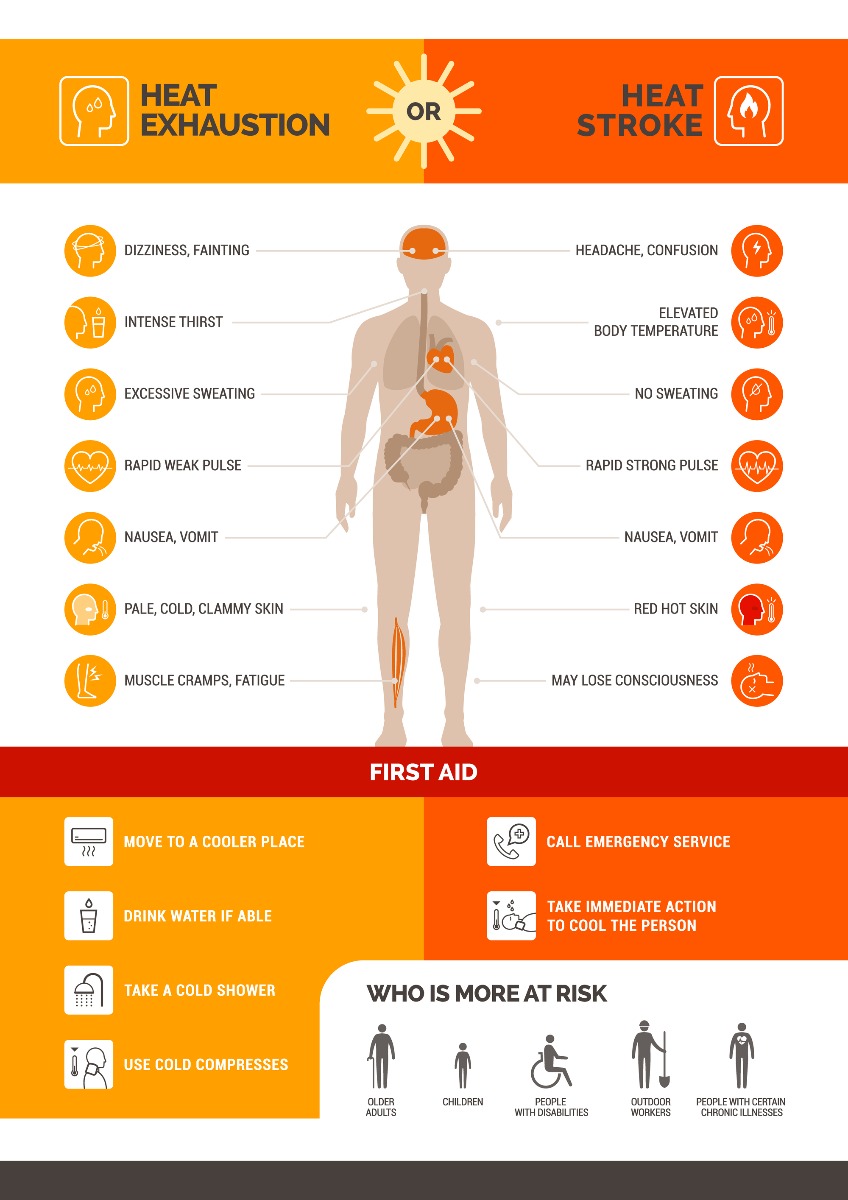
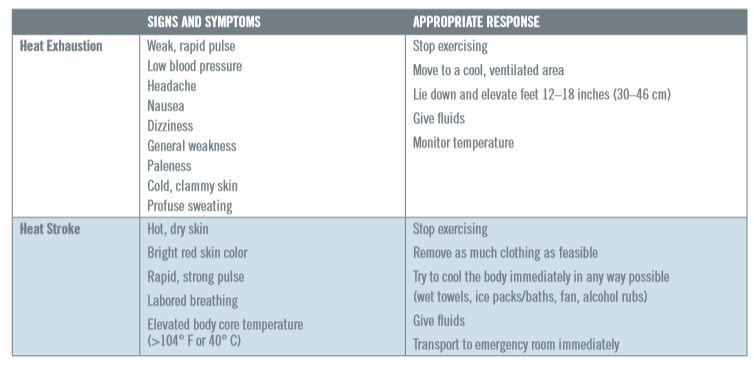
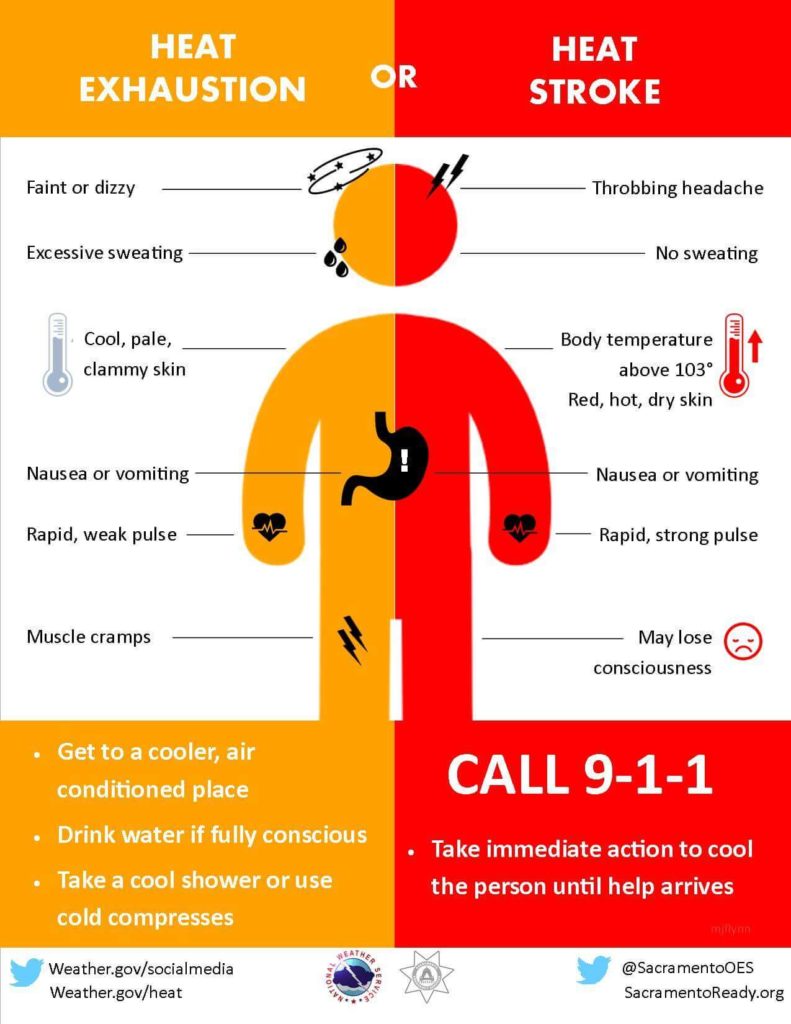
It’s essential to pay attention to your body and be aware of any signs of heat exhaustion or heat stroke. Symptoms of heat exhaustion include excessive sweating, dizziness, nausea, weakness, and headaches. Heat stroke, which is more severe, can cause high body temperature, confusion, rapid breathing, and even loss of consciousness. If you experience any of these symptoms, stop exercising immediately and seek shade and medical attention if needed.
Stop exercising if you experience dizziness, nausea, or headache
If you start to experience dizziness, nausea, or headache during your workout, it’s essential to listen to your body and stop exercising. These are common signs of heat-related illnesses and an indication that your body needs to cool down and recover. Rest in a shaded area, drink water, and wait until you feel better before resuming any physical activity.
Seek medical attention if symptoms persist
If your symptoms persist or worsen, it’s important to seek medical attention. Heat-related illnesses can be serious and require prompt medical care. If you’re experiencing severe symptoms such as rapid breathing, confusion, or loss of consciousness, call for emergency medical assistance immediately.
Buddy System
Exercise with a partner for safety
Exercising with a partner is not only more enjoyable but also safer, especially when exercising in the heat. Having someone with you can provide both support and help monitor each other for any signs of overheating or distress. In case of an emergency, your exercise buddy can assist in seeking help.
Keep an eye on each other for signs of overheating
While exercising with a partner, it’s important to keep an eye on each other for signs of overheating or heat-related illnesses. Check in regularly and communicate openly about how you’re feeling during your workout. If you notice any symptoms or signs of distress in your exercise partner, encourage them to stop and rest in a shaded area.
Call for help if needed
If you or your exercise partner experience severe symptoms of heat-related illnesses or any other medical emergency, don’t hesitate to call for help. Dial emergency services or seek assistance from nearby individuals. It’s important to prioritize your safety and well-being in any situation.
Proper Fueling
Eat a balanced meal before exercising in the heat
Before heading out for your workout in the heat, it’s crucial to fuel your body properly. Eat a balanced meal consisting of carbohydrates, lean protein, and healthy fats. Carbohydrates provide energy, protein aids in muscle recovery, and healthy fats help sustain energy levels. A well-nourished body is better equipped to handle the demands of exercise in the heat.
Consider lighter, more easily digestible snacks
During longer workouts or intense activities in the heat, consider consuming lighter, more easily digestible snacks. Opt for fruits, energy bars, or yogurt, which offer quick energy and are easier on the stomach. Avoid heavy or greasy foods that may cause digestive discomfort or make you feel sluggish during your workout.
Replenish electrolytes with fruits and veggies
Sweating during exercise leads to the loss of electrolytes, which are essential for proper muscle function. To replenish these electrolytes, incorporate fruits and vegetables into your post-workout meals or snacks. Fruits like bananas and watermelon, as well as vegetables like spinach and sweet potatoes, are rich in electrolytes such as potassium and magnesium. These foods will help restore electrolyte balance in your body.
Training Modifications
Adjust your workout intensity and duration in hotter temperatures
In hotter temperatures, it’s important to adjust your workout intensity and duration. High-intensity or long-duration workouts can increase the risk of overheating and heat-related illnesses. Consider reducing the intensity or duration of your workouts to allow your body to adapt to the heat gradually. Focus on maintaining an appropriate level of intensity that aligns with the current weather conditions.
Focus on low-impact exercises to reduce heat stress
High-impact exercises can put additional stress on your body in the heat. Consider incorporating low-impact exercises into your workout routine, such as swimming, yoga, or cycling. These exercises provide a great cardiovascular workout while reducing the impact on your joints and minimizing heat stress on your body.
Consult with a trainer or coach for personalized advice
If you’re unsure about how to modify your workouts in the heat or have specific concerns, it’s best to consult with a qualified trainer or coach. They can provide personalized advice based on your fitness level, goals, and any medical conditions you may have. A professional can help you create a training plan that optimizes your performance while minimizing the risks associated with exercising in the heat.
Exercising in the heat can be challenging, but by following these important considerations, you can stay safe, enjoy your workouts, and make the most of your outdoor activities. Remember to prioritize hydration, sun protection, and listening to your body. With proper preparation, you can continue to exercise and stay fit while embracing the beauty of the great outdoors. Stay cool and have a fantastic workout!
