
Welcome to an article that will provide you with important considerations for exercising with a chronic illness. Living with a chronic illness can present unique challenges when it comes to staying active, but with the right approach and considerations, you can still enjoy the benefits of exercise while managing your condition effectively. From listening to your body to choosing the right type of exercise, we will explore key factors to keep in mind as you navigate your fitness journey with a chronic illness. Let’s discover how you can prioritize your health and well-being through safe and effective exercise strategies.
Important Considerations For Exercising With A Chronic Illness
Have you been diagnosed with a chronic illness and are unsure about how to incorporate exercise into your daily routine? Exercising with a chronic illness can be challenging, but with the right approach and mindset, it is possible to stay active and improve your overall health. In this article, we will discuss some important considerations for exercising with a chronic illness to help you navigate this journey with confidence.

Understanding Your Chronic Illness
Before embarking on any exercise routine, it is essential to understand your chronic illness and how it may impact your ability to exercise. Consult with your healthcare provider or a fitness professional to gain insight into your specific condition and any limitations you may have. By understanding your illness, you can tailor your exercise routine to suit your needs and avoid any potential risks or complications.
Setting Realistic Goals
When it comes to exercising with a chronic illness, it is crucial to set realistic and achievable goals. Start by setting small, attainable goals that align with your current fitness level and health status. Gradually increase the intensity and duration of your workouts as you build strength and endurance. By setting realistic goals, you can track your progress and stay motivated on your fitness journey.
Choosing the Right Type of Exercise
Not all types of exercise are suitable for individuals with chronic illnesses. It is essential to choose low-impact activities that are gentle on the body and do not exacerbate your symptoms. Consider activities such as walking, swimming, yoga, or cycling, which can help improve cardiovascular fitness, flexibility, and strength without putting excessive strain on your body. Consult with your healthcare provider or a fitness professional to determine the best type of exercise for your specific needs.
Listening to Your Body
When exercising with a chronic illness, it is important to listen to your body and pay attention to any signals it may be sending. If you experience pain, fatigue, dizziness, or shortness of breath during exercise, stop immediately and take a break. Pushing through discomfort can lead to injury or exacerbate your symptoms. Remember that it is okay to modify or skip certain exercises if they are causing you distress. Always prioritize your health and well-being above all else.
Scheduling Regular Rest Days
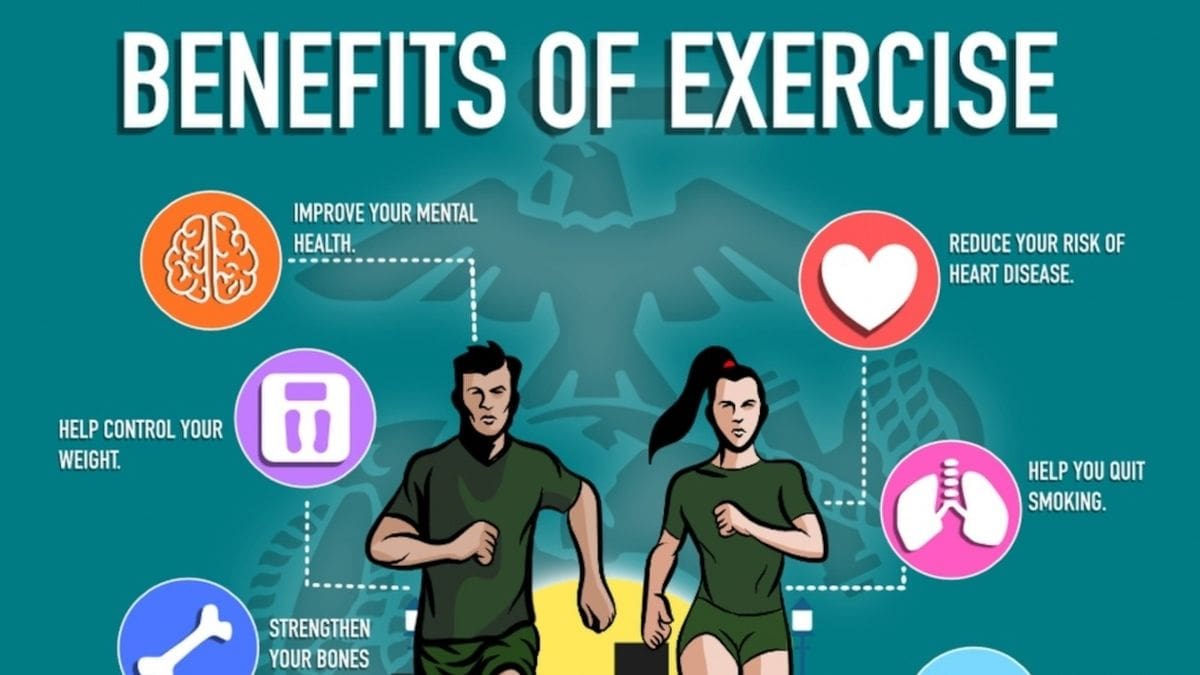
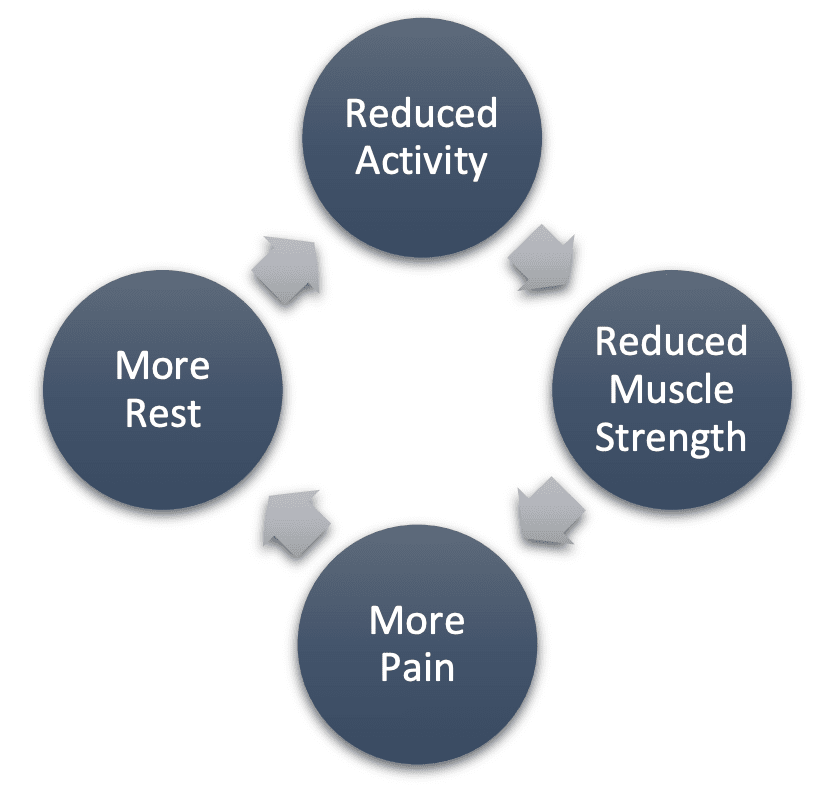
Rest is an essential part of any exercise routine, especially for individuals with chronic illnesses. Schedule regular rest days in between your workouts to allow your body time to recover and repair. Rest days are crucial for preventing burnout, reducing the risk of injury, and replenishing your energy levels. Listen to your body and take breaks when needed to avoid overexertion.
Staying Hydrated
Proper hydration is essential for individuals with chronic illnesses, especially when engaging in physical activity. Dehydration can exacerbate symptoms and lead to fatigue, muscle cramps, and dizziness. Make sure to drink an adequate amount of water before, during, and after your workouts to stay hydrated and maintain optimal performance. Listen to your body’s signals and drink water as needed to prevent dehydration.
Incorporating Strength Training
Strength training is an important component of any exercise routine, particularly for individuals with chronic illnesses. Building muscle strength can help improve posture, balance, and overall function, reducing the risk of injury and enhancing your quality of life. Consider incorporating light resistance exercises using weights, resistance bands, or bodyweight exercises to strengthen your muscles and improve your physical fitness. Start with low weights and gradually increase the resistance as you progress.
Finding a Support System
Exercising with a chronic illness can be challenging, both physically and emotionally. It is essential to find a support system that understands and encourages your fitness journey. Whether it’s a friend, family member, healthcare provider, or a support group, having a support system can provide motivation, accountability, and emotional support. Surround yourself with positive influences that will empower you to stay active and committed to your fitness goals.
Monitoring Your Progress
Tracking your progress is essential for staying motivated and accountable on your fitness journey. Keep a workout journal or use a fitness app to record your workouts, progress, and any changes in your symptoms. Monitoring your progress can help you identify patterns, set new goals, and celebrate your achievements along the way. Remember that progress may be slow and gradual, but consistency and perseverance are key to long-term success.
Seeking Professional Guidance
When in doubt, seek professional guidance from a healthcare provider, physical therapist, or fitness professional who specializes in working with individuals with chronic illnesses. These professionals can provide personalized exercise recommendations, modifications, and support to help you navigate your fitness journey safely and effectively. They can also help you address any concerns or questions you may have about exercising with a chronic illness, ensuring that you have the tools and knowledge to exercise confidently.
In conclusion, exercising with a chronic illness requires careful planning, patience, and perseverance. By understanding your chronic illness, setting realistic goals, choosing the right type of exercise, and listening to your body, you can stay active and improve your overall health. Remember to prioritize your well-being, seek support when needed, and monitor your progress along the way. With the right approach and mindset, you can incorporate exercise into your daily routine and enjoy the many benefits it has to offer. Stay dedicated, stay positive, and stay active on your fitness journey!
