
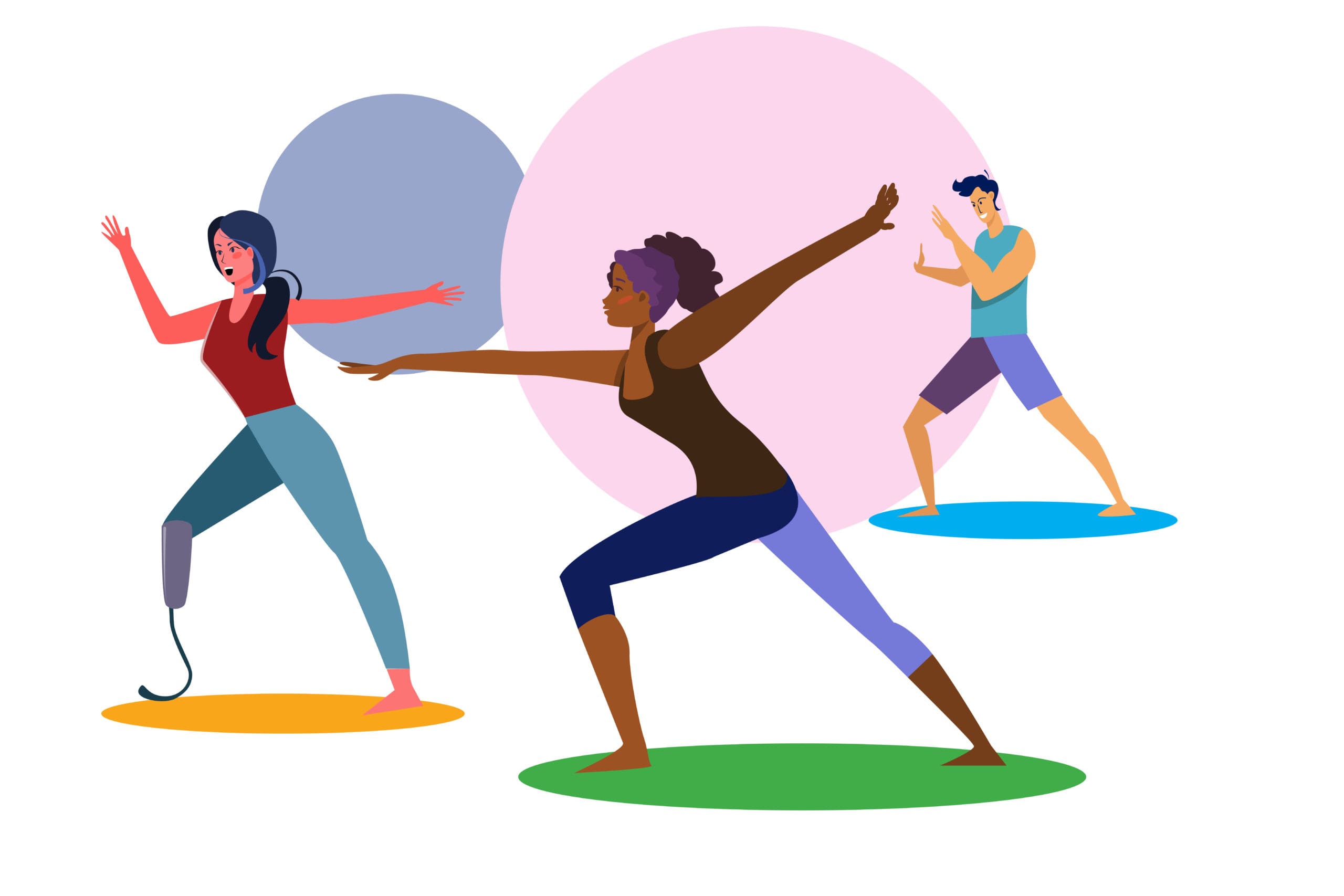
Want to add a little more mindfulness to your day? Look no further than incorporating mindful movement into your daily routine. Whether it’s taking a few moments to stretch in the morning or going for a mindful walk during your lunch break, these simple practices can have a big impact on your overall well-being. By being present in your body and focusing on the sensations of movement, you can reduce stress, increase mental clarity, and improve your physical health. So why wait? Start incorporating mindful movement into your day and experience the benefits for yourself.
Benefits of Mindful Movement
Improved physical health
Incorporating mindful movement into your daily routine can greatly improve your physical health. Engaging in activities such as yoga, Tai Chi, Qi Gong, Pilates, walking meditation, and dance therapy can help increase flexibility, strength, and balance. These practices involve gentle movements that work your muscles and joints, improving your overall fitness level. Mindful movement also promotes better circulation, which can boost your immune system and help prevent illnesses.
Reduced stress and anxiety
One of the major benefits of mindful movement is its ability to reduce stress and anxiety. When you engage in activities like yoga or Tai Chi, you focus on your breath and the movements of your body, which helps calm your mind and relax your nervous system. Mindful movement allows you to shift your focus away from the thoughts that may be causing stress and anxiety, providing a much-needed mental break. Regular practice of mindful movement can help you develop a deeper sense of peace and tranquility.
Enhanced mental clarity
Another advantage of incorporating mindful movement into your daily routine is the improvement in mental clarity. By engaging in activities that require you to focus on your body and breath, you cultivate a greater sense of presence and awareness. This increased mindfulness can improve your concentration and cognitive function, allowing you to think more clearly and make better decisions. The combination of physical movement and mental focus during mindful movement practices can also boost creativity and problem-solving abilities.
Types of Mindful Movement
Yoga
Yoga is a popular form of mindful movement that combines physical postures, breathing exercises, and meditation. It is known for its ability to improve strength, flexibility, and balance while promoting relaxation and stress reduction. There are various styles and levels of yoga, making it accessible to people of all ages and fitness levels.
Tai Chi
Tai Chi is a gentle form of martial arts that originated in ancient China. It involves a series of slow, flowing movements combined with deep breathing and mental focus. Tai Chi is often described as “meditation in motion” and is known for its ability to improve balance, reduce stress, and enhance overall well-being.
Qi Gong
Similar to Tai Chi, Qi Gong is a practice that combines gentle movements, deep breathing, and meditation. It focuses on cultivating and balancing the body’s vital energy, or “qi”. Qi Gong exercises can be done in a standing, sitting, or lying down position, making it suitable for people of all fitness levels and physical abilities.
Pilates
Pilates is a mindful movement practice that focuses on core strength, flexibility, and body awareness. It incorporates a series of controlled movements that target specific muscle groups, with an emphasis on proper alignment and breathing. Regular practice of Pilates can improve posture, enhance body coordination, and increase overall strength and flexibility.
Walking meditation
Walking meditation is a form of mindful movement that involves walking slowly and deliberately while paying attention to your body and breath. It can be done indoors or outdoors, and provides an opportunity to cultivate mindfulness while engaging in a simple and accessible activity. Walking meditation is particularly beneficial for those who find sitting meditation challenging or prefer a more active form of mindfulness practice.
Dance therapy
Dance therapy is a form of movement therapy that integrates dance and psychology. It combines movement, music, and creative expression to promote emotional, mental, and physical well-being. Dance therapy is often used as a therapeutic intervention for individuals dealing with emotional issues, trauma, or mental health conditions. Engaging in mindful movement through dance can provide a powerful outlet for self-expression, self-discovery, and healing.
Choosing the Right Mindful Movement Practice
When selecting a mindful movement practice to incorporate into your daily routine, it’s important to consider your physical abilities, preferences, and goals. Here are some factors to keep in mind:
Consider your physical abilities
Choose a practice that aligns with your current physical abilities and any specific limitations or conditions you may have. Some practices, like yoga and Pilates, offer modifications and variations to accommodate different levels of fitness and flexibility. If you have any concerns or are unsure about which practice is best for you, consult with a healthcare professional or a certified instructor.
Find an activity that resonates with you
To ensure long-term commitment and enjoyment, choose a mindful movement practice that resonates with you on a personal level. Consider your interests, preferences, and values. For example, if you enjoy the meditative aspect of movement, practices like Tai Chi or Qi Gong may be a good fit. If you prefer a more dynamic and energetic practice, dance therapy or vinyasa yoga might be more suitable.
Seek professional guidance if needed
If you’re new to mindful movement or have specific health concerns, it’s advisable to seek professional guidance. Certified instructors or therapists can provide personalized guidance, ensure proper form and technique, and help you progress safely. They can also offer modifications or adaptations based on your individual needs and goals.
Integrating Mindful Movement into Your Daily Routine
To make mindful movement a regular part of your life, here are some strategies to help you incorporate it into your daily routine:
Set aside dedicated time
Allocate specific time slots in your schedule for mindful movement practice. Treat it as a non-negotiable commitment to yourself and prioritize it just like you would any other important activity. This dedicated time will help you establish a consistent routine and make it easier to stick to your practice.
Start with small steps
If you’re new to mindful movement, start with small achievable goals. Begin with shorter practice sessions or choose practices that are less physically demanding. Gradually increase the duration or intensity as your comfort level and stamina improve. Starting small helps prevent overwhelm and ensures a positive experience.
Create a supportive environment
Create a physical environment that supports your mindful movement practice. Set up a comfortable space with minimal distractions, such as clutter or excessive noise. Consider incorporating elements that enhance relaxation and focus, such as soft lighting, calming music, or essential oils. A peaceful and inviting environment can help you enter a state of mindfulness more easily.
Combine mindful movement with other activities
Integrate mindful movement into your daily activities. For example, you can practice deep breathing exercises or body scan meditation during your commute or daily chores. Take short breaks throughout the day to stretch or engage in a quick walking meditation. By incorporating mindful movement into your existing routines, you make it a seamless part of your daily life.
Mindful Movement Techniques for Beginners
If you’re new to mindful movement, here are some techniques that are particularly well-suited for beginners:
Deep breathing exercises
Deep breathing exercises are a simple and effective way to incorporate mindful movement into your daily routine. Find a comfortable seated position and focus on your breath. Take slow, deep breaths, allowing your belly to expand with each inhalation and contract with each exhalation. Pay attention to the sensation of breath entering and leaving your body, and let go of any distracting thoughts. Deep breathing exercises can be done for just a few minutes or extended for longer periods to enhance relaxation and focus.
Gentle stretching routines
Gentle stretching routines are an accessible way to incorporate mindful movement into your daily routine. Start with basic stretches that target different muscle groups, such as neck rolls, shoulder stretches, or hamstring stretches. Pay attention to the sensations in your body as you move and stretch. Focus on elongating your muscles and maintaining proper alignment. Stretching not only improves flexibility but also helps release tension and promote relaxation.
Body scan meditation
Body scan meditation is a practice that involves systematically scanning your body from head to toe, bringing awareness to each body part. Find a comfortable lying down position and begin by focusing on your breath. Inhale deeply, and as you exhale, shift your attention to your toes. Slowly move your attention up through your body, noticing any sensations or areas of tension. Bring a sense of curiosity and non-judgment to your experience. Body scan meditation can help increase body awareness and promote a sense of relaxation and presence.
Walking or standing meditation
Walking or standing meditation adds movement to your mindfulness practice. Begin by finding a quiet space where you can walk or stand without interruption. As you walk or stand, focus on the sensations in your feet, legs, and body. Pay attention to the movement, rhythm, and coordination of your steps. If you feel your mind wandering, gently bring your focus back to the physical sensations. Walking or standing meditation is an excellent way to cultivate mindfulness while engaging in everyday activities.
Tips for Sustaining a Mindful Movement Practice
To sustain a mindful movement practice over the long term, consider the following tips:
Set realistic goals
Set achievable and realistic goals for your mindful movement practice. Be honest with yourself about your current abilities and time constraints. Start with a frequency and duration that feels manageable for you, and gradually increase as you build consistency. By setting realistic goals, you set yourself up for success and avoid feelings of frustration or overwhelm.
Be consistent but flexible
Consistency is key when it comes to sustaining a mindful movement practice. Aim to practice regularly, even if it’s for a short duration. However, be open to adapting your practice to accommodate changes in your schedule or circumstances. Life can be unpredictable, and it’s important to be flexible and forgiving with yourself. Remember that any mindful movement, no matter how brief, is better than none at all.
Engage in self-reflection
Take time to reflect on your mindful movement practice on a regular basis. Notice any changes in your physical and mental well-being. Pay attention to how different practices or techniques resonate with you. Reflecting on your experience can help you fine-tune your practice, identify areas for growth, and maintain motivation and enthusiasm.
Join a community or find a buddy
Consider joining a mindful movement community or finding a practice buddy. Connecting with others who share your interest in mindful movement can provide support, accountability, and inspiration. You can attend group classes, workshops, or retreats focused on mindful movement. If in-person options are limited, virtual communities and online platforms offer opportunities to connect and learn from others on a similar mindful movement journey.
Mindful Movement for Specific Situations
Mindful movement can be adapted to specific situations to address unique needs and challenges. Here are some examples:
Mindful movement in the workplace
Incorporating mindful movement into your workday can help reduce stress, improve focus, and enhance productivity. Take short breaks throughout the day to stretch, practice deep breathing, or engage in a quick walking meditation. Consider incorporating standing or walking meetings to add movement and enhance creativity. Mindful movement in the workplace can create a more positive and balanced work environment.
Mindful movement for stress relief
When you’re feeling stressed, mindful movement can provide a much-needed break and help restore a sense of calm. Choose practices like gentle stretching, Tai Chi, or deep breathing exercises to release tension and promote relaxation. Engaging in mindful movement regularly can build resilience and help you better manage stress in your daily life.
Mindful movement for better sleep
If you struggle with sleep issues, mindful movement can help prepare your mind and body for a restful night’s sleep. Incorporate a calming practice like body scan meditation or gentle yoga stretches into your bedtime routine. Focus on relaxation and deep breathing to signal to your body that it’s time to wind down. Mindful movement before bed can promote a sense of relaxation, reduce racing thoughts, and improve sleep quality.
Mindful Movement and Mindfulness in Motion
The essence of mindful movement lies in the integration of mind and body, combining physical motion with mindful awareness. Here’s how mindful movement embodies the principles of mindfulness in motion:
Connecting mind and body
Mindful movement practices encourage a deep connection between your mind and body. You develop an increased awareness of the sensations, movements, and feelings in your body as you engage in different movements. By connecting your mind and body, you cultivate a sense of presence and mindfulness in your everyday life.
Focusing on the present moment
Mindful movement requires your attention to be fully engaged in the present moment. As you perform each movement, you concentrate on the sensations and the quality of your movements. By focusing on the present moment, you let go of worries about the past or future, allowing yourself to experience the richness of the here and now.
Enhancing self-awareness
Mindful movement practices enhance your self-awareness by inviting you to observe and notice how your body and mind feel during each movement. You become more attuned to your physical sensations, emotions, and thoughts. This heightened self-awareness can help you identify patterns, triggers, and areas for growth, both on and off the mat.
Mindful Movement and Mental Well-being
In addition to the general benefits of mindful movement, there are specific ways in which it can support mental well-being:
Reducing symptoms of depression and anxiety
Mindful movement practices have been shown to be effective in reducing symptoms of depression and anxiety. The combination of physical movement, focused breathing, and mental presence can help regulate mood and alleviate the symptoms of these mental health conditions. Mindful movement provides a positive and healthy outlet for managing and processing difficult emotions.
Managing chronic pain
Mindful movement can be particularly beneficial for managing chronic pain conditions. Practices like gentle stretching, Tai Chi, and Qi Gong can help improve flexibility, reduce muscle tension, and increase body awareness. By focusing on the present moment and the sensations in your body, mindful movement can shift your attention away from pain and provide a sense of relief and comfort.
Promoting emotional regulation
Mindful movement practices can support emotional regulation by enhancing your ability to navigate and manage your emotions. By bringing awareness to the physical sensations associated with different emotions, you can develop a greater understanding of your emotional landscape. Mindful movement allows you to approach your emotions without judgement, fostering a sense of acceptance and fostering emotional well-being.
Conclusion
Incorporating mindful movement into your daily routine can have a transformative impact on your overall well-being. Through improved physical health, reduced stress and anxiety, and enhanced mental clarity, mindful movement offers a holistic approach to cultivating a healthy mind-body connection. Whether you choose practices like yoga, Tai Chi, Qi Gong, Pilates, walking meditation, or dance therapy, the key is to find a practice that resonates with you, consider your physical abilities, and seek professional guidance if needed. With dedication, consistency, and a supportive environment, you can experience the many benefits of mindful movement and unlock the power of the mind-body connection in your everyday life. Start incorporating mindful movement today and embark on a journey of self-discovery, well-being, and transformation.