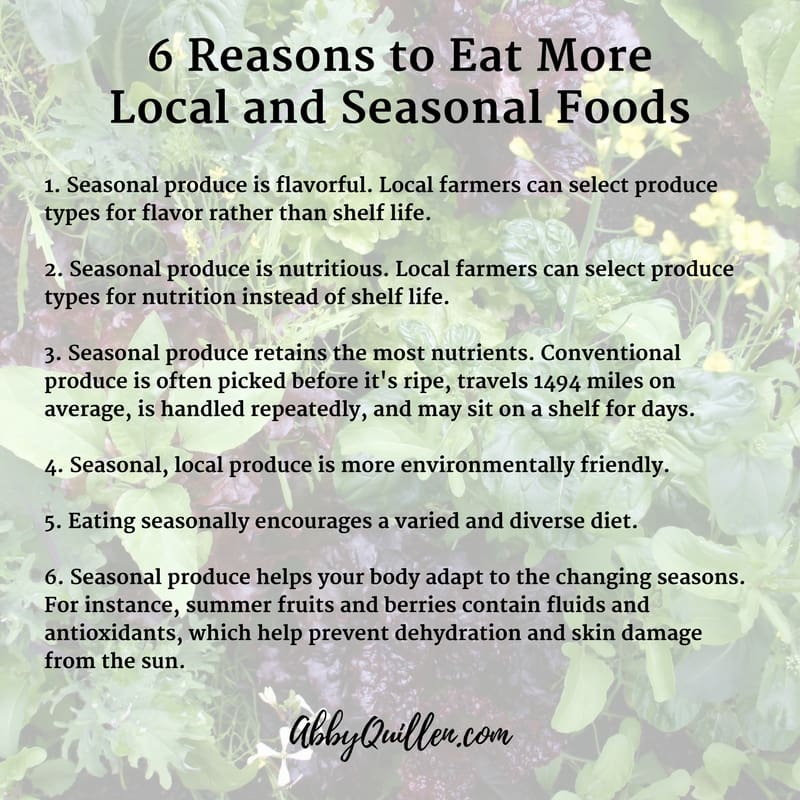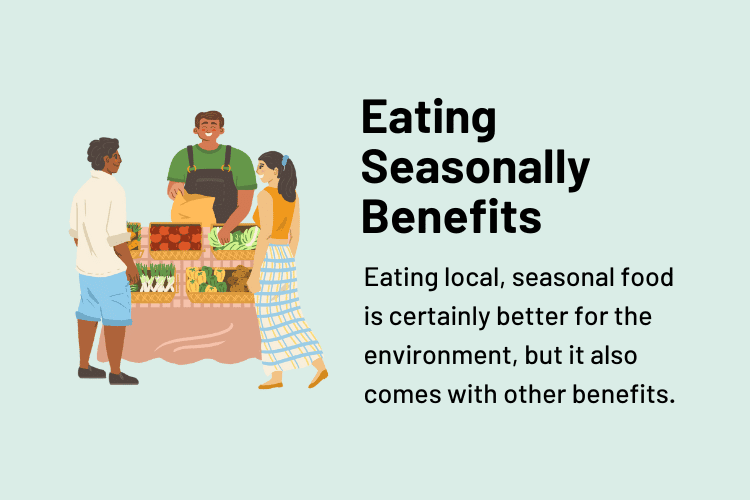
Welcome to an article that highlights the key benefits of eating seasonal produce! By choosing fruits and vegetables that are in season, you not only support local farmers but also ensure that you are getting the freshest and most nutrient-dense options available. From better taste and higher nutritional value to cost savings and environmental benefits, eating seasonal produce is a simple yet impactful way to improve your overall health and well-being. So next time you’re at the grocery store or farmers market, remember to scan for what’s in season and reap the rewards of eating fresh, local fruits and vegetables. Have you ever wondered why eating seasonal produce is beneficial for your health and the environment? Let’s explore the key benefits of incorporating locally grown fruits and vegetables into your diet.
Understanding Seasonal Produce
Eating seasonal produce means consuming fruits and vegetables that are grown and harvested at a specific time of the year when they are naturally ripe and ready for consumption. These foods are often more flavorful, nutritious, and affordable compared to their out-of-season counterparts that are imported from other regions or countries.
More Flavorful Options
When you choose to eat seasonal produce, you are selecting fruits and vegetables that have been allowed to fully ripen before being picked. This results in better-tasting produce with enhanced flavor profiles. Whether you enjoy the sweetness of fresh strawberries in the summer or the earthy richness of winter squash in the fall, eating seasonal produce allows you to savor the authentic taste of each fruit and vegetable at its peak.
Nutrient-Rich Choices
Seasonal produce is typically harvested at the peak of its nutritional value, meaning it is packed with essential vitamins, minerals, and antioxidants. By consuming fruits and vegetables when they are in season, you can optimize your nutrient intake and support your overall health and well-being. Plus, you’ll be able to explore a variety of produce options throughout the year, each offering its unique set of health benefits.
Environmental Benefits of Eating Seasonal Produce
In addition to being better for your taste buds and your health, eating seasonal produce also has positive impacts on the environment. Choosing locally grown fruits and vegetables can help reduce your carbon footprint, support local farmers, and promote sustainable agricultural practices.
Reduced Carbon Footprint
When you opt for seasonal produce that is grown and harvested near your location, you are supporting a more sustainable food system. Locally sourced fruits and vegetables require less transportation and refrigeration compared to imported produce, which helps reduce greenhouse gas emissions and energy consumption. By choosing seasonal options, you can contribute to lower carbon emissions and promote a more environmentally friendly way of eating.
Support for Local Farmers
Buying seasonal produce from local farmers and growers allows you to directly support small-scale agriculture in your community. By investing in local food systems, you can help sustain family-owned farms, foster local economies, and promote agricultural diversity. Plus, you’ll have the opportunity to connect with the individuals who grow your food, learn more about their farming practices, and appreciate the hard work that goes into producing fresh, seasonal produce.
Health Benefits of Eating Seasonal Produce
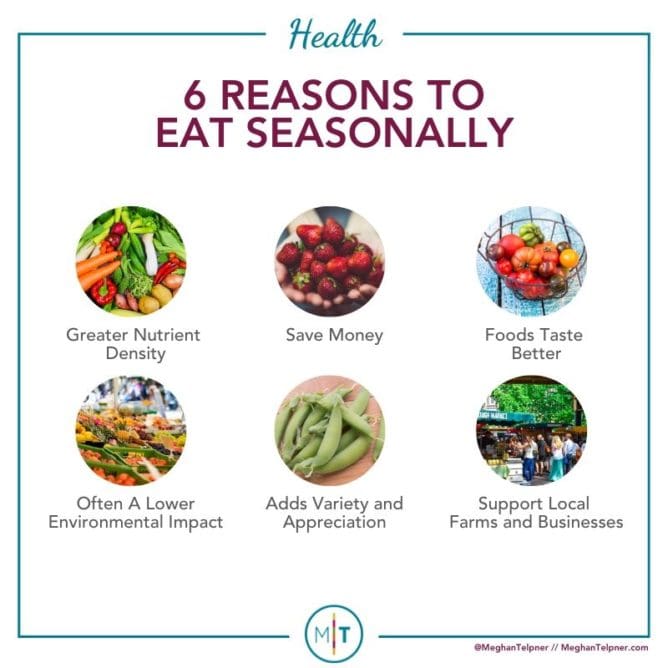
Incorporating seasonal produce into your diet can have a significant impact on your overall health and well-being. From boosting your immune system to improving digestion, these nutrient-rich fruits and vegetables offer a wide range of health benefits that can enhance your quality of life.
Immune System Support
Seasonal produce is often rich in immune-boosting vitamins and antioxidants that can help strengthen your body’s natural defenses. Fruits and vegetables like citrus fruits, bell peppers, and leafy greens are packed with vitamin C, vitamin A, and other essential nutrients that play a key role in supporting your immune system. By eating a variety of seasonal produce, you can help protect yourself against colds, flu, and other illnesses.
Digestive Health Benefits
Many seasonal fruits and vegetables are high in fiber, which is essential for maintaining a healthy digestive system. Fiber helps regulate bowel movements, prevent constipation, and support gut health by feeding beneficial bacteria in the colon. By including fiber-rich produce like apples, pears, and broccoli in your diet, you can promote regularity, improve digestion, and reduce the risk of gastrointestinal issues.
Weight Management
Eating seasonal produce can be beneficial for weight management and overall weight loss goals. Fruits and vegetables are low in calories and high in water content, making them ideal for healthy snacking and filling up on essential nutrients without consuming excess calories. By incorporating a variety of seasonal produce into your meals and snacks, you can feel satisfied, curb cravings, and maintain a balanced diet that supports your weight management efforts.
Cost-Effective Ways to Enjoy Seasonal Produce
Despite the many benefits of eating seasonal produce, some individuals may be concerned about the cost of purchasing fresh fruits and vegetables throughout the year. Fortunately, there are several cost-effective ways to enjoy seasonal produce without breaking the bank.
Shop at Farmers’ Markets
One of the best ways to find affordable seasonal produce is by shopping at local farmers’ markets. These markets offer a variety of fresh fruits and vegetables that are in season, often at lower prices than supermarkets or grocery stores. Farmers’ markets also provide an opportunity to support local growers, connect with the agricultural community, and savor the flavors of freshly harvested produce.
Join a Community Supported Agriculture (CSA) Program
Community Supported Agriculture (CSA) programs are another excellent way to access seasonal produce while saving money. By signing up for a CSA membership, you can receive a weekly or monthly box of locally grown fruits and vegetables directly from a nearby farm. CSA memberships often provide a cost-effective way to enjoy a variety of seasonal produce, support small-scale agriculture, and engage in sustainable food practices.
Grow Your Own Produce
For those who have the time and space, growing your own fruits and vegetables can be a rewarding and cost-effective way to enjoy seasonal produce. Whether you have a backyard garden, a rooftop planter, or a sunny windowsill, you can cultivate a variety of fruits and vegetables that thrive in your local climate. By growing your own produce, you can save money on grocery bills, reduce packaging waste, and experience the satisfaction of harvesting your own fresh, seasonal ingredients.

Tips for Incorporating Seasonal Produce into Your Diet
To make the most of seasonal produce and enjoy its many benefits, consider incorporating these tips and strategies into your daily diet and meal planning routine. By being mindful of what is in season, exploring new recipes, and experimenting with different fruits and vegetables, you can elevate your culinary experience and reap the rewards of eating fresh, flavorful produce.
Research Seasonal Availability
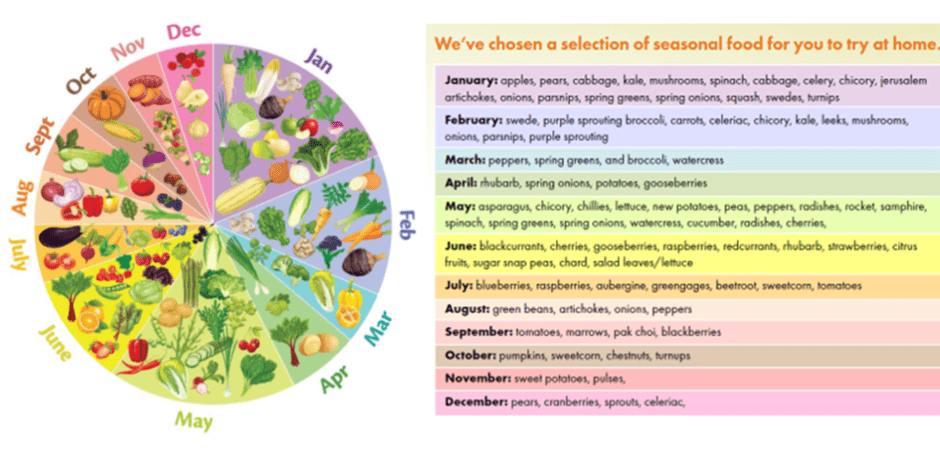
Before planning your meals and shopping for groceries, take some time to research the seasonal availability of different fruits and vegetables in your region. Seasonal produce calendars are readily available online and can help you stay informed about what is currently in season, what will be coming into season soon, and what may be available year-round. By staying informed, you can make informed choices about which fruits and vegetables to incorporate into your meals and snacks.
Try New Recipes and Cooking Methods
Eating seasonal produce doesn’t have to be boring or repetitive. Experiment with new recipes, cooking methods, and flavor combinations to keep your meals exciting and enjoyable. Whether you’re roasting a medley of seasonal vegetables, blending fresh fruits into smoothies, or incorporating leafy greens into salads and stir-fries, there are endless ways to enjoy the flavors and textures of seasonal produce. Be adventurous in the kitchen, explore different culinary traditions, and embrace the versatility of locally grown fruits and vegetables.
Preserve and Store Excess Produce
If you find yourself with an abundance of seasonal produce or simply want to enjoy your favorite fruits and vegetables year-round, consider preserving and storing excess produce for later use. Canning, freezing, and drying are all effective methods for extending the shelf life of seasonal produce and enjoying its flavors beyond the harvest season. By preserving and storing excess produce, you can reduce food waste, save money on groceries, and continue to enjoy the benefits of seasonal eating throughout the year.
Conclusion
In conclusion, eating seasonal produce offers a multitude of benefits for your health, the environment, and your taste buds. By choosing fresh, locally grown fruits and vegetables that are in season, you can savor the flavors of nature’s bounty, support sustainable agriculture, and nourish your body with nutrient-rich ingredients. Whether you shop at farmers’ markets, join a CSA program, grow your own produce, or simply incorporate more seasonal options into your meals, the key is to enjoy the abundance of delicious, wholesome foods that each season has to offer. So next time you’re at the grocery store or planning your meals, remember the benefits of eating seasonal produce and embrace the opportunity to savor the best that nature has to offer.