

In order to achieve optimum health and well-being, men need to prioritize their physical and mental well-being. A successful men’s health program encompasses various key components that target specific areas of concern. From regular exercise and healthy eating habits to regular medical check-ups and mental health support, this comprehensive program aims to empower men to take charge of their health and lead fulfilling lives. By focusing on these crucial aspects, men can ensure longevity and vitality, and ultimately improve their overall quality of life.

Regular Exercise
Developing a workout routine
Regular exercise is an essential component of a successful men’s health program. Developing a workout routine that suits your goals, interests, and schedule is crucial to maintaining a healthy lifestyle. Whether you’re aiming to build muscle, lose weight, or simply improve your overall fitness level, finding activities that you enjoy will make it easier to stay motivated and consistent.
When developing your workout routine, consider incorporating a variety of exercises to target different muscle groups and improve overall strength and flexibility. This could include activities such as weightlifting, cardiovascular exercises, yoga, or sports. It’s important to start gradually and progressively increase the intensity and duration of your workouts to avoid injury and allow your body to adapt.
Incorporating cardiovascular exercises
Cardiovascular exercises play a vital role in improving heart health and burning calories. These exercises increase your heart rate, promote better circulation, and help reduce the risk of heart disease. Incorporating activities such as running, swimming, cycling, or brisk walking into your routine can significantly enhance cardiovascular fitness.
Try to aim for at least 150 minutes of moderate-intensity aerobic activity or 75 minutes of vigorous-intensity aerobic activity per week. This can be broken down into shorter sessions, such as 30 minutes a day, five days a week. If you’re just starting, begin with shorter durations and gradually increase the intensity and duration as your fitness level improves. Don’t forget to warm up before each session and cool down afterward to prevent muscle strains and injuries.
Strength training for muscle development
Strength training is crucial for building and maintaining muscle mass, improving bone density, and boosting metabolism. As men age, maintaining muscle becomes increasingly important for overall health and mobility. Incorporating resistance exercises, such as weightlifting or bodyweight exercises, into your routine can help you achieve these goals.
It’s recommended to perform strength training exercises at least two days a week, targeting all major muscle groups. This can include exercises such as squats, deadlifts, bench presses, and pull-ups. Start with lighter weights and gradually increase the resistance as you become stronger. Remember to give yourself ample rest between sessions to allow your muscles to recover and grow.
Nutritious Diet
Creating a balanced meal plan
A nutritious diet is vital for maintaining overall health and wellness. Creating a balanced meal plan ensures that you are providing your body with the necessary nutrients and energy it needs to function optimally. A good starting point is to include a variety of fruits, vegetables, whole grains, lean proteins, and healthy fats in your daily meals.
Plan your meals in advance to ensure that you have a consistent supply of nutritious foods available. It can be helpful to follow the MyPlate guidelines, which suggest filling half of your plate with fruits and vegetables, one-quarter with lean proteins, and one-quarter with whole grains. Avoid skipping meals and try to eat smaller, more frequent meals throughout the day to keep your energy levels stable.
Incorporating whole foods and nutrients
Incorporating whole foods into your diet is essential for optimal nutrition. Whole foods are minimally processed, rich in nutrients, and free from additives and artificial ingredients. Examples of whole foods include fruits, vegetables, whole grains, lean proteins, nuts, and seeds. These foods provide essential vitamins, minerals, fiber, and antioxidants that support overall health and help prevent chronic diseases.
In addition to whole foods, it’s important to ensure that you’re getting an adequate intake of essential nutrients such as vitamins, minerals, and omega-3 fatty acids. Consider including sources of these nutrients in your diet, such as leafy greens, fish, nuts, seeds, and legumes. If you’re concerned about nutrient deficiencies, consult with a registered dietitian who can provide personalized recommendations based on your specific needs.
Avoiding unhealthy food choices
Alongside incorporating nutritious foods, it’s crucial to avoid or limit unhealthy food choices that can negatively impact your health. These include highly processed foods, sugary snacks and beverages, fast food, and foods high in saturated and trans fats. While it’s okay to indulge in moderation, regularly consuming these foods can increase the risk of obesity, heart disease, diabetes, and other health problems.
To avoid unhealthy food choices, consider planning your meals and snacks in advance and having healthier alternatives readily available. Stock your pantry and fridge with fruits, vegetables, whole grains, lean proteins, and healthy snacks. Meal prepping can also help you stay on track by reducing the temptation to reach for convenience foods when you’re hungry and short on time.
Stress Management
Implementing relaxation techniques
Stress is a common part of everyday life, and effectively managing it is crucial for men’s overall health and well-being. Implementing relaxation techniques can help you reduce stress levels and improve your mental and physical health. Examples of relaxation techniques include deep breathing exercises, progressive muscle relaxation, and guided imagery.
When you feel overwhelmed or stressed, take a few moments to engage in deep breathing exercises. Close your eyes, inhale deeply through your nose, hold your breath for a few seconds, and exhale slowly through your mouth. Repeat this process several times, focusing on your breath and allowing yourself to relax. This simple technique can help calm your mind and body in times of stress.
Practicing mindfulness and meditation
Incorporating mindfulness and meditation into your daily routine can have significant benefits for your mental health. Mindfulness involves being fully present in the moment and non-judgmentally observing your thoughts, feelings, and sensations. Meditation, on the other hand, is a practice of focusing your attention and eliminating the stream of thoughts that typically occupy your mind.
Engaging in mindfulness and meditation can help reduce stress, improve focus and concentration, increase self-awareness, and promote a sense of calm and well-being. Set aside a few minutes each day to practice mindfulness or meditation. Find a quiet and comfortable space, close your eyes, focus on your breath or a specific object, and allow your mind to settle into a state of stillness and tranquility.
Engaging in stress-reducing activities
Engaging in activities that you enjoy and find relaxing can significantly reduce stress levels and help you unwind. Whether it’s reading a book, listening to music, taking a walk in nature, or engaging in a hobby, find activities that bring you joy and make you feel at ease. These activities can provide an escape from the pressures of daily life and allow you to recharge and rejuvenate.
Regular exercise is also an excellent stress-reducing activity. Physical activity releases endorphins, which are natural mood-boosting chemicals that can help alleviate stress and improve your overall well-being. Find an exercise that you enjoy, whether it’s going for a run, playing a sport, or practicing yoga, and make it a regular part of your routine.
Regular Check-ups
Scheduling annual physical exams
Regular check-ups with your healthcare provider are essential for monitoring your overall health and detecting any potential issues early on. Scheduling an annual physical exam allows your doctor to assess your overall well-being, perform necessary screenings and tests, and address any concerns or questions you may have.
During your annual physical exam, your healthcare provider will typically check your blood pressure, heart rate, body mass index (BMI), and perform a comprehensive physical examination. They may also recommend additional screenings based on your age, medical history, and risk factors. This may include blood tests to assess cholesterol levels, blood sugar levels, and other markers of health.
Monitoring blood pressure and cholesterol levels
High blood pressure and cholesterol levels are significant risk factors for heart disease, stroke, and other cardiovascular problems. Monitoring these levels regularly is crucial for early detection and effective management. High blood pressure often has no symptoms, so regular measurements are necessary to identify any potential issues.
Your healthcare provider can measure your blood pressure during your annual physical exams or recommend a home blood pressure monitor for regular monitoring. Your cholesterol levels can be assessed through blood tests. If your blood pressure or cholesterol levels are high, your healthcare provider may recommend lifestyle changes, such as dietary modifications, exercise, or medication, to help manage these conditions.
Getting regular cancer screenings
Cancer is a widespread health concern and early detection can greatly improve treatment outcomes. Regular cancer screenings can help detect cancer or precancerous conditions before symptoms manifest, allowing for timely intervention and treatment. The specific screenings recommended may vary depending on your age, family history, and risk factors.
Common cancer screenings for men include prostate cancer screenings, colorectal cancer screenings, and skin cancer screenings. Prostate cancer screenings typically involve a blood test called the prostate-specific antigen (PSA) test and a digital rectal exam. Colorectal cancer screenings often involve a colonoscopy, stool test, or sigmoidoscopy. Skin cancer screenings are typically performed by a dermatologist who checks for any suspicious moles or growths on your skin.

Sleep Quality
Establishing a consistent sleep routine
Getting adequate sleep is essential for men’s physical and mental well-being. Establishing a consistent sleep routine can help regulate your body’s internal clock and improve the quality of your sleep. Aim to go to bed and wake up at the same time every day, even on weekends or days off.
Create a soothing pre-sleep routine that helps you wind down and signal to your body that it’s time to sleep. This can include activities such as reading, taking a warm bath, practicing relaxation techniques, or listening to calming music. Avoid stimulating activities or bright screens, such as using electronic devices or watching TV, for at least an hour before bed, as they can interfere with your ability to fall asleep.
Creating a comfortable sleep environment
A comfortable sleep environment can significantly contribute to better sleep quality. Make sure your bedroom is cool, dark, and quiet to promote a conducive sleep environment. Invest in a comfortable mattress, pillows, and bedding that support your body and provide optimal comfort.
Take note of any factors that may interfere with your sleep, such as noise, light, or temperature, and take steps to address them. You can use earplugs, curtains, white noise machines, or a fan to minimize external disturbances. If necessary, consider using a sleep mask or blackout curtains to block out any excess light that can disrupt your sleep.
Limiting exposure to electronic devices before bed
Exposure to electronic devices before bed can interfere with your sleep by stimulating your brain and delaying the release of melatonin, a hormone that regulates sleep. The blue light emitted by electronic screens, such as phones, tablets, and computers, can suppress melatonin production and make it more difficult to fall asleep.
To promote better sleep, establish a digital curfew by avoiding electronic devices for at least an hour before bed. Instead, engage in relaxing activities such as reading a book, listening to calming music, or practicing relaxation techniques. You can also enable night mode or use blue light filtering apps on your devices to minimize the impact of blue light on your sleep.
Weight Management
Setting achievable weight loss goals
Maintaining a healthy weight is crucial for overall health and well-being. Setting achievable weight loss goals can help you stay motivated and focused on making sustainable lifestyle changes. Remember that weight loss should be gradual, aiming for a loss of no more than 1-2 pounds per week to ensure it is sustainable and doesn’t compromise your health.
Consult with a healthcare professional or registered dietitian to determine a realistic weight loss goal based on your current weight, body composition, and overall health. They can help you develop a personalized plan that includes a balanced diet and regular physical activity to achieve your desired weight.
Monitoring calorie intake and portion sizes
Calories play a significant role in weight management. Monitoring your calorie intake and portion sizes can help you maintain a healthy weight. Start by understanding your daily calorie needs based on factors such as age, sex, height, weight, and activity level. A registered dietitian can help you determine your specific calorie needs and provide guidance on macronutrient distribution.
To manage your calorie intake, practice mindful eating and pay attention to portion sizes. Be aware of high-calorie foods and limit your consumption of sugary snacks, processed foods, and beverages high in added sugars. Instead, prioritize nutrient-dense, whole foods that are lower in calories but rich in vitamins, minerals, and fiber.
Incorporating regular physical activity for weight maintenance
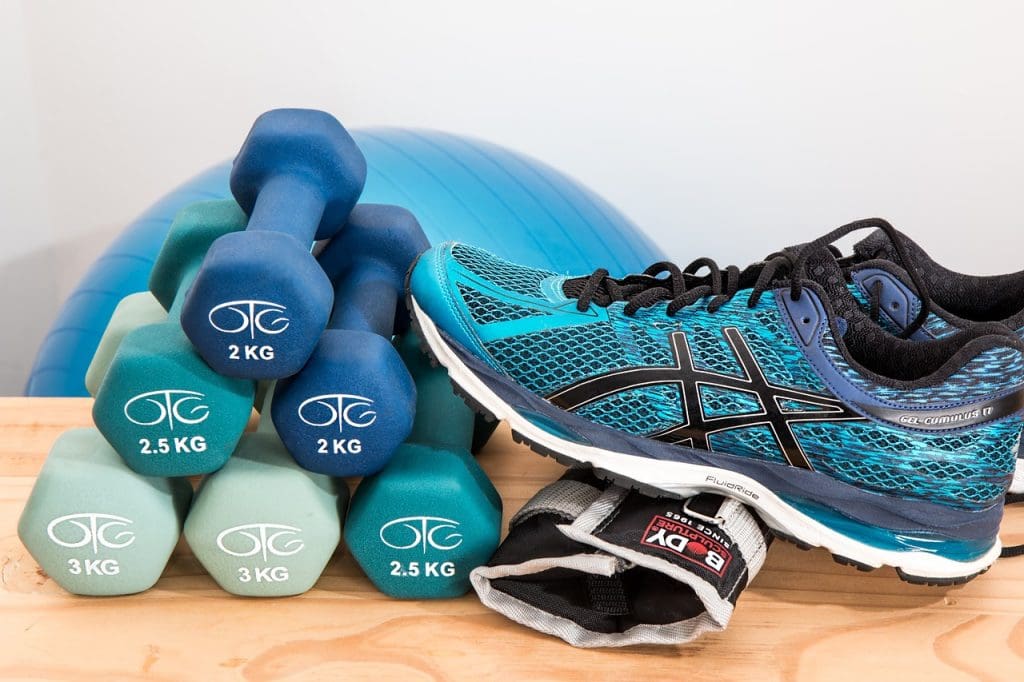
Regular physical activity is essential for weight maintenance and overall health. Incorporating a combination of cardiovascular exercises and strength training can help you burn calories, build lean muscle, and increase your metabolism.
Aim for at least 150 minutes of moderate-intensity aerobic activity or 75 minutes of vigorous-intensity aerobic activity per week, in addition to muscle-strengthening activities at least two days a week. Find activities that you enjoy, such as jogging, cycling, swimming, or playing a sport, to make exercise more enjoyable and sustainable.
Mental Health Support
Seeking therapy or counseling when needed
Mental health is equally important as physical health, and seeking therapy or counseling can provide valuable support when needed. Therapy offers a confidential and safe space to discuss and address any mental health concerns, such as stress, anxiety, depression, or relationship issues.
If you’re experiencing persistent or overwhelming feelings of distress or struggling to cope with daily life, consider reaching out to a mental health professional. They can provide guidance, strategies, and support to help you navigate challenging situations and improve your overall mental well-being. Remember, seeking help is a sign of strength.
Building a supportive network of friends and family
Building a strong support network of friends and family is essential for men’s mental health. Having trusted individuals who you can confide in, lean on for support, and share experiences with can significantly impact your emotional well-being.
Nurture your relationships by making an effort to stay connected with loved ones. Plan regular get-togethers, engage in shared hobbies or activities, and prioritize quality time together. If you’re struggling to build social connections, consider joining clubs, sports teams, or community groups where you can meet like-minded individuals and foster new relationships.
Prioritizing self-care and relaxation
Taking care of yourself is crucial for overall mental well-being. Prioritize self-care activities that promote relaxation, reduce stress, and rejuvenate your mind and body. This can include activities such as taking walks in nature, practicing yoga or meditation, indulging in hobbies or interests, or taking time out to pamper yourself.
Identify activities that recharge you and make an effort to incorporate them into your routine regularly. Consider developing a self-care plan that includes activities you enjoy and that nourish your physical, mental, and emotional well-being. Remember, self-care is not selfish but essential for maintaining a healthy and balanced life.
Quit Tobacco and Alcohol
Seeking professional help or support groups for quitting
Quitting tobacco and alcohol is integral to men’s health as both can have detrimental effects on various aspects of physical and mental well-being. If you’re struggling with addiction or finding it difficult to quit on your own, seeking professional help or joining support groups can provide valuable resources and guidance.
There are many specialized programs, counseling services, and support groups available that can provide support tailored to your specific needs. Reach out to healthcare professionals, addiction counselors, or organizations dedicated to helping individuals overcome tobacco and alcohol addiction. Remember, you don’t have to face the challenges of quitting alone.
Creating a plan to overcome addiction
Overcoming addiction requires a comprehensive plan that addresses physical, psychological, and emotional aspects. Creating a personalized plan can help you navigate the process of quitting tobacco and alcohol and increase your chances of success.
Start by identifying your triggers and developing strategies to manage cravings and withdrawal symptoms. Consider replacing unhealthy habits with healthier alternatives, such as exercise or engaging in hobbies. Surround yourself with a strong support system and communicate openly with loved ones about your decision to quit.
Finding healthy alternatives to cope with cravings
Finding healthy alternatives to cope with cravings can significantly support your journey towards quitting tobacco and alcohol. Cravings can be intense during the withdrawal phase, but by redirecting your focus to healthier alternatives, you can gradually reduce their impact.
Consider engaging in physical activity when cravings strike. Exercise releases endorphins, improves mood, and can distract you from the urge to indulge in unhealthy habits. Other alternatives include engaging in hobbies, practicing relaxation techniques, or reaching out to a supportive friend or family member. Finding what works best for you and developing a toolbox of healthy coping mechanisms is essential for long-term success.
Regular Health Education
Staying informed about men’s health issues
Staying informed about men’s health issues empowers you to make informed decisions regarding your well-being. Educate yourself about common men’s health concerns such as heart disease, prostate health, sexual health, and mental health, as well as the overall importance of preventive care.
Keep up-to-date with reputable sources of information such as medical journals, articles, and reputable websites. Take the time to understand the symptoms, risk factors, and preventive measures associated with various health conditions. This knowledge can help you recognize potential signs of health issues, prompt timely medical attention, and actively participate in your healthcare.
Attending seminars or workshops
Attending seminars or workshops focused on men’s health can provide you with valuable insights and resources. These events often feature experts in the field who share the latest research, prevention strategies, and treatment options for various health concerns.
Look for local organizations, hospitals, or community centers that host educational events focused on men’s health. These events may cover topics such as heart health, cancer prevention, mental wellness, and lifestyle modifications. Attending these seminars or workshops can broaden your knowledge, expose you to new perspectives, and connect you with other individuals who share similar health goals.
Reading articles and publications on men’s health
Reading articles and publications on men’s health can be an excellent way to stay informed and up-to-date on the latest research and recommendations. Look for reputable sources such as medical journals, health magazines, or online publications that cover a wide range of men’s health topics.
Subscribe to newsletters or websites that provide regular updates on men’s health issues. These resources often offer practical tips, expert advice, and information on the latest advancements in healthcare. Engaging in regular reading can help you make informed decisions about your health, stay motivated to maintain a healthy lifestyle, and actively prioritize your well-being.
Social Connection
Building and maintaining strong relationships
Building and maintaining strong relationships is crucial for men’s mental health and overall well-being. Cultivate meaningful connections with family members, friends, and colleagues to enhance your social support network.
Invest time and effort in nurturing your relationships. Reach out to loved ones regularly, engage in open and honest communication, and prioritize spending quality time together. Participate in activities or hobbies that allow you to connect with others who share similar interests, as this can foster deeper connections and provide a sense of belonging.
Engaging in social activities and hobbies
Engaging in social activities and hobbies is an excellent way to connect with others and foster a sense of belonging. Find activities or groups that align with your interests, whether it’s joining a sports team, participating in a book club, or attending social events in your community.
Consider volunteering or giving back to your community as a way to connect with others and contribute to a greater cause. Not only will you meet like-minded individuals, but you will also experience the satisfaction of making a positive impact on the lives of others.
Joining sports teams or clubs
Joining sports teams or clubs can offer numerous benefits for men’s health. Engaging in regular physical activity through sports not only improves physical fitness but also provides opportunities for social interaction, camaraderie, and friendly competition.
Consider joining a local sports league, such as soccer, basketball, or tennis, or exploring activities like golf or cycling. These activities offer the chance to meet new people, build teamwork skills, and experience the positive effects of exercise on both physical and mental well-being.
In conclusion, a successful men’s health program encompasses various key components that work together to promote overall well-being. Regular exercise, a nutritious diet, stress management, regular check-ups, quality sleep, weight management, mental health support, quitting tobacco and alcohol, regular health education, and social connection are all essential for maintaining optimal physical and mental health. By adopting a holistic approach to your health and making small, sustainable changes, you can improve your overall quality of life and enjoy better long-term health. Remember, taking care of yourself is not selfish but a necessary step towards leading a fulfilling and healthy life.