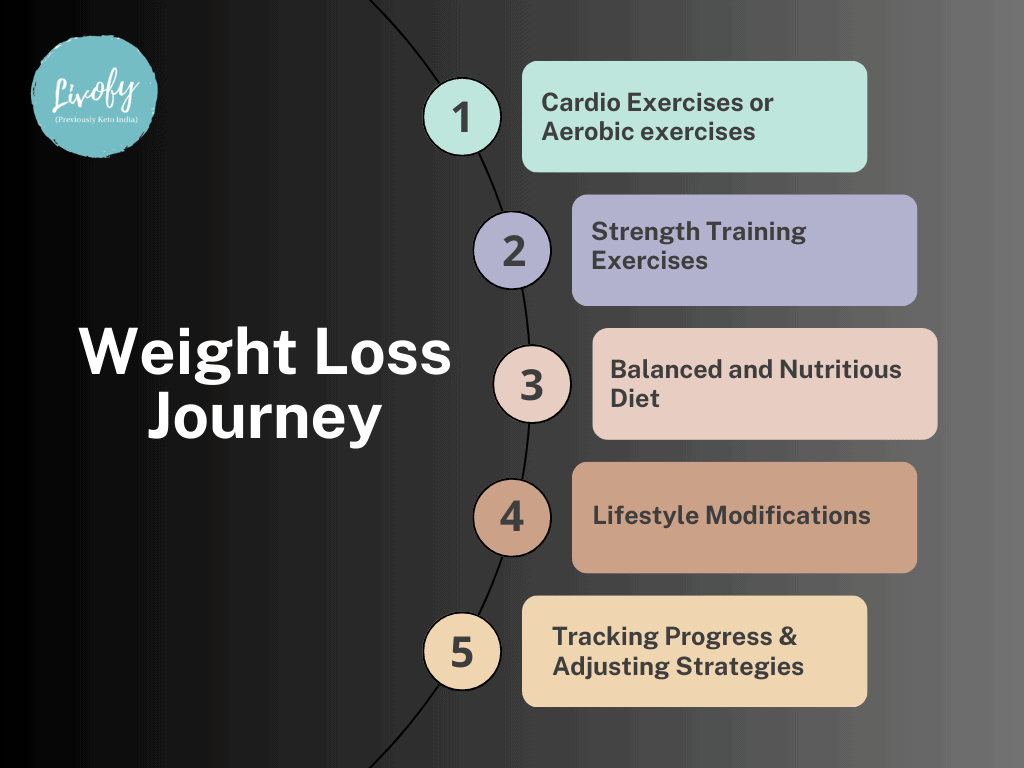
Losing weight can feel like an uphill battle, but with the right exercise plan, you can conquer your goals. In this article, we will discuss the key elements of a successful weight-loss exercise plan. From setting realistic goals to incorporating a variety of workouts, we’ll cover all the essential elements that will help you shed those extra pounds and achieve a healthier and happier you. So get ready to lace up your sneakers and let’s embark on this journey towards a fitter and more confident you!
Setting Realistic Goals
Determining an achievable weight-loss goal
When setting a weight-loss goal, it’s important to be realistic and consider your current health and circumstances. Consult with a healthcare professional or a registered dietitian to determine a healthy weight range for your body type and height. Setting an achievable weight-loss goal will not only keep you motivated but also prevent disappointment and potential health risks associated with extreme weight loss.
Setting specific and measurable objectives
To effectively track your progress, it’s crucial to set specific and measurable objectives. Instead of setting a vague goal like “losing weight,” try setting a specific target like “losing 10 pounds in three months.” This way, you have a clear target to work towards and can monitor your progress over time.
Considering timeframes for achieving goals
Setting a timeframe for achieving your weight-loss goals is essential for staying on track. Consider both short-term and long-term goals. Short-term goals can help you stay motivated and provide a sense of accomplishment, while long-term goals can help you create sustainable lifestyle changes. Remember to give yourself enough time to achieve your goals without putting your health at risk. Slow and steady progress is more sustainable in the long run.
Choosing the Right Types of Exercises
Incorporating cardiovascular exercises
Cardiovascular exercises, also known as aerobic exercises, are vital for weight loss. They increase your heart rate, burn calories, and improve overall cardiovascular health. Choose activities that you enjoy, such as running, cycling, swimming, or dancing. Aim for at least 150 minutes of moderate-intensity aerobic exercise or 75 minutes of vigorous-intensity exercise per week to maximize weight loss benefits.
Including strength training exercises
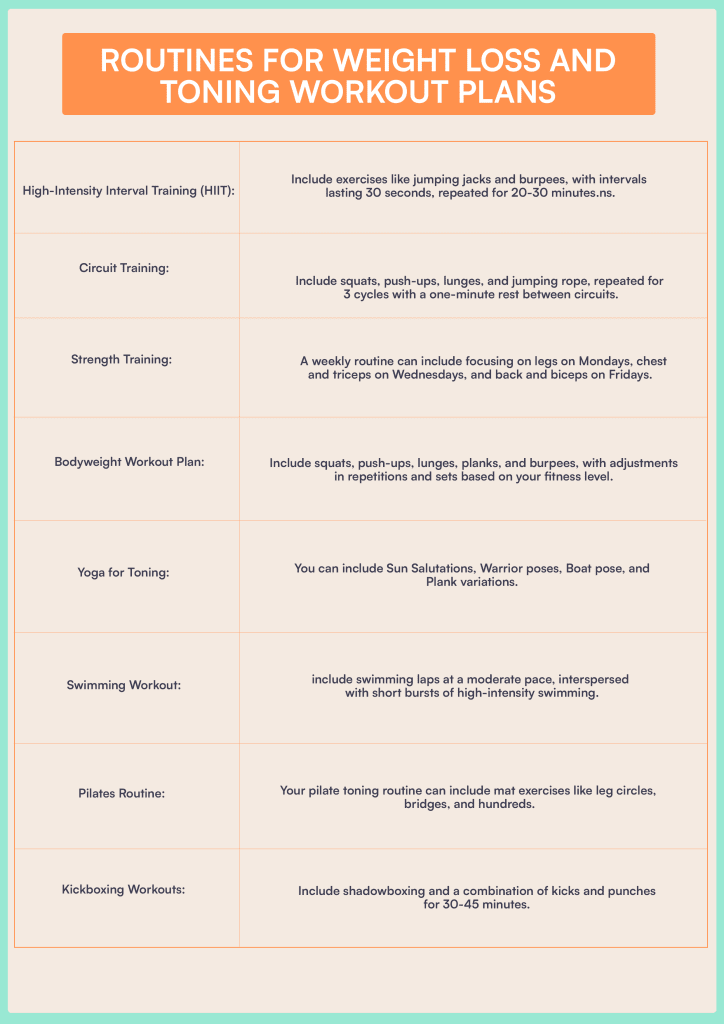
Strength training exercises are crucial for building lean muscle mass and increasing metabolism. They can be done using free weights, resistance bands, or bodyweight exercises. Incorporate exercises like squats, lunges, push-ups, and dumbbell curls into your routine. Aim to perform strength training exercises at least two to three times per week, targeting different muscle groups each session.
Including flexibility and mobility exercises
Flexibility and mobility exercises are often overlooked but play a significant role in injury prevention and overall fitness. Include stretching, yoga, or Pilates in your workout routine to improve flexibility and maintain joint health. These exercises can also aid in recovery and relaxation after more intense workouts. Schedule time for stretching and flexibility exercises on rest days or before and after other workout sessions.
Creating a Balanced Exercise Routine
Combining different types of exercises
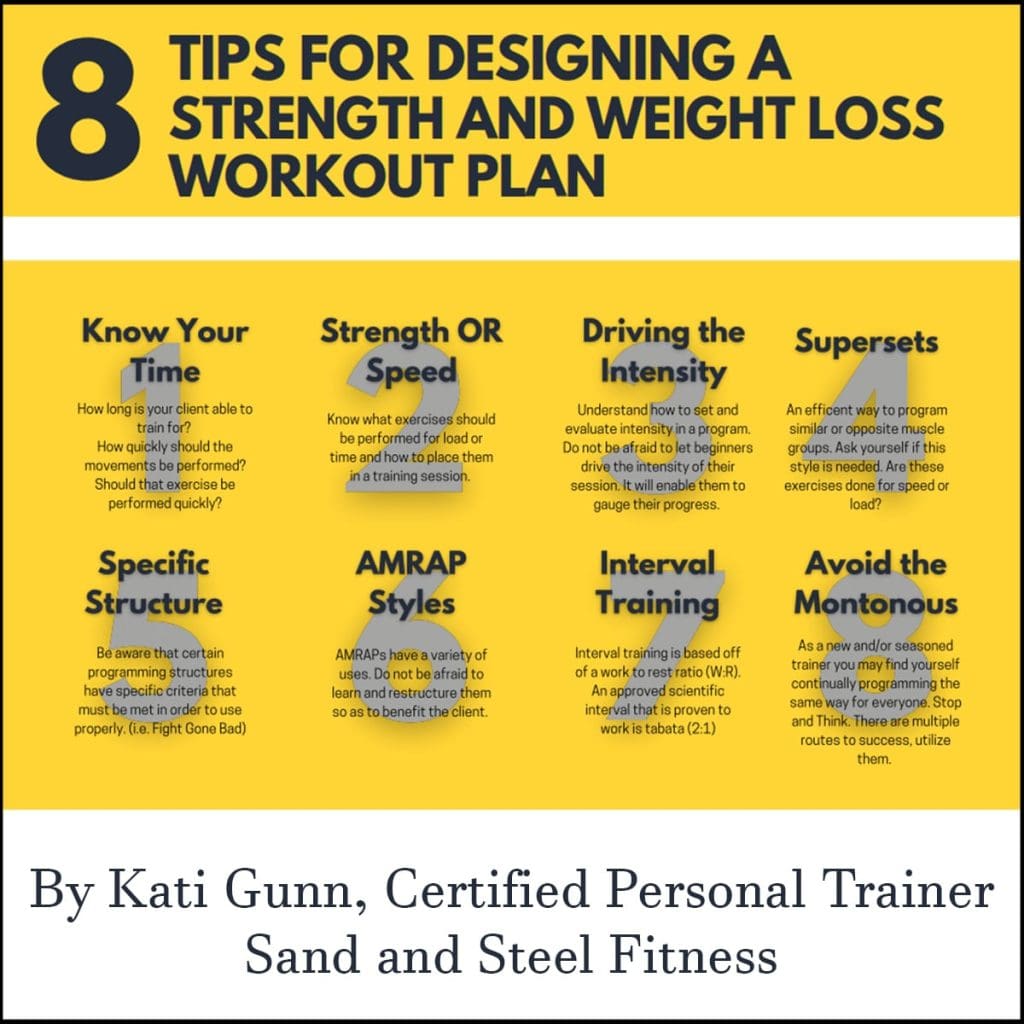
To achieve a well-rounded fitness routine, it’s essential to combine different types of exercises. Incorporate cardiovascular exercises, strength training, and flexibility exercises into your weekly schedule. This variety not only keeps your workouts interesting but also helps to target different muscle groups, burn calories, and improve overall fitness.
Allocating time for each exercise type
When structuring your exercise routine, allocate an appropriate amount of time for each exercise type. Aim for at least 30 minutes of cardiovascular exercise on most days of the week, 20-30 minutes of strength training on two to three days per week, and 10-15 minutes of flexibility and mobility exercises on most days. Adjust the duration based on your fitness level and time availability, making sure to provide ample time for rest and recovery.
Ensuring proper rest and recovery
Rest and recovery are vital components of any exercise plan. Allow your body time to repair and heal after intense workouts. Include rest days in your weekly schedule to prevent burnout and reduce the risk of overuse injuries. Listen to your body and prioritize sleep, hydration, and nutrition to support your recovery process. Remember, progress is made during rest, not just during exercise.
Structuring Workouts for Efficiency
Designing workouts based on individual fitness level
Tailoring your workouts to your individual fitness level is crucial for safety and progress. If you’re just starting, begin with moderate-intensity exercises and gradually increase the intensity and duration as your fitness improves. If you have any health concerns or specific limitations, consult with a healthcare professional or a certified personal trainer to develop a workout plan that meets your needs and abilities.
Incorporating high-intensity interval training (HIIT)
High-intensity interval training (HIIT) is a time-efficient and effective method for weight loss. It involves alternating short bursts of high-intensity exercise with periods of active recovery. HIIT can be incorporated into cardiovascular exercises like running, cycling, or swimming. Not only does it help burn calories during the workout, but it also promotes an afterburn effect, which continues burning calories even after the workout.
Implementing progressive overload for continuous improvement
Progressive overload is essential for continuous improvement and preventing plateauing in your workouts. Gradually increase the intensity, duration, or resistance of your exercises over time to challenge your body and stimulate further progress. This can be achieved by increasing weights, adding repetitions or sets, or shortening resting periods between exercises. However, remember to progress at a pace that is comfortable for you and avoid overexertion or injury.
Setting a Consistent Workout Schedule
Determining the frequency and duration of workouts
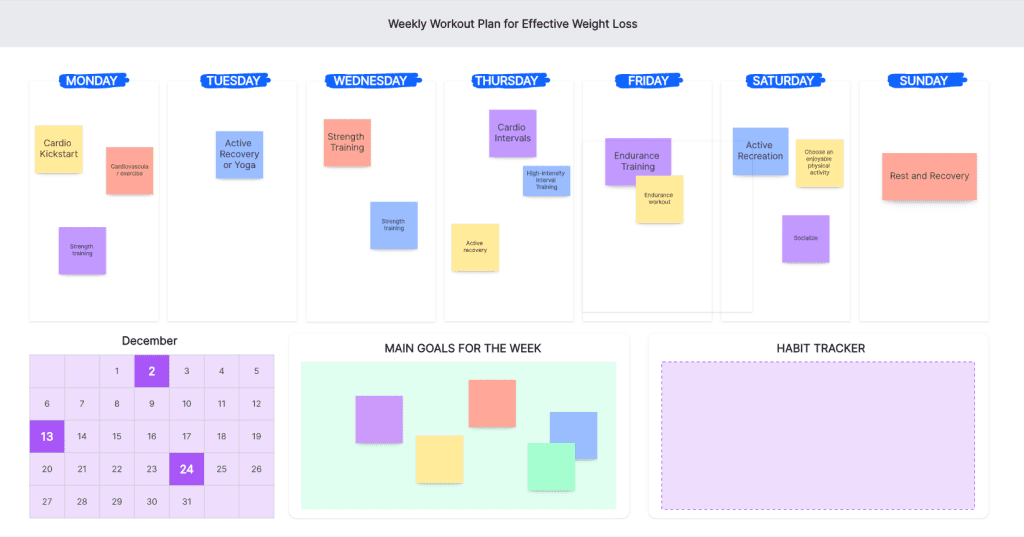
Consistency is key when it comes to achieving your weight-loss goals. Determine the frequency and duration of your workouts based on your schedule and availability. Aim for a minimum of three to five workouts per week, ideally spreading them evenly throughout the week. Depending on your fitness level and time constraints, each workout session can range from 30 minutes to an hour or more.
Choosing the optimal time of day for exercising
Finding the optimal time of day for exercising can help establish a consistent routine. Some people prefer morning workouts to kick-start their day, while others may find it more convenient to exercise after work. Experiment with different times to see what works best for you and aligns with your energy levels. Remember, the best time to exercise is when you can commit fully and consistently to your workout routine.
Establishing a routine and sticking to it
Creating a workout routine and sticking to it is crucial for long-term success. Treat your exercise sessions like important appointments and schedule them into your daily or weekly calendar. Having a routine in place reduces the likelihood of skipping workouts or making excuses. Share your workout schedule with family and friends to gain support and accountability.
Tracking Progress and Making Adjustments
Monitoring weight loss and body measurements
Tracking your weight loss progress and body measurements can provide valuable insights into your journey. Use a scale or a measuring tape to record changes in weight, waist circumference, hips, and other relevant body parts. However, remember that the scale may not always reflect accurate progress due to factors like muscle gain or water retention. Focus on overall improvements in body composition and how you feel rather than solely relying on numbers.
Keeping a workout log or using fitness apps
Keeping a workout log or using fitness apps can help you stay organized and monitor your progress. Record the exercises performed, sets, repetitions, and any additional notes like perceived effort or any challenges encountered. Fitness apps often provide features such as workout reminders, progress tracking, and customized workout plans, making them a convenient tool to stay accountable and motivated.
Evaluating progress and adjusting the exercise plan accordingly
Regularly evaluate your progress and make adjustments to your exercise plan as needed. Assess whether you are achieving your weight-loss goals, feeling energized during workouts, and making improvements in strength and endurance. If progress stalls or you feel stuck, consider seeking professional guidance or modifying your routine. Remember, your exercise plan should evolve as you progress and adapt to new challenges.
Maintaining a Healthy Diet
Understanding the importance of nutrition in weight loss
While exercise plays a crucial role in weight loss, it must be complemented with a healthy diet. Understand that weight loss is ultimately a result of burning more calories than you consume. Focus on consuming nutrient-dense foods that provide essential vitamins, minerals, and macronutrients. Incorporating a balanced diet rich in fruits, vegetables, whole grains, lean proteins, and healthy fats will support your weight-loss efforts.
Balancing calorie intake with exercise expenditure
To achieve weight loss, it’s important to create a calorie deficit by consuming fewer calories than you burn through exercise and daily activities. Calculate your daily calorie needs and adjust your diet accordingly. Aim for a gradual and sustainable weight loss of 1-2 pounds per week, as more drastic calorie restrictions can be detrimental to your health and lead to muscle loss.
Incorporating whole foods and avoiding processed foods
Include more whole foods in your diet and limit processed foods high in added sugars, unhealthy fats, and artificial additives. Whole foods like fruits, vegetables, lean meats, and whole grains provide essential nutrients and are generally lower in calorie density. They also help you feel fuller for longer, reducing the likelihood of overeating. Prioritize foods that are as close to their natural state as possible for optimal nutrition.
Staying Motivated and Engaged
Finding enjoyable forms of exercise
Choosing exercises that you enjoy is key to staying motivated and engaged. Experiment with different activities and find what brings you joy. Whether it’s dancing, hiking, swimming, or playing a sport, incorporating activities that you find fun will make your weight-loss journey more enjoyable and sustainable. Remember, exercise should be a celebration of what your body can do, not a punishment.
Setting rewards and milestones for achievements
Setting rewards and milestones along the way can provide additional motivation and a sense of accomplishment. Celebrate reaching your weight-loss goals or completing a certain number of workouts by treating yourself to a non-food related reward, such as a massage, new workout gear, or a day off from exercise. Breaking your long-term goals into smaller milestones can help you stay focused and excited about your progress.
Joining fitness communities or seeking support
Connecting with like-minded individuals can provide invaluable support and encouragement throughout your weight-loss journey. Join fitness communities, whether in-person or online, where you can share your experiences, ask questions, and find inspiration. Engage in conversations, participate in fitness challenges, and celebrate the achievements of others. Having a support system can make a significant difference in maintaining motivation and overcoming challenges.

Addressing Barriers and Overcoming Challenges
Identifying potential obstacles to exercise
Identifying potential obstacles to exercise can help you proactively address and overcome them. Common barriers include lack of time, fatigue, lack of motivation, or other commitments. Anticipate these challenges and explore strategies to mitigate them. For example, if time is an issue, consider breaking your workouts into shorter, more manageable sessions or incorporating physical activity into your daily routine.
Developing strategies for overcoming time constraints
Time constraints can often be a significant barrier to exercise. However, with proper planning and prioritization, you can find ways to incorporate physical activity into your busy schedule. Schedule workouts in advance, block out dedicated time, and treat them as non-negotiable appointments. Consider alternatives like home workouts, taking the stairs instead of the elevator, or fitting in short bursts of exercise during breaks or lunchtime.
Dealing with plateaus and maintaining motivation
Plateaus are a common occurrence in weight loss and can be demotivating. When progress stalls, it’s crucial to stay persistent and reassess your exercise routine and diet. Modify your workouts, challenge yourself with new exercises or higher intensities, or seek guidance from a professional. Additionally, remind yourself of the non-scale victories like increased energy levels, improved sleep, or enhanced mental well-being.
Seeking Professional Guidance
Consulting a healthcare professional or fitness trainer
If you have specific health concerns or are unsure about designing an exercise plan, it’s advisable to consult a healthcare professional or a certified fitness trainer. They can evaluate your individual needs, provide personalized advice, and ensure that you are exercising safely and effectively. They can also help you develop a plan that suits your lifestyle, preferences, and goals.
Obtaining personalized advice and guidance
Personalized advice and guidance from professionals can make a significant difference in the success of your weight-loss exercise plan. They can help you create a customized workout routine, tailor nutritional recommendations to your needs, and teach proper exercise techniques to prevent injuries. They can also provide ongoing support, track your progress, and make necessary adjustments to your plan.
Ensuring safety and avoiding potential injuries
Safety should always be a priority in any exercise plan. Professionals can guide you on correct form and technique to prevent injuries. They can also help modify exercises to accommodate any physical limitations and provide recommendations for appropriate warm-up and cool-down procedures. Remember that your health and well-being should be the top priority, and seeking professional guidance ensures that you are exercising safely and effectively.
In conclusion, a successful weight-loss exercise plan includes various key elements that work together to achieve sustainable results. By setting realistic goals, choosing the right types of exercises, creating a balanced exercise routine, structuring workouts for efficiency, maintaining a consistent schedule, tracking progress, maintaining a healthy diet, staying motivated, addressing barriers and challenges, and seeking professional guidance, you can embark on a successful weight-loss journey and improve your overall health and well-being. Remember, the most important thing is to find enjoyment in the process and make lifestyle changes that are sustainable for the long term.