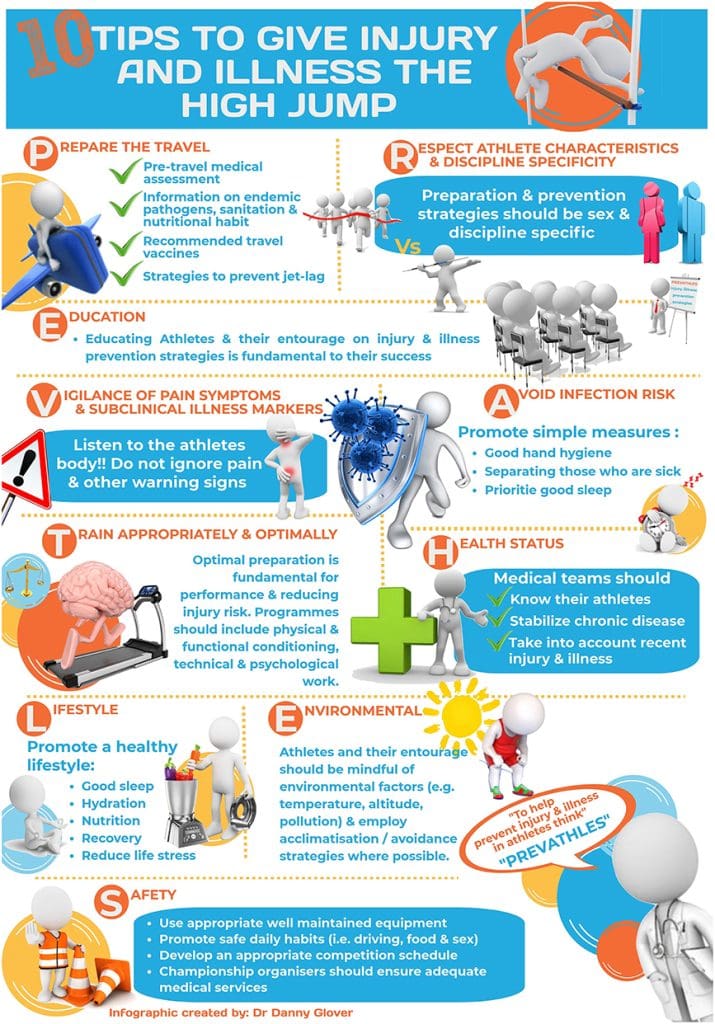
Are you tired of getting sidelined by injuries during your exercise routine? Look no further! In this article, we will explore essential strategies that can help you prevent injuries while you work out. Whether you’re a seasoned athlete or a beginner, these key strategies will ensure that you stay in tip-top shape and avoid those dreaded setbacks. So, lace up your sneakers, grab a water bottle, and get ready to learn how to stay injury-free during your workouts!
Proper Warm-Up and Cool-Down
Importance of warm-up
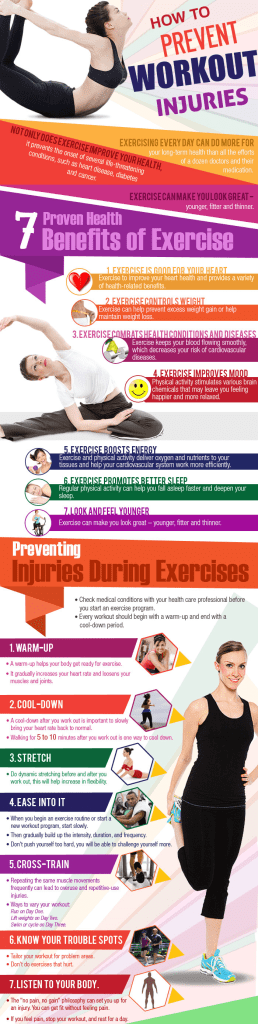
A proper warm-up is essential before any exercise routine. It helps to prepare your body for physical activity by gradually increasing your heart rate and circulation, warming up your muscles, and improving flexibility. Warm-ups also mentally prepare you for the workout ahead, improving focus and concentration. By increasing blood flow to your muscles and joints, a good warm-up reduces the risk of injury and allows for optimal performance during exercise.
Dynamic stretching during warm-up
Dynamic stretching is a beneficial component of the warm-up process. Unlike static stretching where you hold a stretch for a prolonged period, dynamic stretching involves continuous movement that mimics the motions of the exercise you will be performing. This type of stretching helps to improve your range of motion, loosen up your joints, and increase your muscle activation. Dynamic stretching before a workout primes your muscles and prepares them for the specific movements they will be required to perform.
Benefits of cool-down
Just as a proper warm-up is essential, so too is a cool-down after your exercise routine. Cooling down gradually brings your heart rate and circulation back to normal, preventing blood pooling and lightheadedness. Additionally, a cool-down helps to remove waste products, such as lactic acid, from your muscles, reducing muscle soreness and improving recovery time. By incorporating a cool-down into your routine, you allow your body to gradually return to a resting state, promoting relaxation and overall post-exercise well-being.
Static stretching during cool-down
Static stretching, different from dynamic stretching, involves holding a stretch for a sustained period. Performing static stretching during your cool-down helps to improve and maintain your flexibility, reducing muscle tightness and promoting better joint mobility. By elongating your muscles after exercise, you can prevent muscle imbalances and maintain overall muscle harmony. Static stretching during the cool-down also provides a sense of relaxation and helps to calm your mind as your body returns to a state of rest.
Gradual Progression
Start slow and gradually increase intensity
When starting any exercise program, it’s important to begin slowly and gradually increase the intensity over time. This approach allows your body to adapt and adjust to the new demands placed upon it, minimizing the risk of injury. By starting slow, you can build a solid foundation of strength, endurance, and flexibility, ensuring that you progress safely and effectively towards your fitness goals. Pushing yourself too hard too soon can lead to burnout, overuse injuries, and setbacks in your progress. Remember, it’s a journey, not a race!
Allow for rest and recovery
Rest and recovery are just as important as the exercise itself. Your body needs time to repair and rebuild the tissues that are broken down during exercise. Without proper rest, overtraining can occur, leading to exhaustion, decreased performance, and an increased risk of injury. Incorporating rest days into your exercise schedule gives your body time to replenish glycogen stores, repair muscle tissues, and recharge your mental and physical energy. Listen to your body’s signals and don’t be afraid to take a break when needed.
Listen to your body’s signals
Your body is incredibly intelligent and gives you signals that can help prevent injury. Pay attention to any discomfort, pain, or unusual sensations during exercise. These could be signs of overexertion, incorrect technique, or potential injury. It’s important to differentiate between muscle fatigue and actual pain. Pushing through pain can exacerbate an existing injury or create a new one. Trust your instincts, and if something doesn’t feel right, it’s always better to be safe than sorry. Resting when needed and seeking professional advice can help you avoid long-term consequences.
Proper Form and Technique
Importance of proper form and technique
Using proper form and technique during exercise is crucial for preventing injuries. It ensures that you are engaging the correct muscles, minimizing strain on joints, and maximizing the effectiveness of the exercise. When performing exercises with incorrect form, you risk overloading certain areas of your body, leading to muscle imbalances and joint instability. By learning and practicing proper form, you can create a strong foundation for any exercise routine, reduce the risk of injury, and achieve better results in the long run.
Use a mirror or video recording for feedback
One effective way to ensure proper form and technique is to use a mirror or video recording while performing exercises. These tools allow you to observe yourself from different angles and identify any errors or imbalances in your movements. By being visually aware of your body’s positioning, you can make necessary adjustments and modifications to improve your technique. This visual feedback helps you to develop body awareness and ensures that you are executing each exercise correctly and safely.
Seek guidance from a qualified instructor or trainer
Seeking guidance from a qualified instructor or trainer is invaluable when it comes to proper form and technique. Working with a knowledgeable professional allows you to learn the correct techniques from the start and receive personalized feedback and corrections. They can provide guidance on posture, alignment, and execution of exercises specific to your individual needs and goals. A qualified instructor or trainer can assess your form and technique, offer modifications, and help you progress safely and effectively in your fitness journey.
Appropriate Footwear and Equipment
Choose shoes that fit well and provide support
Proper footwear is essential to prevent discomfort and reduce the risk of injury during exercise. When selecting shoes, choose those that fit well, provide adequate support, and are designed for your specific activity. The right shoes should offer cushioning to absorb impact, stability to support your feet and ankles, and flexibility to allow natural foot movement. Ill-fitting or worn-out shoes can lead to foot and ankle problems, shin splints, and even back pain. Investing in quality athletic shoes that suit your needs is a wise choice to ensure a safe and enjoyable workout experience.
Select equipment suitable for your fitness level and goals
Using the appropriate equipment for your fitness level and goals is paramount in injury prevention. Equipment should be selected based on your fitness level, strength, and coordination. Using equipment that is too advanced or too heavy for your current abilities can lead to improper technique and potential harm. When using machines or tools, ensure they are suitable for your body dimensions and alignment. Always read and follow instructions for proper use and consult with a professional if you need guidance on equipment selection and usage.
Ensure equipment is in good condition and properly adjusted
Before using any equipment, it is crucial to ensure that it is in good condition and properly adjusted. Check for loose bolts, worn cables, or any signs of damage. Using faulty equipment can lead to accidents and injuries. Additionally, make sure that equipment is properly adjusted to fit your body. Incorrect setup can result in poor biomechanics, inadequate support, and increased risk of injury. Take the time to familiarize yourself with the equipment’s adjustments and, if necessary, seek assistance from a professional to ensure safe and effective use.
Balanced and Varied Exercise Routine
Include a mix of cardiovascular, strength, and flexibility exercises
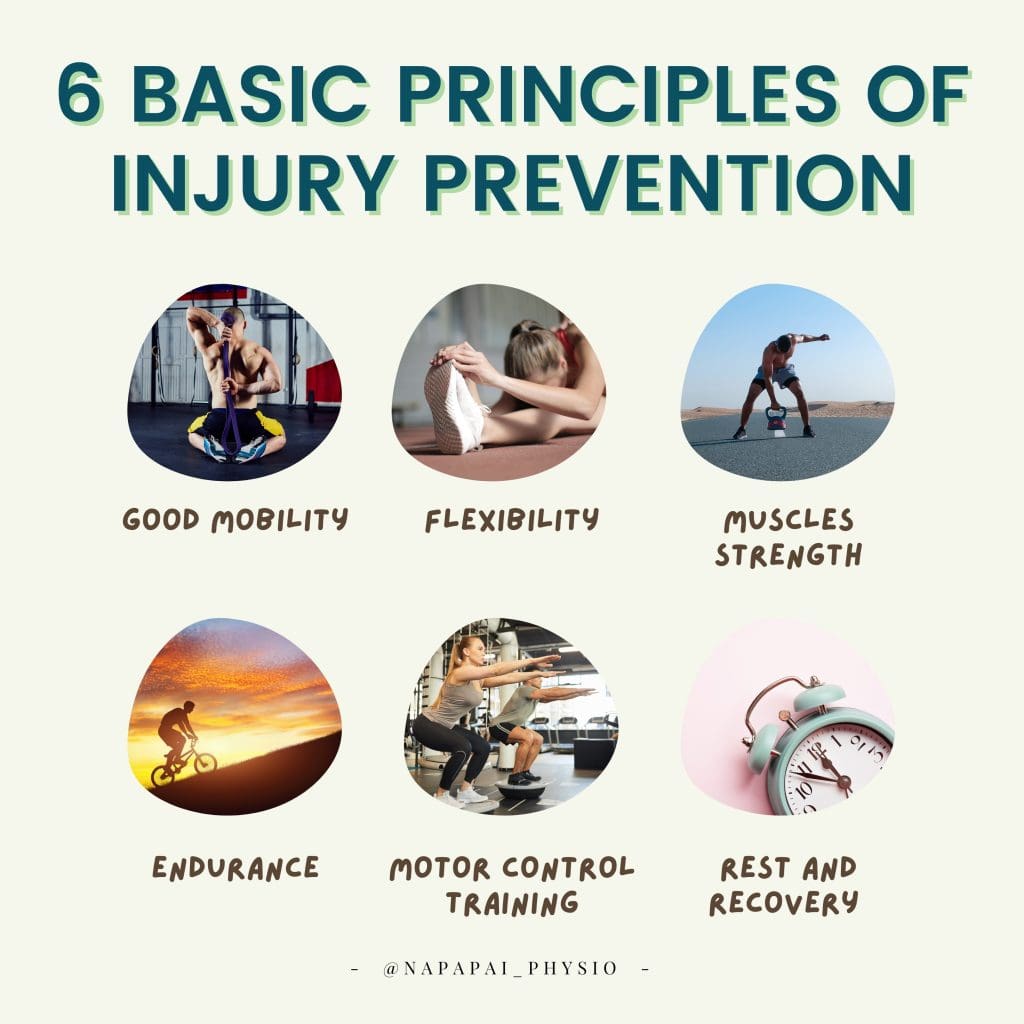
A balanced exercise routine should include a variety of cardiovascular, strength, and flexibility exercises. Cardiovascular exercises, such as brisk walking, jogging, or cycling, help to improve heart and lung health, increase endurance, and burn calories. Strength exercises, such as weightlifting or bodyweight exercises, build lean muscle mass, enhance bone density, and improve overall functional strength. Flexibility exercises, including stretching and yoga, promote joint mobility, reduce muscle tension, and prevent injuries. Incorporating all three types of exercises ensures a well-rounded and comprehensive fitness routine.
Avoid overemphasis on a single type of exercise
While focusing on a particular type of exercise may yield short-term results, overemphasizing one type of exercise can lead to imbalances and potential injury. It’s important to strike a balance and incorporate a variety of exercises to target different muscle groups and movement patterns. This approach prevents overuse injuries, helps to avoid burnout, and promotes overall fitness and well-being. By diversifying your workouts, you challenge your body in different ways, ensuring that all aspects of your physical fitness are addressed.
Cross-training to prevent overuse injuries
Cross-training is an effective strategy to prevent overuse injuries and maintain a balanced exercise routine. Rather than repeating the same exercises or activities every day, cross-training involves alternating between different types of exercises and activities. For example, instead of running every day, you can incorporate swimming, cycling, or strength training on alternate days. By varying your workouts, you give different muscle groups the opportunity to rest and recover, reducing the risk of overuse injuries caused by repetitive motions.
Proper Hydration and Nutrition
Drink water before, during, and after exercise
Proper hydration is essential for optimal performance and injury prevention. Before, during, and after exercise, make sure to drink water to replenish your body’s fluid levels. Adequate hydration helps to regulate body temperature, lubricate joints, transport nutrients, and remove waste products. It’s important to drink water even if you don’t feel thirsty, as thirst is not always a reliable indicator of dehydration. Sip water throughout your workout to maintain hydration levels and replace any fluids lost through sweat.
Eat a balanced diet to support muscle recovery and repair
Eating a balanced diet is crucial for supporting muscle recovery and repair after exercise. Consuming a variety of nutrient-dense foods provides your body with the fuel it needs to repair damaged tissues, build muscle, and restore energy stores. Include lean proteins to repair and build muscles, complex carbohydrates for sustained energy, and healthy fats for proper hormonal function. Make sure to also incorporate plenty of fruits and vegetables for antioxidants, vitamins, and minerals that aid in recovery and support overall health.
Consider electrolyte replacement for prolonged or intense workouts
Electrolytes, including sodium, potassium, calcium, and magnesium, play a vital role in maintaining proper muscle and nerve function. During prolonged or intense workouts that involve excessive sweating, you may need to consider electrolyte replacement. When you sweat, you not only lose water but also these essential minerals. Consuming sports drinks or electrolyte-rich foods can help replenish these minerals and maintain proper electrolyte balance, preventing muscle cramps, dehydration, and fatigue.
Adequate Rest and Recovery
Allow for rest days in your exercise schedule
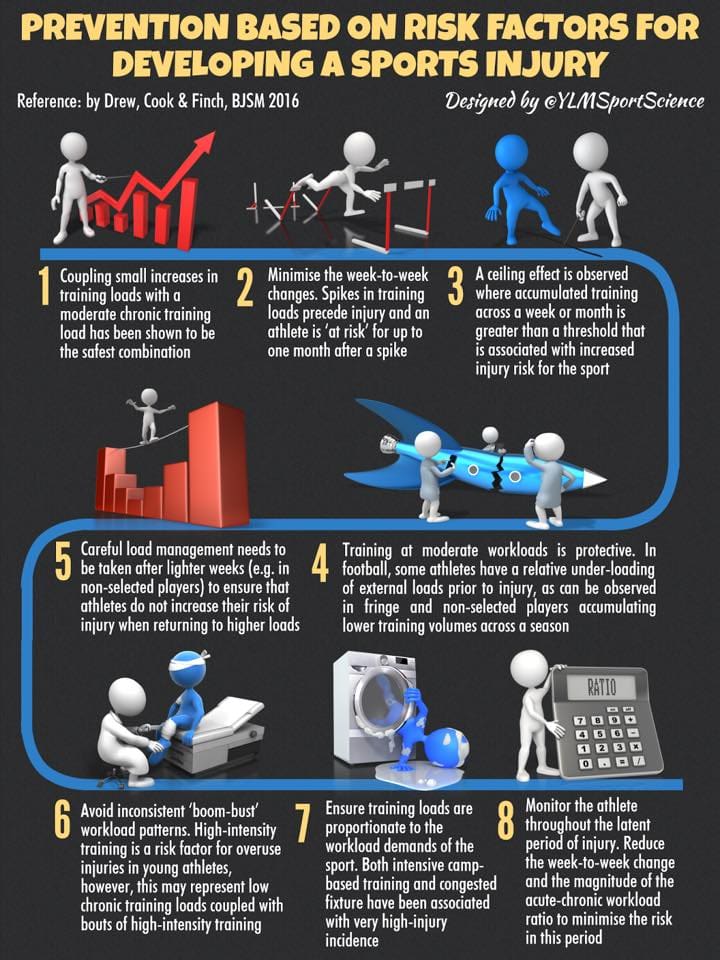
Rest days are an essential component of any training program. Your body needs time to recover and rebuild after intense exercise. By incorporating rest days into your exercise schedule, you give your muscles and connective tissues the opportunity to repair and strengthen themselves. Resting also helps to prevent mental and physical burnout, allowing you to maintain motivation and enjoyment in your fitness journey. Listen to your body and respect the importance of rest in achieving long-term success and injury prevention.
Get enough sleep for muscle repair and growth
Getting enough sleep is crucial for muscle repair and growth. During sleep, your body releases growth hormone, which plays a key role in repairing damaged tissues and building new muscle fibers after exercise. Lack of sleep can impair muscle recovery, compromise immune function, and negatively impact cognitive performance. Aim for 7-9 hours of quality sleep each night to ensure optimal recovery, reduce the risk of injury, and promote overall health and well-being.
Listen to your body’s need for recovery
Your body is a remarkable machine that gives you signals when it needs recovery. It’s important to listen to these signals and adjust your exercise routine accordingly. If you’re feeling excessively fatigued, experiencing persistent muscle soreness, or noticing a decline in performance, it may be a sign that you need more rest. Pushing through extreme fatigue or ignoring warning signs can lead to overtraining, decreased immune function, and an increased risk of injuries. Taking the time to properly recover and rejuvenate allows you to come back stronger and prevent long-term setbacks.
Gradual Return to Exercise After Injury
Follow medical advice and rehabilitation program
If you have been injured, it’s important to follow the advice and guidance of medical professionals. Consult a healthcare provider or physical therapist who can assess your injury, provide a diagnosis, and create a customized rehabilitation program. Adhering to the prescribed treatment and rehabilitation plan ensures that you heal properly and regain strength and mobility safely. Ignoring medical advice or rushing the recovery process can result in reinjury or complications that can delay your return to regular exercise.
Start with low impact exercises before progressing
When returning to exercise after an injury, it’s crucial to start with low impact exercises that allow you to gradually rebuild your strength and endurance. Low impact exercises, such as swimming, cycling, or walking, put less stress on your joints and tissues, minimizing the risk of reinjury. As you progress and regain confidence, gradually introduce higher impact exercises, always paying attention to your body’s response and adjusting the intensity accordingly. This gradual approach ensures a safe and effective return to full activity without putting excessive stress on your recovering body.
Monitor and adjust intensity based on symptoms
As you reintroduce exercise after an injury, it’s important to monitor your body’s response and adjust the intensity accordingly. Keep a close eye on any pain, discomfort, or unusual sensations during and after exercise. If you experience an increase in symptoms or pain, it may be a sign that you need to modify or reduce the intensity of your workouts. Listen to your body, be patient with yourself, and allow for ample time to fully heal and rebuild your strength. Gradually increasing intensity while keeping in tune with your body’s signals is the key to a successful and injury-free recovery.
Proper Conditioning and Strengthening
Include exercises to strengthen muscles and joints
Including exercises that specifically target muscle and joint strength is crucial for injury prevention. Strengthening the muscles around your joints helps to provide stability and support, reducing the risk of sprains, strains, and other injuries. Focus on compound exercises, such as squats, lunges, or deadlifts, which engage multiple muscle groups simultaneously. Additionally, incorporating exercises that target weak areas or imbalances can help correct asymmetries and improve overall functional strength, further minimizing the risk of injury.
Focus on core strength and stability
Building a strong and stable core is paramount for overall injury prevention. Your core, which includes the muscles of your abdomen, back, and pelvis, provides a solid foundation for all movements and helps to maintain proper posture and alignment. By incorporating exercises that target your core, such as planks, bridges, or Russian twists, you can enhance your stability, improve your balance, and reduce the risk of lower back pain and other injuries. Strong core muscles also enhance your performance in other exercises, making your movements more efficient and controlled.
Incorporate balance and proprioception training
Balance and proprioception training are essential for joint stability and injury prevention. Proprioception refers to your body’s awareness of its position in space, while balance refers to your ability to maintain equilibrium. By including exercises that challenge your balance and proprioception, such as single-leg stands, Bosu ball exercises, or yoga poses, you develop better body control, coordination, and muscle activation. These types of exercises strengthen your smaller stabilizing muscles, improve joint proprioception, and reduce the risk of falls and joint injuries.
Regular Stretching and Mobility Exercises
Perform static and dynamic stretches for major muscle groups
Regular stretching is important for both injury prevention and overall flexibility. Including both static and dynamic stretches in your routine is beneficial for different purposes. Static stretches, where you hold a stretch for 15-30 seconds, improve muscle length and flexibility, making them ideal for after your workout or during a cool-down. Dynamic stretches, involving controlled, rhythmic movements, help to warm up your muscles, increase blood flow, and improve range of motion. Incorporating both types of stretches ensures that your muscles are adequately prepared for exercise and maintain flexibility and mobility.
Include exercises to improve joint mobility and range of motion
Joint mobility and range of motion are important factors in preventing injuries and maintaining functional movement. Including exercises that target joint mobility, such as shoulder circles, hip rotations, or ankle mobility drills, helps to improve the fluidity and ease of your movements. By working on your joint mobility, you reduce the risk of muscle imbalances, joint restrictions, and compensatory movements that can lead to injury. Regularly performing these exercises ensures that your joints stay healthy, mobile, and resilient.
Stretch both before and after exercise
Stretching both before and after exercise is beneficial for injury prevention and overall flexibility. Pre-workout stretching, in the form of dynamic stretches, helps to warm up your muscles, increase blood flow, and prepare your body for the upcoming movements. These stretches should be dynamic, meaning they involve continuous, controlled movements that simulate the motions of your exercise routine. Post-workout stretching, on the other hand, involves static stretches and helps to improve muscle length, reduce muscle tension, and promote relaxation. By incorporating both types of stretching, you can maintain flexibility and minimize the risk of injury.