
Welcome to an informative guide on key strategies for preventing chronic diseases. In this article, you will discover simple yet effective ways to improve your overall health and reduce your risk of developing chronic conditions such as heart disease, diabetes, and cancer. By making small lifestyle changes and prioritizing your well-being, you can take proactive steps towards living a longer, healthier life. Let’s dive in and explore these key strategies together.
Key Strategies For Preventing Chronic Diseases
Have you ever wondered how you can take steps to prevent chronic diseases and live a healthier life? In this article, we will explore key strategies that you can incorporate into your daily routine to reduce your risk of developing chronic illnesses.
Understanding Chronic Diseases
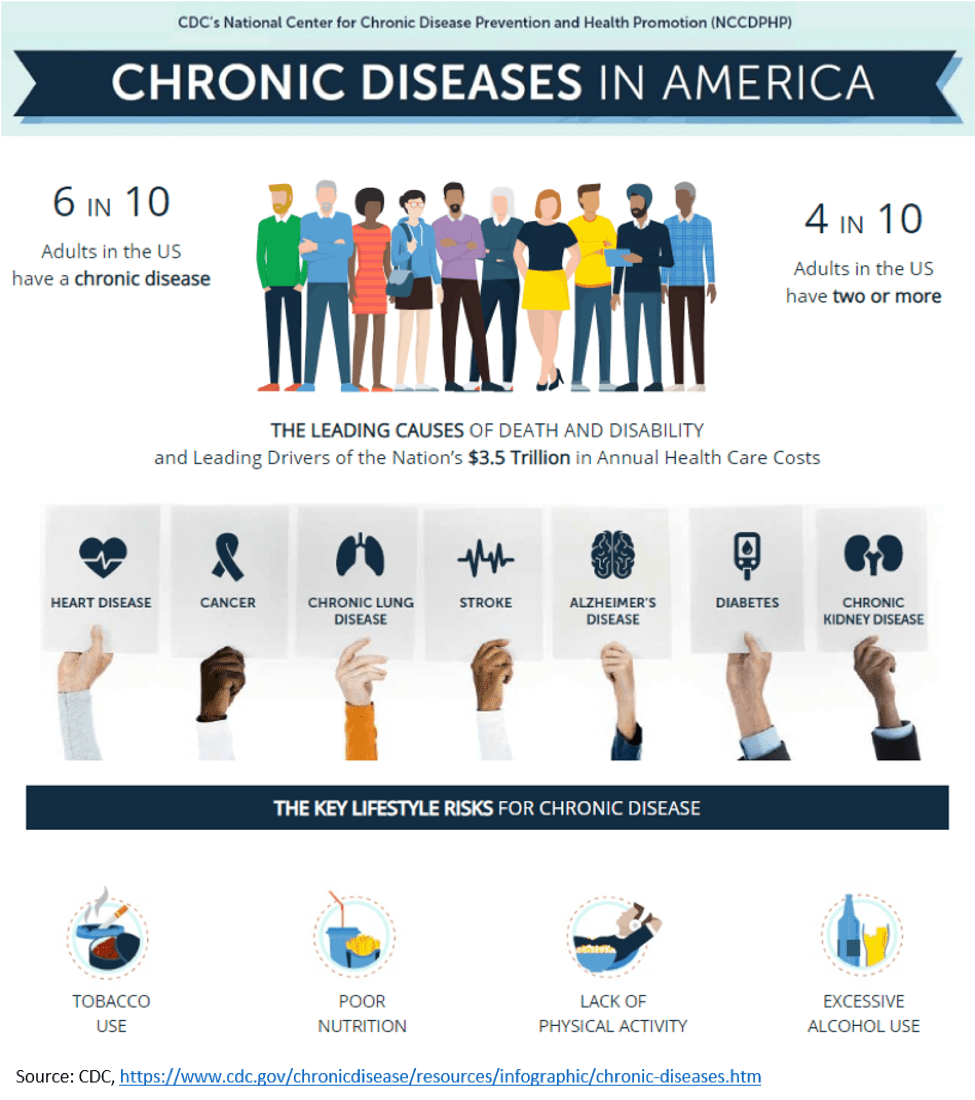
Chronic diseases, such as heart disease, diabetes, and cancer, are conditions that persist over time and typically progress slowly. These diseases can have a significant impact on your quality of life and can be costly to manage in the long term. By understanding the risk factors and lifestyle choices that contribute to the development of chronic diseases, you can take proactive steps to prevent them.
Let’s take a closer look at some key strategies for preventing chronic diseases.
Maintain a Healthy Diet
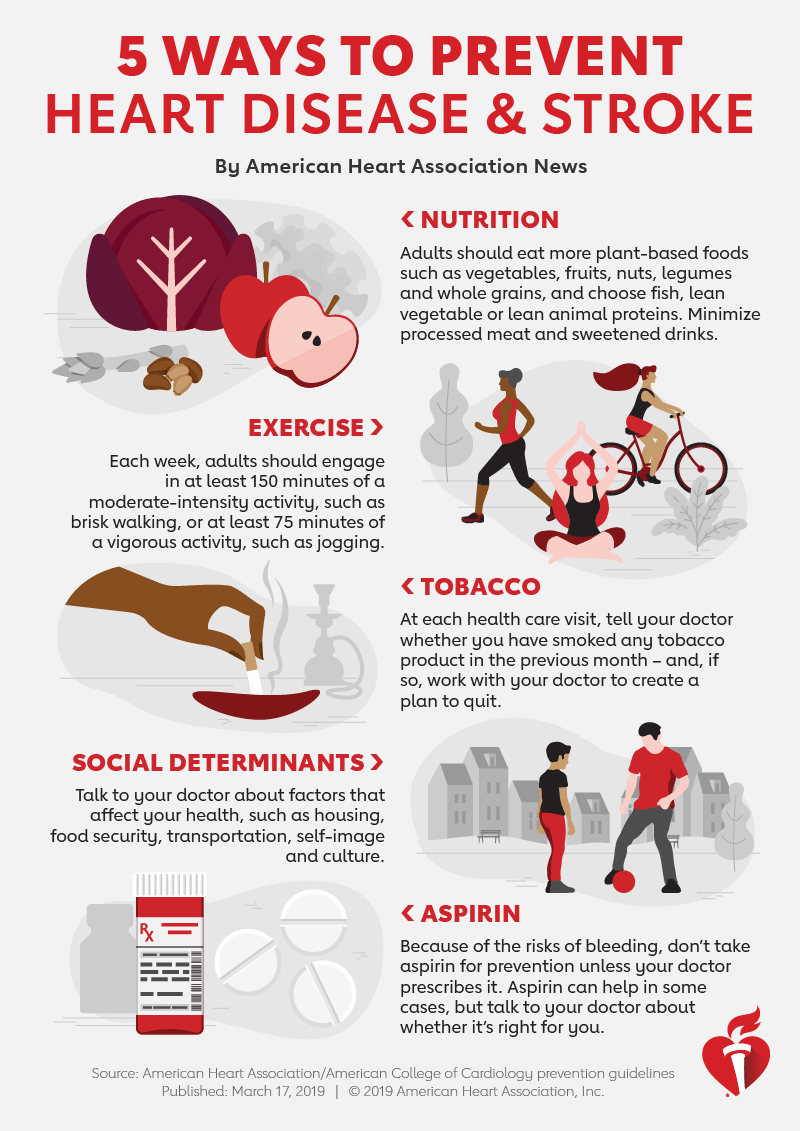
Eating a balanced and nutritious diet is essential for preventing chronic diseases. Make sure to include a variety of fruits, vegetables, whole grains, and lean proteins in your meals. Limit your intake of processed foods, sugary drinks, and foods high in saturated fats and sodium.
Remember, small changes in your diet can have a big impact on your overall health. Consider incorporating more plant-based foods into your meals, drinking plenty of water, and avoiding excessive alcohol consumption.
Stay Physically Active
Regular physical activity is a cornerstone of preventing chronic diseases. Aim for at least 150 minutes of moderate-intensity exercise each week, such as brisk walking, cycling, or swimming. Incorporating strength training exercises into your routine can also help improve your muscular strength and overall fitness.
Find activities that you enjoy and make them a regular part of your schedule. Whether it’s taking a dance class, going for a hike, or practicing yoga, staying active can have numerous benefits for your physical and mental health.
Maintain a Healthy Weight
Maintaining a healthy weight is crucial for preventing chronic diseases such as obesity, heart disease, and type 2 diabetes. Keep track of your weight and body mass index (BMI) to ensure that you are within a healthy range for your height. If you are overweight or obese, making small changes to your diet and exercise routine can help you reach a healthier weight.
Consult with a healthcare provider or a registered dietitian to develop a personalized plan for weight management. They can provide guidance on setting realistic goals, making healthy food choices, and staying motivated on your journey to better health.
Get Regular Health Screenings
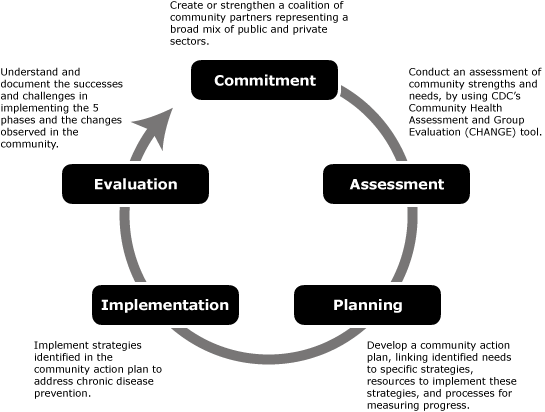
Regular health screenings can help detect potential health issues early on and allow for timely intervention. Make sure to schedule routine check-ups with your healthcare provider and follow their recommendations for screenings such as blood pressure, cholesterol, and blood glucose tests.
Be proactive about your health and be aware of any family history of chronic diseases that may increase your risk. By staying informed and regularly monitoring your health, you can catch problems early and take steps to prevent them from progressing.
Manage Stress
Chronic stress can have a negative impact on your physical and mental well-being and increase your risk of developing chronic diseases. Find healthy ways to manage stress, such as practicing mindfulness, deep breathing exercises, or engaging in relaxing activities like meditation or yoga.
Make time for self-care and prioritize activities that help you relax and unwind. Remember, taking care of your mental health is just as important as taking care of your physical health when it comes to preventing chronic diseases.
Avoid Tobacco and Limit Alcohol
Tobacco use is a leading cause of chronic diseases such as lung cancer, heart disease, and respiratory conditions. If you smoke or use tobacco products, consider quitting to reduce your risk of developing these serious health issues.
Limiting alcohol consumption is also important for preventing chronic diseases such as liver disease, certain cancers, and heart conditions. Make smart choices about how much alcohol you consume and be mindful of the impact it can have on your health.
Practice Good Sleep Hygiene
Getting enough quality sleep is essential for overall health and well-being. Aim for 7-8 hours of sleep each night and establish a bedtime routine that helps you relax and unwind before going to bed. Create a comfortable sleep environment that promotes restful sleep, such as keeping your room dark, cool, and quiet.
If you have trouble falling or staying asleep, consider speaking with a healthcare provider about strategies for improving your sleep quality. Chronic sleep deprivation can increase your risk of developing chronic diseases, so prioritizing good sleep hygiene is key to preventing these health issues.
Conclusion
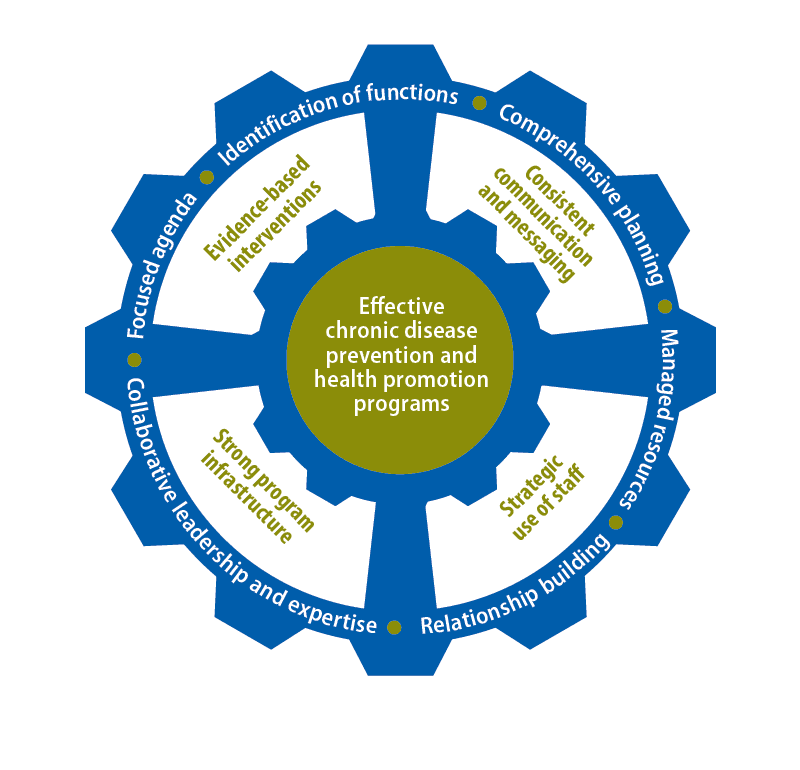
Preventing chronic diseases requires a proactive approach to your health and well-being. By incorporating these key strategies into your daily routine, you can reduce your risk of developing serious health issues and improve your overall quality of life. Remember to consult with healthcare providers or specialists for personalized recommendations and guidance on preventive care. Take control of your health today and make a commitment to prioritizing your well-being for a healthier future.