

Hello there! Are you experiencing bothersome perimenopause symptoms and looking for effective ways to manage them? In this article, we will explore key strategies that can help reduce the unpleasant symptoms associated with perimenopause. From adopting a healthy lifestyle to trying out natural remedies, we’ve got you covered with practical tips to make this transitional phase more bearable. Let’s dive in and discover how you can navigate through perimenopause with ease. Have you been struggling with perimenopause symptoms and looking for ways to alleviate them? You’re not alone! In this article, we will explore key ways to reduce perimenopause symptoms and help you navigate through this life transition with ease. So, keep reading to discover tips and tricks that can make a significant difference in your perimenopause journey.
Understanding Perimenopause
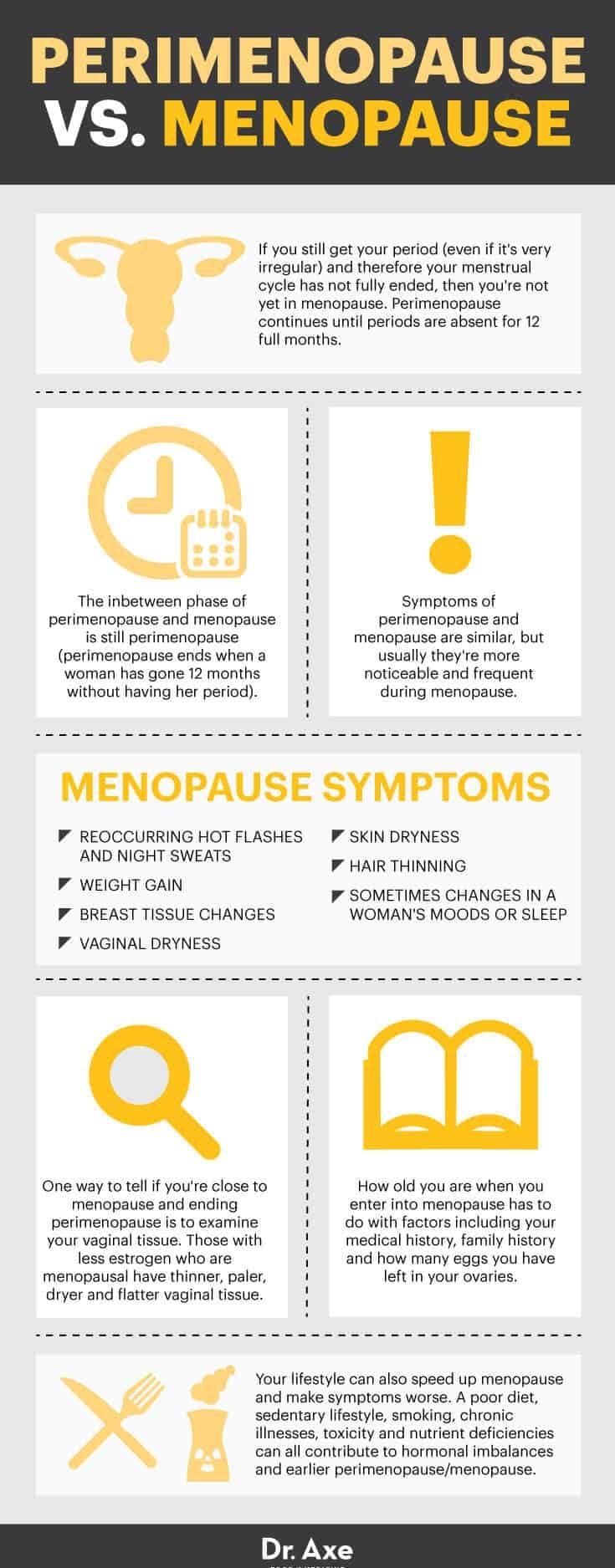
Perimenopause is the transitional phase before menopause, typically lasting for several years. It often begins in a woman’s 40s but can start in her 30s or earlier. During perimenopause, the ovaries gradually produce less estrogen, leading to various physical and emotional symptoms. Understanding what perimenopause is and how it affects your body is the first step in managing its symptoms effectively. By recognizing the signs and symptoms early on, you can take proactive steps to reduce their impact on your daily life.
Diet and Nutrition
One of the most important ways to manage perimenopause symptoms is through proper diet and nutrition. Eating a well-balanced diet rich in vitamins, minerals, and antioxidants can help alleviate symptoms and improve overall health.
Foods to Include
Incorporate foods rich in calcium, such as dairy products, leafy greens, and fortified foods, to support bone health. Additionally, include sources of omega-3 fatty acids, like fatty fish, nuts, and seeds, to reduce inflammation and support heart health. Following a balanced diet that includes a variety of fruits, vegetables, whole grains, and lean proteins can help stabilize mood swings and reduce fatigue commonly associated with perimenopause.
Foods to Avoid
Limiting caffeine, alcohol, and spicy foods can help alleviate hot flashes and night sweats. These triggers can exacerbate perimenopause symptoms, so reducing their consumption may lead to improved symptoms.
Meal Planning Tips
To ensure you are getting all the necessary nutrients, consider meal planning. By preparing balanced meals in advance, you can avoid impulsive, unhealthy food choices when experiencing mood swings or cravings. Planning your meals ahead of time can help you maintain a healthy diet and manage perimenopause symptoms effectively.

Exercise and Physical Activity
Regular exercise and physical activity are essential components of a healthy lifestyle, especially during perimenopause. Physical activity can help alleviate symptoms such as mood swings, weight gain, and fatigue while improving overall well-being.
Types of Exercise
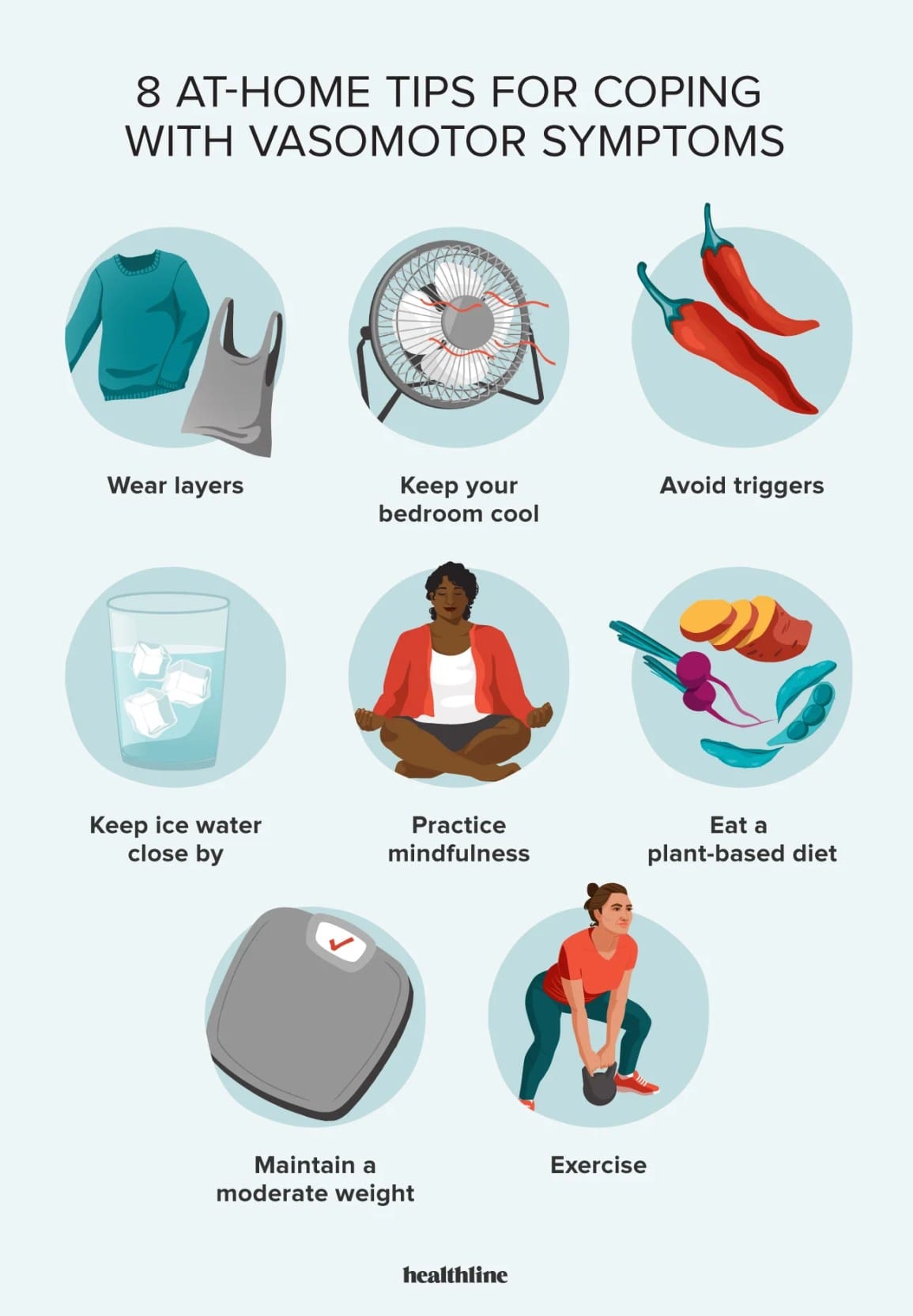
Incorporate a mix of cardiovascular, strength training, and flexibility exercises into your routine. Cardiovascular exercises, such as walking, jogging, or cycling, can help improve heart health and circulation. Strength training exercises, like weightlifting or bodyweight exercises, can help maintain muscle mass and support bone health. Flexibility exercises, such as yoga or Pilates, can improve joint mobility and reduce stiffness.
Fitness Routine
Find a fitness routine that works for you and fits into your schedule. Whether it’s going to the gym, taking group fitness classes, or exercising at home, choose activities that you enjoy and can stick to. Consistency is key when it comes to reaping the benefits of regular physical activity during perimenopause.
Benefits of Exercise
Regular exercise can help regulate hormone levels, improve mood, and reduce stress and anxiety. It can also aid in weight management, increase energy levels, and promote better sleep quality. By incorporating exercise into your daily routine, you can experience significant improvements in perimenopause symptoms and overall well-being.
Stress Management
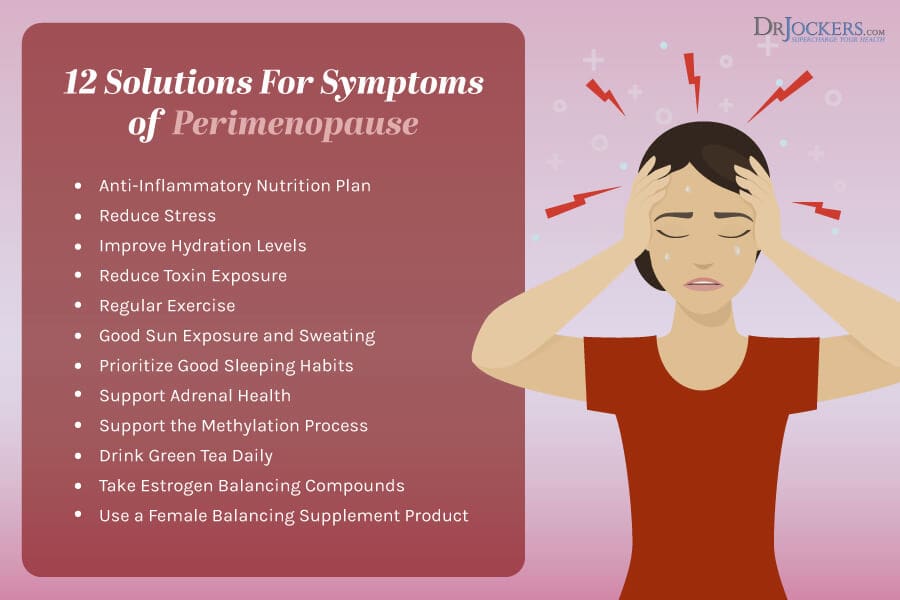
Managing stress is crucial during perimenopause, as hormonal changes can contribute to increased levels of stress and anxiety. Finding effective ways to cope with stress can help alleviate symptoms and improve your quality of life.
Stress-Relief Techniques
Explore different stress-relief techniques, such as deep breathing exercises, meditation, mindfulness, or yoga. These practices can help calm the mind, reduce anxiety, and promote relaxation. Engaging in hobbies, spending time in nature, or practicing gratitude can also help reduce stress levels and improve mental well-being.
Time Management
Effective time management is essential for reducing stress and maintaining a healthy work-life balance. Prioritize tasks, set boundaries, and delegate responsibilities when necessary to avoid feeling overwhelmed. Creating a schedule or to-do list can help you stay organized and focused while managing perimenopause symptoms.
Support System
Seeking support from friends, family, or a therapist can provide emotional assistance during challenging times. Talking openly about your perimenopause experience and sharing your feelings with others can help alleviate stress and anxiety. Surround yourself with a supportive network of people who understand and empathize with your journey.
Sleep Hygiene
Quality sleep is essential for overall health and well-being, especially during perimenopause when fluctuating hormone levels can disrupt sleep patterns. Establishing good sleep hygiene practices can help improve the quality of your sleep and reduce symptoms such as insomnia and fatigue.
Sleep Environment
Create a comfortable and relaxing sleep environment by keeping your bedroom dark, quiet, and cool. Invest in a comfortable mattress and pillows that support healthy sleep posture. Limit exposure to blue light from electronic devices before bedtime to promote restful sleep.
Bedtime Routine
Establish a bedtime routine that signals your body it’s time to wind down and prepare for sleep. Engage in calming activities like reading, taking a warm bath, or practicing relaxation techniques. Avoid stimulating activities, caffeine, and heavy meals close to bedtime to avoid sleep disturbances.
Consistent Sleep Schedule
Maintain a consistent sleep schedule by going to bed and waking up at the same time each day, even on weekends. Establishing a regular sleep routine can help regulate your body’s internal clock and improve the quality of your sleep. Avoid napping during the day to ensure you’re tired enough to fall asleep at night.
Incorporating these key ways to reduce perimenopause symptoms into your daily routine can make a significant difference in managing the physical and emotional challenges of this life transition. By understanding perimenopause, prioritizing diet and nutrition, engaging in regular physical activity, practicing stress management techniques, and prioritizing sleep hygiene, you can navigate through perimenopause with greater ease and wellbeing. Take control of your health and well-being by implementing these strategies and embracing this phase of life with confidence and grace.