
Living with COPD can be challenging, but there are several best practices that can help improve your quality of life and manage your symptoms effectively. From quitting smoking to following a regular exercise routine, this article will guide you through the key strategies and lifestyle changes that can make a significant difference in your journey with COPD. With a friendly tone, we will explore how incorporating these best practices into your daily routine can help you breathe easier and enjoy a more fulfilling life.
Understanding COPD
What is COPD?
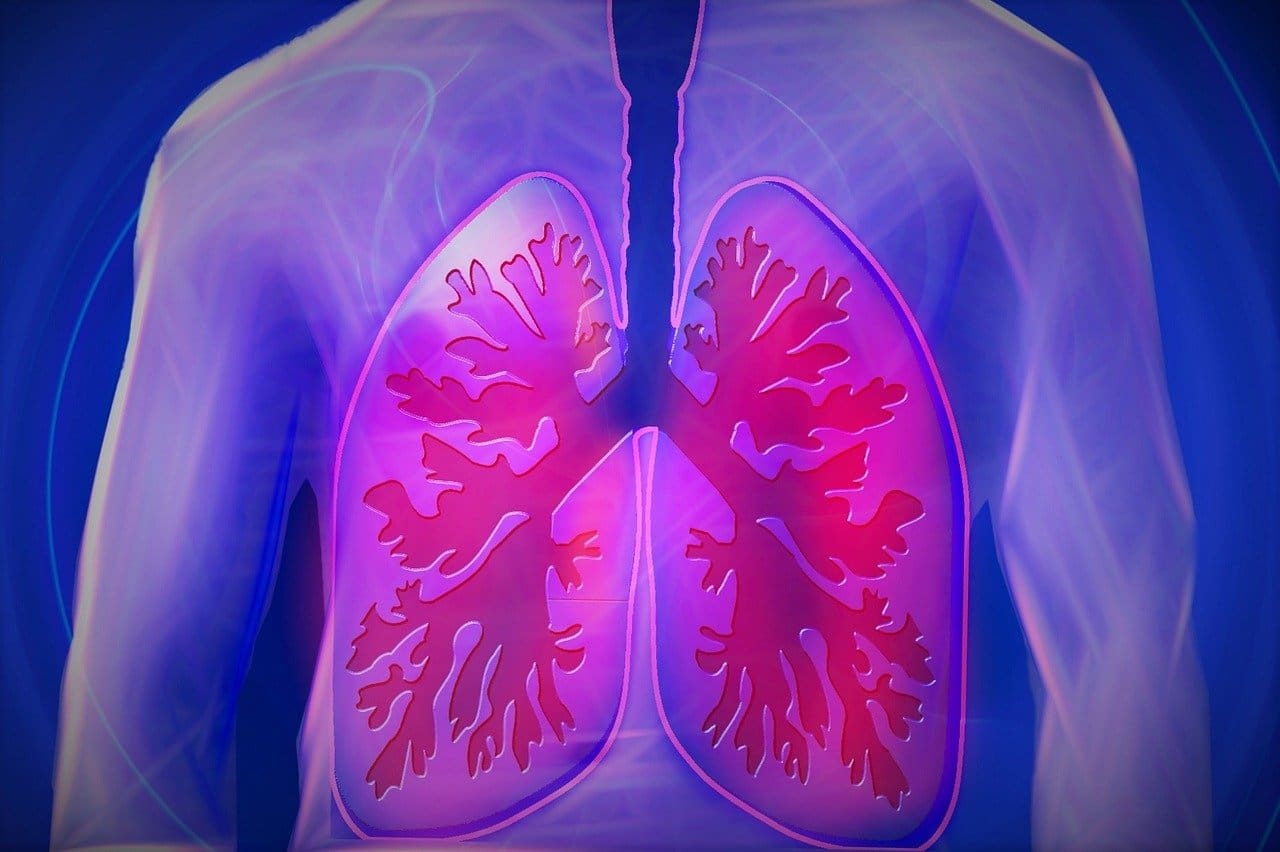
Chronic Obstructive Pulmonary Disease (COPD) is a progressive lung disease that makes it difficult to breathe. It is typically characterized by a combination of chronic bronchitis and emphysema. Chronic bronchitis involves the inflammation and narrowing of the airways, while emphysema damages the air sacs in the lungs. COPD is primarily caused by long-term exposure to substances that irritate the lungs, such as cigarette smoke, air pollution, and occupational hazards.
Causes of COPD
The main cause of COPD is long-term exposure to irritants that damage the lungs and airways. Smoking is the leading cause of COPD, responsible for about 80% of cases. However, non-smokers can also develop COPD due to exposure to secondhand smoke, air pollution, and workplace fumes and dust. Genetics and certain respiratory infections can also contribute to the development of COPD.
Types of COPD
COPD is typically classified into two main types: chronic bronchitis and emphysema. Chronic bronchitis is characterized by a chronic cough with phlegm, while emphysema is characterized by the destruction of the air sacs in the lungs. Many individuals with COPD have a combination of both chronic bronchitis and emphysema.
Symptoms of COPD
The symptoms of COPD may vary from person to person, but the most common ones include shortness of breath, chronic cough, wheezing, and frequent respiratory infections. Individuals with COPD may also experience fatigue, chest tightness, and unintended weight loss. These symptoms can greatly impact a person’s quality of life and ability to perform daily activities.
Diagnosis and Treatment
Getting diagnosed with COPD
If you experience persistent respiratory symptoms, it is important to seek medical attention for a proper diagnosis. Your healthcare provider will perform a physical examination, review your medical history, and conduct lung function tests to assess your lung capacity. They may also order additional tests, such as chest X-rays and blood tests, to rule out other possible causes of your symptoms.
Medical tests for COPD
Lung function tests, such as spirometry, are crucial in diagnosing COPD. Spirometry measures how much air you can exhale and how fast you can do it. Other tests, like a high-resolution CT scan, can provide more detailed images of your lungs and help determine the severity of your condition.
Treatment options for COPD
While there is currently no cure for COPD, there are various treatment options available to manage the symptoms and slow down the progression of the disease. The primary goals of treatment are to improve lung function, relieve symptoms, and enhance overall quality of life. Treatment options may include medications, pulmonary rehabilitation, oxygen therapy, and in severe cases, surgical interventions such as lung transplantation.
Lifestyle changes to manage COPD
In addition to medical interventions, certain lifestyle changes can greatly improve the management of COPD. Quitting smoking is the most crucial step, as it can significantly slow down the progression of the disease. Avoiding exposure to environmental pollutants and practicing good respiratory hygiene, such as regular handwashing and getting vaccinated against respiratory infections, is also essential. Engaging in regular exercise, maintaining a healthy diet, and managing stress can further support overall well-being.
Medication Management
Bronchodilators
Bronchodilators are commonly prescribed medications for COPD management. They work by relaxing the muscles around the airways, helping to open them up and improve airflow. Bronchodilators can be inhaled through a handheld inhaler or taken in pill form. Short-acting bronchodilators provide quick relief during symptom flare-ups, while long-acting bronchodilators are used as maintenance medications to prevent symptoms.
Inhaled steroids
Inhaled steroids, also known as corticosteroids, are often prescribed to reduce airway inflammation in individuals with COPD. They help to decrease mucus production and swelling in the airways, thereby improving breathing. Inhaled steroids are usually prescribed for individuals with frequent exacerbations or who have not responded adequately to bronchodilators alone.
Anti-inflammatory medications
In addition to inhaled steroids, other anti-inflammatory medications may be prescribed to manage COPD. These medications help to reduce airway inflammation and prevent exacerbations. They are typically taken orally and work by suppressing the immune response in the lungs.
Antibiotics for lung infections
In cases where COPD exacerbations are caused by bacterial infections, antibiotics may be prescribed. Antibiotics help to combat the infection and prevent further complications. It is important to take antibiotics as prescribed and complete the full course of treatment to ensure effective eradication of the infection.
Oxygen therapy
For individuals with severe COPD and low blood oxygen levels, oxygen therapy may be necessary. Oxygen therapy involves the use of supplemental oxygen to increase the oxygen levels in the blood and alleviate symptoms of breathlessness. It is usually administered through nasal prongs or a mask, and the flow rate is determined based on the individual’s specific needs.
Breathing Techniques
Pursed lip breathing
Pursed lip breathing is a breathing technique that can help improve airflow and reduce shortness of breath in individuals with COPD. It involves inhaling slowly through the nose and exhaling through pursed lips, as if blowing out a candle. Pursed lip breathing helps to create back pressure in the airways, keeping them open and allowing for more complete exhalation.
Diaphragmatic breathing
Diaphragmatic breathing, also known as belly breathing, is a technique that focuses on using the diaphragm (a muscle located below the lungs) to maximize air intake. This technique involves taking slow, deep breaths by expanding the diaphragm and filling the lungs from the bottom up. Diaphragmatic breathing helps to improve the efficiency of breathing and reduce the work of other respiratory muscles.
Huff coughing
Huff coughing is a technique that can be used to clear mucus from the airways and improve lung function. It involves taking a series of small, forceful breaths, followed by a deep breath in, and then coughing with a “huff” sound. Huff coughing helps to mobilize and move mucus up and out of the airways, making it easier to cough out.
Effective breathing exercises
Various breathing exercises, such as pursed lip breathing, diaphragmatic breathing, and huff coughing, can be combined into a comprehensive breathing routine for individuals with COPD. Working with a respiratory therapist or pulmonary rehabilitation specialist can help you learn and practice these techniques effectively. Regular practice of breathing exercises can improve lung function, enhance oxygen uptake, and reduce breathlessness.
Exercise and Physical Activity
Benefits of exercise for COPD patients
Regular exercise and physical activity offer numerous benefits for individuals with COPD. It can help improve lung function, increase exercise tolerance, reduce breathlessness, strengthen respiratory muscles, improve muscle strength and endurance, enhance cardiovascular fitness, and improve overall quality of life. Engaging in exercise can also help manage comorbidities, such as hypertension and obesity, which are commonly associated with COPD.
Types of exercises recommended
A combination of aerobic exercise, strength training, and flexibility exercises is recommended for individuals with COPD. Aerobic exercises, such as walking, biking, swimming, and dancing, help improve cardiovascular fitness and endurance. Strength training exercises, such as weight lifting or resistance band exercises, help strengthen muscles and improve overall functional capacity. Flexibility exercises, such as stretching or yoga, help improve joint mobility and reduce muscle stiffness.
Creating a personalized exercise plan
Before starting any exercise program, it is important to consult with your healthcare provider or a pulmonary rehabilitation specialist. They can assess your individual needs, medical history, and current fitness level to help create a personalized exercise plan. This plan should take into account your specific limitations and goals, gradually increase in intensity, and include regular rest periods. It is crucial to listen to your body and not push yourself too hard, as overexertion can worsen COPD symptoms.
Precautions to take while exercising
While exercise is beneficial for individuals with COPD, it is important to exercise with caution to avoid potential risks. Start slowly and gradually increase the intensity and duration of your workouts. Pay attention to your breathing and stop exercising if you experience severe breathlessness, chest pain, dizziness, or lightheadedness. Stay hydrated, avoid exercising in extreme weather conditions, and take necessary precautions to prevent exacerbations, such as using a rescue inhaler before exercise.
Diet and Nutrition
Eating a balanced diet
Maintaining a balanced diet is crucial for individuals with COPD to support overall health and manage the symptoms of the disease. A balanced diet should include a variety of nutrient-rich foods, such as fruits, vegetables, whole grains, lean proteins, and healthy fats. These foods provide essential vitamins, minerals, antioxidants, and fiber to support immune function, improve energy levels, and promote optimal lung health.
Foods to avoid
Certain foods and beverages can worsen symptoms and trigger flare-ups in individuals with COPD. It is important to limit or avoid foods that can cause bloating and gas, such as carbonated drinks, beans, cabbage, and onions. Additionally, foods high in sodium should be limited, as they can contribute to fluid retention and worsen breathing difficulties. It is also advisable to avoid foods that may trigger allergies or sensitivities, as they can exacerbate respiratory symptoms.
Importance of staying hydrated
Staying hydrated is essential for individuals with COPD, as it helps thin mucus secretions and makes them easier to cough up. It is recommended to drink an adequate amount of fluids throughout the day, preferably water or other non-caffeinated beverages. However, it is important to consult with your healthcare provider regarding your specific fluid intake needs, as excessive fluid intake may have adverse effects in some cases.
Managing weight loss or gain
Weight loss or gain can be common in individuals with COPD and can affect overall health and disease management. It is important to maintain a healthy weight to support optimal lung function and energy levels. If you are experiencing unintentional weight loss, it is advisable to consult with a healthcare provider or a registered dietitian to identify the underlying causes and develop a suitable nutrition plan. On the other hand, if you are gaining weight, it may be necessary to make dietary adjustments to prevent excessive weight gain.
Managing Flare-ups
Identifying flare-up triggers
It is essential for individuals with COPD to be aware of the factors that can trigger flare-ups or exacerbations of their symptoms. Common triggers include respiratory infections, exposure to irritants and pollutants, cold weather, and emotional stress. By identifying these triggers, individuals can take proactive measures to minimize their exposure and reduce the risk of exacerbations.
Developing an action plan
Working with your healthcare provider to develop a personalized action plan can be extremely beneficial in managing COPD flare-ups. An action plan outlines specific steps to be taken in the event of worsening symptoms, such as adjusting medication dosages, increasing the use of rescue inhalers, and seeking medical attention. Having a written action plan and understanding when to implement it can provide peace of mind and help prevent serious complications.
Using a rescue inhaler
Rescue inhalers, also known as bronchodilators, are medications that provide quick relief of COPD symptoms during flare-ups. These inhalers contain short-acting bronchodilators that help open up the airways, making breathing easier. It is important to carry a rescue inhaler with you at all times and know how to use it correctly. If symptoms worsen or persist despite using a rescue inhaler, it is crucial to seek medical attention.
Knowing when to seek emergency care
In some cases, COPD flare-ups can become severe and require immediate medical attention. It is important to recognize the warning signs that indicate the need for emergency care. These signs may include severe shortness of breath, bluish lips or fingertips, confusion, rapid heartbeat, or extreme fatigue. If you experience any of these symptoms, it is important to call emergency services or go to the nearest emergency room for prompt evaluation and treatment.
Mental Health and Emotional Support
Dealing with anxiety and depression
Living with COPD can take a toll on your mental health and emotional well-being. It is common for individuals with COPD to experience anxiety and depression due to the impact of the disease on their daily lives and the uncertainty it may bring. It is important to address these mental health concerns and seek appropriate support. Talking to your healthcare provider, engaging in therapy or counseling, and practicing stress-management techniques can help alleviate anxiety and depression symptoms.
Counseling and therapy
Seeking counseling or therapy can provide individuals with COPD a safe space to express their fears, frustrations, and concerns regarding the disease. Therapy can help individuals develop coping strategies, learn relaxation techniques, and improve overall emotional well-being. Cognitive-behavioral therapy (CBT) may be particularly beneficial in helping individuals manage anxiety and depression associated with COPD.
Joining support groups
Joining support groups, either in-person or online, can be a valuable source of emotional support for individuals with COPD. Connecting with others who are going through similar experiences can provide a sense of understanding, encouragement, and solidarity. Support groups offer an opportunity to share coping strategies, ask questions, and gain insights from others’ experiences, all of which can greatly contribute to mental well-being.
Managing stress
Stress management is crucial for individuals with COPD, as stress can exacerbate symptoms and impact overall quality of life. Engaging in activities that promote relaxation, such as practicing mindfulness or yoga, listening to calming music, or engaging in hobbies, can help reduce stress levels. It is also important to prioritize self-care, set realistic expectations, and seek help when needed to prevent stress from taking a toll on mental and physical well-being.
Practical Tips for Daily Living
Creating a COPD-friendly home environment
Modifying your home environment can help optimize daily living with COPD. Ensure good indoor air quality by reducing potential irritants like tobacco smoke, dust, and chemical fumes. Consider using air purifiers and opening windows for fresh air circulation. Removing clutter, arranging furniture for ease of movement, and installing grab bars in bathrooms can also help prevent falls and facilitate mobility.
Assistive devices for daily activities
Assistive devices can greatly enhance independence and ease daily activities for individuals with COPD. Walkers, canes, or rollators can provide support and stability, particularly during periods of breathlessness or fatigue. Reachers or extended grabbers can assist in reaching objects without straining or bending over. Using shower chairs or stools can provide a safe and comfortable bathing experience.
Energy conservation techniques
Conserving energy is important for individuals with COPD, as fatigue and breathlessness can occur with physical exertion. Planning and organizing daily activities in a way that balances rest and activity can help manage energy levels. Breaking tasks into smaller, manageable segments, delegating tasks, and using energy-saving techniques, such as sitting instead of standing, can help conserve energy and reduce unnecessary strain.
Traveling with COPD
With proper planning, individuals with COPD can still enjoy travel and explore new places. It is essential to consult with your healthcare provider before traveling to ensure your condition is stable and to obtain any necessary vaccinations or medications. When traveling by air, make sure to request for supplemental oxygen if needed and inform the airline of any special requirements. Pack necessary medications, travel with copies of important medical documents, and ensure access to medical facilities at your destination.
Monitoring and Regular Check-ups
Monitoring symptoms and lung function
Regularly monitoring your symptoms and lung function is crucial in managing COPD effectively. Keep track of any changes in your symptoms, such as increased breathlessness or cough, and record them in a journal or a COPD tracking app. Spirometry tests can be performed periodically to assess your lung function and monitor disease progression. Recognizing early signs of exacerbations and seeking prompt medical attention can help prevent serious complications.
Importance of regular doctor visits
Regular check-ups with your healthcare provider are essential in the management of COPD. These visits allow your healthcare team to assess your overall health, review your medication regimen, and adjust treatment plans as needed. It is important to discuss any concerns or changes in your symptoms during these appointments. Your healthcare provider can provide guidance on lifestyle modifications, address any questions, and help you navigate the challenges of living with COPD.
Spirometry and other tests
Spirometry is a key diagnostic and monitoring tool for COPD. It measures how much air you can inhale and exhale forcefully and quickly. This test can provide important information about your lung function, including the severity of airflow limitation and the effectiveness of your treatment plan. Other tests, such as chest X-rays, blood tests, and CT scans, may be ordered to assess lung health, identify potential complications, or rule out other lung diseases.
Preventive measures to avoid exacerbations
Prevention is key in managing COPD and avoiding exacerbations. In addition to quitting smoking, it is important to take preventive measures to reduce the risk of respiratory infections, such as getting vaccinated against the flu and pneumonia. Practicing good hand hygiene, avoiding crowded places during peak flu seasons, and wearing a mask in polluted or dusty environments can further help protect against respiratory infections. Following a healthy lifestyle, managing stress, and adhering to your prescribed treatment plan are crucial in minimizing the risk of exacerbations.
Living with COPD presents unique challenges, but with the right knowledge, support, and lifestyle modifications, individuals with COPD can lead fulfilling lives. By understanding the nature of the disease, adhering to treatment plans, engaging in healthy habits, managing symptoms, and seeking proper medical and emotional support, individuals with COPD can effectively manage their condition and improve their overall well-being. Remember, you are not alone in this journey, and there are resources and strategies available to help you live your best life with COPD.