Living with fibromyalgia can be challenging, but with the right coping strategies and symptom management techniques, you can lead a fulfilling life. From maintaining a healthy lifestyle to exploring various treatment options, this article will provide you with invaluable insights and practical tips to help you navigate the complexities of fibromyalgia. Whether you’re seeking ways to alleviate pain or looking for ways to combat fatigue, this comprehensive guide aims to empower you with the tools and knowledge you need to thrive in your daily life.
Overview of Fibromyalgia
Definition and background
Fibromyalgia is a chronic disorder characterized by widespread pain and tenderness in the muscles and soft tissues of the body. It is often accompanied by fatigue, sleep disturbances, and cognitive difficulties, commonly referred to as “fibro fog.” The exact cause of fibromyalgia is unknown, but it is believed to involve a combination of genetic, environmental, and psychological factors. It affects millions of people worldwide, predominantly women, and often begins in middle adulthood.
Prevalence and demographics
Fibromyalgia is estimated to affect 2-4% of the general population, with women being diagnosed more frequently than men. It can occur at any age, but it is most commonly diagnosed in individuals between the ages of 30 and 50. Studies have shown that an individual’s socioeconomic status and ethnicity do not significantly influence the prevalence of fibromyalgia.
Causes and risk factors
The exact causes of fibromyalgia are not well understood. However, several factors have been identified that may contribute to its development. Genetic predisposition plays a role, as individuals with a family history of fibromyalgia are more likely to develop the condition. Additionally, physical or emotional trauma, such as injuries, infections, or psychological stress, may trigger the onset of fibromyalgia symptoms. Other risk factors include gender (women are more commonly affected), certain autoimmune diseases, and a history of mood disorders.
Diagnosis of Fibromyalgia
Signs and symptoms
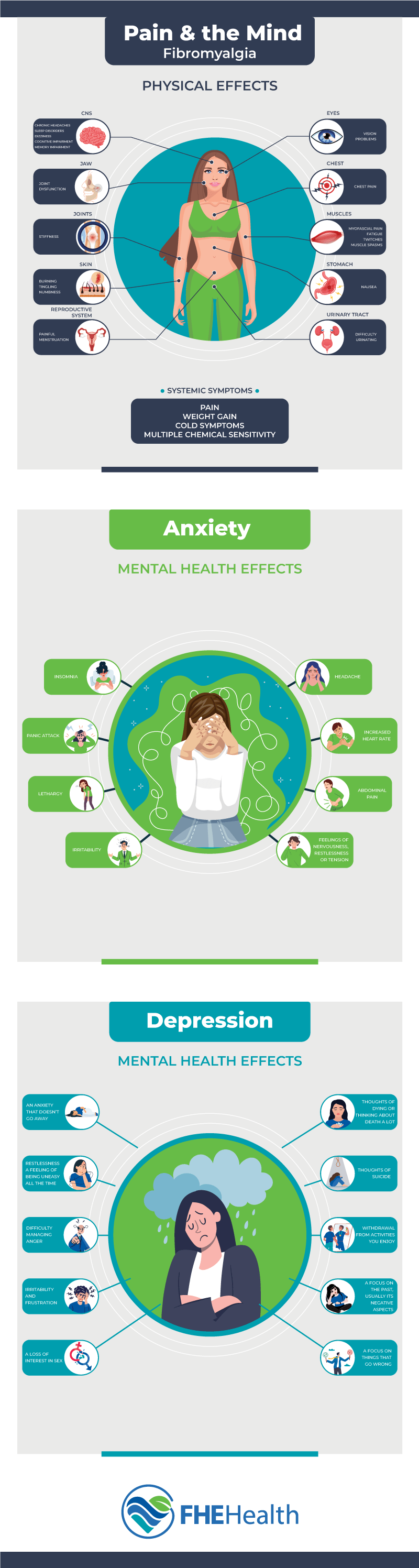
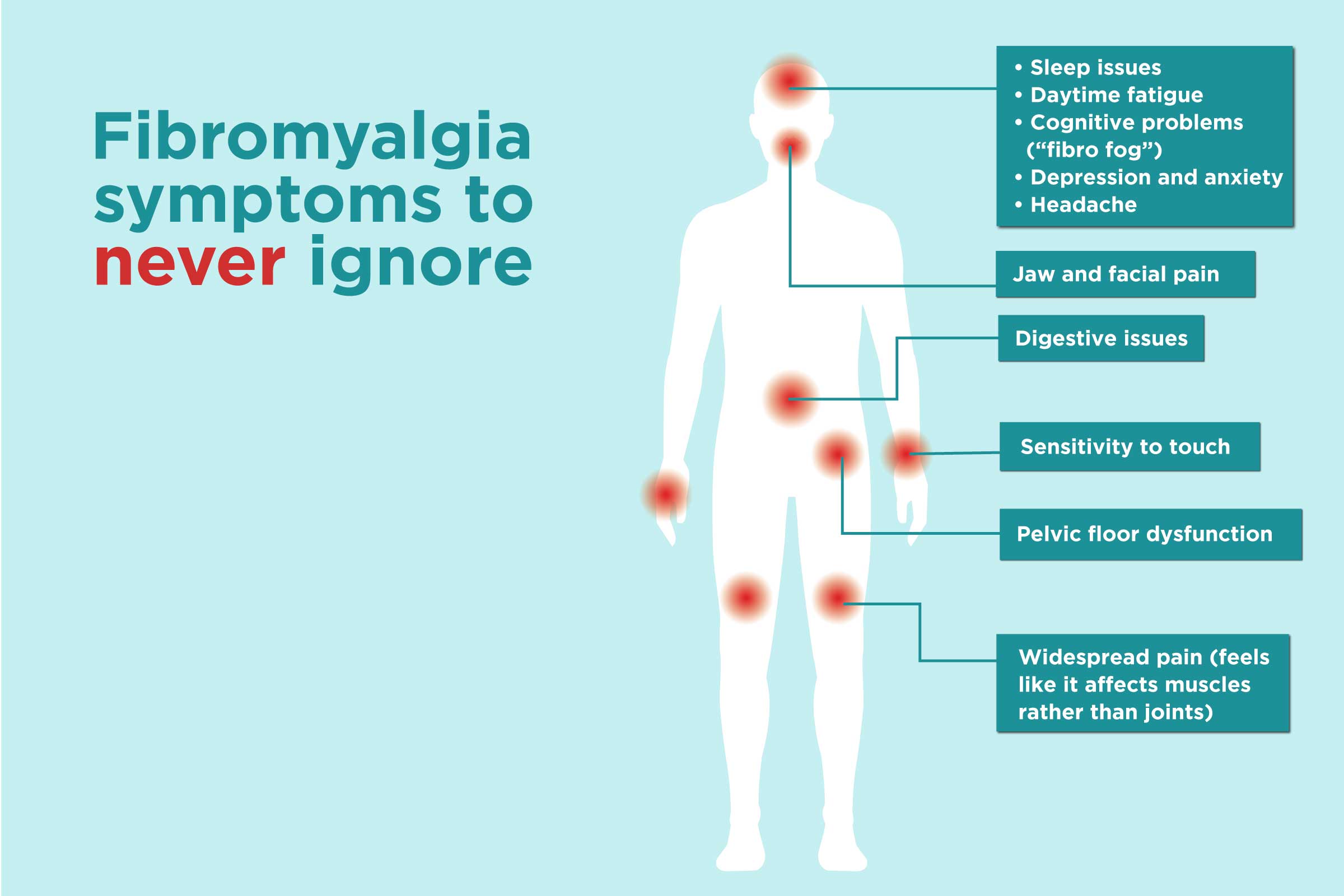
The primary symptom of fibromyalgia is widespread pain that persists for at least three months. This pain is typically accompanied by tenderness in specific areas known as tender points. Fatigue, sleep disturbances, cognitive difficulties, headaches, and digestive issues are also common symptoms. Individuals with fibromyalgia may experience a variety of other symptoms, such as irritable bowel syndrome, anxiety, depression, and sensitivity to light and sound.
Diagnostic criteria
Diagnosing fibromyalgia can be challenging, as there are no specific laboratory tests or imaging studies that can definitively confirm the condition. However, there are established diagnostic criteria that are widely used by healthcare professionals. The criteria include a history of widespread pain and tenderness in at least 11 of the 18 specified tender points, as well as the absence of any underlying medical conditions that could explain the symptoms.
Medical tests and evaluations
While there are no specific tests for diagnosing fibromyalgia, healthcare professionals may perform certain tests to rule out other conditions with similar symptoms. Blood tests may be conducted to evaluate the levels of certain substances in the body, such as inflammation markers or thyroid function. X-rays or other imaging studies may be ordered to rule out other musculoskeletal disorders. However, it is important to note that these tests are typically used to exclude other conditions and not specifically to diagnose fibromyalgia.
Coping Strategies for Fibromyalgia
Self-care practices
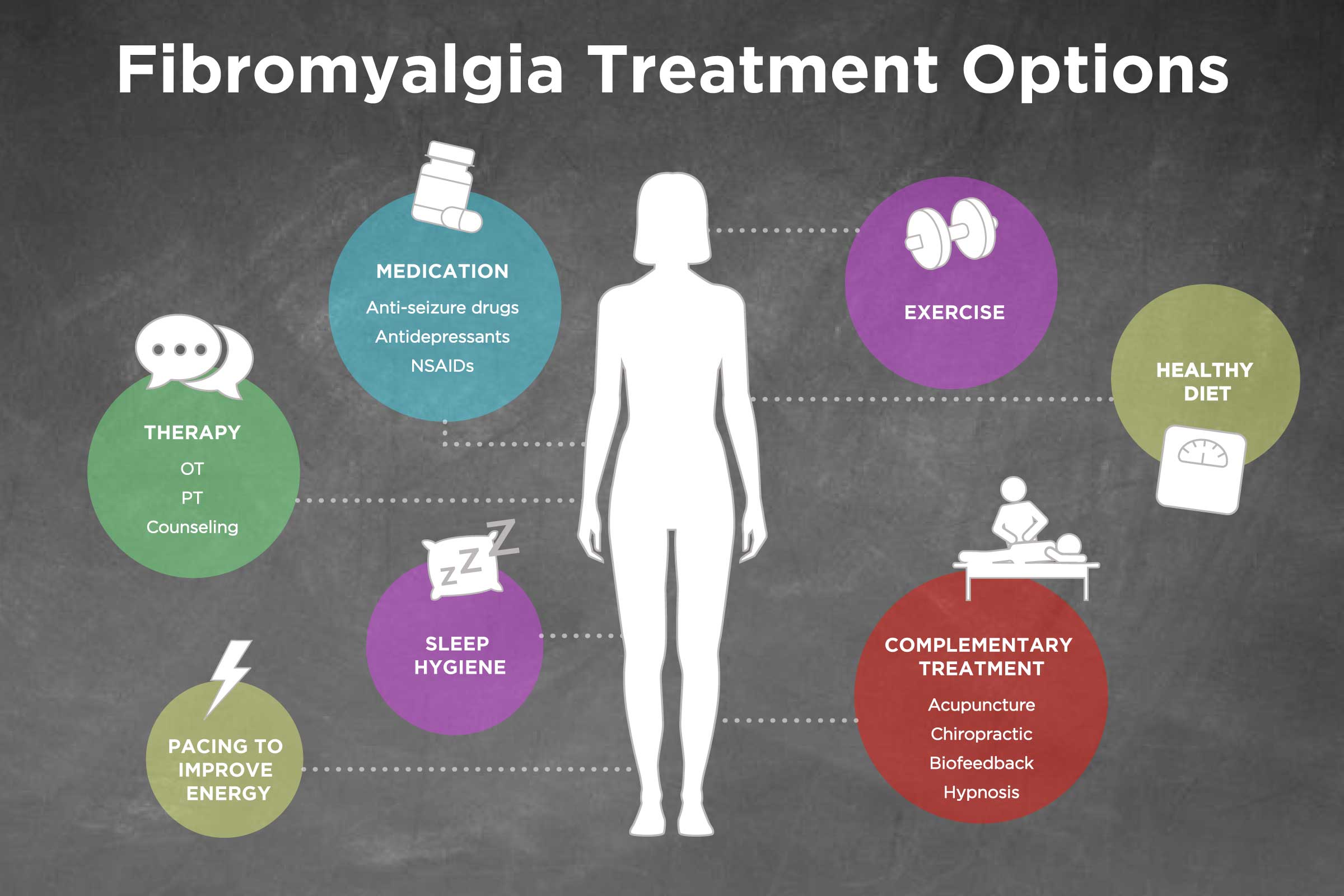
Self-care practices play a crucial role in managing fibromyalgia symptoms and improving overall well-being. This includes establishing a regular sleep routine, engaging in gentle exercises like walking or swimming, maintaining a healthy diet, and managing stress through relaxation techniques such as deep breathing and meditation. It is also important to pace oneself and prioritize activities to prevent overexertion and conserve energy.
Pain management techniques
Pain management is a key component of coping with fibromyalgia. Heat therapy, such as warm baths or heating pads, can help alleviate muscle pain and stiffness. Cold therapy, in the form of ice packs or cold compresses, can be beneficial for reducing inflammation and numbing localized pain. Additionally, over-the-counter pain relievers, such as acetaminophen or nonsteroidal anti-inflammatory drugs (NSAIDs), may provide temporary relief for mild to moderate pain.
Stress reduction strategies
Stress can exacerbate fibromyalgia symptoms, so implementing effective stress reduction strategies is essential for managing the condition. Engaging in activities that promote relaxation and enjoyment, such as yoga or hobbies, can help reduce stress levels. Learning and practicing stress management techniques, such as deep breathing exercises or progressive muscle relaxation, can also be beneficial. It may also be helpful to identify and avoid triggers that contribute to stress, such as certain people, situations, or environments.
Medications and Treatments
Medications for fibromyalgia
Several medications may be prescribed to help manage fibromyalgia symptoms. These can include antidepressant medications, such as selective serotonin reuptake inhibitors (SSRIs) or serotonin-norepinephrine reuptake inhibitors (SNRIs), which can help reduce pain and improve mood. Muscle relaxants may be prescribed to alleviate muscle stiffness and spasms. In certain cases, opioid medications or anticonvulsants may be used to manage severe pain. It is important to work closely with a healthcare professional to determine the most appropriate medication plan for individual needs.
Physical therapy and exercise
Physical therapy can be an effective treatment option for fibromyalgia. A licensed physical therapist can develop a personalized exercise program that includes stretching, strengthening, and aerobic activities tailored to an individual’s abilities and limitations. Regular exercise helps improve muscle strength, flexibility, and overall physical function. It can also increase the production of endorphins, which are the body’s natural painkillers that promote a sense of well-being.
Alternative and complementary therapies
Alternative and complementary therapies, such as acupuncture, chiropractic care, massage therapy, and herbal supplements, are often used by individuals with fibromyalgia to complement traditional treatments. While the evidence supporting their effectiveness varies, some people find these therapies helpful in reducing pain and improving overall well-being. It is important to consult with a healthcare professional before embarking on any alternative or complementary treatment to ensure safety and effectiveness.
Impact on Daily Life
Challenges with work and productivity
Fibromyalgia can significantly impact an individual’s ability to work and be productive. The chronic pain, fatigue, and cognitive difficulties associated with the condition can make it difficult to perform daily tasks, concentrate, and meet job requirements. Flexible work arrangements, such as working from home or part-time schedules, may be necessary to accommodate the fluctuating symptoms. Open and honest communication with employers, along with workplace accommodations, can help individuals with fibromyalgia continue to work and thrive in their careers.
Effects on sleep and energy levels
Sleep disturbances and fatigue are common symptoms of fibromyalgia, which can further exacerbate other aspects of daily life. Difficulties falling asleep, staying asleep, and waking up feeling refreshed can significantly impact energy levels and overall quality of life. Implementing good sleep hygiene practices, such as establishing a consistent sleep schedule, creating a relaxing bedtime routine, and creating a sleep-friendly environment, can help improve sleep and restore energy levels.
Social and emotional implications
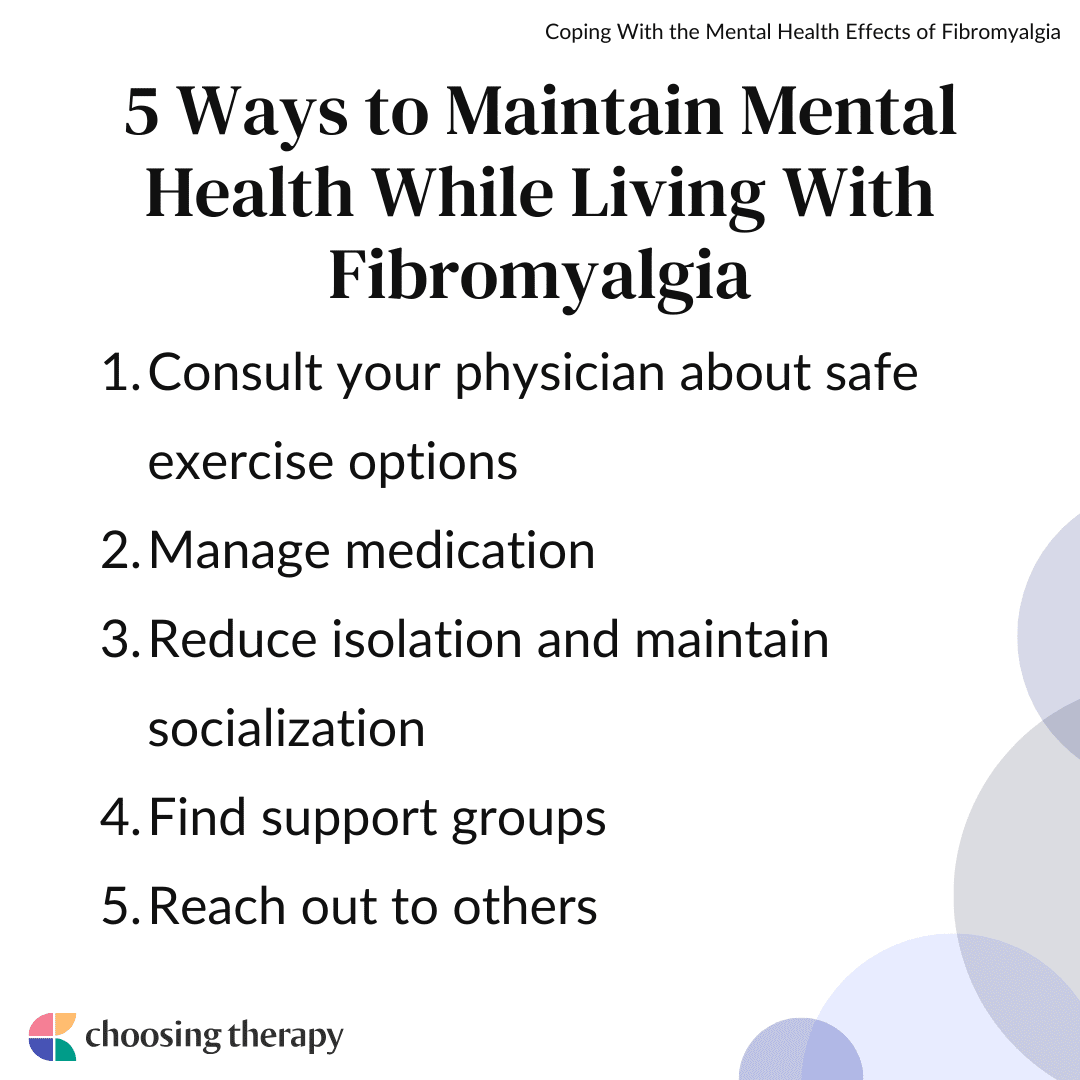
Living with fibromyalgia can have a profound impact on an individual’s social and emotional well-being. The chronic pain and fatigue can lead to feelings of isolation and frustration, as individuals may have to limit their social activities or cancel plans due to symptom flare-ups. Depression, anxiety, and other mental health issues are also common in individuals with fibromyalgia. Seeking support from family, friends, and mental health professionals can be instrumental in managing the emotional challenges associated with fibromyalgia.
Creating a Supportive Environment
Communicating with family and friends
Open and honest communication with family and friends is crucial in creating a supportive environment for someone with fibromyalgia. Educating loved ones about the condition and its impact on daily life can help foster understanding and empathy. Clear communication about personal boundaries and limitations is essential, as individuals with fibromyalgia may need to modify activities or take breaks to manage symptoms. Regular check-ins and offering emotional support can make a significant difference in the well-being of someone living with fibromyalgia.
Building a healthcare team
Building a healthcare team that includes a primary care physician, rheumatologist, physical therapist, and mental health professional is essential in managing fibromyalgia. Each member of the team plays a unique role in addressing various aspects of the condition and providing comprehensive care. Regular appointments with healthcare professionals allow for ongoing monitoring, adjustment of treatment plans, and the opportunity to address any new or worsening symptoms.
Support groups and online communities
Participating in support groups or online communities can provide individuals with fibromyalgia a sense of belonging and understanding. Sharing experiences, insights, and coping strategies with others who are going through similar challenges can contribute to emotional well-being and provide valuable support. Support groups can also serve as a source of information about new research, treatment options, and community resources.
Symptom Management Techniques
Sleep hygiene practices
Establishing good sleep hygiene practices can greatly improve sleep quality for individuals with fibromyalgia. This includes maintaining a consistent sleep schedule, creating a calm and comfortable sleep environment, avoiding stimulating activities before bed, and limiting the consumption of caffeine and alcohol. Developing a relaxing bedtime routine, such as taking a warm bath or reading a book, can also signal the body that it is time to unwind and prepare for sleep.
Nutrition and diet tips
A balanced and nutritious diet can play a role in managing fibromyalgia symptoms. Focus on incorporating whole foods, such as fruits, vegetables, lean proteins, and whole grains, into your meals. Some individuals with fibromyalgia find that certain foods, such as those rich in additives or artificial sweeteners, can trigger symptom flare-ups. Keeping a food diary can help identify potential triggers and allow for adjustments in the diet. It is also important to stay hydrated and limit the consumption of caffeine and alcohol, as they can impact sleep and exacerbate symptoms.
Managing fatigue and cognitive difficulties
Fatigue and cognitive difficulties, often referred to as “fibro fog,” are common challenges for individuals with fibromyalgia. To manage fatigue, it is important to prioritize rest and relaxation throughout the day. This may involve taking regular breaks, practicing relaxation techniques, and planning activities with built-in rest periods. To address cognitive difficulties, strategies such as making to-do lists, using calendars or reminder apps, and breaking tasks into smaller, manageable steps can help improve organization and alleviate mental fatigue.
Improving Emotional Well-being
Counseling and therapy
Counseling and therapy can be beneficial for individuals with fibromyalgia, as it provides a safe space to explore and address the emotional impact of living with a chronic condition. Cognitive-behavioral therapy (CBT) is a common approach used to help individuals develop coping mechanisms, set realistic goals, and challenge negative thought patterns. Additionally, counseling can help individuals navigate the emotional challenges related to the impact of fibromyalgia on relationships, work, and self-esteem.
Stress management techniques
Stress management techniques are essential for improving emotional well-being in individuals with fibromyalgia. Deep breathing exercises, progressive muscle relaxation, and guided imagery are effective relaxation techniques that can help reduce stress and promote a sense of calm. Engaging in activities that bring joy and relaxation, such as listening to music, practicing yoga, or spending time in nature, can also contribute to stress reduction.
Mindfulness and relaxation exercises
Practicing mindfulness and relaxation exercises can help individuals with fibromyalgia cultivate a sense of present-moment awareness and reduce anxiety and stress. Mindfulness meditation involves focusing attention on the present moment by observing thoughts and sensations without judgment. This practice can help individuals build resilience and develop a greater sense of control over their thoughts and emotions. Guided relaxation exercises, such as body scans or progressive muscle relaxation, can also provide relief from muscle tension and promote overall relaxation.
Strategies for Managing Flare-ups
Recognizing triggers
Identifying and recognizing triggers that can provoke fibromyalgia flare-ups is an important step in managing the condition. Keeping a symptom diary can help pinpoint patterns and potential triggers, such as certain foods, physical exertion, emotional stress, or changes in weather. Once triggers are identified, individuals can take proactive steps to avoid or minimize exposure to these triggers, helping to reduce the frequency and severity of flare-ups.
Developing a flare-up action plan
Creating a flare-up action plan can help individuals effectively manage symptoms during flare-ups. This plan may include specific strategies for pain management, such as using heat or cold therapy, taking prescribed medications as directed, and practicing relaxation techniques. It may also involve adjusting daily activities or seeking additional support from healthcare professionals or loved ones.
Modifying daily activities
To prevent and manage flare-ups, it may be necessary to modify daily activities. This can involve pacing oneself, breaking tasks into smaller, manageable chunks, and scheduling regular rest breaks. Listening to one’s body and learning to recognize and respect physical limitations is essential for preventing overexertion and minimizing symptom flare-ups.
Lifestyle Adjustments
Balancing rest and activity
Finding the right balance between rest and activity is crucial for individuals with fibromyalgia. It is important to listen to your body and adjust your daily routine accordingly. This may involve scheduling regular rest periods throughout the day, prioritizing activities that bring joy and fulfillment, and learning to say no to excessive commitments. By pacing oneself and conserving energy, individuals with fibromyalgia can better manage symptoms and maintain a higher quality of life.
Ergonomic modifications
Making ergonomic modifications to the home and workplace environment can help alleviate pain and discomfort for individuals with fibromyalgia. This can include using supportive chairs with proper lumbar support, adjusting the height and position of desks and computer screens, using specialized pillows or mattresses to support a proper sleep posture, and employing assistive devices or adaptive technologies to reduce strain on the body during daily activities.
Pacing and energy conservation
Pacing oneself and practicing energy conservation techniques can help prevent symptom flare-ups and manage daily activities effectively. This involves taking frequent breaks, spreading tasks throughout the day, and using assistive devices or tools that reduce the strain on the body. Prioritization and delegation of tasks, as well as learning to ask for help when needed, are essential in reducing physical and mental fatigue.
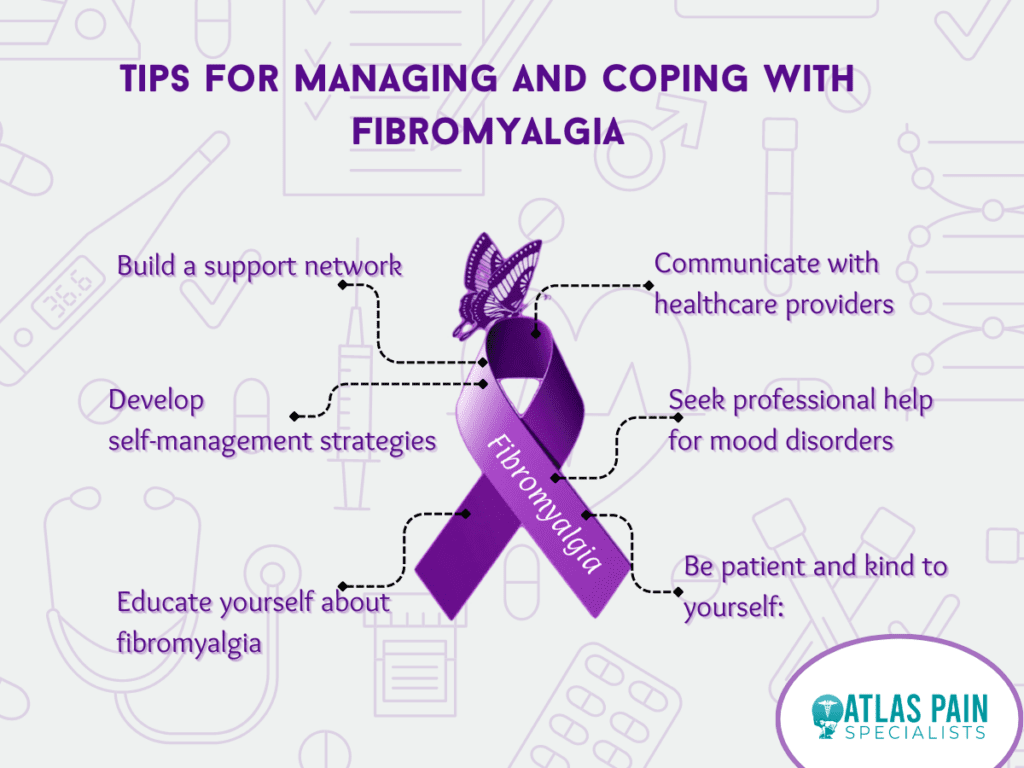
Living with fibromyalgia can present unique challenges, but with the right combination of coping strategies, symptom management techniques, and a supportive environment, individuals can effectively manage their condition and improve their overall well-being. It is important to remember that fibromyalgia is a chronic condition that requires ongoing self-care and a comprehensive approach to treatment. With time, patience, and support, individuals with fibromyalgia can lead fulfilling lives and experience a greater sense of control over their health.