Imagine a life filled with joy, companionship, and good health. Studies have shown that the secret to such a vibrant existence lies in something we often underestimate: social connections. Maintaining a robust network of friends, family, and loved ones can not only bring happiness but also increase our chances of living a longer, more fulfilling life. As we navigate through the unpredictable journey of life, let us not forget the invaluable role that social connections play in our overall well-being and longevity.
The Impact of Social Connections on Longevity
The role of social connections in overall health and wellness
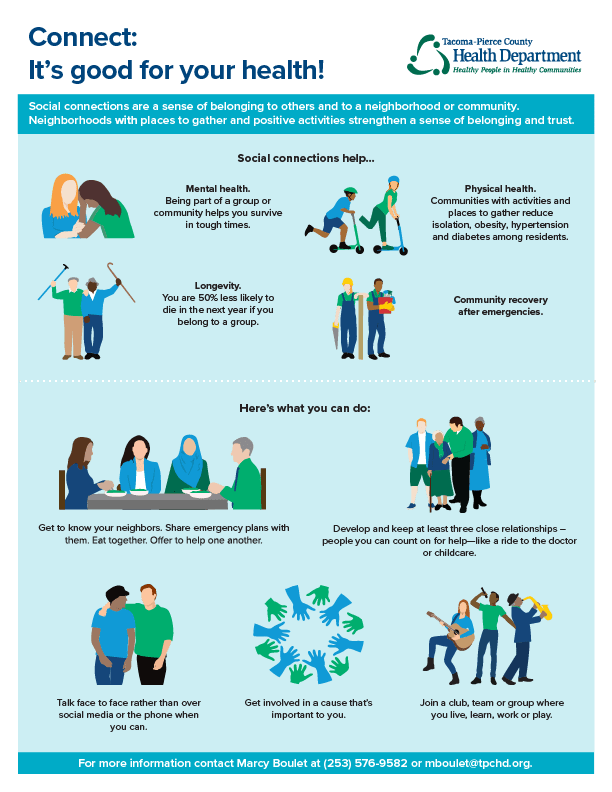
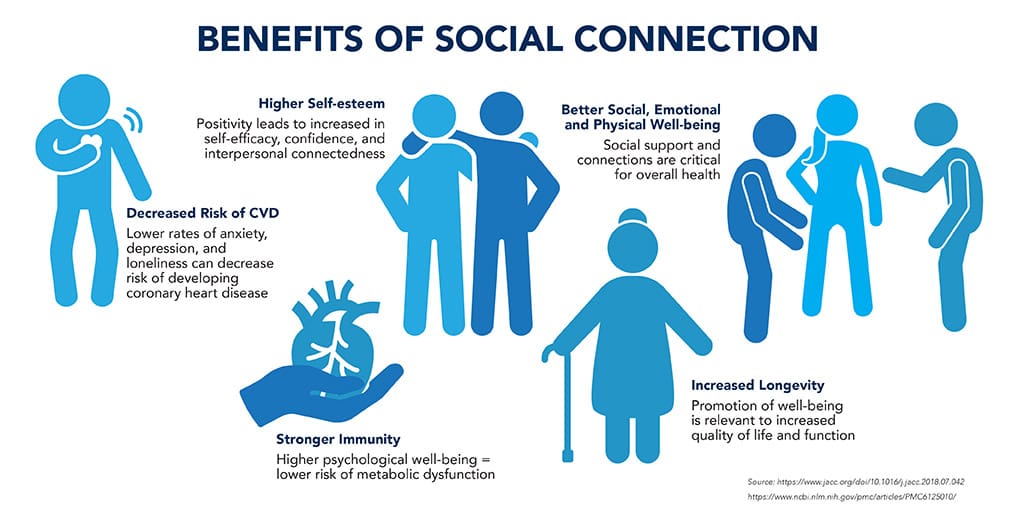
Social connections play a crucial role in our overall health and wellness, including our longevity. As social beings, we thrive on interactions and relationships with others. Building and maintaining social connections is essential for our emotional, mental, and physical well-being. Studies have consistently shown that individuals with strong social networks tend to live longer and have a higher quality of life compared to those who are socially isolated.
Research studies linking social connections to longevity
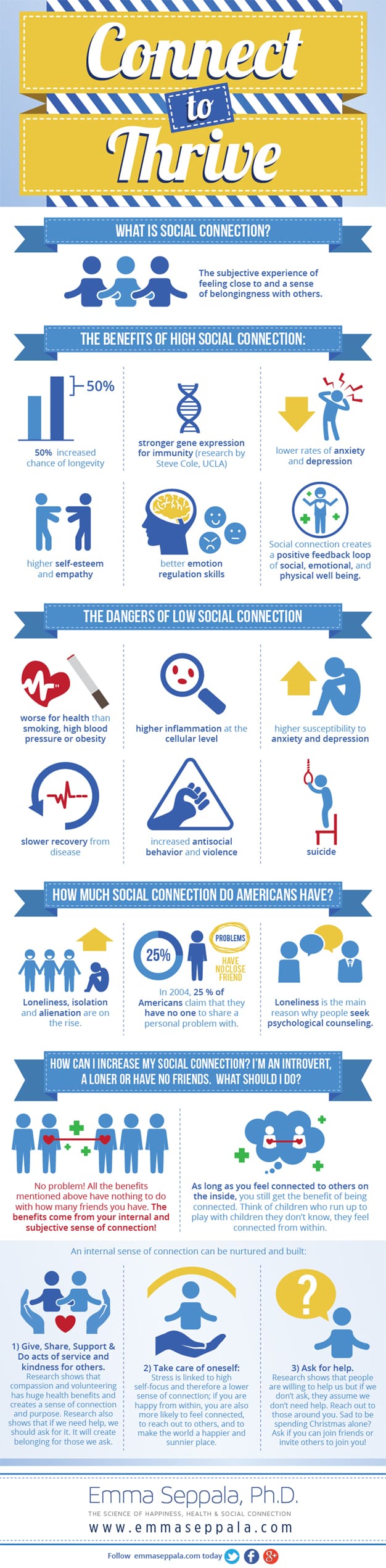
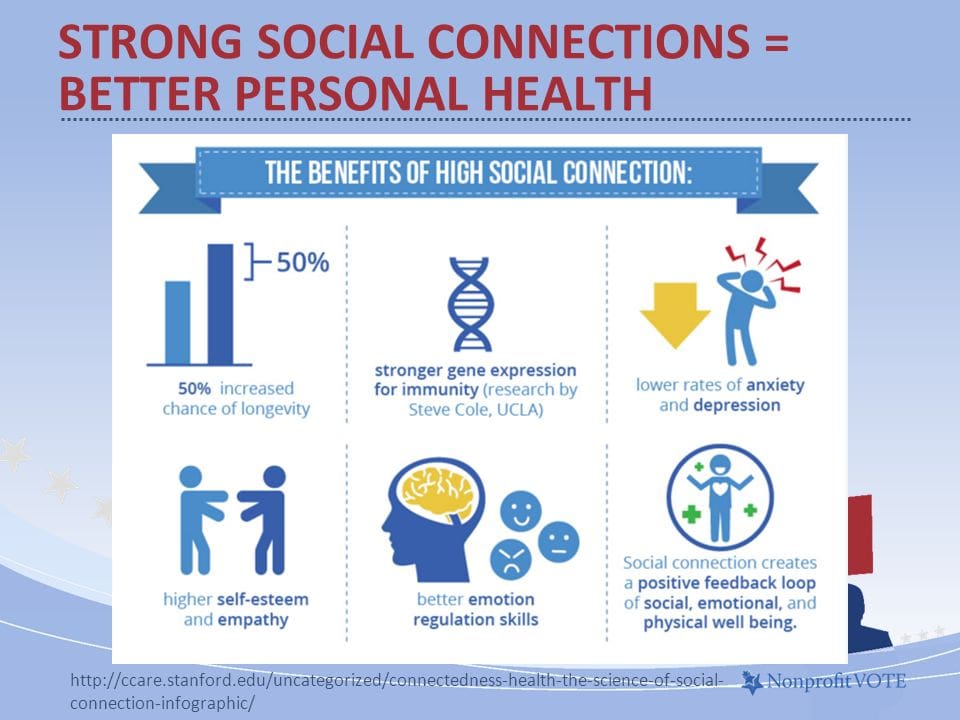
Numerous research studies have explored the link between social connections and longevity. One study conducted by Holt-Lunstad et al. involved a meta-analysis of 148 studies, representing over 300,000 participants. The findings revealed that individuals with stronger social relationships had a 50% increased likelihood of survival compared to those with weaker social ties. This study highlighted the significant impact of social connections on longevity.
Another study conducted by Yang et al. examined the role of social integration on mortality risk. The researchers found that individuals with high levels of social integration had a reduced risk of mortality, independent of other factors such as age, gender, and socioeconomic status. These findings further emphasize the importance of social connections in promoting longevity.
How social support and interaction can reduce the risk of chronic diseases
Social support and interaction have been shown to have a positive impact on reducing the risk of chronic diseases. Engaging in regular social activities and having a support system in place can offer emotional, psychological, and practical support. This support network can help individuals in managing stress, which is a significant contributing factor to the development of chronic conditions.
Research has shown that individuals who experience higher levels of social support tend to have lower blood pressure, reduced inflammation levels, and improved immune function. Furthermore, social connections can also encourage individuals to adopt healthier behaviors, such as regular exercise, healthy eating habits, and adherence to medical treatments. These lifestyle factors significantly contribute to the prevention and management of chronic diseases, ultimately promoting longevity.
Social Connections and Mental Health
The link between social connections and mental well-being
Social connections have a profound impact on our mental well-being. Meaningful relationships, social support, and a sense of belonging can enhance our emotional resilience and provide a buffer against stress, anxiety, and depression. When we feel connected to others, we are more likely to experience positive emotions and a greater overall sense of life satisfaction.
How social isolation can lead to depression and anxiety
Conversely, social isolation and loneliness can have detrimental effects on our mental health. When individuals lack social connections, they may experience feelings of loneliness, sadness, and anxiety. This can contribute to the development of mental health disorders, including depression. The lack of social interactions deprives individuals of the emotional support that is essential for maintaining mental well-being.
The importance of social support in managing stress and emotional health
Social support plays a vital role in managing stress and promoting emotional health. When faced with challenging situations, having a strong support system enables individuals to share their concerns, seek advice, and receive comfort. Social support can help individuals cope with stress, improve their self-esteem, and promote a positive outlook on life. By fostering social connections, we can enhance our mental well-being and contribute to our longevity.
Social Connections and Physical Health
How social connections can improve physical health
Social connections not only impact our mental health but also have significant implications for our physical well-being. Engaging in social activities and maintaining strong social ties has been linked to improved physical health outcomes. For instance, individuals with robust social networks are more likely to engage in regular exercise, follow healthy lifestyle habits, and have better overall cardiovascular health.
The correlation between social interactions and lower mortality rates
Research has consistently shown a correlation between social interactions and lower mortality rates. Studies have found that individuals who have higher levels of social support and engagement tend to have a lower risk of death from various causes, including cardiovascular disease, cancer, and infectious diseases. The social connections we cultivate throughout our lives can have a profound impact on our longevity and overall physical health.
The role of social support in promoting healthy behaviors
Social support plays a crucial role in promoting healthy behaviors. When individuals have a strong support system, they are more likely to engage in health-promoting activities, such as seeking preventive healthcare, adhering to medications, and making positive lifestyle changes. The encouragement and accountability provided by social connections can significantly contribute to maintaining good physical health and ultimately impact our longevity.
Social Connections and Cognitive Health
The impact of social connections on cognitive function and brain health
Social connections also play a crucial role in maintaining cognitive function and brain health. Engaging in social activities and interactions helps stimulate the brain, improve mental agility, and promote cognitive reserve. Interacting with others challenges our thinking, exposes us to new ideas, and encourages cognitive flexibility.
Research studies on the relationship between social engagement and cognitive decline
Studies have highlighted the relationship between social engagement and a reduced risk of cognitive decline. One study conducted by James et al. found that individuals who reported more social interactions had a 70% lower rate of cognitive decline compared to those with limited social engagement. Another study by Fratiglioni et al. showed that maintaining social connections was associated with a decreased risk of dementia.
The role of social activities in maintaining mental sharpness
Engaging in social activities and maintaining social connections can help maintain mental sharpness as we age. Social activities, such as group discussions, playing games, and participating in hobbies, stimulate various cognitive functions, including memory, attention, and problem-solving abilities. By remaining socially active, we can contribute to the preservation of cognitive function, reduce the risk of cognitive decline, and promote brain health.
Quality vs. Quantity of Social Connections
Why the quality of social connections is more important than quantity
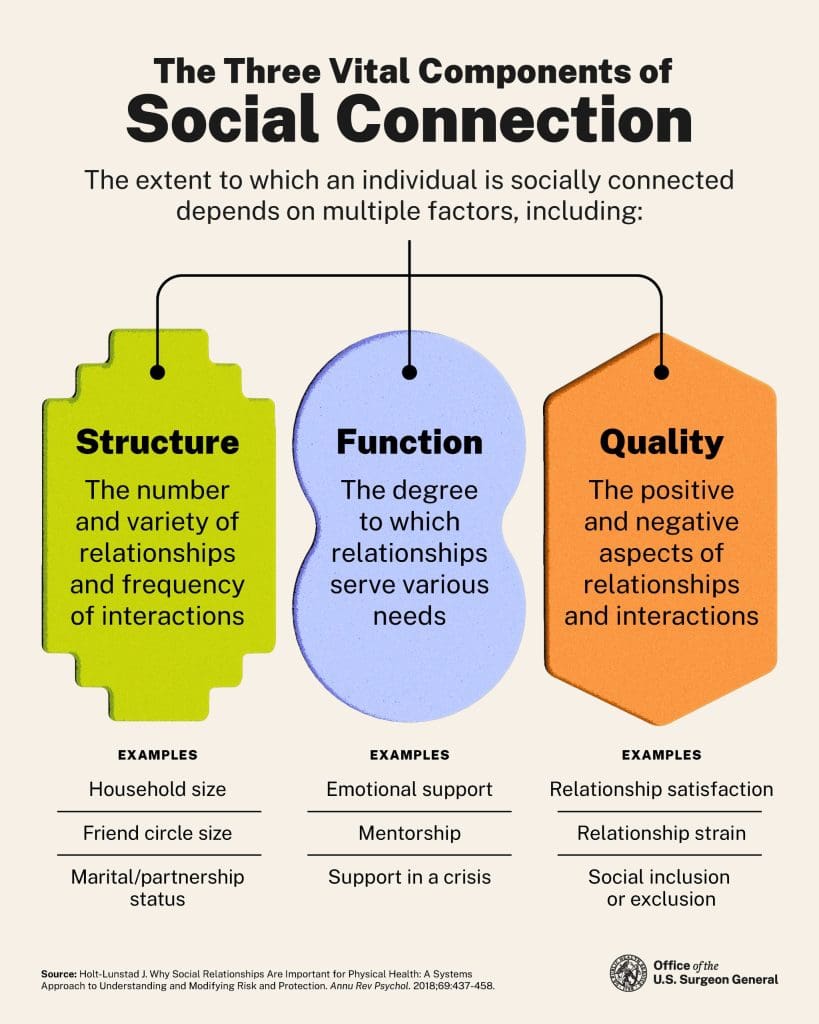
When it comes to social connections, quality is often more important than quantity. It is not simply the number of social connections that matters, but rather the depth and meaningfulness of those relationships. Meaningful relationships that provide emotional support, understanding, and companionship are more likely to have a positive impact on our well-being and longevity.
The importance of having meaningful and supportive relationships
Having meaningful and supportive relationships is vital for our overall well-being. These relationships provide a sense of purpose, fulfillment, and connectedness. Meaningful relationships offer emotional support during challenging times, provide a safe space to express ourselves, and enhance our overall sense of happiness and life satisfaction. Investing in deep and supportive relationships contributes not only to our well-being but also to our longevity.
How to cultivate and maintain healthy social connections
Cultivating and maintaining healthy social connections requires effort and intention. It starts with actively seeking opportunities for social engagement, such as joining clubs or groups that align with our interests, attending community events, and reaching out to family and friends. Building meaningful relationships involves open communication, mutual respect, and genuine care for one another. Regularly nurturing these connections ensures their strength and longevity.
Technology and Social Connections
The role of technology in facilitating social connections
Technology has revolutionized the way we connect with others, enabling us to bridge distances and connect with people across the globe. Social media platforms, online communities, and video conferencing tools have made it easier than ever to stay connected and maintain relationships, even when physical proximity is not possible. Technology has broadened our social networks and provided additional avenues for social connections.
The potential drawbacks of relying too heavily on digital interactions
While technology provides opportunities for social connections, relying too heavily on digital interactions can have potential drawbacks. Virtual connections may lack the depth and authenticity of face-to-face interactions, impacting the quality of relationships. Excessive screen time and isolation from in-person interactions can also contribute to feelings of loneliness and mental health issues. It is important to strike a balance between online and offline social interactions for optimal well-being.
Balancing online and offline social interactions
Finding a balance between online and offline social interactions is crucial for maintaining healthy social connections. While technology can supplement our social relationships and provide convenience, it should not replace genuine human connections. Making time for face-to-face interactions, engaging in activities with others, and prioritizing in-person communication can help foster deeper connections and enhance our overall well-being.
Social Connections Across Different Life Stages
The importance of social connections in childhood and adolescence
Social connections play a fundamental role in childhood and adolescence. Building positive relationships with family, peers, and mentors is crucial for emotional development, social skills acquisition, and overall well-being. Strong social connections during these formative years contribute to better mental health and resilience throughout life.
How social connections evolve during adulthood and the impact on health
As we transition into adulthood, social connections evolve and have a significant impact on our health. Forming friendships and romantic relationships provide emotional support, a sense of belonging, and opportunities for personal growth. Nurturing these connections contributes to higher levels of life satisfaction, decreased stress levels, and better overall health outcomes.
Social connections in older adults and strategies for staying socially engaged
Maintaining social connections becomes increasingly important as we age. Older adults may face unique challenges, such as retirement, loss of loved ones, and physical limitations, which can lead to social isolation. Staying socially engaged through activities such as volunteering, joining senior centers, and participating in community programs can foster a sense of purpose and connection. These strategies help combat loneliness, promote mental and physical well-being, and contribute to longevity.
Overcoming Barriers to Social Connections
Common barriers to building and maintaining social connections
Several barriers can hinder the building and maintenance of social connections. Time constraints, work-related demands, geographical distance, and cultural differences can all pose challenges to forming meaningful relationships. Additionally, personal factors such as shyness, low self-esteem, or social anxiety can also act as barriers to initiating and maintaining social connections.
Strategies for overcoming social isolation and loneliness
Fortunately, there are strategies and interventions available to overcome social isolation and loneliness. These include reaching out to others, attending social events or classes, joining hobby groups or clubs, volunteering, and utilizing community resources. Seeking therapy or counseling can also help individuals address personal barriers and develop the necessary skills for building and maintaining healthy social connections.
Community resources and support for fostering social connections
Communities play a crucial role in fostering social connections. Various resources and support systems are available to encourage social engagement and support individuals in building connections. These resources may include community centers, support groups, local organizations, and initiatives aimed at combating social isolation. Utilizing these resources can provide opportunities for individuals to connect with others who share similar interests or face similar challenges, promoting social connections and overall well-being.
Building Social Connections in the Workplace
The impact of social connections on job satisfaction and productivity
Social connections in the workplace have a significant impact on job satisfaction and productivity. When individuals feel connected to their coworkers, they are more likely to experience higher job satisfaction, engagement, and a sense of belonging. Positive social interactions at work contribute to a supportive and collaborative work environment, ultimately leading to increased productivity and overall well-being.
Team-building activities and fostering a positive work environment
Employers can foster social connections and improve workplace dynamics through team-building activities and initiatives that encourage interaction and collaboration. These activities can range from organized retreats, social events, or regular team-building exercises. By creating an atmosphere that values social connections and supports positive relationships, employers can enhance job satisfaction, employee morale, and ultimately improve productivity.
The role of leadership in promoting social connections at work
Leadership plays a crucial role in promoting social connections at work. Managers and supervisors can set the tone for a positive work environment by modeling and encouraging social interactions among team members. By prioritizing open communication, fostering relationships, and creating opportunities for collaboration, leaders can contribute to a workplace culture that values social connections and benefits both employees and the organization as a whole.
Conclusion: Taking Action for Longevity
Recognizing the importance of social connections for overall well-being
The research is clear — social connections are vital for our overall well-being and longevity. From our mental and physical health to our cognitive function and social engagement, social connections have a profound impact on various aspects of our lives. Recognizing and prioritizing the importance of social connections is the first step towards enhancing our well-being and promoting longevity.
Prioritizing meaningful relationships and social interactions
Building and maintaining meaningful relationships should be a priority in our lives. Taking the time and effort to nurture these connections can significantly contribute to our happiness, sense of purpose, and overall quality of life. By investing in our relationships and engaging in regular social interactions, we can create a solid foundation for our well-being and longevity.
Supporting initiatives and policies that foster social connections
Creating an environment that supports and encourages social connections requires collective effort. This includes supporting initiatives and policies that promote social engagement, such as community programs, workplace practices, and government policies focused on reducing social isolation. By advocating for and participating in these initiatives, we can contribute to a society that values social connections and fosters the well-being and longevity of its members.