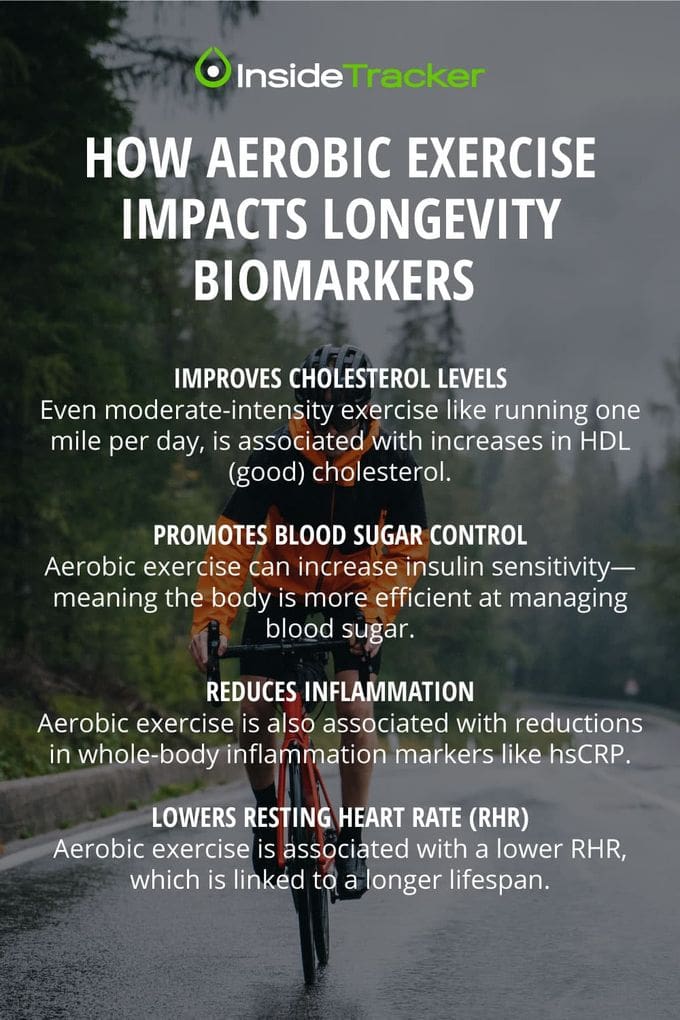
Welcome to an exploration of the important relationship between longevity and the role of endurance exercise. In this article, you will discover the numerous benefits that engaging in regular endurance exercise can have on your overall health and well-being, ultimately contributing to a longer and healthier life. Get ready to be inspired to lace up your sneakers and hit the pavement as we delve into the fascinating world of longevity and endurance exercise. Have you ever wondered what the secret is to living a long and fulfilling life? While there are many factors that contribute to longevity, one key element that cannot be overlooked is the role of endurance exercise. In this article, we will explore the connection between longevity and endurance exercise, and how you can incorporate this type of physical activity into your daily routine to live a longer, healthier life.

Understanding Longevity and its Benefits
When it comes to longevity, many people think about living longer, but it’s also about living better. Research has shown that regular exercise, especially endurance exercise, can have a significant impact on your overall health and well-being. Endurance exercise, also known as aerobic exercise, involves activities that increase your heart rate and breathing for an extended period of time. This type of exercise can improve your cardiovascular health, boost your immune system, and even help slow down the aging process.
Benefits of Endurance Exercise on Longevity
Engaging in regular endurance exercise has been linked to a myriad of benefits that can contribute to a longer and healthier life. Some of the key benefits of endurance exercise on longevity include:
- Improved cardiovascular health: Endurance exercise helps strengthen your heart and improve blood circulation, reducing your risk of heart disease, stroke, and other cardiovascular issues.
- Enhanced immune system: Regular aerobic exercise can boost your immune system, making you less susceptible to infections and illnesses.
- Better mental health: Endurance exercise has been shown to reduce stress, anxiety, and depression, promoting overall mental well-being.
- Weight management: Aerobic exercise can help you maintain a healthy weight, reducing your risk of obesity and related health conditions.
By incorporating endurance exercise into your daily routine, you can experience these benefits and more, ultimately leading to a longer and healthier life.
Types of Endurance Exercise
Endurance exercise can take many forms, and it’s important to find activities that you enjoy and that fit your lifestyle. Some popular types of endurance exercise include:
Running
Running is a classic form of endurance exercise that requires little to no equipment and can be done almost anywhere. Whether you prefer running outdoors or on a treadmill, this high-impact exercise can improve cardiovascular fitness, strengthen muscles, and even boost mental clarity.
Cycling
Cycling is another excellent endurance exercise that is low-impact and easy on the joints. Whether you opt for road cycling, mountain biking, or indoor cycling classes, this activity can improve leg strength, cardiovascular health, and overall endurance.
Swimming
Swimming is a full-body workout that can provide a great cardiovascular challenge while being gentle on the joints. Whether you swim laps at a pool or take water aerobics classes, this endurance exercise can improve lung capacity, muscle tone, and flexibility.
Walking
Walking may seem like a basic form of exercise, but it can be highly effective for improving cardiovascular fitness and overall health. Whether you take brisk walks around your neighborhood or hike on nature trails, walking can be a simple yet powerful form of endurance exercise.
Hiking
Hiking is a great way to combine endurance exercise with the benefits of spending time in nature. Whether you tackle challenging mountain trails or take leisurely walks through local parks, hiking can improve cardiovascular health, build muscle strength, and reduce stress.
Group Fitness Classes
Joining group fitness classes such as Zumba, spinning, or aerobics can be a fun and social way to engage in endurance exercise. These classes often include a combination of aerobic and strength training exercises, providing a full-body workout that can improve fitness levels and promote longevity.

Incorporating Endurance Exercise into Your Routine
Now that you understand the benefits of endurance exercise and the various types of activities you can try, it’s time to incorporate this type of physical activity into your daily routine. Here are some tips to help you get started:
Set Realistic Goals
Start by setting realistic goals for your endurance exercise routine. Whether you aim to run a certain distance, bike a specific route, or swim a set number of laps, having clear goals can help keep you motivated and on track.
Create a Schedule
Make a weekly schedule that includes specific days and times for your endurance exercise sessions. Treat these workouts as appointments with yourself that you cannot miss, and stick to your schedule as much as possible.
Mix It Up
To prevent boredom and avoid overuse injuries, mix up your endurance exercise routine with a variety of activities. Try different types of workouts, alternate between indoor and outdoor exercise, and incorporate cross-training activities to keep things interesting.
Listen to Your Body
While it’s important to challenge yourself during endurance exercise, it’s equally important to listen to your body and avoid overtraining. Pay attention to any signs of fatigue, pain, or discomfort, and adjust your workouts as needed to prevent injury and promote recovery.
Stay Consistent
Consistency is key when it comes to reaping the benefits of endurance exercise. Aim to be active on most days of the week, even if it’s just for a short walk or quick swim. Remember that every little bit of physical activity adds up and contributes to your overall health and longevity.
Conclusion
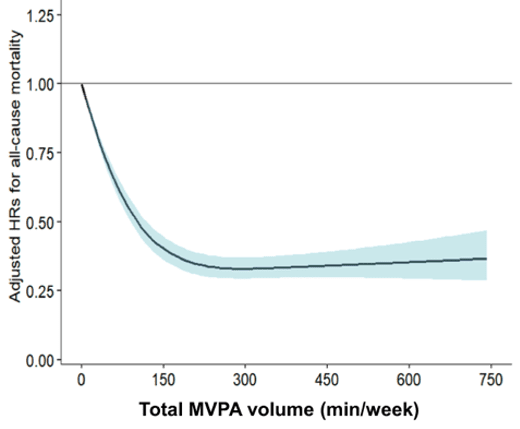
In conclusion, the role of endurance exercise in promoting longevity cannot be overstated. By engaging in regular aerobic activities such as running, cycling, swimming, walking, hiking, or group fitness classes, you can improve your cardiovascular health, boost your immune system, and enhance your overall well-being. Incorporate endurance exercise into your daily routine by setting realistic goals, creating a schedule, mixing up your workouts, listening to your body, and staying consistent. By making endurance exercise a priority in your life, you can increase your chances of living a longer, healthier, and more fulfilling life.