Welcome to an exploration of a fascinating topic: longevity in different cultures and regions. In this article, we will delve into the factors that contribute to longer life spans in various parts of the world, from diet and lifestyle choices to societal values and healthcare systems. By understanding how different cultures approach aging and longevity, you may gain valuable insights on how to enhance your own well-being and strive for a longer, healthier life. Let’s embark on this enlightening journey together!
Longevity In Different Cultures And Regions
Have you ever wondered why some cultures or regions have higher rates of longevity than others? Let’s take a closer look at how various factors such as diet, lifestyle, and genetics play a role in determining how long people live in different parts of the world.
Factors Affecting Longevity
When it comes to longevity, there are several key factors that can influence how long someone lives. These factors can vary depending on the culture and region where people live. Let’s explore some of the most common factors that can affect longevity.
Diet
One of the most significant factors that can impact longevity is diet. Different cultures and regions have varying dietary habits that can either promote or hinder long life. For example, the Mediterranean diet, which is rich in fruits, vegetables, whole grains, and olive oil, has been linked to increased life expectancy. On the other hand, diets high in processed foods, sugar, and unhealthy fats can lead to a shorter lifespan.
Lifestyle
Another crucial factor that can affect longevity is lifestyle choices. Whether you engage in regular exercise, avoid smoking, manage stress effectively, and get enough sleep can all play a role in how long you live. In some cultures, activities such as yoga, tai chi, or meditation are common practices that can contribute to overall well-being and a longer life.
Genetics
While diet and lifestyle choices are essential factors in determining longevity, genetics also play a significant role. Some people are genetically predisposed to certain health conditions that can impact how long they live. For example, individuals with a family history of heart disease or cancer may have a higher risk of developing these conditions themselves, potentially affecting their lifespan.
Cultures With High Longevity Rates
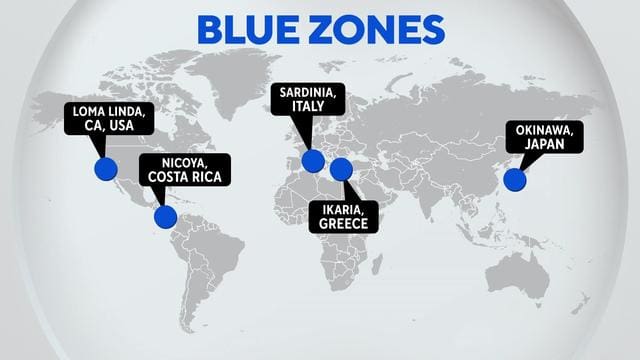
Some cultures and regions have consistently been associated with high rates of longevity. Let’s take a look at a few examples of places where people tend to live longer than average.
Okinawa, Japan
Okinawa, Japan, is known for having one of the highest life expectancies in the world. The Okinawan diet, which is rich in vegetables, tofu, and fish, is believed to contribute to the longevity of its residents. Additionally, the strong sense of community and social connections in Okinawa may also play a role in promoting overall health and well-being.
Sardinia, Italy
Sardinia, Italy, is another region with a high concentration of centenarians. The traditional Sardinian diet, which includes whole grains, vegetables, and olive oil, is considered one of the key factors in promoting longevity in this region. Additionally, the close-knit family units and strong community bonds in Sardinia are believed to contribute to the overall well-being of its residents.
Loma Linda, California
Loma Linda, California, is home to a significant population of Seventh-day Adventists, a religious group known for their focus on health and wellness. The plant-based diet and emphasis on physical activity among Seventh-day Adventists in Loma Linda have been attributed to their longer-than-average lifespan. The tight-knit community and support network in Loma Linda are also considered important factors in promoting longevity.

Cultures With Low Longevity Rates
On the flip side, some cultures and regions have lower rates of longevity compared to others. Let’s explore a few examples of places where people may not live as long on average.
United States
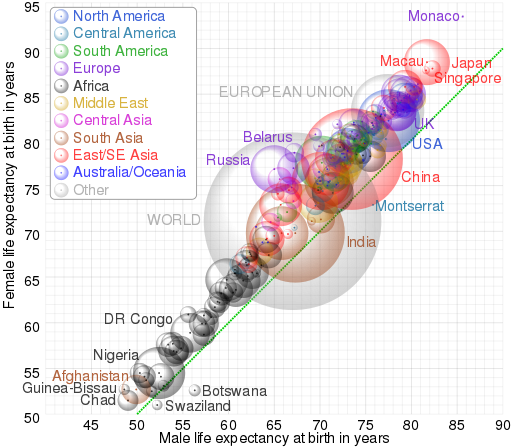
Despite being a developed country with access to advanced healthcare and technology, the United States has a lower life expectancy compared to other high-income countries. Factors such as high rates of obesity, sedentary lifestyles, and poor dietary choices have contributed to the relatively lower longevity rates in the U.S.
Russia
Russia is another country with lower-than-average life expectancy rates, particularly among men. High rates of alcohol consumption, smoking, and a lack of access to quality healthcare are some of the factors that have been linked to decreased longevity in Russia. Additionally, the harsh climate in some parts of the country may also contribute to overall health issues.
Conclusion
In conclusion, longevity is influenced by a combination of factors, including diet, lifestyle, genetics, and cultural practices. While some cultures and regions have higher rates of longevity due to healthy habits and social support systems, others may struggle with lower life expectancies due to poor lifestyle choices and environmental factors. By understanding the factors that affect longevity in different cultures and regions, we can work towards promoting healthier habits and improving overall well-being for everyone. Remember, making small changes in your diet and lifestyle can have a significant impact on how long and how well you live.