
Living with chronic gastrointestinal disorders can be challenging, but with the right diet and lifestyle adjustments, you can effectively manage your condition and improve your overall well-being. In this article, we will explore the importance of making conscious choices when it comes to nutrition, exercise, and stress management. By implementing these recommendations, you can take control of your health and experience relief from the symptoms of chronic gastrointestinal disorders.
Importance of Diet in Managing Chronic Gastrointestinal Disorders
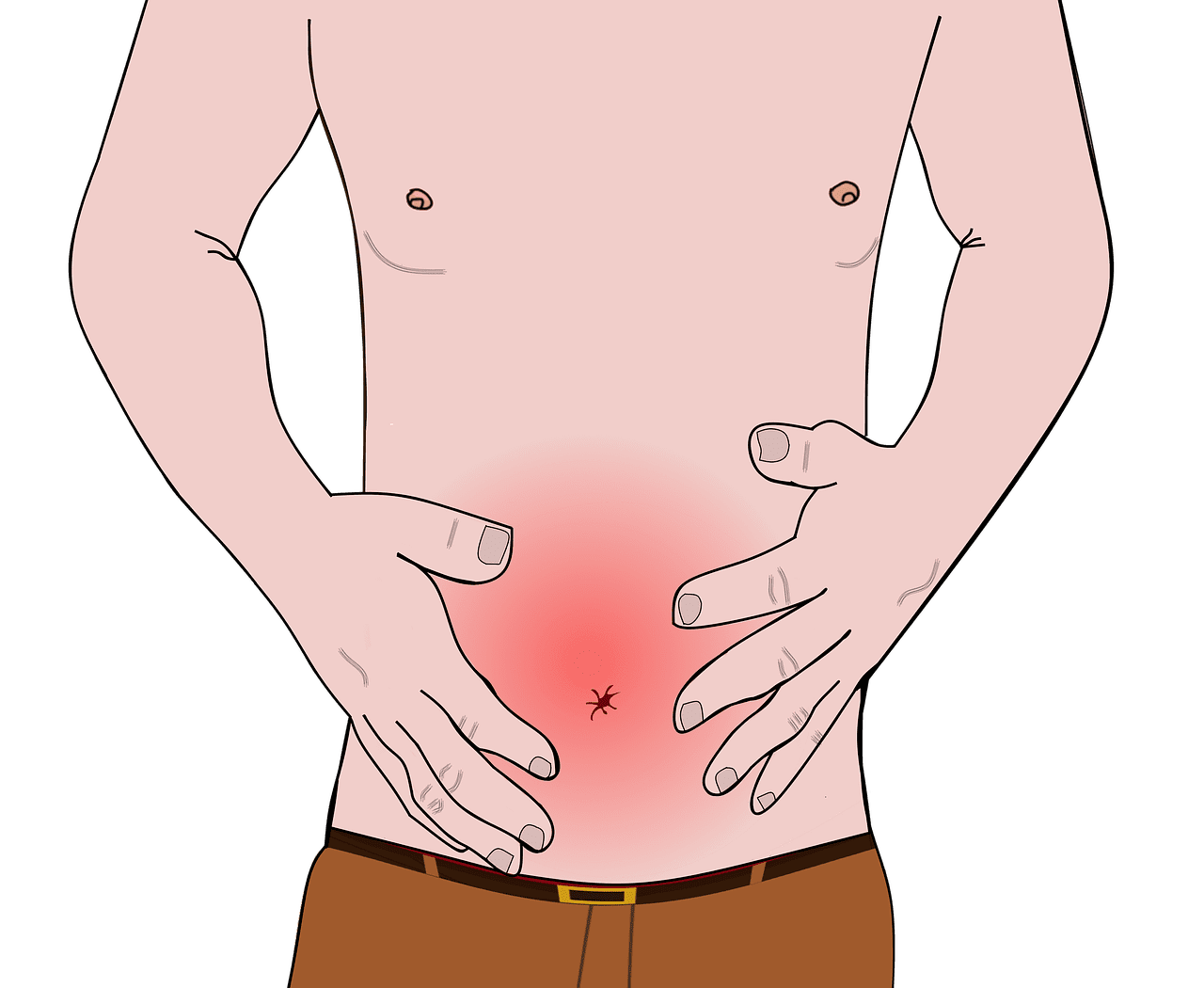
Chronic gastrointestinal disorders can significantly impact a person’s quality of life, causing symptoms such as abdominal pain, bloating, diarrhea, or constipation. While medical treatment is important for managing these conditions, the role of diet should not be underestimated. A well-planned and balanced diet plays a key role in promoting gastrointestinal health and alleviating symptoms.
Key role of diet in gastrointestinal health
What you eat has a direct impact on your gastrointestinal health. It can influence the composition of gut bacteria, the integrity of the gut lining, and the overall functioning of the digestive system. A diet rich in fiber, nutrients, and probiotics can promote a healthy gut environment and reduce the risk of flare-ups in chronic gastrointestinal disorders.

Effect of diet on symptoms and flare-ups
The foods you consume can either alleviate or exacerbate the symptoms of chronic gastrointestinal disorders. Certain foods, such as those high in FODMAPs (Fermentable Oligosaccharides, Disaccharides, Monosaccharides, and Polyols), can trigger symptoms like bloating and diarrhea in individuals with conditions like irritable bowel syndrome (IBS). On the other hand, a diet that includes specific nutrients, such as omega-3 fatty acids, can reduce inflammation and alleviate symptoms.
Specific nutrients and their impact on gastrointestinal disorders
Certain nutrients play a vital role in managing chronic gastrointestinal disorders. For example, fiber is essential for maintaining regular bowel movements and preventing constipation. Omega-3 fatty acids have been found to have anti-inflammatory properties, which can help reduce inflammation in the gut and ease symptoms. Probiotics, found in fermented foods like yogurt and sauerkraut, promote a healthy balance of gut bacteria and may provide relief from symptoms. An understanding of these specific nutrients and their impact on gastrointestinal disorders is crucial for developing an effective dietary plan.
Recommended Diet for Managing Chronic Gastrointestinal Disorders
When it comes to managing chronic gastrointestinal disorders, adopting the right diet can make all the difference. Here are some key dietary recommendations:
Fiber-rich foods
Including plenty of fiber-rich foods in your diet is crucial for maintaining regular bowel movements and preventing constipation. Good sources of fiber include fruits, vegetables, whole grains, legumes, and nuts. It is important to gradually increase fiber intake to avoid potential discomfort and to drink plenty of water to help with digestion.
Low-FODMAP diet
For individuals with conditions like IBS, following a low-FODMAP diet can be beneficial. FODMAPs are carbohydrates that are poorly absorbed in the small intestine and can trigger digestive symptoms. A low-FODMAP diet involves avoiding foods high in FODMAPs, such as certain fruits, vegetables, grains, and dairy products.
Probiotics and fermented foods
Including probiotics in your diet can help promote a healthy balance of gut bacteria. Probiotics can be found in fermented foods like yogurt, kefir, sauerkraut, and kimchi. Adding these foods to your diet can potentially reduce symptoms and improve overall gut health.
Omega-3 fatty acids
Omega-3 fatty acids have anti-inflammatory properties that can be beneficial for individuals with inflammatory bowel diseases such as Crohn’s disease or ulcerative colitis. Good sources of omega-3 fatty acids include fatty fish like salmon, sardines, and mackerel, as well as walnuts, chia seeds, and flaxseeds. Including these foods in your diet can help reduce inflammation in the gut and alleviate symptoms.
Avoidance of trigger foods
Identifying and avoiding trigger foods is essential for managing chronic gastrointestinal disorders. These trigger foods can vary from person to person, but some common culprits include spicy foods, greasy or fried foods, caffeine, and alcohol. Keeping a food diary and noting down any symptoms that occur after consuming certain foods can help identify trigger foods and make necessary dietary adjustments.
Meal Planning and Portion Control for Gastrointestinal Health
Adopting healthy meal planning and portion control habits can greatly contribute to gastrointestinal health. Here are some guidelines to follow:
Balanced meals and portion sizes
Ensure that your meals include a variety of nutrient-rich foods, such as lean proteins, whole grains, fruits, vegetables, and healthy fats. Dividing your plate into appropriate portions of each food group can help ensure a balanced intake of nutrients and prevent overeating.
Importance of regular mealtimes
Establishing regular mealtimes can help regulate your digestive system. Aim to eat three meals a day and include healthy snacks as needed. Eating at consistent times supports the body’s natural rhythm and can contribute to better digestion.
Meal prepping and planning for convenience
Preparing meals and snacks in advance can be a helpful strategy for managing chronic gastrointestinal disorders. This allows you to have nutritious options readily available, reducing the temptation to make less healthy choices. Meal prepping can also help to avoid triggering ingredients.
Hydration and its impact on digestion
Staying adequately hydrated is important for maintaining optimal digestive health. Drinking enough water helps soften stools, prevent constipation, and support overall gut function. Aim to drink at least eight glasses of water per day and avoid excessive consumption of sugary or carbonated drinks, as they can exacerbate symptoms in some individuals.

Healthy Lifestyle Habits for Gastrointestinal Health
In addition to following a proper diet, incorporating healthy lifestyle habits can further improve gastrointestinal health. Consider the following recommendations:
Regular physical activity
Engaging in regular physical activity can enhance gastrointestinal motility and support overall digestive function. Aim for at least 30 minutes of moderate exercise most days of the week. Activities like walking, swimming, and cycling can be beneficial for maintaining a healthy digestive system.
Stress management techniques
Stress can often worsen symptoms in individuals with chronic gastrointestinal disorders. Incorporating stress management techniques, such as meditation, deep breathing exercises, or yoga, can help reduce stress levels and alleviate symptoms. Find activities that promote relaxation and make them a regular part of your routine.
Adequate sleep and its impact on digestion
Getting enough sleep is crucial for overall health, including gastrointestinal health. Lack of sleep can disrupt digestive processes and contribute to gastrointestinal symptoms. Aim for seven to eight hours of quality sleep per night to support your digestive system.
Limiting alcohol and caffeine consumption
Alcohol and caffeine can irritate the gastrointestinal tract and worsen symptoms in some individuals. Limiting or avoiding these substances can help alleviate symptoms and promote better gastrointestinal health. If you choose to consume alcohol or caffeine, do so in moderation and pay attention to any triggers or adverse reactions.
Smoking cessation
Smoking has numerous negative effects on overall health, including gastrointestinal health. It can increase the risk of developing certain gastrointestinal disorders, worsen symptoms, and delay healing. Quitting smoking is an important step towards improving gastrointestinal health and overall well-being.
Food and Beverage Choices to Improve Gastrointestinal Symptoms
Certain food and beverage choices can help improve gastrointestinal symptoms and promote overall gut health. Consider the following options:
Herbal teas for digestion
Herbal teas such as chamomile, peppermint, and ginger can have soothing effects on the digestive system. They may help relieve symptoms such as nausea, bloating, and stomach discomfort. Enjoying a warm cup of herbal tea after meals can provide relief and promote digestive well-being.
Ginger and peppermint for nausea and bloating
Both ginger and peppermint have been used for centuries to alleviate digestive discomfort. Ginger has anti-inflammatory and anti-nausea properties, making it effective in reducing nausea and bloating. Peppermint has a relaxing effect on the muscles of the gastrointestinal tract, which can ease symptoms like bloating and cramping. Incorporating these ingredients into your diet, whether through herbal teas or adding them to meals, can provide relief for gastrointestinal symptoms.
Small, frequent meals for gastric disorders
For individuals with gastric disorders, such as gastroesophageal reflux disease (GERD) or gastroparesis, eating smaller, more frequent meals can be beneficial. This helps to prevent overloading the stomach and reduces the likelihood of symptoms like heartburn or bloating. Opt for nutrient-dense, easily digestible foods to support adequate nutrition.
Avoidance of spicy and greasy foods
Spicy foods and greasy foods can trigger symptoms such as heartburn or indigestion in individuals with gastrointestinal disorders. Avoiding these types of foods can help prevent discomfort and reduce the likelihood of flare-ups.
Limiting carbonated drinks and artificial sweeteners
Carbonated drinks and artificial sweeteners can contribute to symptoms like bloating and gas. Limiting or avoiding these beverages and sweeteners can help alleviate these symptoms and support better gastrointestinal health.
Importance of Mindful Eating Practices
Practicing mindful eating can enhance your overall gastrointestinal health. Here are some key principles of mindful eating:
Chewing food thoroughly
Take the time to chew your food thoroughly before swallowing. Chewing breaks down food into smaller pieces, making it easier for the digestive system to process. This can help reduce symptoms like bloating and improve overall digestion.
Eating slowly and mindfully
Savor each bite and be present in the moment while eating. Eating slowly and mindfully allows you to fully enjoy the flavors and textures of your food, as well as to recognize feelings of hunger and satiety. It also aids in proper digestion and prevents overeating.
Avoiding distractions during meals
Eating while distracted, such as watching television or working, can lead to mindless eating and poor digestion. Instead, focus on your mealtime and create a calm and peaceful environment to fully engage with your food.
Recognizing satiety cues
Pay attention to your body’s signals of hunger and satiety. Eat until you feel comfortably full, rather than overeating. This helps prevent discomfort and supports optimal digestion.
Practicing gratitude for food
Take a moment before each meal to express gratitude for the food you are about to eat. Cultivating a positive mindset and appreciation for the nourishment you receive can contribute to a more mindful and satisfying eating experience.
Supplements for Gastrointestinal Health
In some cases, supplements may be beneficial in managing chronic gastrointestinal disorders. Here are some commonly used supplements:
Probiotic supplements
Probiotic supplements can help restore and maintain a healthy balance of gut bacteria. Look for supplements that contain specific strains of beneficial bacteria that have been shown to support gastrointestinal health.
Digestive enzymes
Digestive enzyme supplements can aid in the breakdown and absorption of nutrients in individuals with conditions that affect the production of natural digestive enzymes. These supplements can help alleviate symptoms like bloating or indigestion.
Fiber supplements
If it’s challenging to meet your fiber needs through diet alone, fiber supplements can be helpful. They provide additional dietary fiber to support regular bowel movements and prevent constipation.
Omega-3 supplements
Omega-3 supplements, such as fish oil capsules or algae-based supplements, can provide a concentrated source of these beneficial fatty acids. They can be particularly beneficial for individuals with inflammatory bowel diseases.
Vitamin and mineral supplements
In certain situations, individuals with chronic gastrointestinal disorders may have deficiencies or difficulty absorbing certain vitamins and minerals. In consultation with a healthcare professional, specific supplements may be recommended to address these deficiencies.
Seeking Professional Guidance for Managing Gastrointestinal Disorders
When it comes to managing chronic gastrointestinal disorders, seeking professional guidance is crucial. Consider the following resources:
Consultation with a registered dietitian
A registered dietitian can tailor dietary recommendations to your specific needs and help you develop a personalized meal plan. They can provide guidance on managing symptoms, implementing dietary changes, and optimizing nutritional intake.
Collaboration with a gastroenterologist
A gastroenterologist specializes in diagnosing and treating gastrointestinal disorders. They can provide medical management, conduct diagnostic tests, and offer expert advice on the management of chronic gastrointestinal conditions.
Disease-specific support groups
Joining a disease-specific support group can provide valuable emotional support and practical tips for managing chronic gastrointestinal disorders. Connecting with others who understand the challenges can offer a sense of community and shared experiences.
Utilizing online resources for educational information
The internet offers a wealth of educational resources on managing chronic gastrointestinal disorders. However, it’s essential to ensure that the information comes from reputable sources. Websites of respected medical organizations or trustworthy health professionals can provide reliable information to support your journey.
Maintaining Consistency and Tracking Progress
Consistency is key when managing chronic gastrointestinal disorders. Consider the following strategies:
Keeping a food and symptom diary
Keeping a record of the foods you eat and the symptoms you experience can help identify patterns and trigger foods. This information can then be used to make necessary adjustments to your diet and assess the effectiveness of dietary interventions.
Setting realistic goals and milestones
Setting realistic goals based on your individual circumstances and tracking your progress can provide motivation and a sense of accomplishment. Start with small changes and gradually work toward larger goals for long-term success.
Regular follow-ups with healthcare professionals
Scheduling regular follow-up appointments with your healthcare professionals allows for ongoing monitoring of your condition and adjustments to your treatment plan as needed. It also provides an opportunity to address any concerns or questions that may arise.
Making gradual lifestyle changes for long-term success
Making gradual, sustainable lifestyle changes is often more effective than attempting drastic changes all at once. Focus on implementing small, manageable adjustments to your diet and lifestyle over time. This approach increases the likelihood of long-term success in managing chronic gastrointestinal disorders.
Importance of Emotional Well-being in Gastrointestinal Health
Emotional well-being plays a significant role in gastrointestinal health. Consider the following strategies to support your emotional well-being:
Managing stress and anxiety
Stress and anxiety can exacerbate gastrointestinal symptoms. Incorporate stress management techniques, such as deep breathing exercises, mindfulness meditation, or engaging in activities that bring you joy, to help reduce stress levels and promote emotional well-being.
Practicing relaxation techniques
Engaging in relaxation techniques, such as progressive muscle relaxation or guided imagery, can help relax the body and mind. These techniques can be particularly beneficial during periods of increased stress or when experiencing gastrointestinal symptoms.
Support from family and friends
Having a strong support network can positively impact emotional well-being and provide comfort during challenging times. Lean on family and friends for emotional support, understanding, and encouragement.
Addressing mental health concerns
Chronic gastrointestinal disorders can take a toll on mental health. It is important to address any mental health concerns by seeking professional help from a psychologist or psychiatrist when needed. Mental health professionals can provide appropriate support and interventions to improve emotional well-being.
Understanding the mind-gut connection
Recognize the close relationship between the mind and the gut. Stress, anxiety, and depression can impact gastrointestinal health, just as gastrointestinal symptoms can influence emotional well-being. Integrating a holistic approach that addresses both the physical and emotional aspects of gastrointestinal health is essential for overall well-being.
In conclusion, managing chronic gastrointestinal disorders requires a comprehensive approach that includes dietary interventions, healthy lifestyle habits, consistent monitoring and follow-up, and attention to emotional well-being. By adopting a well-planned diet, practicing mindful eating, incorporating regular physical activity, and seeking professional guidance when needed, individuals with chronic gastrointestinal disorders can improve their symptoms, enhance their overall quality of life, and achieve long-term well-being.