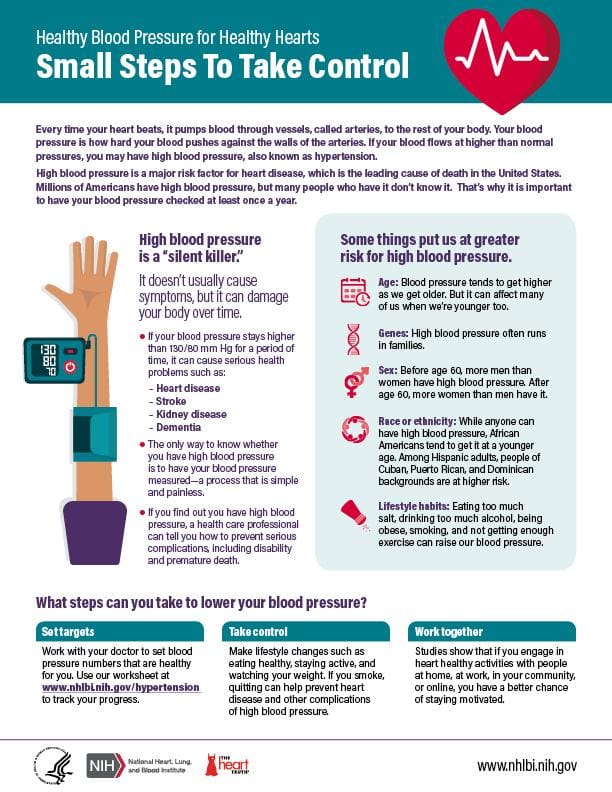
We all strive for a healthy lifestyle, and one key aspect to achieving that is managing high blood pressure. With this in mind, we present to you a collection of valuable tips that will aid in the management of this condition. From incorporating regular exercise into your routine to adopting a heart-healthy diet, these tips are aimed at supporting your journey towards a healthier you. So, let’s explore the ways in which you can take control of your high blood pressure and embrace a vibrant and fulfilling life.
Dietary Changes
Limit Sodium Intake
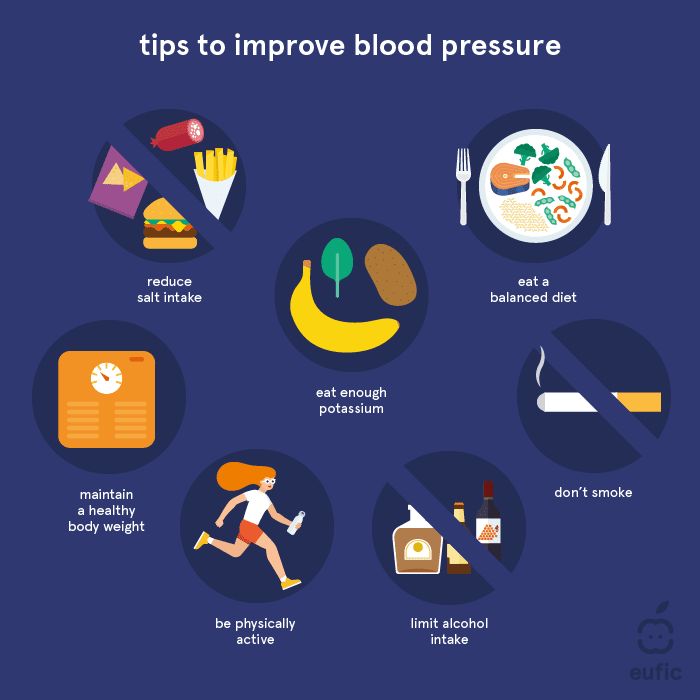
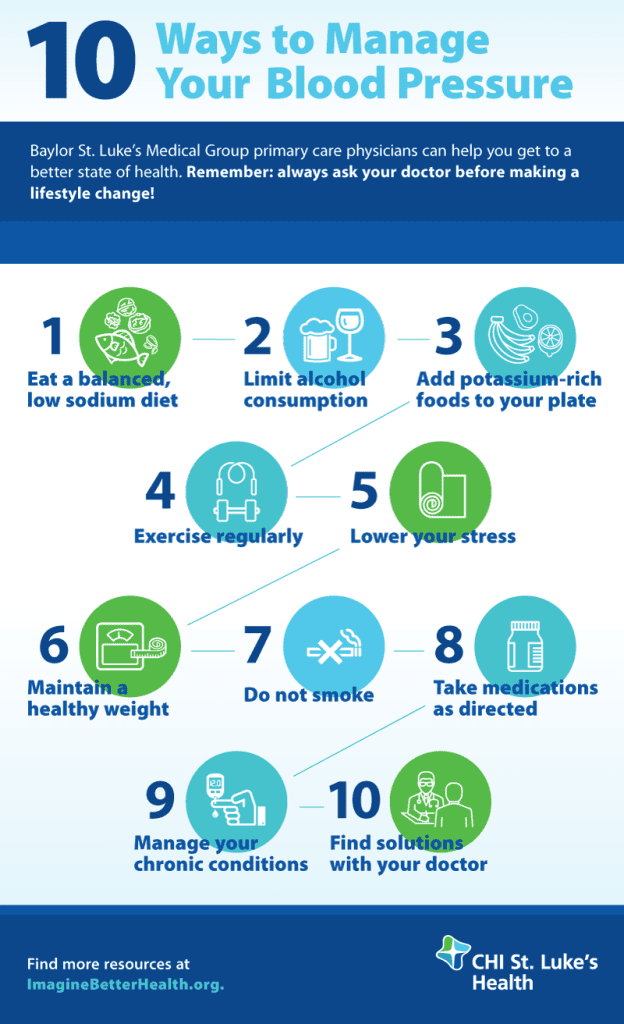
One of the key dietary changes you can make to help manage your high blood pressure is to limit your sodium intake. Sodium is found in many processed and packaged foods, as well as in table salt. Consuming too much sodium can lead to increased blood pressure. To limit your sodium intake, try to minimize your consumption of processed and packaged foods, and opt for fresh, whole foods instead. You can also choose low-sodium or no-salt-added options when grocery shopping. Additionally, reducing the amount of salt you add to your meals can also make a significant difference.
Increase Potassium Intake
Another important dietary change is to increase your potassium intake. Potassium helps to balance the effects of sodium and can help lower blood pressure. Good sources of potassium include fruits such as bananas, oranges, and avocados, as well as vegetables like spinach, sweet potatoes, and tomatoes. Incorporating these foods into your diet can help you achieve a higher potassium intake and promote lower blood pressure levels.
Follow the DASH Diet
One effective dietary approach to managing high blood pressure is following the DASH (Dietary Approaches to Stop Hypertension) diet. This eating plan emphasizes fruits, vegetables, whole grains, lean proteins, and low-fat dairy products. The DASH diet also encourages the reduction of sodium intake. By following this diet, you can not only lower your blood pressure but also improve your overall cardiovascular health. For more detailed guidelines and meal plans, consult with a healthcare professional or a registered dietitian.
Physical Activity
Engage in Regular Exercise
Physical activity plays a crucial role in managing high blood pressure. Regular exercise can help strengthen your cardiovascular system, lower your blood pressure, and improve your overall health. Aim for at least 150 minutes of moderate-intensity aerobic exercise or 75 minutes of vigorous-intensity aerobic exercise every week. You can accomplish this by engaging in activities such as brisk walking, cycling, swimming, or dancing. Remember to start slowly and gradually increase the intensity and duration of your workouts to avoid overexertion.
Incorporate Aerobic Activities
Aerobic activities, also known as cardio exercises, are particularly effective in managing high blood pressure. These activities increase your heart rate and breathing, helping to improve your cardiovascular fitness. Some examples of aerobic activities include jogging, running, cycling, and aerobic classes. Aim for at least 30 minutes of aerobic exercise most days of the week. You can break it down into shorter sessions if needed.
Include Strength Training
In addition to aerobic exercises, incorporating strength training into your routine can benefit your blood pressure management. Strength training exercises, such as lifting weights or using resistance bands, help build muscle mass and improve overall body strength. Aim to include strength training activities at least two days a week, focusing on different muscle groups each session. Consult with a fitness professional to ensure proper form and technique to prevent injury.
Weight Management
Achieve and Maintain a Healthy Weight
Maintaining a healthy weight is crucial for managing high blood pressure. Extra weight puts additional strain on your heart and blood vessels, which can lead to increased blood pressure. If you are overweight or obese, losing just a small amount of weight can have a significant impact on lowering your blood pressure. Aim for gradual, sustainable weight loss by making healthy food choices and incorporating regular physical activity into your routine.
Reduce Belly Fat
In addition to overall weight management, reducing belly fat specifically can be beneficial for managing high blood pressure. Excess abdominal fat is particularly associated with increased blood pressure and other cardiovascular risks. To reduce belly fat, focus on a combination of cardiovascular exercises, strength training, and a healthy diet. Incorporating abdominal exercises, such as planks or crunches, can also help tone the abdominal muscles and reduce belly fat.
Smoking Cessation
Quit Smoking
If you smoke, quitting is essential for your overall health and blood pressure management. Smoking damages blood vessels, increases heart rate, and raises blood pressure. By quitting smoking, you can significantly decrease your risk of developing cardiovascular diseases and experiencing further complications related to high blood pressure. Seek support from healthcare professionals, join smoking cessation programs, or consider nicotine replacement therapy to increase your chances of successfully quitting.
Seek Support to Overcome Nicotine Addiction
Nicotine addiction can make quitting smoking challenging. It’s essential to seek support and resources to overcome this addiction successfully. Consider joining support groups or counseling sessions specifically designed for individuals trying to quit smoking. These programs can provide you with guidance, education, and coping strategies to manage nicotine cravings and withdrawal symptoms. Invest in your health and take advantage of the resources available to help you quit smoking for good.
Stress Reduction
Practice Relaxation Techniques
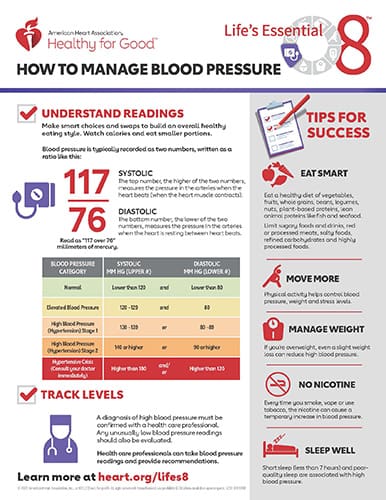
Stress can contribute to high blood pressure, so it’s important to find effective ways to reduce and manage stress in your life. Practice relaxation techniques such as deep breathing exercises, meditation, or yoga. These techniques can help calm your mind and body, lower your blood pressure, and improve your overall well-being. Make time for relaxation every day, even if it’s just a few minutes, and prioritize activities that bring you joy and peace.
Engage in Stress-Relieving Activities
Engaging in stress-relieving activities can significantly reduce your blood pressure levels. Find activities that help you unwind and relax, such as going for walks in nature, listening to calming music, spending time with loved ones, or pursuing hobbies that bring you joy. Engaging in pleasurable activities and taking breaks from your daily responsibilities can help alleviate stress and promote better blood pressure control.
Limit Alcohol Consumption
Moderate or Avoid Alcohol
While moderate alcohol consumption may have some health benefits, excessive drinking can have detrimental effects on your blood pressure. Limit your alcohol consumption to moderate levels, which means up to one drink per day for women and up to two drinks per day for men. However, if you have high blood pressure or other health conditions, it may be beneficial to avoid alcohol altogether. Always consult with your healthcare professional to determine what is best for your individual situation.
Understand the Risks of Excessive Drinking
Excessive alcohol consumption can raise your blood pressure, damage your heart muscle, and lead to other health problems. It can also interfere with the effectiveness of certain blood pressure medications. It’s important to be aware of the risks associated with excessive drinking and make informed choices about your alcohol consumption. If you have trouble controlling your alcohol intake, seek professional help and support to address this issue.
Medication Adherence
Take Prescribed Medications Regularly
If your healthcare professional has prescribed medication to manage your high blood pressure, it’s crucial to take them regularly and as directed. These medications can help control your blood pressure and reduce the risk of complications. Follow the recommended dosage and timing instructions provided by your healthcare professional, and if you have any concerns or questions, don’t hesitate to consult with them.
Be Aware of Potential Side Effects
Some blood pressure medications may have side effects, such as dizziness, fatigue, or frequent urination. If you experience any side effects, discuss them with your healthcare professional. They may be able to adjust your medication or suggest alternative options. It’s important not to stop taking your medication without consulting your healthcare professional, as abrupt discontinuation can have adverse effects on your blood pressure.
Regular Blood Pressure Monitoring
Measure Blood Pressure at Home
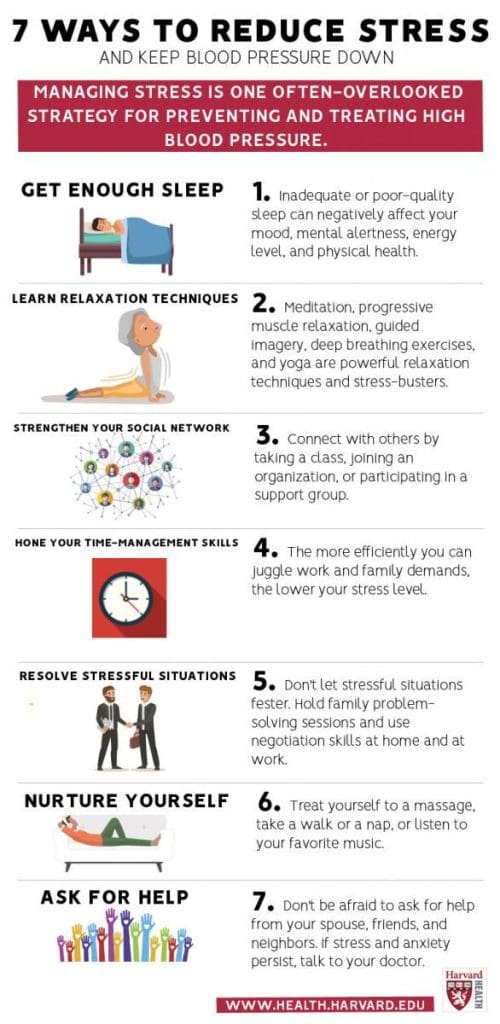
Monitoring your blood pressure regularly at home can help you keep track of your progress and make informed decisions regarding your lifestyle and medication management. Purchase a reliable home blood pressure monitor, and consult with your healthcare professional to ensure you’re using it correctly. Record your readings consistently and share them with your healthcare professional during check-ups to evaluate the effectiveness of your management plan.
Keep a Record of Readings
Maintain a record of your blood pressure readings, including the date, time, and the readings themselves. This record can provide valuable information for your healthcare professional. It can help identify patterns, detect fluctuations, and determine the effectiveness of lifestyle changes and medications. Regularly sharing this information with your healthcare professional can facilitate personalized adjustments to your treatment plan and ensure optimal blood pressure control.
Reduce Caffeine Intake
Limit Coffee and Energy Drink Consumption
While moderate caffeine intake is generally considered safe for most individuals, excessive consumption of caffeine-rich beverages like coffee and energy drinks can temporarily raise blood pressure. If you’re sensitive to caffeine or have high blood pressure, consider limiting your intake of these beverages. Opt for alternatives such as herbal teas or decaffeinated coffee to reduce your overall caffeine intake.
Opt for Decaffeinated Alternatives
If you enjoy the taste of coffee or tea but are concerned about the caffeine content, consider switching to decaffeinated versions. Decaffeinated coffee and tea offer a similar flavor profile without the stimulating effects of caffeine. By opting for decaffeinated alternatives, you can still enjoy your favorite beverages while maintaining better control over your blood pressure.
Get Sufficient Sleep
Establish a Consistent Sleep Routine
Getting enough quality sleep is crucial for maintaining good overall health, including blood pressure management. Establish a consistent sleep routine by going to bed and waking up at the same time every day, even on weekends. Create a relaxing pre-sleep routine that includes activities such as reading a book, taking a warm bath, or practicing relaxation techniques. Avoid stimulating activities or electronic screens close to bedtime, as these can interfere with your sleep.
Create a Calm and Comfortable Sleep Environment
To ensure a restful night’s sleep, create a calm and comfortable sleep environment. Keep your bedroom cool, dark, and quiet. Invest in a comfortable mattress and supportive pillows that suit your sleeping preferences. Remove electronic devices or minimize their use in your bedroom to minimize distractions. Creating a peaceful and inviting sleep environment can enhance the quality of your sleep and contribute to better blood pressure control.
Managing high blood pressure requires making positive lifestyle changes that promote overall health and well-being. By following these tips, incorporating healthy habits into your daily routine, and working closely with a healthcare professional, you can effectively manage your blood pressure and reduce the risk of complications. Remember, small changes can make a big difference, so start implementing these recommendations today for a healthier future.