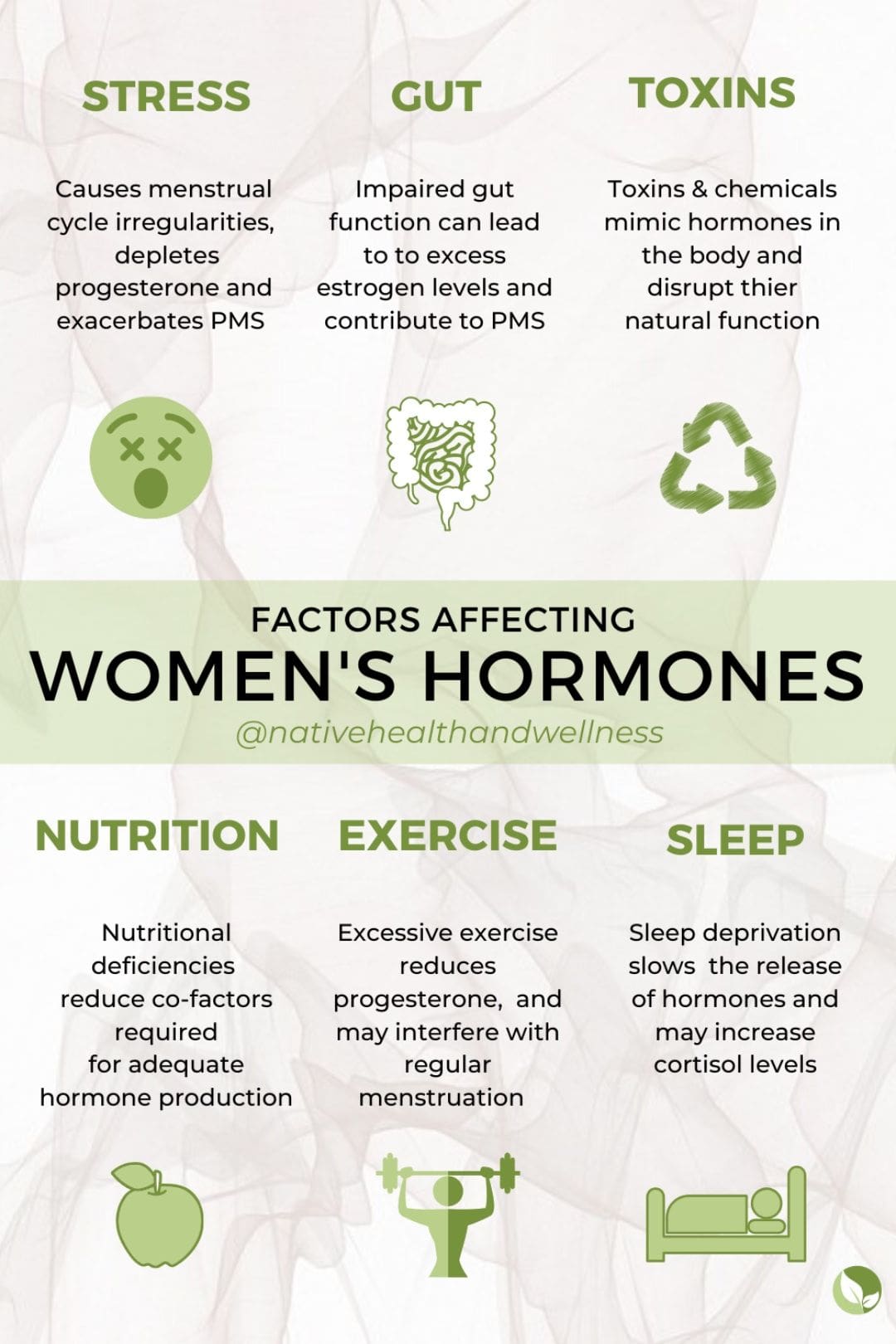
Hello there! Today, we will be discussing the most common factors that can affect your hormonal health as a woman. From stress and diet to lack of exercise and poor sleep habits, these factors can play a significant role in your hormonal balance. By understanding how these influences can impact your body, you can take proactive steps to optimize your hormonal health for overall well-being. Keep reading to learn more about the most common factors affecting women’s hormonal health. Have you ever wondered what factors could be affecting your hormonal health as a woman? From stress to diet to sleep, there are various elements that can impact your hormone levels and overall well-being. In this article, we will explore the most common factors affecting women’s hormonal health and provide you with tips on how to maintain a healthy balance. Let’s dive in and discover how you can take control of your hormonal health.

Understanding Women’s Hormones
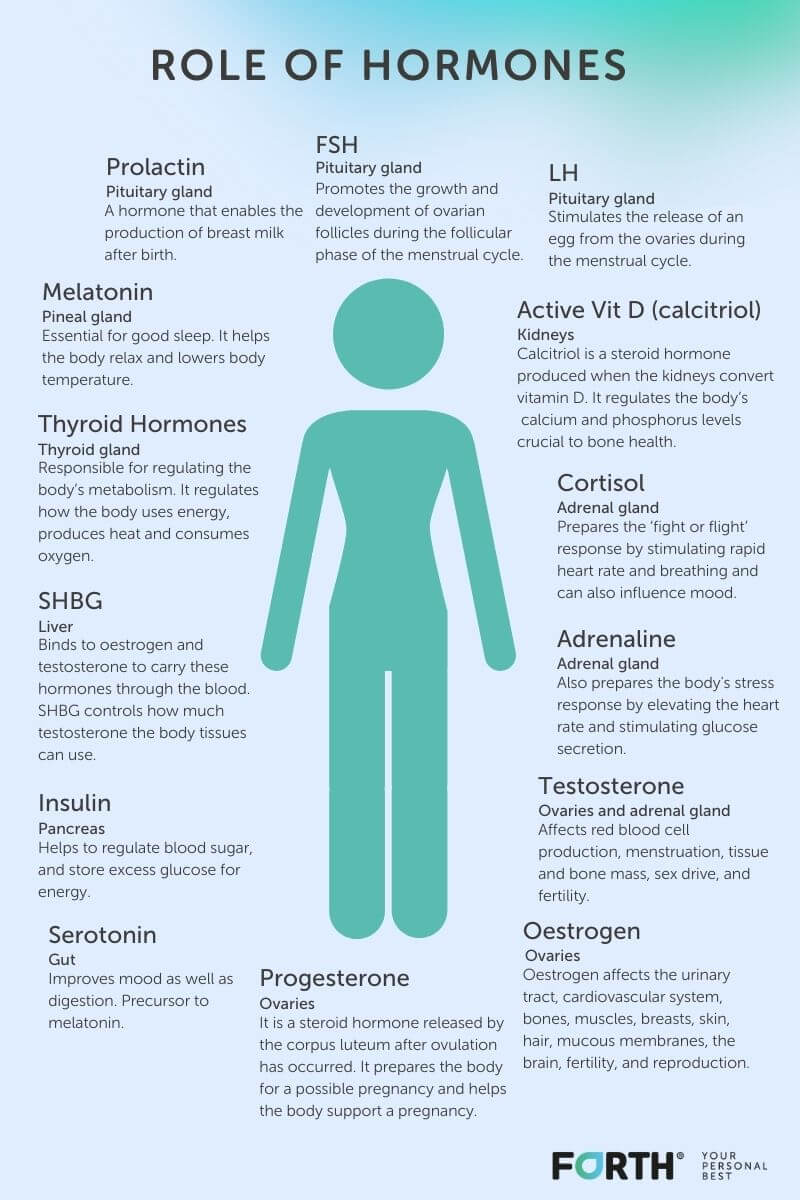
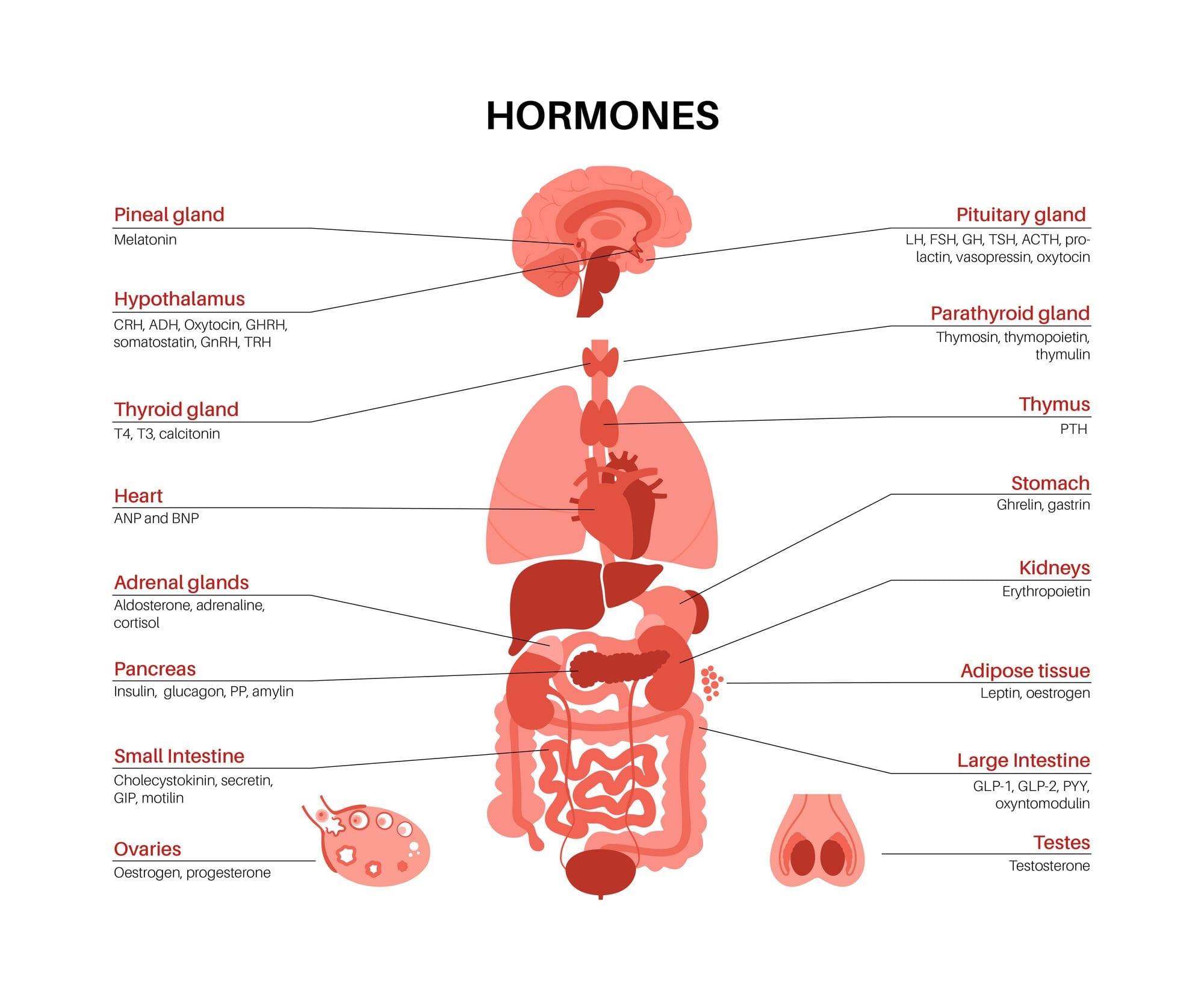
As a woman, your hormones play a crucial role in regulating your menstrual cycle, fertility, mood, energy levels, and overall health. Hormones are chemical messengers that are produced in various glands throughout your body, such as the ovaries, adrenal glands, and thyroid. Estrogen, progesterone, and testosterone are some of the key hormones that influence your physical and emotional well-being. Understanding how these hormones function and interact with each other is essential for maintaining a healthy hormonal balance.
Estrogen
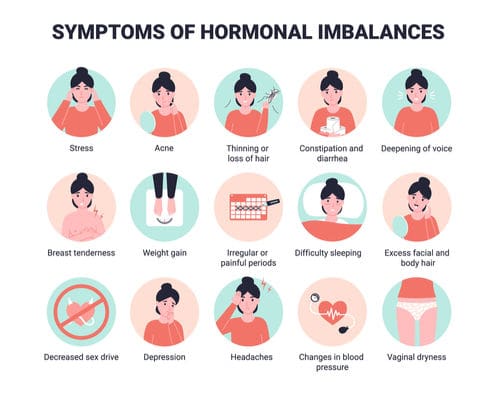
Estrogen is the primary female sex hormone responsible for regulating the menstrual cycle, supporting reproductive health, and maintaining bone density. It also plays a role in skin health, cognitive function, and mood. Estrogen levels fluctuate throughout your menstrual cycle, peaking during ovulation and dropping before menstruation. Imbalances in estrogen levels can lead to symptoms such as irregular periods, mood swings, hot flashes, and weight gain.
Progesterone
Progesterone is another crucial hormone for women, especially during the second half of the menstrual cycle and pregnancy. It helps prepare the uterus for implantation of a fertilized egg and supports a healthy pregnancy. Progesterone also has a calming effect on the nervous system, promoting relaxation and sleep. Low progesterone levels can contribute to symptoms like anxiety, insomnia, irregular menstruation, and difficulty conceiving.
Testosterone
Testosterone is often thought of as a male hormone, but women also produce small amounts of testosterone in their ovaries and adrenal glands. Testosterone plays a role in maintaining muscle mass, bone density, libido, and energy levels. Imbalances in testosterone levels can lead to symptoms such as low libido, fatigue, hair loss, and weight gain. Finding the right balance of testosterone is important for women’s overall health and well-being.
Factors Affecting Women’s Hormonal Health
Now that we have a better understanding of women’s hormones, let’s explore the most common factors that can impact your hormonal health.
Stress
Stress is a major factor that can disrupt your hormonal balance and negatively impact your overall well-being. When you are stressed, your body produces cortisol, the primary stress hormone released by the adrenal glands. Chronic stress can lead to elevated cortisol levels, which can interfere with the production and regulation of other hormones like estrogen and progesterone. This can result in symptoms such as irregular periods, mood swings, and fatigue. Finding healthy ways to manage stress, such as meditation, yoga, deep breathing exercises, and spending time in nature, can help restore hormonal balance.
Diet
Your diet plays a significant role in your hormonal health, as the foods you eat can either support or disrupt hormone production and regulation. Consuming a diet high in processed foods, sugar, refined carbohydrates, and unhealthy fats can lead to inflammation, insulin resistance, and hormonal imbalances. On the other hand, a diet rich in whole foods, fruits, vegetables, lean proteins, healthy fats, and fiber can support hormonal balance and overall well-being. In particular, foods rich in omega-3 fatty acids, antioxidants, and phytoestrogens can help regulate hormone levels and reduce inflammation in the body.
Sleep
Getting an adequate amount of quality sleep is essential for maintaining healthy hormone levels and overall health. During sleep, your body repairs and regenerates tissues, balances hormone levels, and supports immune function. Chronic sleep deprivation can disrupt your circadian rhythm, leading to imbalances in hormones like cortisol, insulin, leptin, and ghrelin. This can contribute to symptoms such as weight gain, fatigue, mood swings, and impaired cognitive function. Prioritizing sleep hygiene practices, such as establishing a regular sleep schedule, creating a relaxing bedtime routine, and optimizing your sleep environment, can help improve your hormonal health.
Exercise
Regular physical activity is important for women’s hormonal health, as it can help regulate hormone levels, reduce stress, support metabolism, and improve overall well-being. Exercise has been shown to increase circulating levels of endorphins, serotonin, and dopamine, which are neurotransmitters that promote feelings of happiness and well-being. It can also help balance hormones like estrogen, progesterone, testosterone, and insulin, leading to improved menstrual regularity, fertility, and mood. Finding an exercise routine that you enjoy, whether it’s yoga, Pilates, strength training, or cardio, can support your hormonal health and enhance your quality of life.
Tips for Maintaining Hormonal Balance
Now that we’ve discussed the most common factors affecting women’s hormonal health, let’s explore some tips on how you can maintain a healthy balance of hormones in your body.
Eat a Balanced Diet
Focus on eating a diet rich in whole foods, fruits, vegetables, lean proteins, healthy fats, and fiber to support hormonal balance and overall well-being. Avoid processed foods, sugar, refined carbohydrates, and unhealthy fats, as they can disrupt hormone production and regulation. Incorporate foods rich in omega-3 fatty acids, antioxidants, and phytoestrogens to help regulate hormone levels and reduce inflammation in the body. Remember to stay hydrated by drinking an adequate amount of water throughout the day to support optimal health.
Manage Stress
Find healthy ways to manage stress, such as meditation, yoga, deep breathing exercises, spending time in nature, and engaging in activities that bring you joy and relaxation. Prioritize self-care practices that promote mental and emotional well-being, such as journaling, practicing gratitude, connecting with loved ones, and setting boundaries. Create a daily routine that includes time for relaxation and stress relief to help restore hormonal balance and support your overall health.
Prioritize Sleep
Make sleep a priority by establishing a regular sleep schedule, creating a relaxing bedtime routine, and optimizing your sleep environment for restful sleep. Aim for 7-9 hours of quality sleep each night to support hormone production and regulation, tissue repair and regeneration, and immune function. Practice good sleep hygiene habits, such as avoiding screens before bed, keeping your bedroom dark and cool, and using relaxation techniques to help you fall asleep more easily. Quality sleep is essential for maintaining optimal hormonal health and overall well-being.
Stay Active
Incorporate regular physical activity into your daily routine to support hormonal balance, reduce stress, boost metabolism, and improve your mood. Find an exercise routine that you enjoy, whether it’s yoga, Pilates, strength training, or cardio, and make it a regular part of your lifestyle. Aim for at least 150 minutes of moderate-intensity exercise per week to support your hormonal health and enhance your quality of life. Remember to listen to your body and choose activities that make you feel good physically and mentally.
Conclusion
Maintaining hormonal balance is essential for women’s health and well-being. By understanding the most common factors affecting women’s hormonal health, such as stress, diet, sleep, and exercise, you can take proactive steps to support your hormone levels and overall health. Incorporating healthy lifestyle habits, such as eating a balanced diet, managing stress, prioritizing sleep, and staying active, can help you maintain optimal hormonal balance and feel your best. Remember to listen to your body, prioritize self-care, and seek support from healthcare professionals if you have concerns about your hormonal health. You have the power to take control of your hormonal health and live a vibrant and balanced life.