
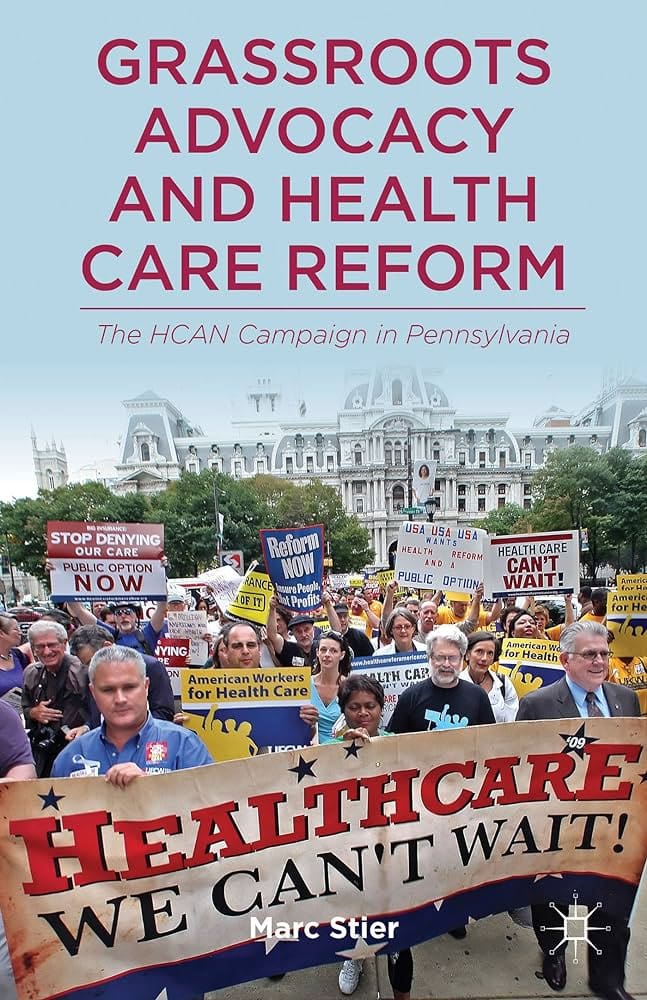
If you’ve ever wanted to make a difference in your community by advocating for better healthcare, this article is for you. In this informative piece, we will explore the most effective methods for grassroots healthcare advocacy. From organizing local events to leveraging social media, we will uncover the strategies that can truly make a difference in the lives of individuals and communities. So, get ready to equip yourself with the tools and knowledge needed to bring about positive change in the healthcare system.
Building a Network
Building a strong network is fundamental when it comes to grassroots healthcare advocacy. By identifying like-minded individuals and organizations, you can amplify your voice and maximize the impact of your efforts. Look for organizations and individuals who share a common passion for healthcare advocacy and collaborate with them to achieve shared goals. Seek out community events and meetings where you can connect with others who are passionate about healthcare advocacy. These events provide a platform for exchanging ideas, sharing resources, and finding potential partners for future projects. Additionally, actively participating in online forums and social media groups focused on healthcare advocacy can expand your network and enable you to engage with a wider audience.
Attend community events and meetings
By actively participating in community events and meetings, you have opportunities to connect with individuals and organizations who are actively involved in healthcare advocacy. Attend local healthcare forums, community health fairs, and relevant workshops. These events offer valuable platforms for sharing knowledge, learning from others, and building relationships with stakeholders in the healthcare field. By attending these events, you can stay informed about current healthcare issues and engage in meaningful discussions with like-minded individuals.
Participate in online forums and social media groups
The power of the digital world cannot be underestimated when it comes to grassroots healthcare advocacy. Online forums and social media groups provide a convenient and effective way to connect with others who are passionate about healthcare advocacy. Join relevant online forums and groups and actively participate in discussions and conversations. Share insights, ask questions, and offer support and guidance to others navigating the advocacy landscape. By engaging online, you have the opportunity to expand your network beyond geographical boundaries and reach a wider audience.
Form coalitions and partnerships
Forming coalitions and partnerships is a key strategy for advancing grassroots healthcare advocacy. Identify organizations and individuals who share similar goals and values, and explore opportunities for collaboration. By uniting forces, you can collectively leverage resources, pool expertise, and amplify your impact. Seek out organizations with complementary missions and explore ways to collaborate on advocacy campaigns, joint events, and shared initiatives. By forging strong coalitions and partnerships, you can strengthen your advocacy efforts and effectively address healthcare challenges in your community.
Raising Awareness
One of the primary goals of grassroots healthcare advocacy is to raise awareness about critical healthcare issues. By increasing public knowledge and understanding, you can mobilize support and generate momentum for change. There are several effective methods to achieve this:
Host educational seminars and workshops
Hosting educational seminars and workshops is an impactful way to raise awareness about healthcare issues. By providing a platform for experts to share their knowledge, you can educate the community and empower individuals to take action. Topics for these events can range from specific diseases or conditions to broader healthcare policies and systems. Ensure that the content is accessible and tailored to the audience’s needs and interests. By organizing educational seminars and workshops, you can help community members make informed decisions about their own healthcare and inspire them to get involved in advocacy efforts.
Create and distribute informational materials
Informational materials, such as brochures, fact sheets, and infographics, are valuable tools for spreading awareness in the community. Develop clear and concise materials that effectively convey important healthcare information. Ensure that the content is accurate, evidence-based, and easily understandable by individuals with varying levels of knowledge. Distribute these materials at community events, health fairs, and other relevant venues. Additionally, consider partnering with local healthcare providers, schools, and community centers to display and distribute these materials. By creating and distributing informational materials, you can reach a broad audience and educate individuals about healthcare issues.
Utilize traditional and digital media
Effective utilization of both traditional and digital media is essential for raising awareness about grassroots healthcare advocacy. Collaborate with local newspapers, radio stations, and television channels to raise public awareness about healthcare issues. Work with journalists to publish op-eds and articles that highlight the importance of healthcare advocacy. Additionally, leverage social media platforms to reach a wider audience. Create engaging and shareable content that educates and inspires action. Utilize visuals, videos, and stories to make your message resonate with the community. By utilizing a mix of traditional and digital media, you can effectively reach and engage individuals from diverse backgrounds.
Organize community health fairs
Community health fairs provide an excellent opportunity to raise awareness about healthcare issues while offering valuable resources to community members. Collaborate with local healthcare providers, nonprofits, and community organizations to organize health fairs that promote health and wellness. Feature educational booths, health screenings, and information sessions on topics such as preventive care, mental health, and access to healthcare services. By organizing community health fairs, you can bring healthcare to the forefront of public consciousness and create spaces for meaningful engagement.
Community Engagement
Engaging the community is a crucial aspect of grassroots healthcare advocacy. By involving community members in the advocacy process, you can ensure that their voices are heard and their needs are addressed. Here are some effective ways to engage the community:
Hold town hall meetings and public forums
Town hall meetings and public forums provide opportunities for community members to voice their concerns, share their experiences, and engage in open dialogue. Organize these events and invite policymakers, healthcare professionals, and community leaders to participate. Set an inclusive and respectful atmosphere that encourages active participation from all attendees. Provide a safe space for community members to ask questions, learn about healthcare policies, and express their opinions. By facilitating town hall meetings and public forums, you can foster community engagement and create a space for meaningful discussions on healthcare issues.
Gather testimonials and personal stories
Personal stories are powerful advocacy tools that can humanize healthcare issues and inspire action. Collect testimonials and personal stories from community members who have faced healthcare challenges. Share these stories through various platforms, such as social media, websites, and public events. By sharing these narratives, you can create empathy, raise awareness, and rally support for healthcare advocacy. Ensure that personal stories are shared with consent and confidentiality and that they accurately represent the diverse experiences within the community.
Engage with local schools and universities
Schools and universities are excellent platforms for community engagement and education. Collaborate with local educational institutions to organize workshops, guest lectures, and awareness campaigns. Educate students about healthcare issues, the importance of advocacy, and how they can get involved. Encourage students to conduct research, join student-led healthcare organizations, and participate in advocacy activities. By engaging with local schools and universities, you can empower the younger generation to become healthcare advocates and change-makers.
Establish partnerships with faith-based organizations
Faith-based organizations often have strong community ties and can be valuable allies in grassroots healthcare advocacy. Establish partnerships with local religious institutions and work together to address healthcare issues in the community. Collaborate on initiatives such as health fairs, educational programs, and outreach campaigns. Leverage the influence and trust of faith-based organizations to raise awareness, provide resources, and advocate for better healthcare policies. By forming partnerships with faith-based organizations, you can tap into established community networks and engage individuals who may not otherwise be reached.
Advocacy Training
Effective advocacy requires specific skills and knowledge. By offering advocacy training opportunities, you can equip individuals with the tools they need to effectively advocate for healthcare issues. Here are some training areas to consider:
Provide training on effective advocacy techniques
Advocacy training should include instruction on effective advocacy techniques. Cover topics such as message development, strategic planning, relationship-building, and effective communication. Teach participants how to identify key stakeholders, tailor messages to specific audiences, and utilize different advocacy strategies. Provide practical guidance on developing advocacy plans and executing effective advocacy campaigns. By providing training on effective advocacy techniques, you can empower individuals to make a meaningful impact in healthcare advocacy.
Educate on policy and legislative processes
Understanding the policy and legislative processes is crucial for effective advocacy. Offer training sessions that provide an overview of how policies are developed and implemented at local, state, and national levels. Educate participants on how to track legislation, read policy documents, and navigate the legislative landscape. Teach them how to identify opportunities for advocacy, such as public hearings and committee meetings. By equipping individuals with knowledge of policy and legislative processes, you can empower them to navigate the complex world of healthcare advocacy.
Offer workshops on public speaking and storytelling
Public speaking and storytelling are powerful tools for advocacy. Conduct workshops that focus on developing public speaking skills, including techniques for delivering a compelling speech, engaging an audience, and handling questions effectively. Provide guidance on how to craft and deliver persuasive narratives that resonate with listeners and inspire action. By offering workshops on public speaking and storytelling, you can enable advocates to effectively communicate their messages and connect with their audience on an emotional level.
Teach lobbying and negotiation skills
Lobbying and negotiation skills are essential for influencing policymakers and achieving policy change. Provide training sessions that cover the basics of effective lobbying, including how to schedule and conduct meetings with legislators, develop persuasive arguments, and build long-term relationships with decision-makers. Teach participants negotiation skills that can be used in advocacy settings, such as consensus-building and compromise. By teaching lobbying and negotiation skills, you can empower advocates to effectively advocate for healthcare issues and bring about meaningful change.
Grassroots Lobbying
Grassroots lobbying involves directly engaging with policymakers to advocate for specific healthcare policies or initiatives. Here are some effective grassroots lobbying methods:
Engage in direct meetings with policymakers
Direct meetings with policymakers provide an opportunity to present your advocacy message in a personalized and impactful way. Request meetings with elected officials or their staff to discuss healthcare issues that are important to your community. Prepare your talking points in advance and be prepared to answer questions and provide supporting evidence. Focus on building relationships and conveying the concerns and perspectives of the communities you represent. By engaging in direct meetings with policymakers, you can directly influence their decision-making processes.
Write letters and emails to elected officials
Despite the digital age, written communication still holds significant weight in grassroots lobbying. Craft clear and concise letters and emails to elected officials, expressing your concerns and advocating for specific healthcare policies. Ensure that your messages are personalized, well-researched, and based on evidence. Clearly articulate the impact of the proposed policies on the community and emphasize the importance of action. By consistently writing letters and emails to elected officials, you can raise awareness of healthcare issues and keep them on policymakers’ agendas.
Organize letter-writing campaigns
Letter-writing campaigns are a powerful grassroots lobbying tool that can mobilize a large number of advocates in a short period. Develop templates and resources that make it easy for individuals to write personalized letters to elected officials. Provide key talking points and suggested actions to ensure consistency and effectiveness. Encourage participants to gather signatures from family, friends, and community members to demonstrate widespread support. By organizing letter-writing campaigns, you can amplify your advocacy message and demonstrate the collective power of grassroots voices.
Develop relationships with key decision-makers
Building strong relationships with key decision-makers is critical for effective grassroots lobbying. Take the time to get to know policymakers and their staff on both a professional and personal level. Attend community events where they are present, introduce yourself, and engage in meaningful conversations. Offer to be a resource on healthcare issues and provide accurate, evidence-based information that can inform their decision-making processes. By establishing and nurturing relationships with key decision-makers, you can cultivate allies who may be more receptive to your advocacy efforts.
Campaigning and Activism
Campaigning and activism are powerful tools for raising awareness, mobilizing support, and effecting change. Here are some effective methods for grassroots healthcare advocacy:
Organize rallies, protests, and marches
Rallies, protests, and marches can generate significant visibility and raise public awareness about healthcare issues. Plan and organize peaceful gatherings that allow community members to come together, share their concerns, and demand action. Ensure that the event has a clear objective, such as advocating for a specific healthcare policy or raising awareness about a particular issue. Collaborate with other advocacy organizations and leverage social media to promote and mobilize participants. By organizing rallies, protests, and marches, you can harness the collective power of the community to bring attention to healthcare issues.
Gather signatures for petitions and initiatives
Petitions and initiatives are effective tools for grassroots advocacy, enabling community members to express their support or opposition to specific policies or actions. Develop well-crafted petitions and initiatives that clearly state the desired outcome and the rationale behind it. Organize signature-gathering campaigns in community centers, events, and public spaces. Utilize digital platforms to reach a wider audience and make it easy for individuals to sign and share. By gathering signatures for petitions and initiatives, you can demonstrate broad public support and create pressure for policy change.
Utilize social media for digital activism
Social media platforms offer a powerful avenue for digital activism. Create engaging and shareable content that educates, informs, and inspires action. Develop social media campaigns that raise awareness about healthcare issues, promote advocacy events, and encourage community engagement. Utilize hashtags to amplify your message and reach a broader audience. Encourage supporters to share content, tag policymakers, and participate in digital advocacy initiatives. By harnessing the power of social media, you can effectively engage and mobilize individuals in healthcare advocacy efforts.
Coordinate grassroots fundraising efforts
Fundraising is an essential aspect of grassroots healthcare advocacy, as it provides the resources necessary to support advocacy initiatives and sustain organizational efforts. Coordinate grassroots fundraising efforts within the community by organizing events such as bake sales, benefit concerts, or online crowdfunding campaigns. Engage supporters by highlighting the impact of their contributions on healthcare advocacy. Clearly communicate the funding needs, the intended use of funds, and the potential outcomes. By coordinating grassroots fundraising efforts, you can generate the financial resources needed to advance healthcare advocacy goals.
Legislative Advocacy
Legislative advocacy focuses on influencing policymakers to create or change laws and policies that impact healthcare. Here are some effective methods for legislative advocacy:
Monitor and track proposed legislation
To effectively advocate for healthcare policies, it is essential to stay informed about proposed legislation at local, state, and national levels. Establish a system to monitor and track bills and policy changes related to healthcare issues. This can involve regularly reviewing legislative websites, subscribing to relevant newsletters, and partnering with organizations that specialize in policy analysis. By monitoring and tracking proposed legislation, you can quickly respond, provide input, and mobilize supporters when necessary.
Engage in strategic lobbying with lawmakers
Strategic lobbying involves engaging with lawmakers directly to advocate for specific policies or changes to existing legislation. Develop relationships with elected officials and their staff by attending meetings, events, and public hearings. Provide them with accurate, evidence-based information and share personal stories that highlight the impact of healthcare policies on individuals and communities. Foster open lines of communication to stay informed about policy developments and to provide expertise when needed. By engaging in strategic lobbying, you can effectively influence the decision-making processes of lawmakers.
Mobilize supporters for legislative hearings
Legislative hearings provide opportunities for public input on proposed healthcare policies. Mobilize supporters to attend these hearings and provide testimonies that highlight the importance of specific policies or advocate for changes. Work with advocacy organizations and community members to coordinate testimonies that represent different perspectives and experiences. Prepare participants by offering training on effective testimony delivery and provide resources that strengthen their arguments. By mobilizing supporters for legislative hearings, you can make a compelling case for healthcare policies that align with your advocacy goals.
Collaborate with allied organizations for advocacy campaigns
Collaboration with allied organizations can amplify the impact of legislative advocacy efforts. Identify organizations that share common goals and values and explore opportunities for joint advocacy campaigns. Coordinate efforts, share resources, and pool expertise to maximize effectiveness. Utilize the strength of a unified voice to advocate for healthcare policies that address the needs and priorities of the community. By collaborating with allied organizations, you can strengthen advocacy campaigns and increase the likelihood of policy change.
Coalition Building
Building coalitions is an effective way to advocate for healthcare issues by joining forces with other organizations and individuals who share similar goals. Here are some effective methods for building coalitions:
Identify and collaborate with intersecting issue groups
Identify issue groups that intersect with healthcare advocacy and collaborate with them to address common concerns. For example, organizations focused on social justice, poverty alleviation, or education may have shared goals and interests. Engage in discussions and joint initiatives that highlight the connections between healthcare and these intersecting issues. By collaborating with intersecting issue groups, you can leverage their networks, resources, and expertise to advance healthcare advocacy.
Participate in local and regional coalitions
Engage with local and regional coalitions that focus on healthcare and related issues. Participate in their meetings, join their committees, and actively contribute to their initiatives. Offer your expertise, share resources, and collaborate on joint advocacy campaigns. By participating in local and regional coalitions, you can tap into the collective power of like-minded organizations and individuals to address healthcare challenges in a coordinated and impactful manner.
Coordinate joint advocacy efforts
Coordinate joint advocacy efforts with other organizations that share similar healthcare advocacy goals. Develop shared messaging and strategies that align with the collective mission. Plan and execute joint advocacy campaigns and initiatives that leverage the strengths and expertise of all participating organizations. By coordinating joint advocacy efforts, you can amplify your impact, reach broader audiences, and create a unified front for change.
Promote shared messaging and goals
Promoting shared messaging and goals is essential for creating a cohesive and effective coalition. Clearly define and articulate the shared objectives of the coalition. Develop key messages and talking points that resonate with all coalition members. Coordinate efforts to ensure that advocacy materials, public statements, and events reflect the shared messaging and goals of the coalition. By promoting shared messaging and goals, you can present a united front and effectively advocate for healthcare issues.
Storytelling and Media Outreach
Storytelling and media outreach are powerful methods for raising awareness and mobilizing support for grassroots healthcare advocacy. Here are some effective strategies to consider:
Craft and share powerful personal narratives
Personal narratives have the ability to engage listeners on an emotional level and make healthcare issues resonate with the public. Encourage individuals to share their personal stories related to healthcare challenges, access to care, or experiences with the healthcare system. Craft these narratives into compelling accounts that convey the human impact of specific healthcare issues. Share these stories through various channels, such as websites, social media platforms, and public events. By crafting and sharing powerful personal narratives, you can foster empathy, humanize healthcare issues, and inspire action.
Submit op-eds and articles to local newspapers
Op-eds and articles provide a platform to share expertise, raise awareness, and advocate for specific healthcare issues. Identify local newspapers and publications that cover healthcare-related topics and submit op-eds and articles. Clearly articulate the importance of specific policies or advocate for changes in healthcare systems or services. Ensure that your content is well-researched, provides evidence-based arguments, and is written in a clear and concise manner. By submitting op-eds and articles to local newspapers, you can reach a broad audience and generate public dialogue about healthcare issues.
Engage with radio and TV stations for interviews
Radio and TV stations offer valuable opportunities to reach a wide audience and share information about grassroots healthcare advocacy. Develop media pitches that highlight the relevance and timeliness of specific healthcare issues. Reach out to local radio and TV stations to request interviews or appearances on relevant programs. Prepare talking points and anticipate questions in advance to ensure that you effectively convey your message during interviews. By engaging with radio and TV stations, you can expand the reach of your advocacy efforts and educate the public about critical healthcare issues.
Utilize social media platforms for advocacy storytelling
Social media platforms are powerful tools for storytelling and reaching a broad audience. Utilize platforms such as Facebook, Instagram, Twitter, and YouTube to share personal narratives, videos, and other content that resonates with the public. Craft compelling messaging that highlights the importance of healthcare issues and emphasizes the need for action. Utilize visuals, infographics, and hashtags to increase the visibility and shareability of your content. By utilizing social media platforms for advocacy storytelling, you can engage a wide range of individuals and mobilize support for grassroots healthcare advocacy.
Monitoring and Evaluation
Monitoring and evaluating the outcomes of your advocacy efforts is essential for assessing impact, identifying areas for improvement, and shaping future strategies. Here are some effective methods for monitoring and evaluation:
Track progress and outcomes of advocacy efforts
Develop a system to track the progress and outcomes of your advocacy efforts. Identify key performance indicators (KPIs) that align with your advocacy goals and regularly collect data to measure progress. This can include metrics such as the number of individuals reached, policy changes achieved, or public awareness generated. Evaluate the effectiveness of different advocacy strategies and initiatives to identify areas of success and areas that require improvement. By tracking progress and outcomes, you can assess the impact of your advocacy efforts and make data-driven decisions.
Collect and analyze relevant data and statistics
Collecting and analyzing relevant data and statistics is crucial for evidence-based advocacy. Stay informed about healthcare trends, access to care, and other relevant indicators that can inform your advocacy message. Utilize public health reports, government data, and research studies to gather accurate and up-to-date information. Analyze the data to identify trends, disparities, and gaps in healthcare services. By collecting and analyzing data, you can strengthen the evidence base for your advocacy efforts and effectively communicate your message.
Utilize surveys and feedback mechanisms
Surveys and feedback mechanisms are valuable tools for gathering input from community members and stakeholders. Develop surveys and questionnaires that capture insights and perspectives on healthcare issues, policies, and advocacy efforts. Distribute these surveys through various channels, such as online platforms, community events, or healthcare settings. Collect and analyze the data to gain a better understanding of community needs, opinions, and priorities. By utilizing surveys and feedback mechanisms, you can engage stakeholders, inform your advocacy strategies, and ensure that your efforts are aligned with community preferences.
Review and adjust advocacy strategies as needed
Regularly review and adjust your advocacy strategies based on monitoring and evaluation findings. Assess the effectiveness of different advocacy methods, initiatives, and messaging. Identify areas that require improvement and develop strategies to address any gaps. Stay informed about emerging healthcare issues, policy changes, and community needs. By consistently reviewing and adjusting your advocacy strategies, you can ensure that your efforts remain relevant, impactful, and aligned with the evolving healthcare landscape.
In conclusion, grassroots healthcare advocacy requires a comprehensive and strategic approach to maximize impact. Building a network, raising awareness, engaging the community, providing advocacy training, grassroots lobbying, campaigning and activism, legislative advocacy, coalition building, storytelling and media outreach, and monitoring and evaluation are all essential components of an effective grassroots healthcare advocacy campaign. By employing these methods and techniques, individuals and organizations can mobilize support, promote policy change, and work towards a healthier and more equitable healthcare system.