
Welcome to our article on the most effective natural remedies for preventing allergies! If you’re tired of dealing with sneezing, itching, and congestion during allergy season, then this is the perfect read for you. From incorporating local honey into your diet to using essential oils for relief, we’ll explore a variety of natural options to help combat those pesky allergies. Say goodbye to over-the-counter medications and hello to a more holistic approach to allergy prevention. Let’s dive in and discover how you can keep those symptoms at bay all year round.
Most Effective Natural Remedies For Preventing Allergies
Do you suffer from allergies and want to explore natural remedies to prevent them? Look no further! In this article, we will discuss some of the most effective natural remedies for preventing allergies. From herbal supplements to dietary changes, we have got you covered. Let’s dive in and explore how you can alleviate your allergy symptoms naturally.
Understanding Allergies
Before we delve into the natural remedies, let’s first understand what allergies are. Allergies occur when your immune system overreacts to a harmless substance, known as an allergen. Common allergens include pollen, pet dander, dust mites, and certain foods. When exposed to these allergens, your body releases histamines, leading to symptoms such as sneezing, itching, and congestion. By addressing the root cause of allergies, you can prevent or reduce these symptoms naturally.
Identifying Your Triggers
The first step in preventing allergies is to identify your triggers. Keeping a journal to track your symptoms and potential allergens can help you pinpoint the specific triggers that cause your allergic reactions. Once you have identified your triggers, you can take proactive steps to avoid or minimize exposure to them. Common allergen sources include:
- Pollen
- Dust mites
- Pet dander
- Mold
- Foods (e.g., peanuts, shellfish)
By understanding your triggers, you can make informed decisions about the natural remedies that will be most effective for you.
Dietary Changes
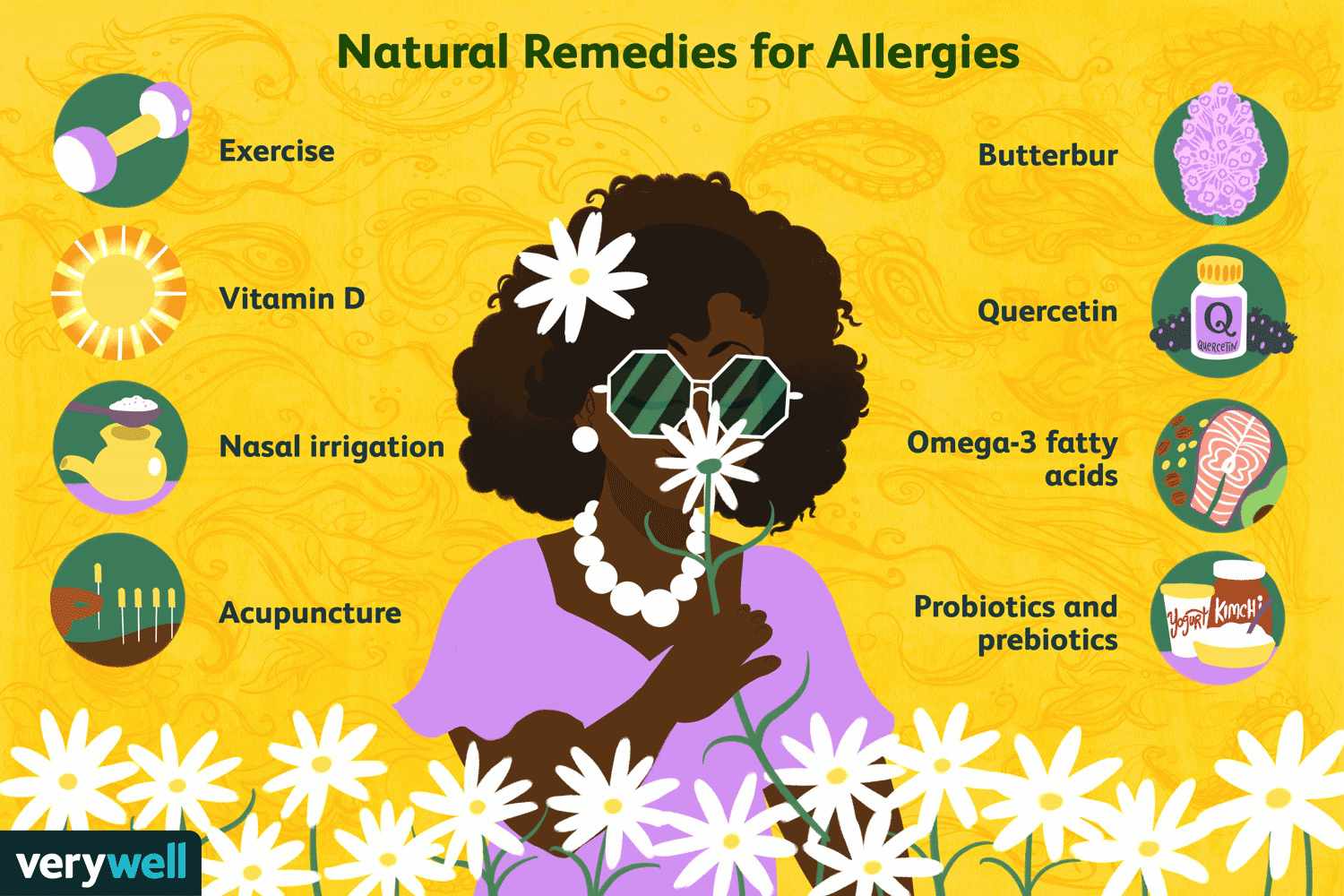
Making dietary changes can play a significant role in preventing allergies. Some foods can worsen allergic reactions, while others can help boost your immune system and reduce inflammation. Consider incorporating the following foods into your diet to support your overall health and well-being:
| Food | Benefits |
|---|---|
| Omega-3 fatty acids (e.g., fish oil, flaxseeds) | Anti-inflammatory properties |
| Quercetin-rich foods (e.g., apples, onions, berries) | Natural antihistamines |
| Probiotic-rich foods (e.g., yogurt, kefir, sauerkraut) | Supports gut health and immune function |
| Local honey | May help desensitize you to pollen allergies |
By incorporating these foods into your diet, you can optimize your immune response and potentially reduce the severity of your allergic reactions.
Herbal Remedies
Herbal remedies have been used for centuries to alleviate allergy symptoms and support overall health. Consider incorporating the following herbs into your daily routine to prevent allergies naturally:
- Butterbur: Known for its anti-inflammatory properties, butterbur can help reduce allergic reactions.
- Nettle: Nettle is a natural antihistamine that can help relieve symptoms like sneezing and itching.
- Turmeric: Curcumin, the active compound in turmeric, has potent anti-inflammatory properties that can help combat allergies.
- Gingko Biloba: Gingko biloba can help reduce allergic reactions and support respiratory health.
Before incorporating herbal remedies into your routine, consult with a healthcare professional to ensure they are safe for you and will not interact with any medications you may be taking.
Essential Oils
Essential oils are a popular natural remedy for allergies due to their anti-inflammatory and antimicrobial properties. Consider using the following essential oils in a diffuser or diluted in a carrier oil for topical application:
- Lavender: Lavender oil can help alleviate allergic symptoms like congestion and headaches.
- Peppermint: Peppermint oil has cooling and soothing properties that can help relieve allergy-related discomfort.
- Eucalyptus: Eucalyptus oil is known for its decongestant and expectorant properties, making it beneficial for respiratory allergies.
Remember to perform a patch test before using essential oils topically and consult with a healthcare provider if you have any underlying health conditions.
Lifestyle Changes
In addition to dietary and herbal remedies, making lifestyle changes can help prevent allergies naturally. Consider the following tips to reduce your exposure to allergens and support your immune system:
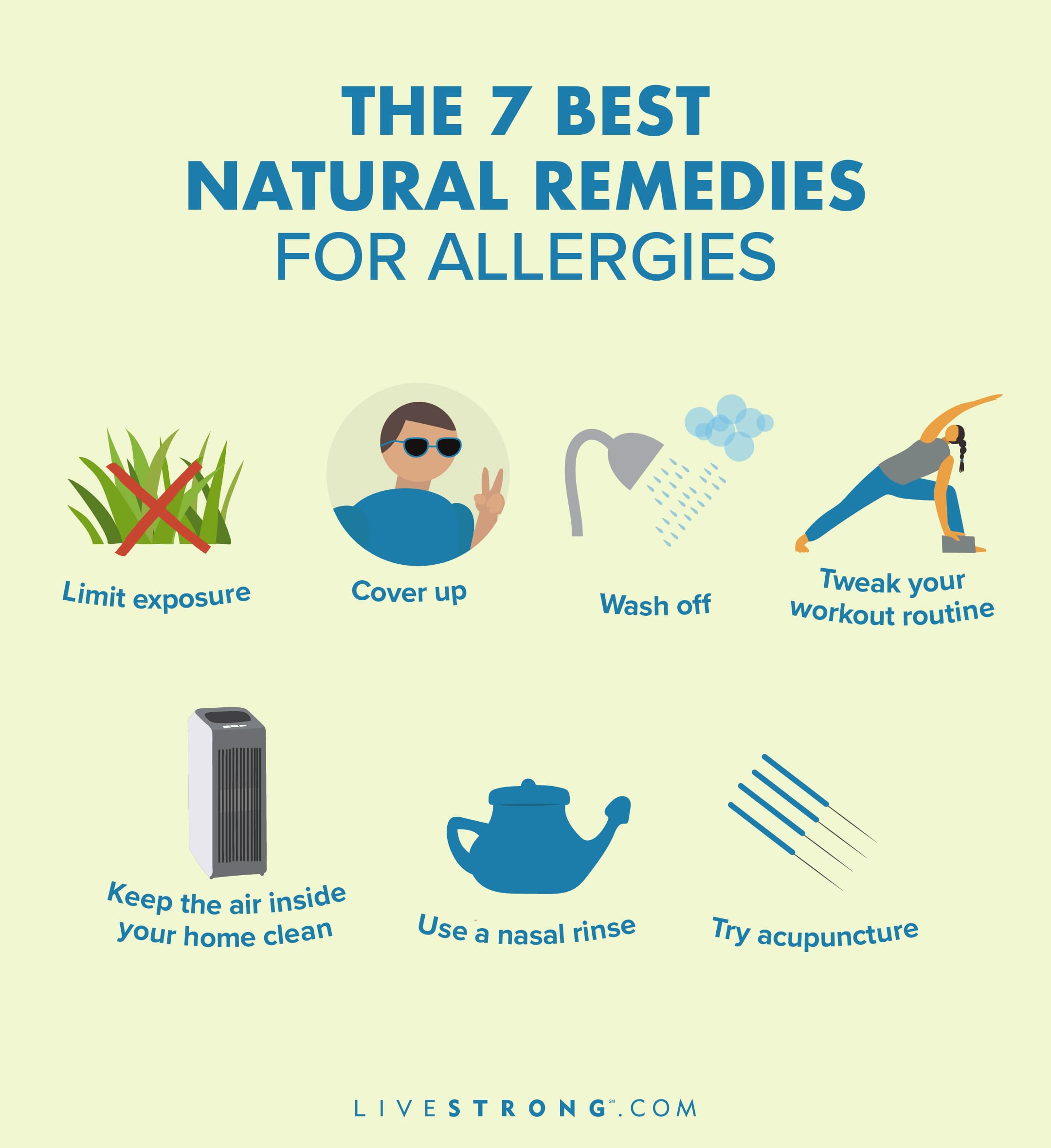
- Keep your living space clean: Regularly clean and vacuum your home to reduce dust mites and pet dander.
- Use allergen-proof bedding: Invest in allergen-proof pillowcases and mattress covers to create a barrier between you and common allergens.
- Wash your hands frequently: By washing your hands regularly, you can prevent the spread of allergens that may trigger your symptoms.
- Practice stress-reducing activities: Chronic stress can weaken your immune system and worsen allergic reactions. Incorporate stress-reducing activities like yoga, meditation, or deep breathing exercises into your daily routine.
By implementing these lifestyle changes, you can create a healthy environment that supports your overall well-being and reduces your risk of allergic reactions.
Conclusion
While allergies can be challenging to manage, incorporating natural remedies into your routine can help prevent and alleviate symptoms effectively. By making dietary changes, incorporating herbal remedies, using essential oils, and making lifestyle adjustments, you can reduce your exposure to allergens and support your immune system naturally. Remember to consult with a healthcare professional before making any significant changes to your routine, especially if you have underlying health conditions or are taking medications. With dedication and patience, you can find relief from allergies and enjoy better health and well-being.