
Welcome to a comprehensive guide on managing chronic migraines! In this article, you will discover the most effective strategies and techniques to help you cope with the challenges of living with chronic migraines. From lifestyle changes to alternative therapies, we will explore various methods that can provide relief and improve your quality of life. Say goodbye to constant pain and hello to a more manageable and fulfilling daily routine. Let’s dive in and explore the solutions that can help you take control of your chronic migraines once and for all. Hey there! Are you tired of constantly dealing with chronic migraines? You’re not alone. Managing chronic migraines can be challenging, but there are effective strategies that can help you cope better with this condition. In this article, we will explore the most effective ways to manage chronic migraines so that you can improve your quality of life and find some relief from the pain. Let’s dive in!
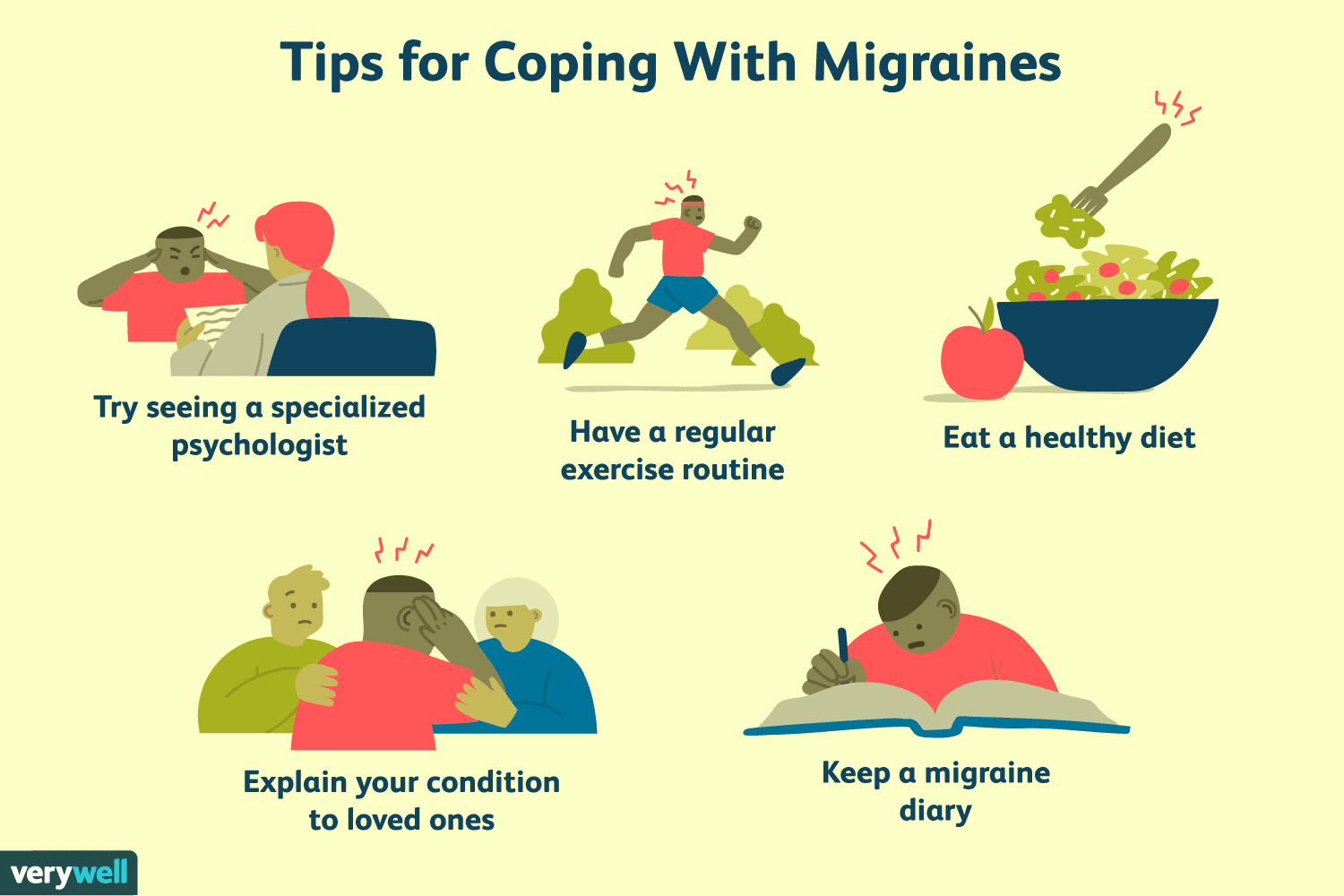
Understanding Chronic Migraines
Chronic migraines are a neurological condition characterized by recurrent moderate to severe headaches. Unlike episodic migraines, chronic migraines occur on 15 or more days per month for at least three months. These headaches can be debilitating and significantly impact your daily life. Understanding the triggers and symptoms of chronic migraines is the first step in managing this condition effectively.
Recognizing the Symptoms
Common symptoms of chronic migraines include intense pulsing or throbbing pain on one side of the head, sensitivity to light and sound, nausea, vomiting, and blurred vision. These symptoms can last for hours or days, making it difficult to focus, work, or participate in daily activities. If you experience these symptoms frequently, it is essential to consult a healthcare professional for a proper diagnosis and treatment plan.
Medical Treatment Options
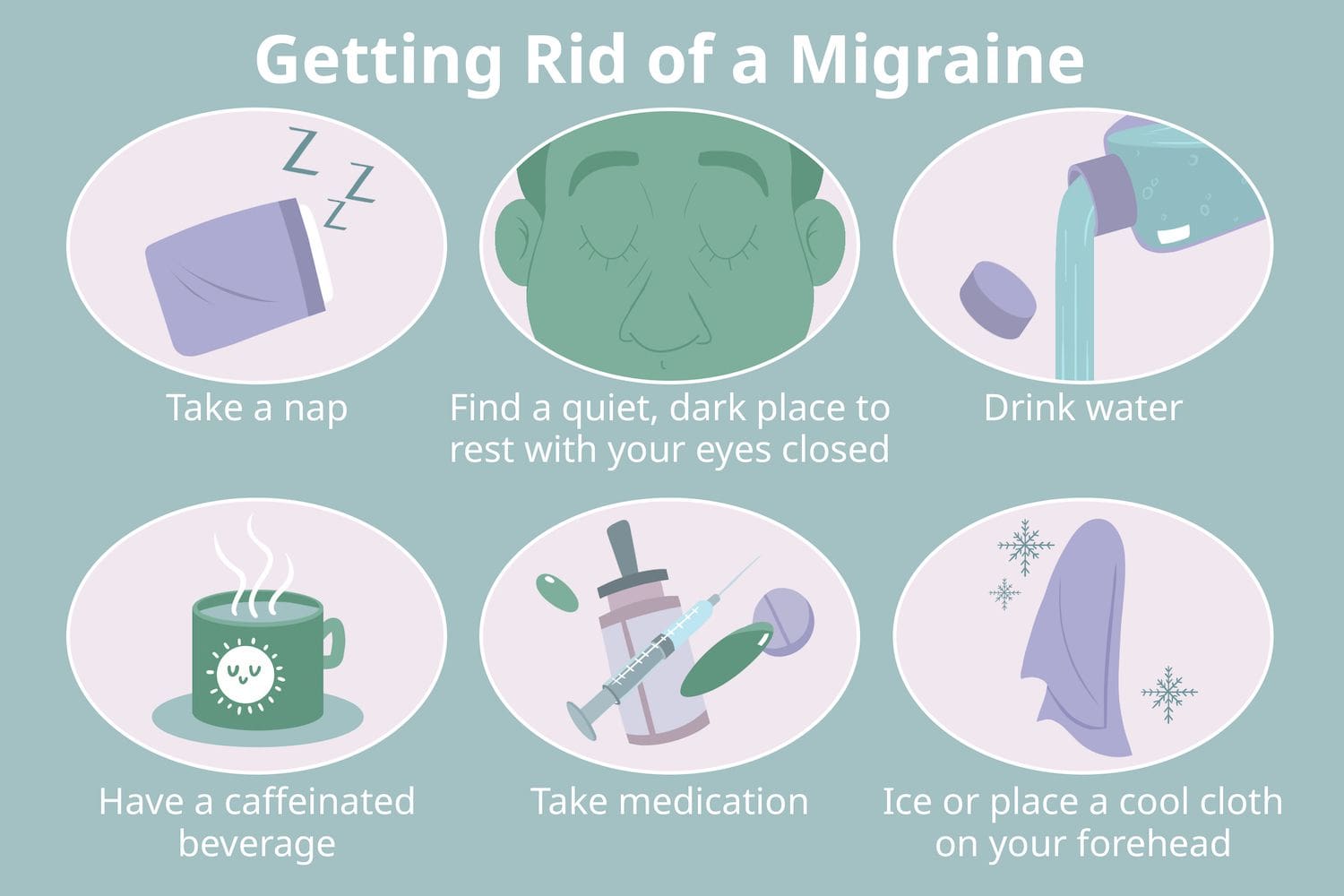
Medical treatment options for chronic migraines aim to reduce the frequency and intensity of headaches, alleviate symptoms, and improve your overall quality of life. Consulting a healthcare provider is crucial to determine the most suitable treatment approach based on your specific condition and medical history.
Medications
There are several medications available to treat chronic migraines, including:
- Pain Relievers: Over-the-counter or prescription pain medications can help alleviate migraine pain. Common options include ibuprofen, acetaminophen, and aspirin.
- Triptans: These medications are specifically designed to relieve migraine pain and associated symptoms. Triptans work by narrowing blood vessels in the brain, reducing inflammation, and blocking pain pathways.
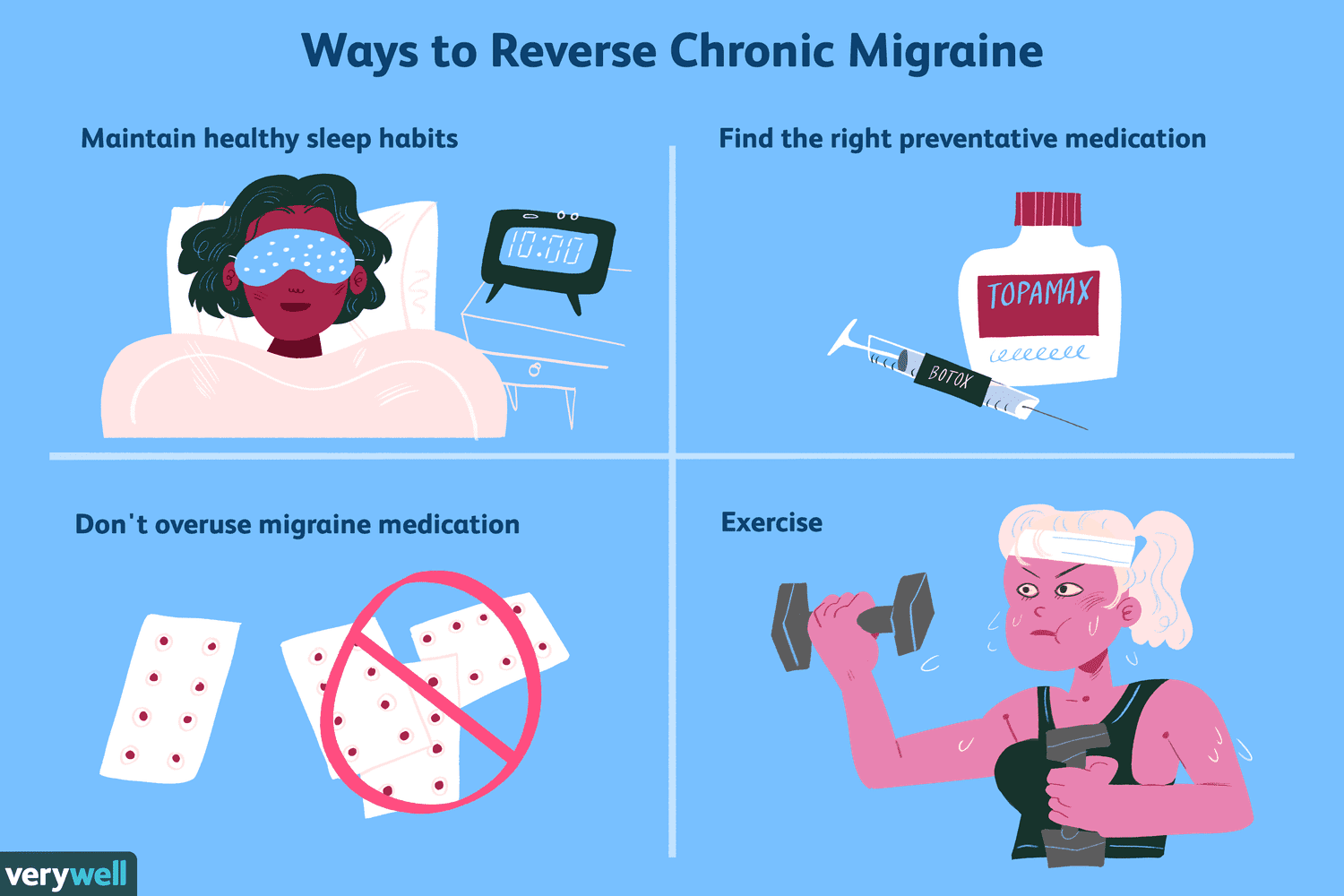
- Preventive Medications: If you experience frequent migraines, your healthcare provider may recommend preventive medications to reduce the frequency and severity of headaches. These medications are taken daily to prevent migraines from occurring.
- Antidepressants: Certain antidepressants can help manage chronic migraines by regulating serotonin levels in the brain and reducing the frequency of migraine attacks.
It is essential to follow your healthcare provider’s instructions when taking medications for chronic migraines, as improper use or dosage can lead to adverse effects and decrease treatment efficacy.
Botox Injections
Botox injections have been approved by the FDA as a preventive treatment for chronic migraines. These injections are administered every 12 weeks into specific head and neck muscles to reduce headache frequency and severity. Botox works by blocking the release of neurotransmitters involved in pain perception, providing long-lasting relief for chronic migraine sufferers.
Nerve Stimulation
Nerve stimulation therapy involves the use of electrical impulses to modulate pain signals in the brain and spinal cord. Devices such as the Cefaly headband or the gammaCore non-invasive vagus nerve stimulator can be effective in managing chronic migraines and reducing headache frequency. Nerve stimulation therapy is a non-invasive and drug-free option for individuals seeking alternative treatments for chronic migraines.
Lifestyle Modifications
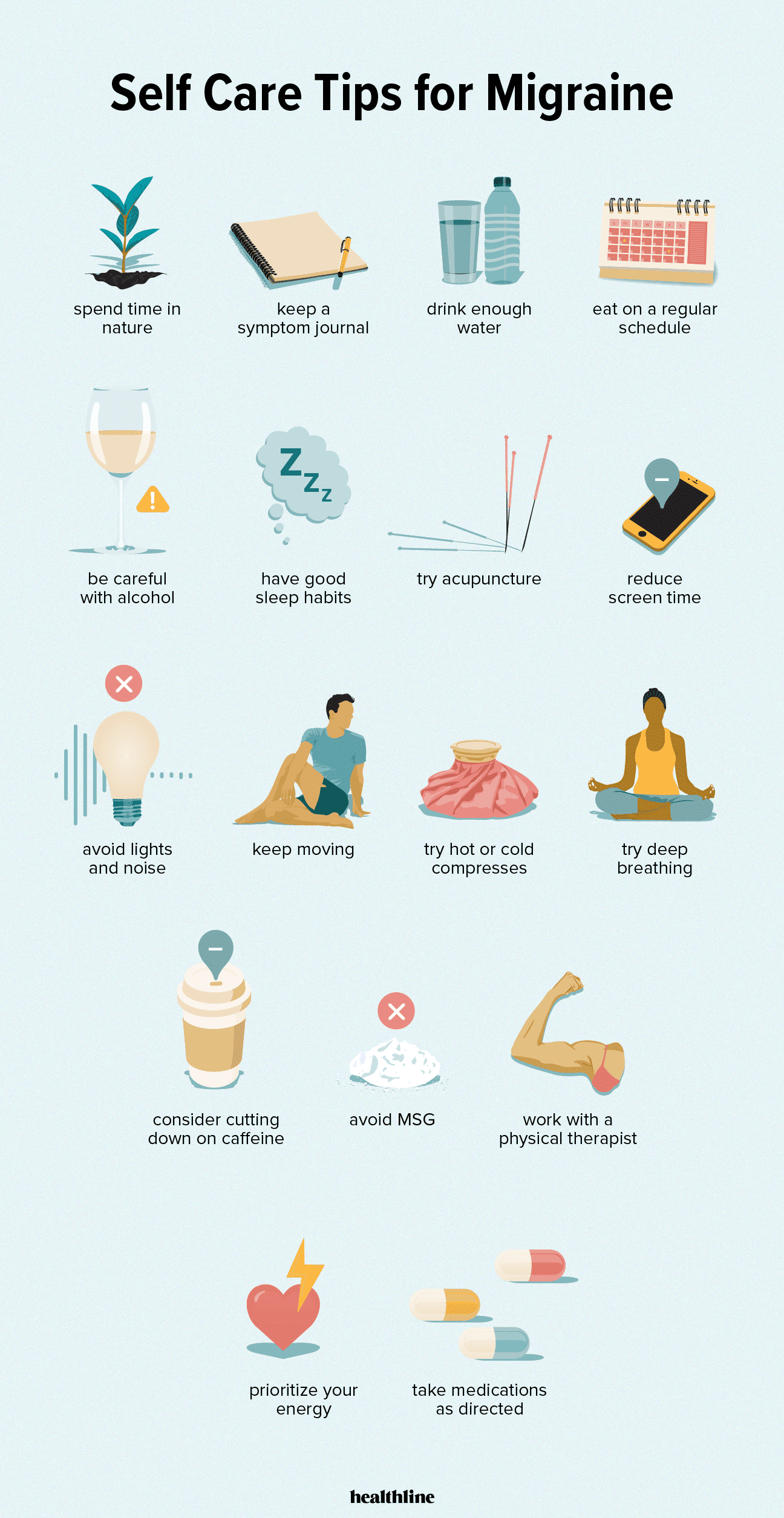
In addition to medical treatments, making lifestyle modifications can significantly improve your ability to manage chronic migraines and reduce their impact on your daily life. Adopting healthy habits and avoiding common triggers can help prevent migraines and improve your overall well-being.
Healthy Diet
Maintaining a balanced and nutritious diet can help reduce the frequency and intensity of chronic migraines. Some dietary triggers, such as caffeine, alcohol, processed foods, and artificial sweeteners, can exacerbate migraine symptoms. Consider keeping a food diary to identify trigger foods and avoid them to prevent migraine attacks.
Regular Exercise
Engaging in regular physical activity can help reduce stress, improve sleep quality, and alleviate migraine symptoms. Activities like walking, jogging, yoga, and swimming can promote relaxation and release endorphins, which are natural painkillers. Aim for at least 30 minutes of exercise a day to enhance your overall health and well-being.
Stress Management
Chronic stress is a common trigger for migraines and can exacerbate headache symptoms. Implement stress management techniques such as deep breathing exercises, meditation, mindfulness, and progressive muscle relaxation to reduce tension and promote relaxation. Establishing a daily relaxation routine can help you cope better with stress and prevent migraines from occurring.
Sleep Hygiene
Maintaining a regular sleep schedule and practicing good sleep hygiene can significantly impact your migraine frequency and severity. Aim for 7-9 hours of quality sleep each night, avoid caffeine and electronics before bedtime, and create a dark, quiet, and comfortable sleep environment. Establishing healthy sleep habits can promote restful sleep and reduce the risk of migraine attacks.
Alternative Therapies
In addition to medical treatments and lifestyle modifications, alternative therapies can be beneficial in managing chronic migraines and improving your quality of life. Integrating complementary approaches with traditional treatments can provide a holistic and personalized approach to migraine management.
Acupuncture
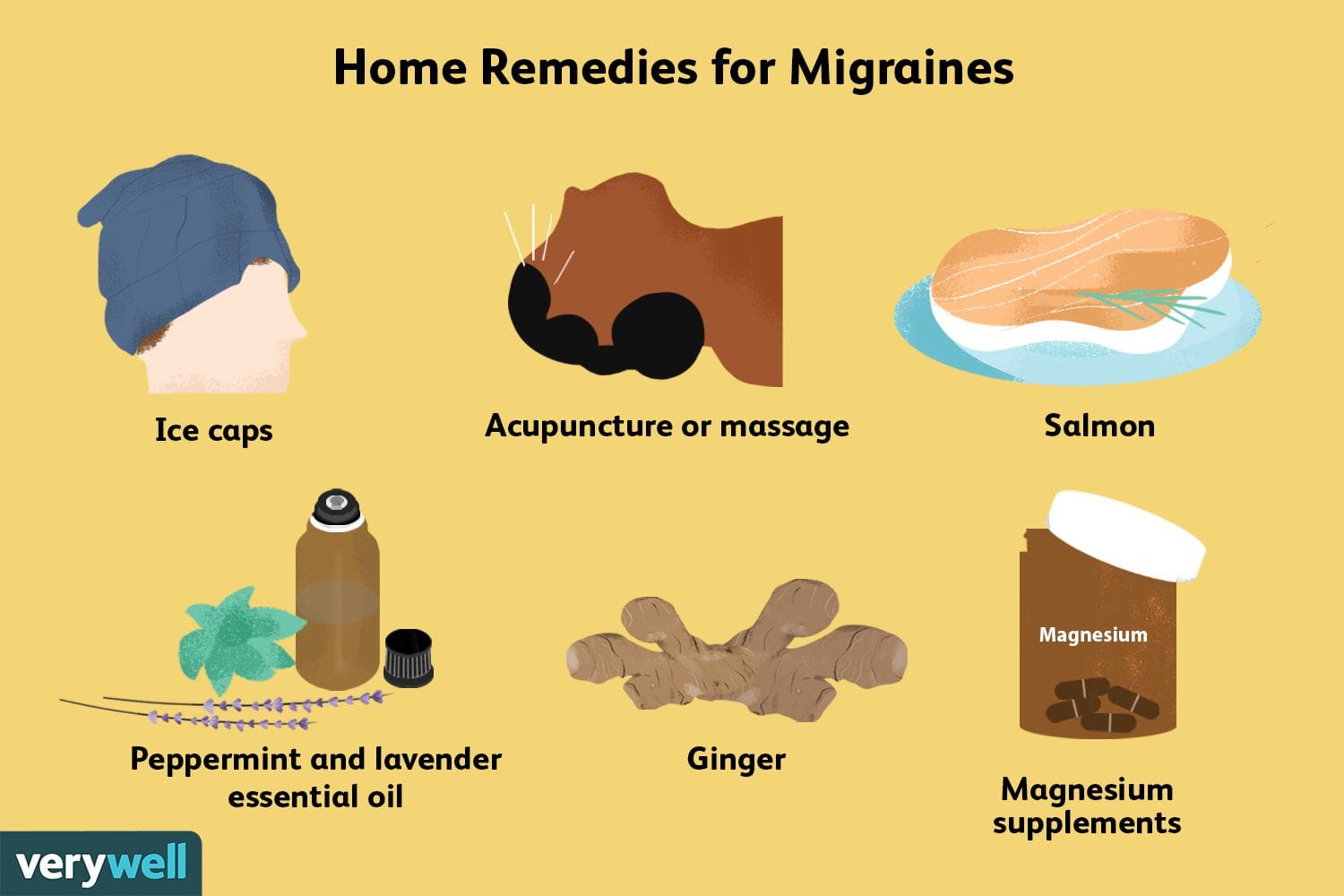
Acupuncture is a traditional Chinese medicine technique that involves inserting thin needles into specific points on the body to promote healing and relieve pain. Acupuncture has been shown to be effective in reducing migraine frequency, intensity, and duration. This holistic approach can help balance energy flow, release tension, and alleviate migraine symptoms.
Massage Therapy
Massage therapy is a hands-on technique that involves manipulating soft tissues to reduce muscle tension, improve circulation, and promote relaxation. Regular massage sessions can help alleviate migraine-related neck and shoulder tension, decrease stress levels, and provide relief from headache symptoms. Consider incorporating massage therapy into your migraine management plan for enhanced well-being.
Herbal Supplements
Herbal supplements such as feverfew, butterbur, magnesium, and riboflavin have been studied for their potential benefits in migraine prevention and treatment. These supplements can help reduce the frequency and severity of migraine attacks, alleviate symptoms, and improve overall quality of life. Consult with a healthcare provider before taking herbal supplements to ensure safety and efficacy.
Conclusion
Managing chronic migraines requires a comprehensive and individualized approach that combines medical treatments, lifestyle modifications, and alternative therapies. By understanding your triggers, symptoms, and treatment options, you can take control of your condition and improve your quality of life. Consult a healthcare provider to develop a migraine management plan that meets your specific needs and preferences. Remember that managing chronic migraines is a journey, and with patience, persistence, and the right strategies, you can find relief and live a more fulfilling life. Stay strong, stay informed, and take good care of yourself. You’ve got this!