
Did you know that alternative medicine treatments have gained popularity in recent years? People are increasingly seeking alternatives to traditional medical treatments, and alternative medicine offers a wide range of options. From acupuncture to herbal remedies, these treatments are becoming mainstream and are being used to address various health concerns. In this article, we will explore some of the most popular alternative medicine treatments and how they can potentially improve your well-being. So, if you’re curious about alternative approaches to wellness, keep reading and discover the possibilities that await you.
Acupuncture
Overview of acupuncture
Acupuncture is a traditional Chinese medicine practice that involves inserting thin needles into specific points on the body to promote healing and alleviate various health conditions. It has been used for thousands of years and is increasingly popular in Western countries as a complementary therapy. Acupuncture is based on the concept of Qi, which is the vital energy that flows through the body along meridians or pathways. According to traditional Chinese medicine, when the flow of Qi is blocked or imbalanced, it can result in pain and illness. Acupuncture aims to restore the balance of Qi and promote the body’s natural healing abilities.
How it works
The mechanism of action of acupuncture is not fully understood, but studies suggest that it may work by stimulating the release of endorphins, which are the body’s natural painkillers. Acupuncture may also promote the release of neurotransmitters and affect the autonomic nervous system. The insertion of fine needles into specific acupuncture points helps stimulate these physiological responses and restore the body’s balance.
Conditions treated with acupuncture
Acupuncture can be used to treat a wide range of health conditions, both acute and chronic. Some of the most common conditions treated with acupuncture include musculoskeletal pain, such as back pain, neck pain, and arthritis. It is also used for headaches, migraines, digestive disorders, fertility issues, insomnia, anxiety, and stress. Acupuncture is often used as a complementary therapy for cancer patients to manage symptoms and side effects of treatment.
Benefits of acupuncture
One of the main benefits of acupuncture is its ability to provide pain relief. Many people find that acupuncture can reduce their pain intensity and improve their quality of life. It is a non-invasive treatment option that does not involve the use of medications, making it a suitable choice for those who prefer natural remedies or want to avoid potential side effects of pharmaceutical drugs. Acupuncture is generally safe when performed by a qualified practitioner and has few adverse effects.
Risks and side effects
While acupuncture is generally a safe practice, there are some risks and side effects to be aware of. The most common side effects include temporary soreness or bruising at the needle insertion sites. In rare cases, more serious complications such as infection, organ puncture, or collapsed lung may occur. However, these complications are extremely rare when acupuncture is performed by a licensed and properly trained practitioner. It is important to seek acupuncture treatment from a qualified professional to ensure safety and effectiveness.
Herbal Medicine
Introduction to herbal medicine
Herbal medicine, also known as botanical medicine or phytomedicine, is a holistic practice that uses plants and plant extracts to promote healing and restore health. It is one of the oldest forms of medicine, predating recorded history, and is still widely used around the world today. Herbal medicine involves using various parts of plants, such as leaves, flowers, seeds, bark, or roots, to create herbal remedies that can be taken orally, applied topically, or used in other forms.
Commonly used herbs
There are thousands of herbs used in herbal medicine, each with its own unique properties and potential health benefits. Some commonly used herbs include:
- Echinacea: Known for its immune-stimulating properties and often used to prevent and treat common colds and flu.
- Ginger: Used for nausea, digestive issues, and to reduce inflammation.
- Turmeric: A powerful anti-inflammatory herb that is often used for joint pain and arthritis.
- Chamomile: Known for its calming and soothing properties, it is often used for anxiety, insomnia, and digestive issues.
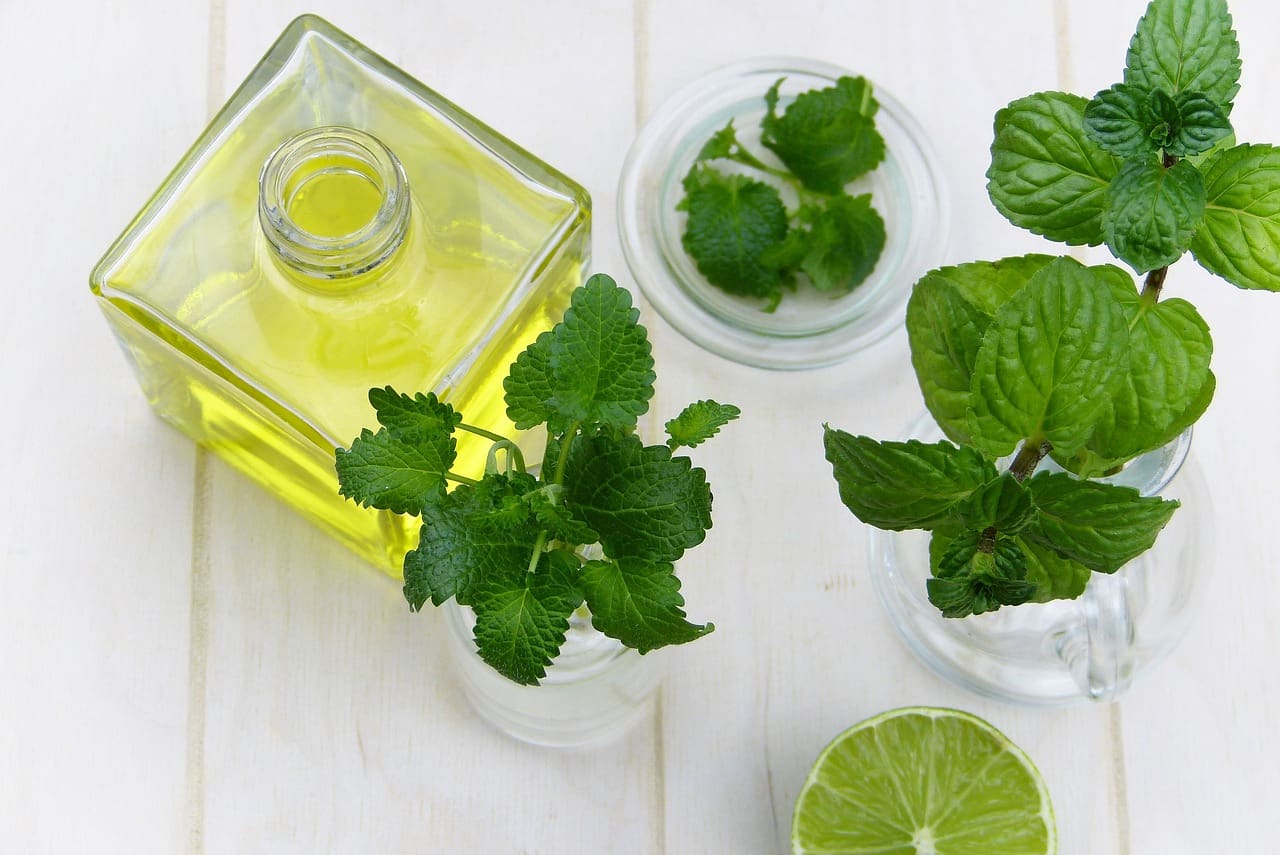
- Peppermint: Used for digestive issues, headaches, and as a natural breath freshener.
These herbs can be used individually or combined in various formulations to target specific health conditions or promote overall well-being.
Applications of herbal medicine
Herbal medicine is used to treat a wide range of health conditions, from minor ailments to chronic diseases. It can be used to support the immune system, improve digestion, relieve pain, reduce inflammation, balance hormones, and promote overall wellness. Herbal remedies can be taken orally as teas, tinctures, capsules, or tablets. They can also be applied topically as creams, ointments, or oils.
Safety concerns and interactions
While herbal medicine is generally safe when used correctly, it is important to exercise caution and seek guidance from a qualified practitioner. Some herbs may interact with medications or have adverse effects in certain individuals. Pregnant or breastfeeding women, children, and individuals with certain medical conditions should consult with a healthcare professional before using herbal remedies. It is also important to ensure the quality and purity of herbal products by purchasing them from reputable sources.
Effectiveness of herbal medicine
The effectiveness of herbal medicine varies depending on the herb and the specific health condition being treated. Some herbs have been extensively studied and have a strong evidence base supporting their use, while others have limited scientific evidence. It is important to note that herbal medicine is not a magic cure-all and may not work for everyone. However, many people find herbal medicine to be a valuable and effective approach to improving their health and well-being.
Chiropractic
What is chiropractic?
Chiropractic is a healthcare profession that focuses on the diagnosis, treatment, and prevention of mechanical disorders of the musculoskeletal system, particularly the spine. Chiropractors believe that proper alignment of the body’s musculoskeletal structure, particularly the spine, enables the body to heal itself without surgery or medication. Chiropractors use a variety of manual techniques, including spinal manipulation or adjustment, to restore mobility and relieve pain.
Techniques used in chiropractic treatment
Chiropractors use a range of techniques to treat their patients, depending on the specific condition and the individual’s needs. The most common technique used by chiropractors is spinal manipulation or adjustment, which involves applying controlled force to a joint that is not moving properly or has become stiff. This manipulation aims to restore joint mobility, reduce pain, and improve overall function. Other techniques used in chiropractic treatment include mobilization, soft tissue therapy, therapeutic exercises, and lifestyle counseling.
Conditions treated by chiropractors
Chiropractors primarily treat musculoskeletal conditions, particularly those involving the spine. Common conditions treated by chiropractors include back pain, neck pain, headaches, migraines, sciatica, and whiplash. Chiropractic care is also sought after for sports injuries, work-related injuries, and conditions related to poor posture or repetitive strain. Chiropractors take a holistic approach to healthcare and often work in collaboration with other healthcare professionals to provide comprehensive care.
Benefits and limitations of chiropractic
One of the main benefits of chiropractic care is its non-invasive nature. Chiropractic treatments focus on addressing the underlying cause of musculoskeletal pain and promoting the body’s natural healing abilities. Chiropractic care has been shown to be effective for acute and chronic pain relief, improved mobility, and enhanced overall well-being. However, it is important to note that chiropractic care may not be suitable for everyone, and there are limitations to its scope of practice. Chiropractors do not prescribe medication or perform surgery, and they may refer patients to other healthcare professionals if additional treatment is required.
Choosing a qualified chiropractor
When seeking chiropractic care, it is important to choose a qualified and reputable chiropractor. In many countries, chiropractors must complete a rigorous educational program and obtain a license to practice. Look for a chiropractor who is licensed and registered with the appropriate regulatory bodies. Additionally, consider seeking recommendations from trusted sources, such as friends, family, or healthcare professionals. It is also important to feel comfortable and trust your chiropractor, as open communication and a good rapport are essential for successful treatment outcomes.
Homeopathy
Basic principles of homeopathy
Homeopathy is a holistic system of medicine that was developed in the late 18th century by Samuel Hahnemann. It is based on the principle of “like cures like,” which means that a substance that can cause symptoms in a healthy person can also stimulate the body’s healing response and relieve similar symptoms in a sick person. Homeopathy treats the individual as a whole, taking into consideration the physical, mental, and emotional aspects of health.
How homeopathic remedies are prepared
Homeopathic remedies are prepared through a process of dilution and potentization. The original substance, often derived from plants, minerals, or animals, is repeatedly diluted in water or alcohol and then vigorously shaken or succussed. This process is believed to release the energetic properties of the substance and enhance its healing effects. Homeopathic remedies are highly diluted and are generally considered safe and non-toxic.
Conditions treated with homeopathy
Homeopathy can be used to treat a wide range of acute and chronic conditions. It is commonly used for conditions such as allergies, asthma, digestive disorders, anxiety, depression, skin conditions, hormonal imbalances, and musculoskeletal pain. Homeopathy is a personalized form of medicine, and the choice of remedy is based on the specific symptoms and individual characteristics of the patient.
Effectiveness of homeopathy
The effectiveness of homeopathy is a subject of ongoing debate and controversy. Scientific evidence supporting the use of homeopathy is limited, and many studies have shown mixed results. Some studies suggest that homeopathy may have a placebo effect, meaning that the perceived benefits may stem from the patient’s belief in the treatment rather than the actual remedies themselves. However, many individuals report positive experiences with homeopathy and find it to be a valuable addition to their healthcare regimen. It is important to consult with a qualified homeopath and discuss the potential benefits and limitations of homeopathic treatment.
Criticism and controversies
Homeopathy has faced criticism and skepticism from the scientific and medical communities. Critics argue that homeopathic remedies are highly diluted and contain little to no active ingredients, making them essentially placebos. They also point to the lack of rigorous scientific evidence supporting the effectiveness of homeopathy. Some countries have taken measures to restrict or ban the practice of homeopathy, while others continue to support its use as a complementary therapy. The controversy surrounding homeopathy highlights the need for further research and an evidence-based approach to alternative medicine.

Ayurveda
Overview of Ayurveda
Ayurveda is a holistic system of medicine that originated in ancient India over 5,000 years ago. It is based on the belief that health and wellness are achieved by balancing the mind, body, and spirit. Ayurveda aims to promote a state of harmony between an individual and their environment, using natural remedies, lifestyle modifications, and dietary practices.
Elements of Ayurvedic medicine
Ayurveda is based on the concept of the five elements – ether, air, fire, water, and earth. These elements combine to form three doshas, or vital energies, known as Vata, Pitta, and Kapha. Each individual has a unique combination of these doshas, which influences their physical and psychological characteristics. Ayurvedic medicine seeks to balance the doshas through various therapies and practices.
Diagnostic methods in Ayurveda
Ayurvedic diagnosis is based on comprehensive assessment of an individual’s physical, mental, and emotional state. Ayurvedic practitioners use techniques such as pulse diagnosis, observation, questioning, and examination of the tongue, eyes, and nails to determine the unique constitution and imbalances of an individual. By understanding the underlying imbalances, Ayurvedic practitioners can recommend personalized treatment plans.
Common treatments and therapies
Ayurveda employs a wide range of treatments and therapies to restore balance and promote health. These include dietary modifications, herbal remedies, detoxification therapies, massage, meditation, yoga, and lifestyle interventions. Ayurvedic treatments aim to address the root cause of illness and restore harmony within the body.
Integration with modern medicine
Ayurveda is recognized by the World Health Organization as a traditional holistic system of medicine. While it is primarily practiced in India and other parts of South Asia, Ayurvedic principles and practices are increasingly integrated with modern medicine. In some cases, Ayurveda is used as a complementary therapy alongside conventional treatment. However, it is important to consult with healthcare professionals and ensure the safe and appropriate integration of Ayurvedic practices with modern medicine.
Naturopathy
What is naturopathy?
Naturopathy is a holistic system of medicine that focuses on the body’s ability to heal itself and achieve optimal health. Naturopathic doctors view symptoms as manifestations of an underlying imbalance and aim to address the root cause of illness rather than merely treating the symptoms. Naturopathy combines traditional healing practices with modern scientific knowledge to provide individualized healthcare.
Principles of naturopathic medicine
Naturopathy is based on six fundamental principles:
- The healing power of nature: Naturopathy recognizes the body’s inherent ability to heal itself and supports this process through natural therapies.
- Identify and treat the cause: Naturopathic doctors aim to treat the underlying cause of illness rather than just managing the symptoms.
- First, do no harm: Naturopaths use therapies that are gentle, non-invasive, and minimize the risk of harmful side effects.
- Treat the whole person: Naturopathy considers the physical, mental, emotional, and spiritual aspects of an individual to provide comprehensive care.
- Educate and empower: Naturopathic doctors strive to educate their patients and empower them to take an active role in their own health and well-being.
- Prevention is the best cure: Naturopathy emphasizes preventive measures to maintain health and minimize the risk of illness.
Treatment modalities used in naturopathy
Naturopathic doctors utilize a wide range of treatment modalities to promote health and wellness. These include herbal medicine, clinical nutrition, homeopathy, acupuncture, hydrotherapy, physical medicine, lifestyle counseling, and mind-body techniques such as meditation and stress reduction. Naturopathic treatment plans are tailored to the individual, taking into consideration their specific needs and health goals.
Conditions treated by naturopaths
Naturopathy can be used to treat a wide range of health conditions, from acute illnesses to chronic diseases. Naturopathic doctors commonly treat conditions such as digestive disorders, allergies, hormonal imbalances, autoimmune conditions, chronic pain, fatigue, mental health issues, and cardiovascular diseases. Naturopathy is a personalized form of medicine, and treatment plans are customized based on the individual’s unique needs.
Evidence and safety considerations
Naturopathic medicine is supported by a growing body of research and clinical evidence. Many natural therapies used in naturopathy have been scientifically studied and shown to be effective for certain conditions. However, it is important to note that naturopathic treatments may not work for everyone, and individual responses can vary. It is important to consult with a qualified naturopathic doctor and discuss the potential benefits, risks, and safety considerations of different treatment options.
Traditional Chinese Medicine
History and philosophy of TCM
Traditional Chinese Medicine (TCM) is a comprehensive system of medicine that has its roots in ancient China. It has evolved over thousands of years and encompasses a range of practices, including acupuncture, herbal medicine, diet therapy, massage, and mind-body exercises such as tai chi and qigong. TCM is based on the concept of Qi, Yin and Yang, and the Five Elements theory. It views the body as a dynamic system in which health is achieved by maintaining the balance and flow of Qi.
Common treatments and therapies
TCM offers a wide range of treatments and therapies aimed at restoring balance and promoting health. Acupuncture is one of the most well-known TCM practices and involves inserting thin needles into specific points on the body to stimulate the flow of Qi. Herbal medicine is another key component of TCM, with thousands of herbs used to create individualized formulas based on the unique needs and imbalances of the patient. Other TCM therapies include cupping, moxibustion, gua sha, and tuina massage.
Acupuncture and herbal medicine in TCM
Acupuncture and herbal medicine are the cornerstones of TCM. Acupuncture aims to harmonize the flow of Qi and restore balance within the body. It is used to treat a wide range of conditions, including pain, digestive disorders, respiratory conditions, hormonal imbalances, and mental health issues. Herbal medicine is based on the use of specific herbs and formulas to address the underlying imbalances and promote healing. Herbal remedies can be taken in various forms, such as teas, powders, tablets, or capsules.
TCM diagnostic methods
TCM diagnosis is based on a detailed assessment of an individual’s signs and symptoms, as well as an examination of the tongue, pulse, and overall constitution. TCM practitioners analyze the patterns of disharmony within the body, which are classified into various syndromes. By understanding the underlying imbalances, TCM practitioners can tailor treatment plans to address the specific needs of the individual.
Research and evidence base
TCM has a rich history and extensive clinical experience spanning thousands of years. While many TCM practices and therapies have been passed down through generations, there is a growing body of scientific research on TCM. Numerous studies have examined the efficacy and safety of acupuncture and herbal medicine, with promising results for a variety of health conditions. However, it is important to continue conducting rigorous research to further understand the mechanisms of TCM and strengthen the evidence base.
Massage Therapy
Types of massage therapy
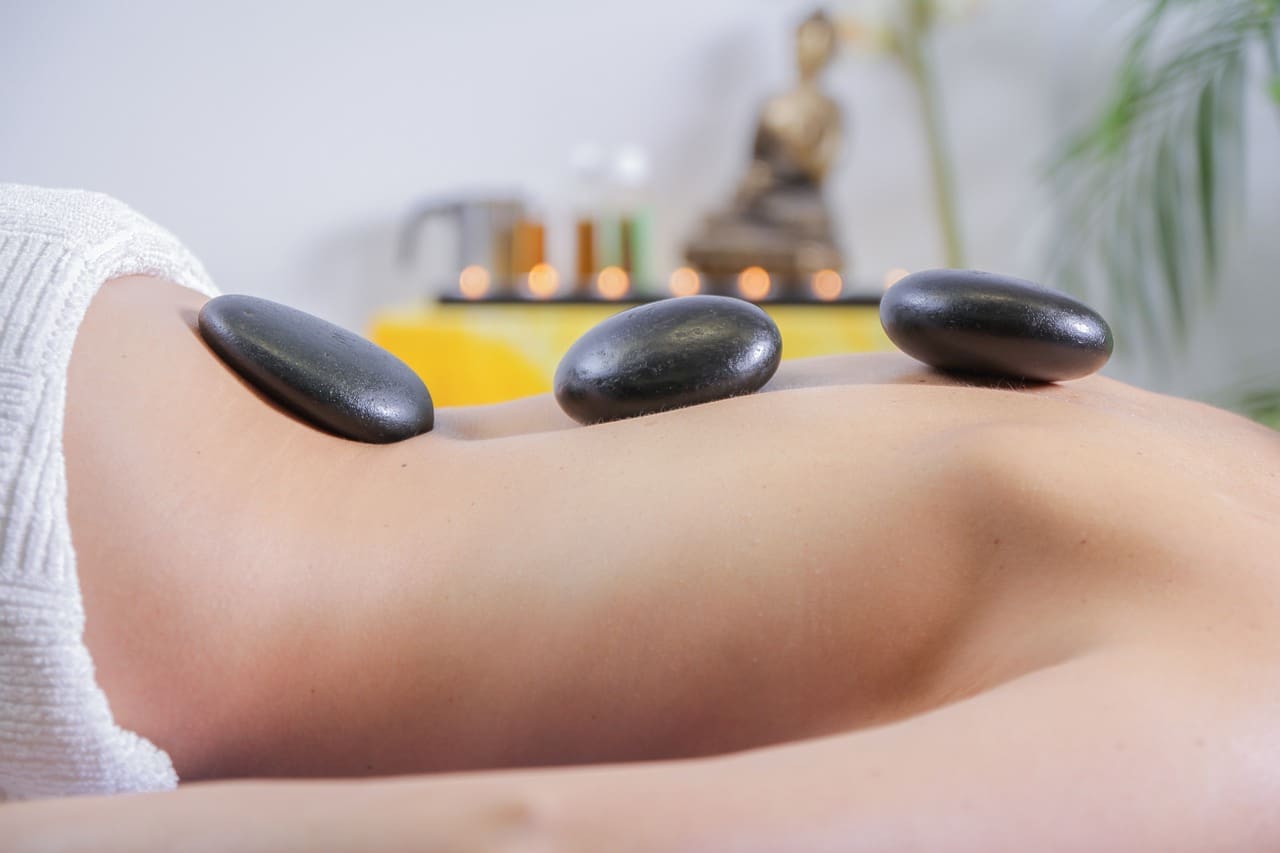
Massage therapy encompasses a variety of techniques that involve manipulating the soft tissues of the body to promote relaxation, relieve pain, and improve overall well-being. Some common types of massage therapy include:
- Swedish massage: This is the most common type of massage and involves long, flowing strokes, kneading, and circular movements to relax the muscles and improve circulation.
- Deep tissue massage: This technique uses more intense pressure to target deep layers of muscle and connective tissue, helping to release chronic muscle tension and adhesions.
- Sports massage: Sports massage is specifically designed for athletes and involves techniques to prevent and treat injuries, improve performance, and aid in recovery.
- Trigger point therapy: This technique focuses on addressing specific areas of muscle tightness or knots, known as trigger points, to alleviate pain and restore normal muscle function.
- Shiatsu: Shiatsu is a Japanese form of massage that uses finger pressure and stretching techniques to balance the body’s energy flow and promote relaxation.
- Reflexology: Reflexology involves applying pressure to specific points on the hands, feet, and ears, which are believed to correspond to specific organs and systems in the body. It aims to improve overall health and well-being.
Benefits of massage
Massage therapy offers numerous benefits for both physical and mental health. Some of the key benefits of massage include:
- Relaxation and stress relief: Massage therapy helps to promote relaxation and reduce stress by reducing muscle tension, lowering heart rate, and releasing endorphins, the body’s natural feel-good hormones.
- Pain relief: Massage can help alleviate chronic pain, headaches, and musculoskeletal conditions by improving circulation, reducing inflammation, and releasing trigger points.
- Improved circulation: Massage therapy can improve blood and lymphatic circulation, which helps deliver oxygen and nutrients to the body’s tissues and remove waste products.
- Enhanced athletic performance: Sports massage can help athletes prevent injuries, improve flexibility, and enhance recovery after intense physical activity.
- Mental and emotional well-being: Massage therapy can promote a sense of calm, improve sleep quality, reduce anxiety and depression, and enhance overall mental and emotional well-being.
Conditions treated with massage
Massage therapy can be beneficial for a wide range of health conditions, both acute and chronic. Some common conditions treated with massage include back pain, neck pain, headaches, fibromyalgia, arthritis, stress-related disorders, sports injuries, and post-surgical rehabilitation. Massage therapy is often used as a complementary therapy alongside other treatments to enhance overall health and well-being.
Choosing a qualified massage therapist
When choosing a massage therapist, it is important to find a qualified and licensed professional. Look for a massage therapist who has completed a recognized training program and is registered with a professional body or association. Consider asking for recommendations from friends, family, or healthcare professionals. It is also important to communicate openly with your massage therapist, discuss your specific needs and concerns, and ensure that you feel comfortable and confident in their expertise.
Precautions and contraindications
While massage therapy is generally safe and well-tolerated, there are some situations in which caution or avoidance may be necessary. If you have a specific health condition, such as certain skin conditions, infectious diseases, or certain types of cancer, it is important to consult with your healthcare provider before receiving massage therapy. Additionally, if you are pregnant or have any concerns, it is important to discuss these with your massage therapist to ensure that appropriate precautions are taken.
Meditation
Introduction to meditation
Meditation is a practice that involves training the mind to focus and redirect thoughts. It is often used as a tool for relaxation, stress reduction, and enhancing mental well-being. Meditation originated in ancient Eastern traditions, such as Buddhism and Hinduism, but has gained popularity worldwide for its numerous health benefits.
Meditation techniques and practices
There are many different meditation techniques and practices, but they typically involve the following elements:
- Mindfulness meditation: This technique involves focusing the mind on the present moment and cultivating non-judgmental awareness of thoughts, feelings, and sensations.
- Loving-kindness meditation: Also known as metta meditation, this practice involves cultivating feelings of compassion, love, and kindness towards oneself and others.
- Transcendental meditation: This technique involves the use of a specific mantra, repeated silently or aloud, to promote a state of deep relaxation and transcending normal waking consciousness.
- Guided meditation: This practice involves following the guidance of a teacher or recorded audio to visualize and imagine specific scenes or scenarios designed to promote relaxation and inner peace.
- Body scan meditation: This practice involves systematically scanning the body from head to toe, bringing awareness to each area and observing any sensations or tension.
- Movement-based meditation: This includes practices such as tai chi, qigong, and walking meditation, where movement is used to cultivate mindfulness and promote relaxation.
Health benefits of meditation
Meditation has been shown to have numerous health benefits for both the mind and body. Some of the key benefits of meditation include:
- Stress reduction: Meditation can help reduce the body’s response to stress by activating the relaxation response, lowering stress hormones, and promoting a sense of calm.
- Improved mental well-being: Regular meditation practice is associated with reduced anxiety, depression, and symptoms of post-traumatic stress disorder (PTSD).
- Enhanced focus and concentration: Meditation improves attention and concentration by training the mind to stay present and resist distractions.
- Emotional resilience: Meditation helps cultivate emotional awareness and regulation, allowing individuals to respond to challenges and difficulties with greater resilience.
- Better sleep: Meditation can improve sleep quality by promoting relaxation, reducing racing thoughts, and enhancing overall sleep hygiene.
- Lower blood pressure: Regular meditation practice has been shown to lower blood pressure and improve overall cardiovascular health.
Incorporating meditation into daily life
Meditation is most beneficial when practiced regularly, even for just a few minutes each day. It can be helpful to incorporate meditation into a daily routine, finding a quiet and comfortable space where you can practice without interruptions. Many people find it helpful to establish a consistent time for meditation, such as early morning or before bedtime. It is also important to approach meditation with an open and non-judgmental attitude, allowing yourself to be present and accept whatever arises during the practice.
Clinical applications and research
Meditation is increasingly being recognized and studied for its clinical applications and potential therapeutic benefits. Research has shown that meditation can be an effective adjunct therapy for various health conditions, including anxiety disorders, depression, chronic pain, sleep disorders, and substance abuse. Meditation has also been shown to improve cognitive function, creativity, and overall well-being. Ongoing research continues to explore the mechanisms of meditation and its potential in integrative healthcare.
Yoga
Overview of yoga
Yoga is an ancient practice that originated in India and has been practiced for thousands of years. It combines physical postures, breathing techniques, meditation, and ethical principles to promote physical, mental, and spiritual well-being. Yoga is not just a physical exercise, but a holistic system that cultivates a balanced and harmonious connection between the body, mind, and spirit.
Different yoga styles and practices
There are many different styles and practices of yoga, each with its own emphasis and approach. Some common styles of yoga include:
- Hatha yoga: This is the classical form of yoga that focuses on physical postures (asanas) and breathing techniques (pranayama).
- Vinyasa yoga: This dynamic style of yoga combines flowing movements, synchronized with the breath, to create a continuous and fluid practice.
- Iyengar yoga: This style emphasizes alignment and precision in the practice of asanas, often using props to support and enhance the practice.
- Ashtanga yoga: This is a vigorous and physically demanding style that follows a specific sequence of postures, combined with breath control.
- Bikram yoga: Also known as hot yoga, this style is practiced in a heated room and follows a specific sequence of 26 postures and two breathing exercises.
- Kundalini yoga: This style focuses on awakening the dormant energy within the body, using a combination of dynamic movements, breath work, and chanting.
These are just a few examples of the many styles and practices of yoga. Each style offers unique benefits and is suitable for individuals with different needs and preferences.
Benefits of practicing yoga
Practicing yoga regularly offers numerous physical, mental, and emotional benefits. Some of the key benefits of yoga include:
- Improved flexibility and strength: Yoga postures help improve flexibility, balance, and muscle strength, leading to better posture and overall physical fitness.
- Stress reduction: Yoga incorporates relaxation techniques, breath control, and mindfulness, which can help activate the body’s relaxation response and reduce stress.
- Improved mental well-being: Regular yoga practice has been shown to reduce anxiety, depression, and improve overall mental well-being.
- Enhanced focus and concentration: The practice of yoga cultivates mindfulness and present-moment awareness, enhancing focus and concentration in daily life.
- Better sleep: Practicing yoga can improve sleep quality by promoting relaxation, reducing mental and physical tension, and calming the mind.
- Mind-body connection: Yoga helps cultivate a deeper connection between the body and mind, allowing individuals to tune inwards, listen to their body, and honor their needs.
Yoga for specific health conditions
Yoga can be beneficial for a wide range of health conditions and can be tailored to the individual needs of each person. Some examples of how yoga can be used to support specific health conditions include:
- Chronic pain: Gentle yoga postures, breathing techniques, and meditation can help relieve chronic pain and improve overall pain management.
- Anxiety and depression: Yoga’s focus on breath control, relaxation, and mindfulness can help reduce anxiety and symptoms of depression.
- Cardiovascular health: Yoga has been shown to lower blood pressure, improve cholesterol levels, and reduce the risk of cardiovascular diseases.
- Joint health: Certain yoga postures can improve joint flexibility and mobility, making it beneficial for individuals with arthritis or other joint conditions.
- Pregnancy and postnatal health: Prenatal yoga can help support a healthy pregnancy, reduce discomfort, and prepare the body for childbirth. Postnatal yoga can aid in recovery and support overall well-being for new mothers.
Finding the right yoga class
When starting a yoga practice or looking for a yoga class, it is important to find the right class and instructor that suits your needs and preferences. Consider the following factors:
- Level: Choose a class that is appropriate for your level of experience and fitness. Beginners may benefit from introductory or gentle yoga classes, while more advanced practitioners may enjoy more challenging or specialized classes.
- Style: Consider the different styles of yoga and choose one that resonates with you and aligns with your goals and interests.
- Instructor: Look for a qualified and experienced instructor who creates a supportive and inclusive environment. It can be helpful to attend a trial class or inquire about the instructor’s training and teaching approach.
- Location and schedule: Choose a class that is conveniently located and fits into your schedule. Many studios offer a variety of class times and online options to accommodate different needs.
Remember, yoga is a personal journey, and it is important to listen to your body, respect your limitations, and practice with mindfulness and compassion.