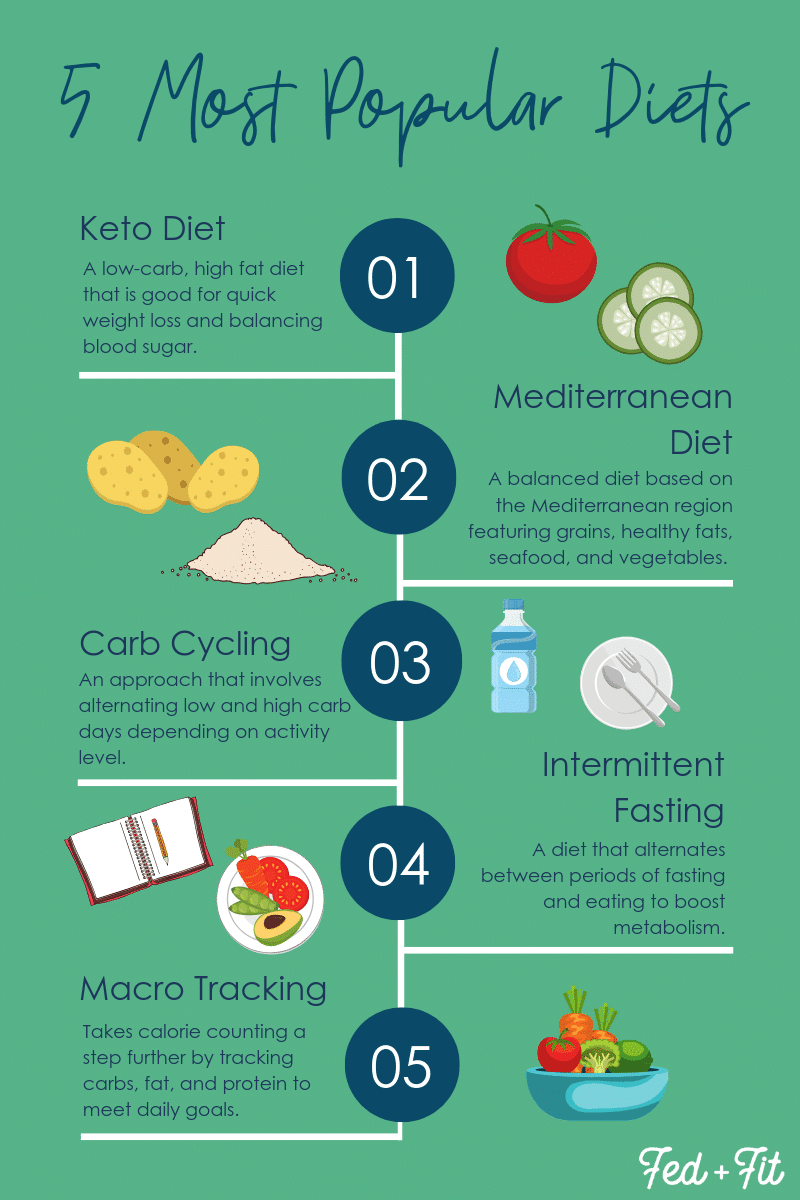
Are you an athlete looking to optimize your performance through proper nutrition? Look no further! In this article, we will explore the most popular diets for athletes. From the ketogenic diet to intermittent fasting, we will delve into the benefits and drawbacks of each approach, helping you make an informed decision about which diet might be the best fit for your athletic goals. So, grab your water bottle and get ready to fuel your body with the right nutrients for peak performance!
Ketogenic Diet
Definition and Principles
The ketogenic diet, often referred to as the keto diet, is a low-carb, high-fat diet that aims to put your body into a state of ketosis. This means that instead of relying on glucose for energy, your body switches to using ketones produced from fat as its primary fuel source. The diet typically consists of 70-75% fat, 20-25% protein, and only 5-10% carbohydrates. By drastically reducing carbohydrate intake, the ketogenic diet forces your body to burn fat for fuel, resulting in weight loss and increased energy levels.
Benefits for Athletes
The ketogenic diet has gained popularity among athletes for several reasons. Firstly, by utilizing fat as fuel, the diet promotes weight loss and helps athletes shed excess body fat, which can improve their power-to-weight ratio and enhance performance. Secondly, the diet allows for better blood sugar control, which can lead to improved insulin sensitivity and stable energy levels throughout the day. Lastly, some athletes find that the ketogenic diet helps improve mental focus and concentration, which can be advantageous during training and competition.
Potential Drawbacks
While the ketogenic diet has its benefits, it’s essential to consider potential drawbacks as well. One of the challenges athletes may face when following a ketogenic diet is a decrease in high-intensity exercise performance. Since carbohydrates are the primary fuel source for quick bursts of energy, athletes engaging in activities that require quick bursts of power, such as sprinting or weightlifting, may experience a decline in performance. Additionally, the diet can be restrictive and may require careful meal planning to ensure adequate nutrient intake. It’s crucial to consult a healthcare professional or dietitian before starting the ketogenic diet to ensure it aligns with your individual needs and goals.
Recommended Foods
On the ketogenic diet, it’s important to focus on high-fat, low-carbohydrate foods. Some examples of recommended foods include fatty cuts of meat, fish, eggs, avocados, nuts and seeds, full-fat dairy products, and healthy oils such as olive oil and coconut oil. It’s best to avoid foods high in carbohydrates, such as grains, legumes, fruits, and starchy vegetables.
Sample Meal Plan
Here’s a sample meal plan to give you an idea of what a day on the ketogenic diet could look like:
- Breakfast: Scrambled eggs cooked in coconut oil with spinach and bacon.
- Lunch: Grilled salmon with a side of steamed broccoli and a generous serving of avocado.
- Snack: A handful of almonds or macadamia nuts.
- Dinner: Grilled steak cooked in butter with roasted Brussels sprouts.
- Dessert: Sugar-free dark chocolate or a keto-friendly protein shake.
Paleo Diet
Definition and Principles
The paleo diet, also known as the caveman diet or the hunter-gatherer diet, aims to mimic the eating habits of our ancestors during the Paleolithic era. It focuses on whole, unprocessed foods that are easily obtained through hunting and gathering. The principles of the paleo diet revolve around consuming lean proteins, fruits and vegetables, nuts and seeds, and healthy fats while avoiding processed foods, grains, dairy products, and added sugars.
Benefits for Athletes
For athletes, the paleo diet offers several potential benefits. Firstly, the focus on nutrient-dense, whole foods provides the body with essential vitamins, minerals, and antioxidants necessary for optimal performance and recovery. Secondly, by eliminating processed foods and added sugars, the paleo diet can help reduce inflammation in the body, leading to improved joint health and a reduced risk of chronic diseases. Additionally, some athletes find that by consuming high-quality proteins and healthy fats, they experience better muscle recovery and improved body composition.
Potential Drawbacks
Despite its potential benefits, the paleo diet may not be suitable for everyone. One of the main concerns for athletes is the restriction of carbohydrates. Carbohydrates are crucial for providing the body with quick energy, especially during high-intensity exercise. Some athletes may struggle to meet their energy demands without an adequate intake of carbohydrates. Additionally, the paleo diet can be quite restrictive, making it challenging to eat out or socialize without careful planning. As with any diet, it’s essential to listen to your body and ensure you’re meeting your individual nutritional needs.
Recommended Foods
The paleo diet emphasizes whole, unprocessed foods. Some recommended foods include lean meats, fish, fruits and vegetables, nuts and seeds, healthy oils, and eggs. It’s best to avoid grains, legumes, dairy products, refined sugar, and processed foods.
Sample Meal Plan
Here’s a sample meal plan to give you an idea of what a day on the paleo diet could look like:
- Breakfast: Omelet filled with vegetables and cooked in coconut oil.
- Lunch: Grilled chicken breast with a side of mixed greens, cherry tomatoes, and avocado.
- Snack: Carrot sticks with almond butter.
- Dinner: Baked salmon with roasted sweet potatoes and steamed asparagus.
- Dessert: Fresh berries with a drizzle of coconut cream.
Mediterranean Diet
Definition and Principles
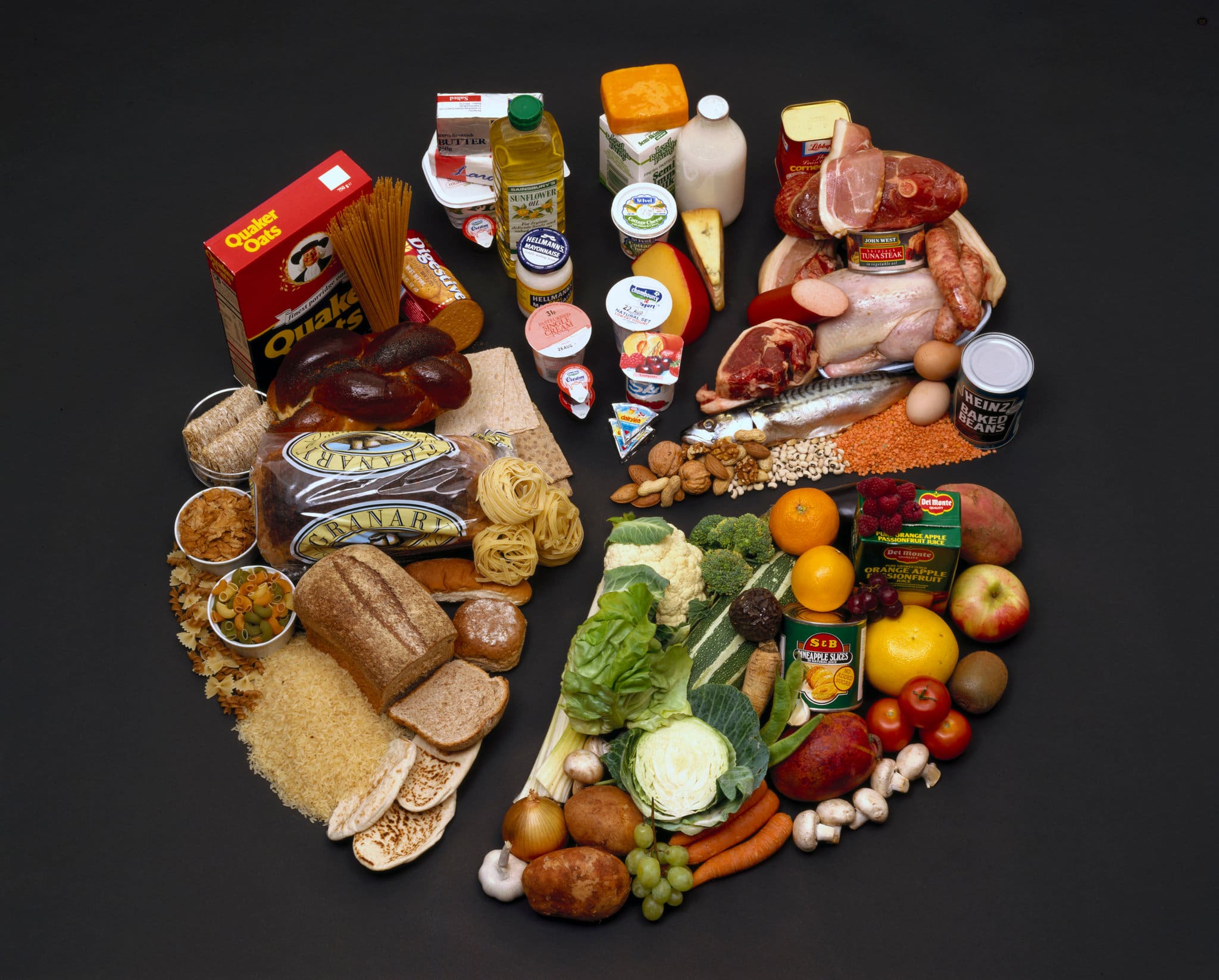
The Mediterranean diet is inspired by the traditional eating patterns of countries bordering the Mediterranean Sea. It emphasizes whole, minimally processed foods such as fruits, vegetables, whole grains, legumes, nuts, seeds, and olive oil. The Mediterranean diet is known for its moderate consumption of fish and seafood, poultry, eggs, and dairy products, while red meat and sweets are limited.
Benefits for Athletes
Athletes can benefit from the Mediterranean diet in various ways. Firstly, the diet is rich in antioxidants, healthy fats, and fiber, which can promote cardiovascular health and reduce inflammation in the body. This can lead to improved endurance and faster recovery from intense training sessions. Secondly, the Mediterranean diet encourages a balance of macronutrients, providing athletes with a good source of carbohydrates for energy, protein for muscle repair and growth, and healthy fats for optimal brain function. Lastly, the diet is highly customizable, allowing athletes to adapt it to their individual caloric needs and preferences.
Potential Drawbacks
While the Mediterranean diet has numerous health benefits, it may not be suitable for everyone. One potential drawback is the moderate consumption of red meat. Athletes with higher protein requirements may need to supplement their diet with additional protein sources to meet their needs. Additionally, for athletes who struggle with portion control or have specific dietary restrictions, the flexibility of the Mediterranean diet may make it challenging to achieve specific goals. It’s important to work with a healthcare professional or dietitian to personalize the diet according to your needs.
Recommended Foods
The Mediterranean diet focuses on whole, unprocessed foods. Some recommended foods include fruits and vegetables, whole grains, legumes, nuts, seeds, olive oil, fish and seafood, poultry, eggs, and moderate amounts of dairy products.
Sample Meal Plan
Here’s a sample meal plan to give you an idea of what a day on the Mediterranean diet could look like:
- Breakfast: Greek yogurt topped with mixed berries, almonds, and a drizzle of honey.
- Lunch: Quinoa salad with cucumber, cherry tomatoes, feta cheese, and a lemon-olive oil dressing.
- Snack: Hummus with carrot and celery sticks.
- Dinner: Grilled salmon with a side of roasted vegetables and a quinoa pilaf.
- Dessert: A serving of Greek yogurt with a sprinkle of cinnamon.
Vegetarian/Vegan Diet
Definition and Principles
A vegetarian diet excludes meat, poultry, and seafood, while a vegan diet takes it a step further by eliminating all animal products, including dairy and eggs. Both diets prioritize plant-based foods such as fruits, vegetables, legumes, grains, nuts, and seeds, and rely on alternative sources of protein.
Benefits for Athletes
Contrary to popular belief, a well-planned vegetarian or vegan diet can provide all the necessary nutrients for athletes. Plant-based diets are typically high in antioxidants, vitamins, and minerals, which can support overall health and reduce inflammation. The abundance of fiber in these diets can also help with digestion and promote satiety. Athletes following these diets often report improved recovery time, increased energy levels, and reduced body fat percentage.
Potential Drawbacks
While a vegetarian or vegan diet can be nutritionally adequate, there are some nutrients that may require special attention. Protein is a crucial component of an athlete’s diet, and plant-based sources can sometimes be lower in certain amino acids. Athletes may need to vary their protein sources and include complementary proteins to ensure all essential amino acids are obtained. Additionally, athletes following these diets should pay attention to nutrients like iron, calcium, omega-3 fatty acids, and vitamin B12, which are commonly found in animal products.
Recommended Foods
Vegetarian and vegan diets focus on plant-based foods. Some recommended foods include fruits and vegetables, legumes, tofu and tempeh, whole grains, nuts and seeds, plant-based oils, and fortified foods or supplements for nutrients that may be harder to obtain.
Sample Meal Plan
Here’s a sample meal plan to give you an idea of what a day on a vegetarian or vegan diet could look like:
- Breakfast: Overnight oats made with almond milk, topped with berries and a sprinkle of chia seeds.
- Lunch: Chickpea salad wrap with mixed greens, cucumber, tomato, and a hummus spread.
- Snack: Roasted edamame or a handful of trail mix.
- Dinner: Stir-fried tofu with mixed vegetables and brown rice.
- Dessert: A scoop of dairy-free ice cream made from coconut milk.
Flexitarian Diet
Definition and Principles
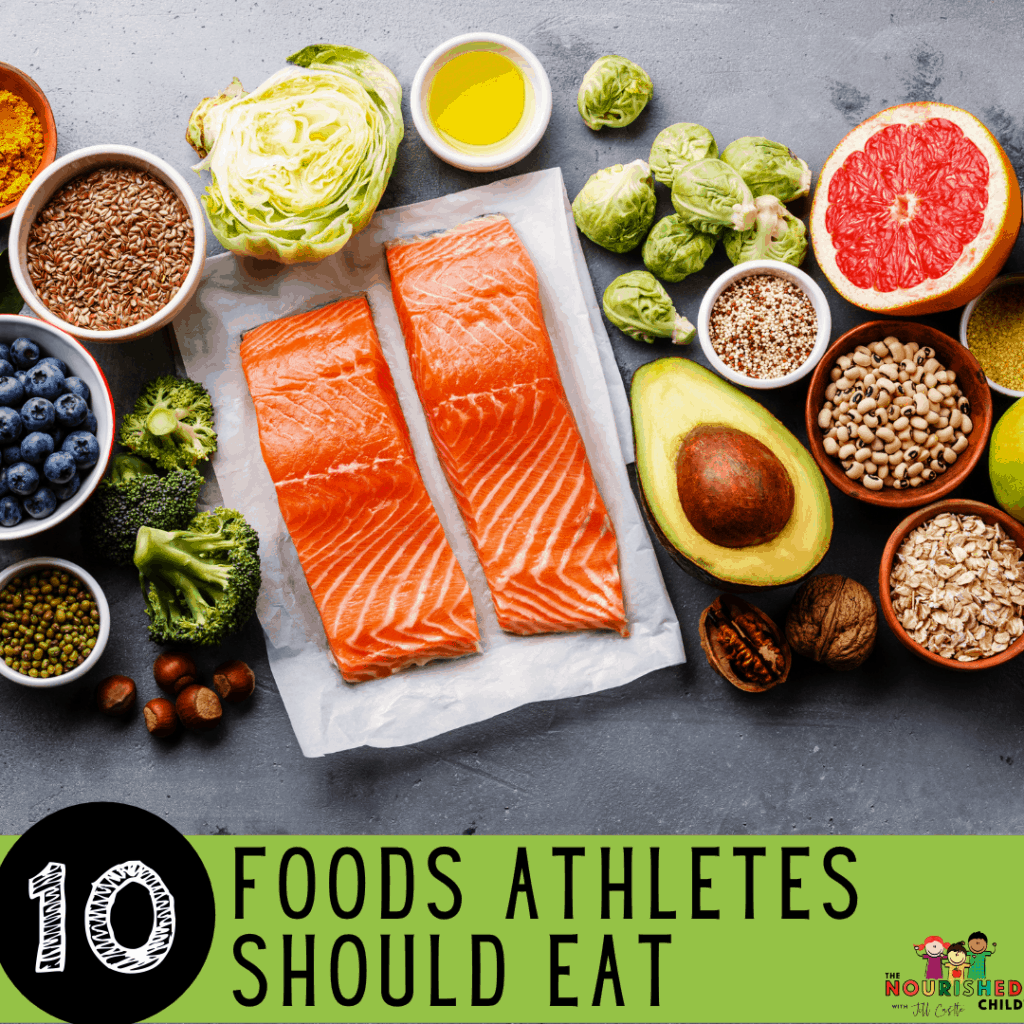
The flexitarian diet is a flexible approach to eating that primarily focuses on a plant-based diet but allows for occasional consumption of animal products. The diet encourages the inclusion of more plant-based foods while reducing the intake of meat and other animal products.
Benefits for Athletes
The flexitarian diet offers several benefits for athletes. By emphasizing plant-based foods, athletes can increase their intake of essential vitamins, minerals, antioxidants, and fiber. This can support overall health, aid in recovery, and reduce the risk of chronic diseases. Additionally, the flexibility allows athletes to meet their individual protein needs while still incorporating occasional animal products for certain essential nutrients.
Potential Drawbacks
One potential drawback of the flexitarian diet is the challenge of finding a balance between plant-based and animal-based foods. Athletes may need to be mindful of their protein intake to ensure they are meeting their needs, especially if they are reducing their consumption of animal products. It’s essential to plan meals carefully and ensure adequate variety to obtain all necessary nutrients.
Recommended Foods
The flexitarian diet encourages a predominantly plant-based approach. Recommended foods include fruits and vegetables, legumes, whole grains, nuts and seeds, plant-based proteins like tofu and tempeh, and occasional consumption of lean meat, poultry, and seafood.
Sample Meal Plan
Here’s a sample meal plan to give you an idea of what a day on the flexitarian diet could look like:
- Breakfast: Banana and spinach smoothie made with almond milk and a scoop of plant-based protein powder.
- Lunch: Black bean and sweet potato tacos with avocado and salsa.
- Snack: Greek yogurt with mixed berries and a drizzle of honey.
- Dinner: Roasted vegetables and quinoa salad with grilled chicken or tofu.
- Dessert: A piece of dark chocolate or a fruit salad.
Intermittent Fasting
Definition and Principles
Intermittent fasting is an eating pattern that cycles between periods of fasting and eating. There are several different approaches to intermittent fasting, such as the 16/8 method (16 hours of fasting and an 8-hour eating window) or alternate-day fasting. The principle behind intermittent fasting is to allow the body time to rest from digestion and utilize stored energy.
Benefits for Athletes
Intermittent fasting has gained attention for its potential benefits for athletes. It can improve insulin sensitivity, increase fat burning, promote autophagy (cellular repair), and enhance metabolic flexibility. Some athletes find that intermittent fasting helps with weight management and body composition goals. Additionally, fasting can enhance mental clarity and focus, which can be beneficial during training or competitions.
Potential Drawbacks
While intermittent fasting can be beneficial for some athletes, it may not be suitable for everyone. Athletes engaged in high-intensity or long-duration workouts may need a steady supply of energy from regular meals. Fasting for extended periods may lead to decreased energy levels and reduced exercise performance. It’s important to experiment with different fasting protocols and listen to your body to determine what works best for you.
Recommended Foods
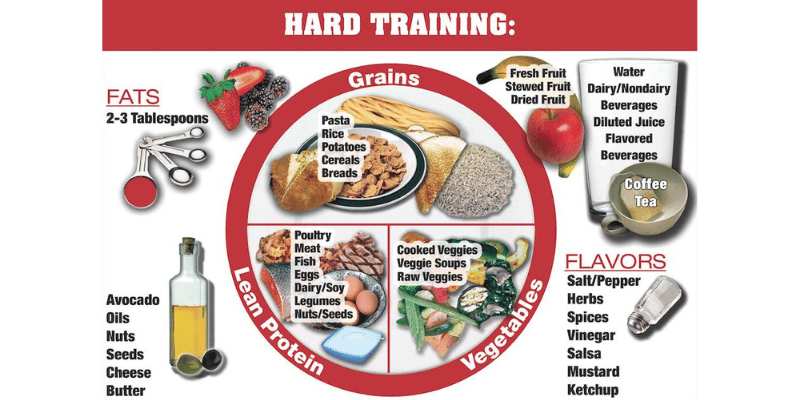
During the eating window of intermittent fasting, it’s important to focus on nutrient-dense, whole foods. Recommended foods include lean proteins, fruits and vegetables, whole grains, legumes, healthy fats, and adequate hydration.
Sample Meal Plan
Here’s a sample meal plan to give you an idea of what a day on intermittent fasting could look like using the 16/8 method:
- Morning (fasting period): Black coffee or herbal tea.
- Lunch: Grilled chicken or tofu with a mixed green salad and a side of quinoa.
- Snack: Carrot sticks with hummus or a piece of fruit.
- Dinner: Baked salmon with roasted vegetables and a small serving of brown rice.
- Evening (fasting period): Herbal tea or water.
DASH Diet
Definition and Principles
The DASH (Dietary Approaches to Stop Hypertension) diet is a dietary approach developed to lower blood pressure and reduce the risk of cardiovascular diseases. It focuses on consuming whole foods that are low in sodium and rich in nutrients like potassium, calcium, and magnesium. The DASH diet emphasizes fruits, vegetables, whole grains, lean proteins, and low-fat dairy products.
Benefits for Athletes
While the DASH diet is primarily designed to promote heart health, it can also benefit athletes. The emphasis on fruits, vegetables, whole grains, and lean proteins provides athletes with essential nutrients and antioxidants necessary for optimal performance and recovery. Additionally, the diet’s focus on reducing sodium intake can help maintain proper hydration and electrolyte balance, which is essential for athletic performance.
Potential Drawbacks
One potential drawback of the DASH diet for athletes is the relatively low caloric density of some of its recommended foods. Athletes with high energy expenditure may need to be mindful of their overall calorie intake and ensure they are meeting their energy needs. It’s essential to work with a healthcare professional or dietitian to adapt the DASH diet to your specific athletic goals and requirements.
Recommended Foods
The DASH diet encourages the consumption of fruits, vegetables, whole grains, lean proteins, and low-fat dairy products. It also suggests limiting sodium, added sugars, saturated fats, and processed foods.
Sample Meal Plan
Here’s a sample meal plan to give you an idea of what a day on the DASH diet could look like:
- Breakfast: Oatmeal topped with fresh berries and a sprinkle of almonds.
- Lunch: Grilled chicken breast with a side of steamed broccoli and quinoa.
- Snack: Greek yogurt with a small handful of walnuts.
- Dinner: Baked cod with roasted sweet potatoes and a mixed green salad.
- Dessert: Fresh fruit salad with a drizzle of honey.
Whole30 Diet
Definition and Principles
The Whole30 diet is a 30-day elimination diet that aims to reset your relationship with food and identify potential food sensitivities. During the program, you eliminate certain food groups, such as grains, legumes, dairy, added sugars, and processed foods. The diet focuses on consuming whole, unprocessed foods and emphasizes meat, seafood, fruits, vegetables, nuts, and seeds.
Benefits for Athletes
The Whole30 diet can provide benefits for athletes beyond identifying potential food sensitivities. By eliminating processed foods and added sugars, the diet can help reduce inflammation in the body and stabilize blood sugar levels, leading to improved energy levels and reduced cravings. Additionally, the emphasis on whole, nutrient-dense foods can support optimal performance and recovery.
Potential Drawbacks
One potential drawback of the Whole30 diet for athletes is the short duration of the program. While it can be beneficial for establishing healthier eating habits and identifying food intolerances, 30 days may not be sufficient to support long-term athletic goals. It’s important to transition into a more sustainable eating plan that meets your individual nutritional needs and supports your athletic performance.
Recommended Foods
The Whole30 diet focuses on whole, unprocessed foods and encourages the consumption of meat, seafood, fruits, vegetables, nuts, and seeds. It recommends avoiding grains, legumes, dairy, added sugars, and processed foods.
Sample Meal Plan
Here’s a sample meal plan to give you an idea of what a day on the Whole30 diet could look like:
- Breakfast: Vegetable omelet cooked in coconut oil.
- Lunch: Grilled chicken with a mixed green salad, avocado, and balsamic vinaigrette.
- Snack: Apple slices with almond butter.
- Dinner: Baked salmon with roasted Brussels sprouts and cauliflower rice.
- Dessert: Fresh berries with a dollop of coconut cream.
Zone Diet
Definition and Principles
The Zone diet aims to achieve a balanced ratio of macronutrients (carbohydrates, proteins, and fats) for optimal body function. The diet promotes a 40-30-30 distribution, meaning that each meal should consist of approximately 40% carbohydrates, 30% protein, and 30% fat. The focus is on controlling insulin levels to stabilize blood sugar and optimize hormonal balance.
Benefits for Athletes
The Zone diet offers several potential benefits for athletes. By balancing macronutrient ratios, the diet provides a steady source of energy and helps regulate blood sugar levels, which can lead to improved endurance and performance. Additionally, the emphasis on protein can support muscle repair and growth, while healthy fats provide essential fatty acids necessary for overall health and recovery.
Potential Drawbacks
One potential drawback of the Zone diet for athletes is the need for meticulous meal planning and portion control. Achieving the specified macronutrient ratios can be challenging, requiring careful measurement of food portions. Additionally, some athletes may find it difficult to adapt to the diet’s restrictions, especially if they have specific dietary preferences or requirements.
Recommended Foods
The Zone diet encourages the consumption of lean proteins, low-glycemic carbohydrates, healthy fats, and a variety of fruits and vegetables. It recommends avoiding refined sugars, processed foods, and high-glycemic carbohydrates.
Sample Meal Plan
Here’s a sample meal plan to give you an idea of what a day on the Zone diet could look like:
- Breakfast: Egg white omelet with spinach, mushrooms, and a side of berries.
- Lunch: Grilled chicken breast with steamed quinoa and a colorful vegetable medley.
- Snack: Greek yogurt with a handful of almonds or walnuts.
- Dinner: Grilled salmon with a side of roasted sweet potatoes and asparagus.
- Dessert: A small portion of mixed berries with a drizzle of honey.
Low-Carb High-Fat (LCHF) Diet
Definition and Principles
The low-carb, high-fat (LCHF) diet, also known as the ketogenic diet, focuses on reducing carbohydrate intake and increasing fat consumption. The aim is to shift the body’s primary fuel source from carbohydrates to fat, promoting weight loss and improved metabolic health. The diet typically consists of 70-75% fat, 20-25% protein, and 5-10% carbohydrates.
Benefits for Athletes
The LCHF diet offers several potential benefits for athletes. By utilizing fat as the primary fuel source, the diet can enhance fat burning and promote weight loss, leading to improved power-to-weight ratio and performance. Athletes following the LCHF diet may also experience better blood sugar control and increased mental focus, which can be advantageous during training and competition.
Potential Drawbacks
While the LCHF diet can have its benefits, athletes need to consider potential drawbacks as well. The diet’s restriction of carbohydrates can lead to a decline in high-intensity exercise performance, as carbohydrates are the primary fuel source for quick bursts of energy. Additionally, the diet’s high fat intake may require careful meal planning to ensure adequate nutrient intake and proper digestion.
Recommended Foods
On the LCHF diet, it’s important to focus on high-fat, low-carbohydrate foods. Recommended foods include fatty cuts of meat, fish, eggs, avocados, nuts and seeds, full-fat dairy products, and healthy oils such as olive oil and coconut oil. It’s best to avoid foods high in carbohydrates, such as grains, legumes, fruits, and starchy vegetables.
Sample Meal Plan
Here’s a sample meal plan to give you an idea of what a day on the LCHF diet could look like:
- Breakfast: Bacon and eggs cooked in grass-fed butter.
- Lunch: Grilled steak with a side of sautéed vegetables and a generous serving of guacamole.
- Snack: Handful of macadamia nuts or a cheese stick.
- Dinner: Baked salmon with roasted cauliflower and a side of mixed greens.
- Dessert: Sugar-free dark chocolate or a keto-friendly protein shake.
In conclusion, there are various popular diets that athletes can consider when it comes to optimizing their nutrition. Each diet has its own unique principles, benefits, and potential drawbacks. It’s important to choose a diet that aligns with your individual preferences, goals, and nutritional needs. Consulting with a healthcare professional or registered dietitian can help you determine which diet is the best fit for you. Remember, a well-balanced diet that supports optimal performance, recovery, and overall health is the key to achieving your athletic goals.