
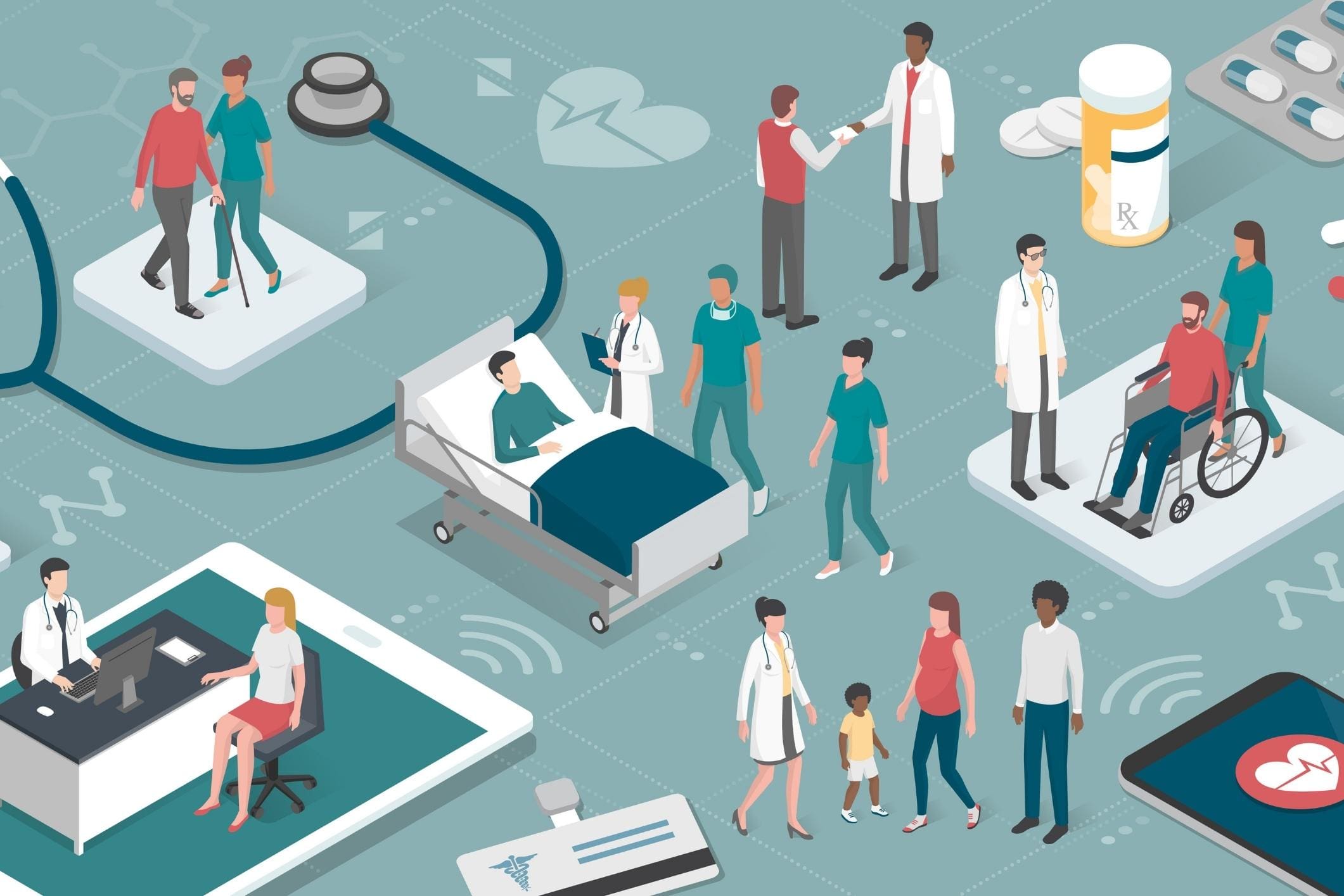
You’re about to discover the most popular healthcare policy issues that are currently making waves in the world of healthcare. From the ongoing debates on access to affordable healthcare, to the upcoming changes in insurance regulations, this article will provide you with a comprehensive overview of the pressing issues that are shaping the future of healthcare policy. So, buckle up and get ready to explore the key challenges and opportunities faced by policymakers as they navigate the intricate landscape of the healthcare industry.
Access to Healthcare
Affordability of healthcare services
Access to affordable healthcare services is a cornerstone of a well-functioning healthcare system. Unfortunately, the affordability of healthcare remains a significant challenge for many individuals and families. High healthcare costs, including rising insurance premiums and out-of-pocket expenses, can create a barrier to accessing necessary medical care. The burden of healthcare costs can be particularly devastating for low-income individuals and families, who may have to make difficult choices between paying for medical care and meeting other basic needs such as housing or food.
Efforts to improve the affordability of healthcare services include expanding eligibility for government programs such as Medicaid and implementing price transparency measures. These initiatives aim to provide individuals with the information they need to make informed decisions about their healthcare and encourage competition among healthcare providers to drive down costs. Additionally, the availability of subsidies and tax credits can help make health insurance more affordable for those who do not qualify for public programs. By addressing the affordability of healthcare services, we can ensure that cost is not a deterrent to accessing necessary care.
Barriers to healthcare access for underserved populations
While access to healthcare is crucial for everyone, certain populations face unique barriers that make it even more difficult for them to obtain the care they need. Underserved populations, which include low-income individuals, racial and ethnic minorities, and those living in rural areas, often experience higher rates of chronic illness and less access to preventive care.
One significant barrier to healthcare access is the lack of healthcare facilities and providers in rural areas. Many rural communities face shortages of healthcare professionals, including doctors, nurses, and specialists. This shortage limits the availability of healthcare services and can result in long wait times or even the need to travel long distances to receive care. Telemedicine has emerged as a valuable tool for improving access to care in these areas, enabling patients to consult with healthcare professionals remotely.
For low-income individuals, the affordability of healthcare services is a major barrier. Limited financial resources can prevent individuals from seeking necessary medical care, leading to delayed diagnoses and poorer health outcomes. Addressing the social determinants of health, such as poverty and inadequate housing, is essential in reducing healthcare disparities and improving access to care for underserved populations.
Health insurance coverage and availability
Health insurance coverage plays a crucial role in facilitating access to healthcare services. It provides individuals with financial protection against the high costs of medical care and enables them to seek timely and appropriate treatment. However, not everyone has access to health insurance, and lack of coverage remains a significant barrier to healthcare access for many individuals.
The Affordable Care Act (ACA) was implemented in 2010 with the goal of expanding access to affordable health insurance. The ACA established health insurance marketplaces where individuals could compare and purchase insurance plans, often with the assistance of subsidies based on income. It also mandated that individuals have health insurance or face a penalty, aiming to increase insurance coverage rates and reduce the number of uninsured Americans.
While the ACA has expanded access to health insurance for millions of individuals, challenges remain. Some individuals may still find health insurance unaffordable, even with subsidies, and others may face barriers in enrolling, such as language or literacy barriers. Additionally, the expansion of Medicaid eligibility under the ACA has not been adopted by all states, leaving a coverage gap for low-income individuals in some areas.
Efforts to improve health insurance coverage and availability include advocating for Medicaid expansion in all states and exploring opportunities to make insurance more affordable by addressing rising healthcare costs.
Affordable Care Act (ACA) and its impact on access to healthcare
The Affordable Care Act (ACA), also known as Obamacare, was a landmark healthcare reform law enacted in 2010. The ACA aimed to increase access to healthcare by expanding health insurance coverage, improving the affordability and quality of healthcare services, and implementing consumer protections.
One of the most significant provisions of the ACA was the establishment of health insurance marketplaces. These online platforms allow consumers to compare and purchase insurance plans, often with the assistance of subsidies based on income. The marketplaces created a more transparent and competitive insurance marketplace, enabling individuals to find coverage that suits their needs and budget.
The ACA also expanded Medicaid eligibility, allowing more low-income individuals to qualify for government-funded healthcare coverage. However, not all states have adopted the Medicaid expansion, creating a coverage gap for low-income individuals in some areas.
The ACA also implemented consumer protections, such as prohibiting insurance companies from denying coverage based on pre-existing conditions or charging higher premiums based on health status. These protections help ensure that individuals with pre-existing conditions can access the care they need without facing discriminatory practices from insurance providers.
While the ACA has expanded access to healthcare for millions of individuals, it has also faced criticism and challenges. Some individuals argue that the costs of insurance premiums and deductibles have increased under the ACA, making coverage less affordable for some. Additionally, political debates and changing administrations have resulted in ongoing attempts to modify or repeal certain aspects of the ACA.
Regardless of its controversies, the ACA has made significant strides in improving access to healthcare for many individuals, particularly those with pre-existing conditions and low-income individuals who now have access to affordable health insurance options. The continued evaluation and improvement of the ACA will be essential in ensuring that access to healthcare remains a priority for all Americans.
Healthcare Quality and Safety
Patient safety measures and regulations
Patient safety is a fundamental aspect of quality healthcare delivery. Every patient deserves to receive care that is safe, effective, and free from harm. To achieve this, healthcare organizations and regulatory bodies implement patient safety measures and regulations.
One crucial aspect of patient safety is the prevention of healthcare-associated infections (HAIs). HAIs are infections that patients acquire while receiving medical treatment in a healthcare setting. These infections can have severe consequences for patients, leading to prolonged hospital stays, increased healthcare costs, and even death. To address this issue, healthcare facilities have implemented strict infection control protocols, including proper hand hygiene, disinfection of equipment and surfaces, and the use of personal protective equipment (PPE) by healthcare providers.
In addition to preventing infections, healthcare organizations implement various strategies to reduce medical errors, which are a leading cause of patient harm. These strategies may include the use of electronic health records (EHRs) to improve communication and reduce the risk of medication errors, the implementation of standardized protocols and checklists to ensure adherence to evidence-based practices, and the promotion of a culture of safety that encourages reporting and learning from errors.
Regulatory bodies, such as the Centers for Medicare and Medicaid Services (CMS) in the United States, also play a crucial role in ensuring patient safety. They set standards and guidelines for healthcare organizations, conduct inspections and audits to assess compliance, and impose penalties for non-compliance. These regulations aim to promote safe practices and protect patients from harm.
Overall, patient safety measures and regulations are essential in ensuring that healthcare services are delivered in a manner that minimizes the risk of harm to patients. By continually improving safety practices and addressing the root causes of errors and adverse events, healthcare organizations can provide safer and higher quality care to patients.
Hospital-acquired infections and prevention strategies
Hospital-acquired infections (HAIs), also known as nosocomial infections, are infections that patients acquire while receiving medical treatment in a healthcare facility. These infections are a significant concern for patient safety and can have serious consequences for the affected individuals.
HAIs can be caused by bacteria, viruses, fungi, or other pathogens. Common types of HAIs include surgical site infections, urinary tract infections, bloodstream infections, and pneumonia. These infections can result from various factors, including inadequate hand hygiene, poor sterilization of medical equipment, improper use of antibiotics, and contaminated environments.
Preventing HAIs requires a multi-faceted approach that addresses various risk factors and promotes good infection control practices. Healthcare organizations have implemented several strategies to reduce the risk of HAIs. These strategies include:
-
Strict adherence to hand hygiene protocols: Hand hygiene is the most crucial measure in preventing the spread of infections. Healthcare providers must practice proper hand hygiene, including handwashing with soap and water or using alcohol-based hand sanitizers.
-
Proper disinfection and sterilization of medical equipment: Medical equipment must be adequately cleaned, disinfected, and sterilized to prevent the transmission of pathogens. This includes instruments used in surgeries, endoscopes, and reusable medical devices.
-
Implementation of isolation precautions: Patients with known or suspected infections should be placed on appropriate isolation precautions to prevent the spread of pathogens to other patients and healthcare providers.
-
Antibiotic stewardship programs: The misuse or overuse of antibiotics can contribute to the development of antibiotic-resistant bacteria, making infections more difficult to treat. Antibiotic stewardship programs promote the appropriate use of antibiotics, ensuring that only the necessary medications are prescribed and that they are used at the correct dosage and duration.
-
Environmental cleaning and disinfection: Healthcare facilities must maintain clean and disinfected environments to minimize the presence of pathogens. This includes regular cleaning of surfaces, proper waste management, and effective ventilation systems.
By implementing these prevention strategies, healthcare organizations can reduce the incidence of HAIs and improve patient safety. Ongoing surveillance, monitoring, and continuous education of healthcare providers are essential in maintaining effective infection control practices.
Medical error reduction initiatives
Medical errors are a significant patient safety concern and can have severe consequences for patients. Medical errors can occur at any stage of the healthcare delivery process, including diagnosis, treatment, medication administration, and communication.
To reduce medical errors and improve patient safety, healthcare organizations have implemented various initiatives and strategies. These initiatives address both system-level factors and individual healthcare provider factors in preventing errors.
One approach to reducing medical errors is the promotion of a culture of safety within healthcare organizations. This involves creating an environment where healthcare providers feel safe to report errors and near-misses without fear of punishment or retribution. By encouraging open communication and learning from mistakes, organizations can identify system-level issues and implement changes to prevent similar errors in the future.
Another essential initiative in reducing medical errors is the implementation of electronic health records (EHRs). EHRs can improve patient safety by facilitating communication and the exchange of information among healthcare providers. They can also help reduce medication errors by providing real-time alerts and reminders for drug allergies, drug interactions, and appropriate dosages.
Standardization of healthcare practices and protocols is another key strategy in reducing medical errors. The use of evidence-based guidelines and checklists can help ensure that healthcare providers follow best practices and reduce the potential for errors. Standardization can help mitigate the risk of errors in surgical procedures, medication administration, and other high-risk activities.
Furthermore, healthcare organizations have implemented error reporting and analysis systems to identify and learn from errors. These systems enable healthcare providers to report errors and near-misses, which are then analyzed to identify the root causes and develop strategies for improvement.
By implementing these initiatives and strategies, healthcare organizations can enhance patient safety and reduce the occurrence of medical errors. Continuous monitoring and evaluation of these initiatives are essential to identify areas for improvement and ensure that new processes are effective in preventing errors.
Standardization of healthcare practices and protocols
Standardization of healthcare practices and protocols is a critical aspect of improving healthcare quality and safety. Standardization involves the development and implementation of evidence-based guidelines and protocols that outline the best practices for specific healthcare procedures or conditions.
Standardization helps ensure that healthcare providers follow consistent and evidence-based approaches to routine tasks, such as medication administration, surgical procedures, and infection control practices. By providing clear and standardized guidelines, healthcare organizations can reduce the potential for errors and variations in care, ultimately improving patient outcomes.
One example of standardization in healthcare is the Universal Protocol for Preventing Wrong Site, Wrong Procedure, and Wrong Person Surgery. This protocol outlines a series of steps that healthcare providers must follow before conducting a surgical procedure to ensure that the correct patient, surgical site, and procedure are confirmed. By adhering to this protocol, surgical teams can prevent wrong-site surgeries and enhance patient safety.
Another example of standardization is the development and implementation of clinical practice guidelines for specific medical conditions or procedures. These guidelines are evidence-based recommendations developed by expert panels and professional organizations, and they outline the optimal approach to diagnosis, treatment, and follow-up care for a particular condition. For example, guidelines for the management of diabetes may provide recommendations for monitoring blood glucose levels, initiating appropriate medications, and counseling patients on lifestyle modifications.
Standardization of healthcare practices and protocols promotes consistency and quality in care delivery. It improves patient outcomes by ensuring that healthcare providers follow evidence-based practices and avoid unnecessary variations in care. Continuous evaluation and updating of these guidelines are essential to incorporate new evidence and adapt to changing healthcare landscapes.
Healthcare Workforce
Shortage of healthcare professionals
The healthcare industry is facing a significant shortage of healthcare professionals, with strong demand for healthcare services outpacing the supply of qualified providers. This shortage poses challenges for healthcare organizations in delivering timely and accessible care to all patients.
One factor contributing to the shortage is the aging population and increased demand for healthcare services. As the population ages, the prevalence of chronic conditions and the need for long-term care services increase. This demand places a strain on the healthcare workforce, particularly in the fields of primary care and geriatrics.
Another contributing factor is the limited capacity of healthcare education programs to train new healthcare professionals. Medical schools, nursing programs, and other healthcare training programs often have limited resources and faculty, making it challenging to expand enrollment and produce an adequate number of graduates.
The shortage of healthcare professionals has various implications for patient care. Longer wait times for appointments, reduced access to specialty care, and increased workload for healthcare providers are some of the consequences of the shortage. Additionally, rural and underserved areas often experience even greater challenges in attracting and retaining healthcare professionals, exacerbating healthcare disparities.
Efforts to address the shortage of healthcare professionals involve increasing recruitment and retention strategies, expanding healthcare education programs, and implementing innovative models of care delivery. For example, some healthcare organizations have explored telehealth and telemedicine as a means to bridge the gap in access to care, allowing patients to consult with healthcare providers remotely.
Collaboration with policymakers, educational institutions, and professional organizations is essential in developing long-term solutions to address the shortage. By investing in the education and training of future healthcare professionals, improving working conditions and job satisfaction, and implementing innovative care delivery models, we can ensure a sufficient and well-prepared healthcare workforce to meet the needs of our growing population.
Recruitment and retention of skilled healthcare workers
Recruiting and retaining skilled healthcare workers is crucial for healthcare organizations to provide high-quality care and ensure access to healthcare services. However, attracting and retaining qualified healthcare professionals can be challenging in today’s competitive job market.
Recruitment efforts in healthcare organizations involve proactive strategies to attract qualified candidates. These strategies may include advertising open positions through various channels, such as online job boards, social media platforms, and professional networks. Additionally, healthcare organizations may partner with educational institutions and professional associations to promote healthcare careers and engage with prospective candidates.
In addition to recruitment, retention is equally important to ensure a stable and experienced healthcare workforce. Healthcare organizations must create supportive work environments that foster job satisfaction and professional growth. This includes providing competitive salaries and benefits, opportunities for continuing education and professional development, and a healthy work-life balance.
To address the unique challenges in retaining healthcare professionals, some organizations have implemented innovative approaches. For example, mentorship programs may pair seasoned healthcare professionals with new hires to provide guidance and support. Additionally, flexible scheduling options and workplace wellness initiatives can contribute to overall job satisfaction and employee retention.
Efforts to recruit and retain skilled healthcare workers should also address the needs of underserved areas and populations. Incentive programs, such as loan forgiveness or financial incentives, can attract healthcare professionals to practice in rural or medically underserved areas. By addressing the disparities in healthcare access, we can ensure that all individuals, regardless of their geographic location, have access to quality care.
Collaboration between healthcare organizations, educational institutions, and professional associations is crucial in developing effective recruitment and retention strategies. By prioritizing the well-being and professional growth of healthcare professionals, we can create a healthcare workforce that is motivated, skilled, and committed to providing the highest level of care to patients.
Staffing ratios and workload management
Staffing ratios and workload management are critical considerations in ensuring the delivery of high-quality and safe healthcare services. The number of healthcare professionals available to care for patients directly impacts the quality and timeliness of care provided.
Staffing ratios refer to the nurse-to-patient ratios in healthcare settings, particularly in hospitals and long-term care facilities. Adequate staffing ratios are essential in maintaining patient safety, preventing adverse events, and reducing healthcare-associated infections. Insufficient staffing can lead to increased workloads, burnout among healthcare professionals, and compromised patient care.
Workload management extends beyond staffing ratios and encompasses the overall workload distribution among healthcare professionals. It involves assessing the demands and complexities of patient care and ensuring that healthcare providers have a manageable workload that allows them to provide safe and effective care.
Some factors that affect workload management include patient acuity, the complexity of medical conditions, the frequency and intensity of interventions required, and the availability of support staff. For example, high patient acuity in critical care units may require a lower nurse-to-patient ratio compared to general medical-surgical units. Similarly, adequate support staff, such as nurse aides or medical assistants, can assist nurses and other healthcare professionals in delivering care and managing workload effectively.
Workload management strategies may include the use of patient acuity tools to assess the needs of each patient and determine appropriate staffing levels. These tools help ensure that resources are allocated according to patient needs, preventing workload imbalances and promoting patient safety.
Additionally, healthcare organizations can support workload management through effective communication and collaboration among interdisciplinary teams. Clear communication channels, interdisciplinary rounds, and collaborative care planning can facilitate efficient coordination of care and workload distribution.
Recognizing the importance of staffing ratios and workload management, some states have implemented legislation or regulations to establish minimum staffing requirements in healthcare facilities. These requirements aim to ensure patient safety and prevent understaffing. However, challenges remain in implementing standardized staffing ratios across all healthcare settings, as staffing needs can vary based on patient population and acuity.
By prioritizing adequate staffing ratios and effective workload management, healthcare organizations can enhance patient safety, improve the quality of care, and support the well-being of healthcare professionals. Continuous evaluation and adjustment of staffing models and workload management strategies are essential in adapting to changing patient needs and optimizing care delivery.
Scope of practice for different healthcare professions
The scope of practice defines the activities and responsibilities that healthcare professionals are authorized to perform based on their education, training, and licensure. The scope of practice for different healthcare professions varies, reflecting the unique roles and expertise of each profession.
Defining and expanding the scope of practice for certain healthcare professions can enhance access to care, improve healthcare outcomes, and increase the efficiency of the healthcare system. It allows healthcare professionals to use their full skills and knowledge to provide services that may otherwise be limited to a specific profession.
For example, nurse practitioners (NPs) have an expanded scope of practice that allows them to diagnose and treat certain medical conditions, prescribe medications, and order diagnostic tests. By leveraging their advanced education and training, NPs can provide primary care services, especially in underserved areas or where there is a shortage of primary care physicians.
Similarly, pharmacists have an increasingly expanded scope of practice beyond traditional dispensing roles. In many states, pharmacists can now administer vaccinations, provide medication therapy management services, and conduct screenings for various health conditions. Expanding the scope of practice for pharmacists can improve access to preventive care services and optimize medication management.
Efforts to expand the scope of practice for different healthcare professions must consider the educational requirements, training programs, and potential regulatory changes necessary to ensure patient safety. Collaboration between healthcare professions, regulatory bodies, and policymakers is essential in developing standardized guidelines and protocols that outline the scope of practice for each profession.
However, it is important to note that while expanding the scope of practice can enhance access to care, it should not replace the need for collaboration and interdisciplinary teamwork. Effective communication and coordination among healthcare professionals of different disciplines are critical in delivering comprehensive and coordinated care to patients.
By leveraging the unique expertise and skills of different healthcare professions through expanded scopes of practice, we can enhance access to care, improve healthcare outcomes, and maximize the capacity of the healthcare workforce.
Medical Research and Innovation
Funding for medical research
Medical research plays a crucial role in advancing healthcare practices, improving patient outcomes, and driving innovation in the field of medicine. However, conducting research requires significant resources, including funding for research activities, infrastructure, and personnel.
Funding for medical research comes from various sources, including government agencies, non-profit organizations, and private foundations. Government funding is a substantial contributor to medical research, with federal agencies such as the National Institutes of Health (NIH) providing grants and funding opportunities for researchers. These funds support basic science research, clinical trials, and translational research to bridge the gap between laboratory discoveries and clinical applications.
Non-profit organizations, such as the American Heart Association and the American Cancer Society, also play a critical role in funding medical research. These organizations often focus on specific disease areas or research priorities, providing grants and funding to researchers working on projects aligned with their mission.
Private foundations, philanthropists, and industry sponsorship are additional sources of funding for medical research. Universities and academic institutions may also allocate funds for research activities, often through a combination of internal funding and external grants.
Securing funding for medical research can be a competitive process, with limited resources available compared to the number of proposals submitted. Researchers must write compelling grant applications, demonstrating the significance, innovation, and feasibility of their projects to secure funding. Peer review panels and expert reviewers evaluate these applications to ensure funding is awarded to the most promising and impactful research.
Sustained funding for medical research is essential to advance scientific knowledge, develop new treatments and therapies, and improve healthcare practices. Continued advocacy for increased funding and support for medical research is crucial to ensure that researchers have the resources they need to conduct innovative and impactful studies.
Clinical trials and ethical considerations
Clinical trials are essential for evaluating the safety and effectiveness of new medical interventions, including drugs, medical devices, and treatment strategies. These trials involve human participants and follow a strict research protocol to collect data and make informed decisions about the intervention’s benefits and risks.
Ethical considerations play a central role in the design and conduct of clinical trials to ensure that the rights and well-being of participants are protected. Ethical principles require the voluntary participation of individuals, informed consent, protection of privacy and confidentiality, and equitable access to trial opportunities.
Informed consent is a critical ethical requirement in clinical trials, ensuring that participants are fully informed about the purpose, procedures, potential risks and benefits, and other relevant information related to the trial. Participants have the right to ask questions, seek clarifications, and withdraw from the trial at any time without compromising their access to care.
Additionally, clinical trials must follow strict scientific and ethical guidelines to minimize potential harms to participants and ensure the integrity and validity of the data collected. Institutional review boards (IRBs) play a crucial role in ensuring the ethical conduct of clinical trials by reviewing and approving research protocols, monitoring ongoing studies, and reviewing adverse events or ethical concerns.
Clinical trials also strive to include diverse populations to ensure that the benefits and risks of interventions are applicable to all individuals. Historically, certain populations, such as racial and ethnic minorities, women, and older adults, have been underrepresented in clinical trials, leading to potential disparities in healthcare outcomes. Efforts to improve diversity and inclusion in clinical trials are necessary to address this issue and ensure that research findings are applicable to all individuals.
By adhering to ethical principles and ensuring the scientific rigor of clinical trials, we can generate evidence to support informed clinical decision-making, improve patient care, and advance medical knowledge. Continued education and awareness about the importance of clinical research and the ethical considerations involved are essential to encourage participation and ensure the public’s trust in the research process.
Advancements in medical technology and its integration
Advancements in medical technology have revolutionized healthcare delivery, enabling earlier diagnosis, more precise treatment, and improved patient outcomes. The integration of medical technology into clinical practice has transformed the way healthcare is delivered and has the potential to further enhance access to care and quality of healthcare services.
Medical technology encompasses a wide range of tools and devices, including diagnostic equipment, medical imaging, implantable devices, telemedicine platforms, and electronic health records (EHRs). These technologies have significantly improved healthcare processes and patient care.
Diagnostic imaging technologies, such as magnetic resonance imaging (MRI) and computed tomography (CT) scans, allow healthcare providers to visualize and diagnose medical conditions with greater accuracy. In addition, wearable devices and remote patient monitoring technologies have enabled the collection of patient data outside of traditional healthcare settings, allowing for earlier identification of health issues and more personalized care.
Telemedicine platforms have expanded access to healthcare services, particularly in rural and underserved areas. Patients can now consult with healthcare providers remotely, reducing travel and wait times and improving access to specialized care. This has been particularly important during the COVID-19 pandemic, as telemedicine has played a critical role in providing safe and convenient healthcare services while minimizing the risk of infection.
The integration of medical technology requires a robust infrastructure, including secure networks, interoperable systems, and effective data management processes. Electronic health records (EHRs) facilitate the exchange of patient information across healthcare settings, improving care coordination and ensuring that healthcare providers have access to the most up-to-date medical information.
To harness the full potential of medical technology, healthcare organizations must invest in technological infrastructure and provide ongoing training and support to healthcare professionals. Additionally, regulatory and privacy considerations must be addressed to ensure the safe and ethical use of medical technology.
By embracing advancements in medical technology and integrating them into clinical practice, we can improve healthcare outcomes, enhance patient experiences, and create a more efficient and effective healthcare system.
Precision medicine and personalized healthcare
Precision medicine and personalized healthcare approaches have emerged as innovative approaches to healthcare delivery, aiming to customize medical treatments and interventions based on an individual’s unique genetic, environmental, and lifestyle factors. These approaches hold the promise of improving patient outcomes by tailoring healthcare interventions to the specific needs of each patient.
Precision medicine involves the use of genetic and molecular information to guide medical decisions and treatment plans. Advances in genomics and other omics technologies have enabled researchers and healthcare providers to understand the unique genetic variations and molecular signatures that contribute to disease development and response to treatment. By identifying these individual variations, healthcare providers can tailor treatments to a patient’s specific genetic profile, optimizing efficacy and minimizing side effects.
Personalized healthcare encompasses a broader approach that considers not only genetic factors but also environmental and lifestyle factors in healthcare decision-making. It recognizes that individuals have unique risk factors, preferences, and circumstances that influence their health and well-being. Personalized healthcare emphasizes patient-centered care, shared decision-making, and the integration of patient values and preferences into treatment plans.
The integration of precision medicine and personalized healthcare requires collaboration between healthcare providers, researchers, and technological advances. Genomic sequencing and other diagnostic technologies are becoming more accessible and cost-effective, enabling broader implementation of precision medicine approaches. Additionally, advancements in health information technology and data analytics allow for the efficient analysis and interpretation of large datasets, supporting personalized healthcare initiatives.
The implementation of precision medicine and personalized healthcare faces challenges such as privacy concerns, the need for specialized training among healthcare providers, and ethical considerations in interpreting genetic information. These challenges must be addressed to ensure that precision medicine and personalized healthcare approaches are implemented ethically, equitably, and effectively.
By embracing precision medicine and personalized healthcare approaches, we can move towards more targeted and effective treatments, improved health outcomes, and a healthcare system that empowers patients to actively participate in their own care.
Healthcare Cost Control
Price regulation for pharmaceuticals
The cost of pharmaceuticals has been a significant concern in healthcare policy, with the high prices of medications posing financial burdens for patients and putting pressure on healthcare systems. Price regulation for pharmaceuticals aims to ensure that medications are affordable and accessible while allowing for innovation and the development of new therapies.
Price regulation can take various forms, including government negotiation of drug prices, price controls, and the use of formularies to guide prescribing practices. Negotiating drug prices with pharmaceutical manufacturers can help reduce the cost of medications, particularly for government-funded healthcare programs such as Medicaid.
Another strategy is the use of formularies, which are lists of medications that are covered by an insurance plan or healthcare system. By carefully selecting medications based on their clinical effectiveness and cost, formularies can incentivize the use of cost-effective medications and discourage the use of more expensive alternatives.
In addition to regulation, promoting price transparency can empower patients to make informed decisions about their medications. Price transparency initiatives require pharmaceutical manufacturers to disclose the prices of their medications, enabling patients to compare costs and make decisions that align with their budgets.
Efforts to control pharmaceutical costs require collaboration between government agencies, healthcare organizations, and pharmaceutical manufacturers. Balancing the need for affordable medications with incentives for innovation and research is essential in developing sustainable strategies for price regulation.
Cost containment strategies for healthcare services
The cost of healthcare services continues to rise, creating financial burdens for individuals, businesses, and governments. Cost containment strategies aim to address rising healthcare costs while maintaining access to quality care and ensuring the financial sustainability of healthcare systems.
One cost containment strategy is the promotion of preventive care and early intervention. By investing in preventive services, such as vaccinations and screenings, healthcare organizations can identify and address health issues before they become more severe and costly to treat. Preventive care can reduce the need for expensive hospitalizations or interventions and promote long-term cost savings.
Another strategy is the adoption of value-based care models and payment reforms. Instead of the traditional fee-for-service model, value-based care focuses on rewarding healthcare providers based on the quality and outcomes of care delivered, rather than the volume of services provided. These models encourage the coordination of care, improve care transitions, and promote the use of evidence-based practices, ultimately reducing unnecessary healthcare utilization and costs.
The use of health information technology (HIT) can also contribute to cost containment. Electronic health records (EHRs) improve care coordination, reduce paperwork, and facilitate the exchange of medical information, all of which can streamline healthcare processes and reduce administrative costs. Telemedicine and virtual healthcare services, enabled by HIT, can also reduce the need for in-person visits and lower healthcare costs, particularly for routine and follow-up care.
In addition to these strategies, healthcare organizations can implement cost-saving measures such as supply chain optimization, waste reduction, and efficient resource utilization. Streamlining administrative processes, standardizing care protocols, and negotiating favorable contracts with suppliers can also contribute to cost containment.
Addressing healthcare costs requires a multi-faceted approach that encompasses multiple stakeholders, including healthcare providers, insurers, government agencies, and patients. By implementing cost containment strategies and promoting innovative approaches to care delivery, we can work towards a healthcare system that provides affordable, accessible, and high-quality care for all.
Value-based payments and reimbursement models
Value-based payments and reimbursement models are a departure from the traditional fee-for-service approach, aiming to incentivize high-quality care, improve patient outcomes, and control healthcare costs. These models focus on paying healthcare providers based on the value they deliver to patients, rather than the volume of services provided.
Under a value-based payment model, healthcare providers are rewarded for achieving specific outcomes or meeting certain quality measures. For example, providers may receive financial incentives for reducing hospital readmissions, improving patient satisfaction scores, or effectively managing chronic conditions.
One example of a value-based payment model is the accountable care organization (ACO), which encourages healthcare providers to work together to coordinate care and improve health outcomes for a defined patient population. ACOs are responsible for the quality and cost of care delivered to their patients, and they share in the financial savings achieved through improved care coordination and cost containment.
Bundled payment models are another form of value-based reimbursement that consolidates payments for a specific episode of care, such as a surgical procedure or an episode of treatment for a chronic condition. By bundling payments, healthcare providers are incentivized to deliver efficient, coordinated, and high-quality care to the patient, as they are responsible for both the cost and quality of care for the entire episode.
Implementing value-based payments and reimbursement models requires collaboration between healthcare organizations, insurers, and government agencies. Standardizing quality measures, defining outcome metrics, and ensuring that appropriate data infrastructure is in place are key components of successful implementation.
By aligning financial incentives with high-quality, patient-centered care, value-based payments and reimbursement models can drive improvements in healthcare outcomes, promote care coordination and efficiency, and provide cost savings for the healthcare system as a whole.
Healthcare spending and budget allocation
Healthcare spending represents a significant portion of a country’s budget, and healthcare policymakers face the challenge of allocating limited resources to meet the healthcare needs of the population. Effective budget allocation requires balancing the demands for healthcare services, the cost of care delivery, and competing priorities within the healthcare system.
One approach to healthcare spending and budget allocation involves prioritizing resources based on the burden of disease and the impact on population health. By identifying the health conditions that contribute the most to morbidity and mortality, policymakers can allocate resources to preventive care, early intervention, and treatment programs that have the potential to achieve the greatest health gains.
Public health initiatives, such as disease prevention programs and immunization campaigns, can also contribute to effective budget allocation by preventing or reducing the burden of disease. Investing in public health can have significant long-term cost savings by reducing healthcare utilization and improving overall population health.
Another consideration in budget allocation is addressing healthcare disparities and ensuring equitable access to care. Healthcare policymakers must consider the needs of underserved populations and allocate resources to meet their unique healthcare challenges. This may involve targeting funding to areas with high healthcare disparities, investing in community health centers, and implementing outreach programs to improve access to care for marginalized populations.
Healthcare spending and budget allocation decisions also require collaboration between government agencies, healthcare organizations, and stakeholders. Transparency, accountability, and the involvement of the public in decision-making processes are essential to ensure that healthcare resources are allocated in a manner that reflects the needs and priorities of the population.
By adopting evidence-based approaches to healthcare spending and budget allocation, we can optimize the use of resources, improve healthcare outcomes, and create a sustainable healthcare system that meets the needs of the population.
Mental Health and Addiction Services
Access to mental health services
Access to mental health services is a critical aspect of healthcare that is often overlooked or limited. Mental health disorders, such as depression, anxiety, and substance use disorders, are prevalent and can have a significant impact on individuals’ well-being and quality of life.
However, many individuals face challenges in accessing mental health services. Limited availability of mental health providers, particularly in underserved areas, can result in long wait times for appointments and a shortage of specialized care. Additionally, the stigma associated with mental health can discourage individuals from seeking help, further limiting access to care.
Efforts to improve access to mental health services include expanding the mental health workforce, integrating mental health services into primary care, and implementing telemedicine and virtual care options for mental health consultations. By increasing the availability and accessibility of mental health services, we can ensure that individuals receive the care they need in a timely manner.
Collaboration between healthcare organizations, government agencies, and community-based organizations is essential in reducing barriers to access and promoting mental health as an integral part of comprehensive healthcare.
Integration of mental health and primary care
Integrating mental health services into primary care settings is a valuable approach to ensuring that individuals receive holistic and comprehensive care for both their physical and mental health needs. This integration recognizes that mental health disorders often coexist with physical health conditions and that addressing both simultaneously can improve health outcomes.
In integrated care models, primary care providers work collaboratively with mental health professionals, such as psychologists or psychiatrists, to deliver coordinated care. This collaboration allows for the identification and management of mental health conditions within the primary care setting, reducing stigma and increasing access to care.
Integrated care models often involve screening and early identification of mental health issues, brief interventions, and referral to specialized mental health services when needed. Primary care providers receive training and support to recognize common mental health disorders, such as depression and anxiety, and provide basic interventions, such as brief counseling or medication management.
The integration of mental health and primary care also includes addressing social determinants of health, such as housing instability, poverty, and food insecurity, which can impact both physical and mental health outcomes. By working collaboratively, healthcare providers can provide holistic care that addresses these underlying determinants and improves overall well-being.
Efforts to integrate mental health and primary care require collaboration between healthcare organizations, mental health providers, and policymakers. Structural changes, such as co-location of services and the use of care teams, can facilitate effective integration. Additionally, reimbursement models and incentives must support the integration of care to ensure its sustainability and adoption on a broader scale.
By integrating mental health services into primary care, we can reduce barriers to access, improve care coordination, and promote better health outcomes for individuals with mental health conditions.
Substance abuse treatment and prevention
Substance abuse, including alcohol and drug addiction, is a significant public health issue that affects individuals and communities. Substance use disorders can have severe health consequences, impairing physical and mental well-being and contributing to increased healthcare utilization and societal costs.
Efforts to address substance abuse involve a comprehensive approach that includes prevention, treatment, and recovery support. Prevention strategies aim to reduce risk factors and promote protective factors that prevent substance abuse in individuals and communities. This may involve education and awareness campaigns, school-based prevention programs, and community interventions that address the social determinants of substance abuse, such as poverty and social isolation.
For individuals struggling with substance abuse, access to evidence-based treatment is vital. Treatment options may include detoxification services, counseling, medication-assisted treatment, and support groups. The integration of mental health and substance abuse treatment is crucial, as many individuals with substance use disorders also have co-occurring mental health conditions.
Recovery support services, including peer support, counseling, and aftercare programs, are essential in helping individuals maintain sobriety and achieve long-term recovery. These services can address the social and environmental factors that contribute to relapse and provide ongoing support to individuals and their families.
Expanding access to substance abuse treatment and prevention services requires collaboration between healthcare organizations, government agencies, and community-based organizations. Financial resources, coverage of treatment services by insurance plans, and the availability of trained healthcare professionals are essential considerations in ensuring access to care for individuals with substance use disorders.
By adopting a comprehensive and evidence-based approach to substance abuse treatment and prevention, we can reduce the burden of substance abuse on individuals and communities, promote recovery, and enhance overall well-being.
Mental health parity in insurance coverage
Mental health parity refers to the equitable coverage of mental health and substance abuse services compared to physical health services in insurance plans. Historically, insurance plans have placed greater restrictions and limitations on mental health and substance abuse services compared to other healthcare services, perpetuating disparities in access and treatment.
Mental health parity laws and regulations aim to eliminate these disparities and ensure that individuals have equal access to mental health and substance abuse services. The Mental Health Parity and Addiction Equity Act (MHPAEA), enacted in the United States in 2008, requires insurance plans to provide comparable coverage for mental health and substance abuse services as they do for medical and surgical services.
Under mental health parity regulations, insurance plans must cover mental health and substance abuse services at the same level as physical health services in terms of cost-sharing, limitations on visits or inpatient days, and network coverage. This ensures that individuals can access the necessary mental health services without facing discriminatory practices or financial barriers.
While mental health parity laws have made significant strides in improving access to mental health services, challenges remain. Some insurance plans may still have limitations or restrictions that are not in compliance with parity regulations. Additionally, enforcement and monitoring of compliance with mental health parity laws require ongoing attention to ensure that insurance plans are meeting the requirements.
Collaboration between government agencies, insurers, advocacy organizations, and healthcare providers is essential in ensuring that mental health parity laws are effectively implemented and enforced. By ensuring equitable coverage and access to mental health and substance abuse services, we can reduce disparities, destigmatize mental health conditions, and promote overall well-being.
Healthcare Equity and Disparities
Racial and ethnic healthcare disparities
Racial and ethnic healthcare disparities refer to unjust and avoidable differences in health outcomes and access to healthcare services between different racial and ethnic groups. These disparities are a result of complex social, economic, and systemic factors that contribute to unequal opportunities and resources within healthcare systems.
Racial and ethnic minority populations often experience higher rates of chronic diseases, such as diabetes and hypertension, and have poorer health outcomes compared to white populations. Contributing factors to these disparities include limited access to healthcare services, lower quality of care, and healthcare provider biases and cultural insensitivity.
Efforts to address racial and ethnic healthcare disparities involve both short-term interventions and long-term systemic changes. Short-term interventions include expanding access to care through community health centers, telemedicine, and mobile clinics to reach underserved populations. Increasing the diversity of the healthcare workforce is also crucial in providing culturally competent care and reducing biases.
Long-term systemic changes require addressing the social determinants of health that contribute to healthcare disparities. These determinants include socioeconomic status, education, employment, housing, and environmental factors. By investing in education, promoting economic opportunities, and reducing barriers to healthcare access, we can begin to address the root causes of racial and ethnic healthcare disparities.
Community partnerships and collaboration between healthcare organizations, community-based organizations, and government agencies are essential in addressing racial and ethnic healthcare disparities. Building trust within communities and engaging with individuals to understand their unique needs and challenges are critical considerations in developing effective interventions.
By implementing evidence-based interventions and advocating for systemic changes, we can work towards healthcare systems that provide equitable access to care and improve health outcomes for all individuals, regardless of their racial or ethnic background.
Social determinants of health and their impact
Social determinants of health are the non-medical factors that influence an individual’s health and well-being. These determinants, such as socioeconomic status, education, employment, housing, and social support, have a significant impact on health outcomes and contribute to healthcare disparities.
Individuals with limited resources and opportunities, such as those living in poverty or experiencing food insecurity, often face disproportionate health risks and poorer health outcomes. Economic and social factors can impact access to healthcare services, quality of care, and the ability to engage in preventive behaviors.
Efforts to address social determinants of health involve a multi-faceted approach that addresses the root causes and creates supportive environments for health. This includes investing in education and early childhood development, ensuring access to safe and affordable housing, promoting economic opportunities and income equality, and reducing social isolation and discrimination.
Healthcare organizations can play a role in addressing social determinants of health by developing partnerships with community-based organizations and social service providers. This collaboration can help connect individuals to necessary resources, such as food assistance programs, housing support, or employment services. By addressing the social determinants of health, healthcare organizations can help improve health outcomes and reduce healthcare disparities.
Policy changes and government investments in social programs are also crucial in addressing social determinants of health. These programs may include income support, affordable housing initiatives, and education and skill development programs. By integrating health considerations into these policies, governments can prioritize the well-being of the population and reduce health inequities.
By recognizing the impact of social determinants of health and implementing comprehensive approaches that address these factors, we can create a healthcare system that promotes health equity and ensures that everyone has the opportunity to live a healthy life.
Cultural competency in healthcare delivery
Cultural competency refers to a healthcare organization’s or provider’s ability to understand and effectively respond to the cultural and linguistic needs of diverse patient populations. It involves recognizing and respecting the beliefs, values, and practices of different cultures and adapting healthcare services to meet the unique needs of each individual.
Cultural competency in healthcare delivery is essential for providing high-quality care, reducing healthcare disparities, and improving patient experiences and outcomes. It requires healthcare providers to develop self-awareness of their own biases and attitudes and to continuously educate themselves about various cultural, social, and linguistic factors that may influence healthcare interactions.
Cultural competency encompasses various aspects of care, including communication, informed consent, patient education, treatment planning, and end-of-life care. Healthcare providers must be able to communicate effectively with patients who have limited English proficiency or belong to cultural and ethnic minorities. This may involve the use of medical interpreters, translated written materials, or culturally appropriate communication techniques.
Additionally, cultural competency requires an understanding of how cultural beliefs and practices may impact healthcare decisions and treatment adherence. Healthcare providers must be respectful of diverse perspectives and work collaboratively with patients and their families to develop personalized care plans that align with their cultural beliefs and values.
Training and education initiatives are essential in promoting cultural competency among healthcare providers. This includes both pre-service training for future healthcare professionals and continuing education for current providers. By integrating cultural competency into healthcare curricula and providing ongoing training opportunities, we can improve patient-provider communication and reduce healthcare disparities.
Healthcare organizations must also develop policies and practices that support cultural competency. This may include diversifying the healthcare workforce, implementing interpreter services, providing cultural competency training for staff, and creating a welcoming and inclusive healthcare environment.
By prioritizing cultural competency in healthcare delivery, we can enhance patient experiences, improve patient-provider communication, and promote equitable access to quality care for individuals from diverse cultural backgrounds.
Elimination of healthcare inequalities
Healthcare inequalities refer to the unjust and preventable differences in health outcomes and access to healthcare services among different population groups. These inequities are the result of systemic factors, such as discrimination, poverty, and lack of opportunities, that disproportionately impact marginalized populations.
Efforts to eliminate healthcare inequalities require a comprehensive and interdisciplinary approach that addresses the multiple determinants of health. This includes addressing social determinants of health, implementing policies that promote health equity, and advocating for the rights and well-being of vulnerable populations.
Addressing healthcare inequalities involves identifying and eliminating biases and discrimination within healthcare systems. Healthcare providers must receive training on cultural competency, diversity, and inclusion to ensure they can provide equitable care to all individuals, regardless of their background.
Additionally, healthcare organizations must actively work to reduce disparities in healthcare access and outcomes. This may involve expanding access to care in underserved areas, developing outreach programs to marginalized populations, and tailoring healthcare services to meet the unique needs of different communities.
Policy changes and advocacy are critical components of eliminating healthcare inequalities. This includes addressing systemic factors, such as poverty and income inequality, that contribute to health disparities. By advocating for policies that promote equity, governments can help create the conditions for all individuals to achieve optimal health and well-being.
Community engagement and partnerships are also essential in addressing healthcare inequalities. Collaborating with community-based organizations, community leaders, and individuals can help identify the unique needs and barriers within different populations and develop tailored interventions that address these challenges.
By recognizing and actively addressing healthcare inequalities, we can work towards a healthcare system that is equitable, inclusive, and provides high-quality care for all individuals, regardless of their social and economic circumstances.
Health Information Technology
Electronic health records (EHRs) implementation
Electronic health records (EHRs) have transformed the way healthcare information is stored, shared, and accessed. EHRs digitize patient health information, making it readily available to healthcare providers, patients, and other authorized individuals.
EHR implementation offers numerous benefits for healthcare delivery. It improves the accuracy and accessibility of patient information, enhances care coordination among different healthcare providers, reduces paperwork and administrative burden, and enables real-time data exchange for informed clinical decision-making.
With EHRs, healthcare providers can access a patient’s medical history, medications, allergies, and other relevant information quickly and easily. This facilitates more efficient and effective diagnosis and treatment, enables preventive care reminders, and reduces the risk of medication errors and adverse events. EHRs also support clinical decision support tools, such as drug interaction alerts and evidence-based guidelines, which can promote adherence to best practices and enhance patient safety.
EHRs also benefit patients by allowing them to access their health information, view test results, request appointments, and communicate with their healthcare providers through secure patient portals. This engagement promotes active participation in healthcare decision-making and empowers patients to manage their own health.
However, EHR implementation does present challenges. Costs associated with implementing and maintaining EHR systems can be substantial, particularly for smaller healthcare organizations. Furthermore, interoperability – the ability of different EHR systems to exchange and use patient data – remains a significant challenge that hinders information sharing and coordination of care across different healthcare settings.
Addressing these challenges requires ongoing collaboration between healthcare organizations, EHR vendors, and government agencies. Standards for data exchange and interoperability must be established and enforced, and financial incentives and support should be provided to smaller practices to facilitate EHR adoption.
By harnessing the power of EHRs and ensuring their effective implementation and interoperability, we can improve healthcare outcomes, enhance patient experiences, and create a more connected and efficient healthcare system.
Privacy and security of health data
The privacy and security of health data are critical considerations in the digital age of healthcare delivery. Electronic health records (EHRs) and health information technology (HIT) enable efficient information exchange, but they also carry potential risks related to data breaches, unauthorized access, and privacy infringements.
Protecting health data requires adherence to legal, ethical, and technical frameworks that ensure confidentiality, integrity, and availability of information. Healthcare organizations must implement policies and procedures that govern the access, use, and disclosure of patient health information, ensuring compliance with laws such as the Health Insurance Portability and Accountability Act (HIPAA) in the United States.
Technical safeguards, such as encryption, firewalls, and secure access controls, are essential in preventing unauthorized access or data breaches. Regular auditing and monitoring of access logs can also help identify and address potential security threats.
Furthermore, healthcare organizations must educate healthcare providers and staff on privacy and security best practices, ensuring that they understand their roles and responsibilities in protecting patient information. This includes training on password security, data encryption, and the proper handling of electronic or paper records.
Patient consent and control over the use and disclosure of their health information is another vital aspect of privacy. Healthcare organizations must inform patients about their rights related to their health information, provide them with options for access and disclosure, and obtain explicit consent for certain uses of their data.
Efforts to protect the privacy and security of health data require continuous vigilance, as risks and threats are continually evolving in the digital landscape. Investing in robust technical infrastructure, ongoing training and education, and regular risk assessments can help healthcare organizations stay ahead of potential breaches and protect patient privacy.
By ensuring the privacy and security of health data, we can build trust in healthcare systems, empower patients in their healthcare journey, and promote the use of health information technology for improved care delivery.
Interoperability between different healthcare systems
Interoperability is the ability of different healthcare systems, including electronic health records (EHRs), to exchange and use patient health information seamlessly and efficiently. Interoperability ensures that healthcare providers have access to the most up-to-date and comprehensive patient information, regardless of the EHR system or healthcare setting in which it originated.
The lack of interoperability between healthcare systems is a significant barrier to care coordination and information exchange. Incompatible systems and data formats, technical challenges, and concerns related to privacy and security have impeded broader adoption of interoperable solutions.
Efforts to achieve interoperability involve the establishment of data standards and protocols that enable the exchange of health information. Standards such as Health Level Seven International (HL7) and Fast Healthcare Interoperability Resources (FHIR) provide a common language and framework for structuring and exchanging clinical data.
The adoption of interoperability standards allows healthcare organizations to securely and seamlessly exchange patient data, facilitating care coordination, reducing duplication of tests or procedures, and improving patient safety and continuity of care. It also enables patients to access their health information across different healthcare settings and empowers them to play an active role in their healthcare decision-making.
Government initiatives, such as the 21st Century Cures Act in the United States, have advanced interoperability by establishing regulations and requirements for healthcare organizations and EHR vendors. These initiatives emphasize the importance of secure and standardized data exchange and aim to break down barriers to interoperability.
However, achieving full interoperability is a complex challenge that requires collaboration between healthcare organizations, EHR vendors, and government agencies. Ongoing efforts to promote interoperability include advocating for adherence to interoperability standards, incentivizing data sharing and exchange, and addressing technical, privacy, and security considerations.
By achieving interoperability between different healthcare systems, we can enhance care coordination, improve patient outcomes, and create a more seamless and patient-centered healthcare experience.
Telemedicine and virtual healthcare services
Telemedicine and virtual healthcare services have emerged as innovative approaches to healthcare delivery, particularly in areas with limited access to care or during unprecedented events such as epidemics or pandemics. These technologies enable healthcare providers to consult with patients remotely and deliver healthcare services without the need for in-person visits.
Telemedicine encompasses various modalities, including real-time video consultations, store-and-forward telehealth, and remote patient monitoring. It allows patients to receive medical advice, diagnosis, and treatment remotely, eliminating the barriers of geographic distance and travel.
Virtual healthcare services extend beyond telemedicine and encompass a broader range of digital tools and platforms that support healthcare delivery. This may include patient portals, mobile health applications, wearable devices, and secure messaging systems that facilitate communication between patients and healthcare providers.
Telemedicine and virtual healthcare services offer several benefits for patients and healthcare providers. They improve access to specialized care, particularly for patients in rural or underserved areas. They reduce travel and wait times, increase convenience and flexibility for patients, and minimize the risk of infection, particularly during public health emergencies.
However, challenges remain in the widespread adoption of telemedicine and virtual healthcare services. Not all patients have access to the necessary technology or internet connectivity to participate in virtual consultations. Additionally, reimbursement policies, licensure requirements, and infrastructure limitations can hinder the full integration of telemedicine into traditional healthcare systems.
Addressing these challenges requires collaboration between healthcare organizations, regulatory bodies, and technology vendors. Policies that support reimbursement for telemedicine services and the expansion of broadband infrastructure are essential in ensuring equitable access to care. Professional organizations and licensing bodies must also establish guidelines and regulations to ensure the safe and effective use of telemedicine.
By embracing the opportunities presented by telemedicine and virtual healthcare services, we can improve access to care, enhance patient experiences, and leverage technology to create a more patient-centered and accessible healthcare system.
Preventive Care and Public Health
Public health initiatives for disease prevention
Public health initiatives aim to promote and protect the health of communities and populations through prevention, education, and advocacy. Public health initiatives focus on addressing the underlying determinants of health and reducing risk factors for disease, rather than treating individual illnesses.
Disease prevention is a central component of public health initiatives. This includes implementing vaccination programs, promoting healthy lifestyles, and raising awareness about the importance of preventive care. Vaccination programs have been instrumental in preventing the spread of infectious diseases such as measles, polio, and influenza. By providing free or low-cost vaccines and promoting vaccination campaigns, public health organizations can protect individuals and communities from vaccine-preventable diseases.
Promoting healthy lifestyles through education and awareness campaigns is another essential aspect of disease prevention. These initiatives may focus on promoting healthy eating habits, increasing physical activity, reducing tobacco use, and raising awareness about the dangers of substance abuse. By informing individuals about the importance of preventive behaviors and providing resources and support, public health initiatives can empower individuals to make positive health choices.
Efforts to prevent chronic diseases, such as diabetes and heart disease, also fall under the purview of public health. These initiatives involve identifying and addressing underlying risk factors, such as poor nutrition, lack of physical activity, and exposure to environmental hazards. By implementing community-wide interventions and addressing social determinants of health, public health organizations can reduce the burden of chronic diseases and promote overall well-being.
Public health initiatives require collaboration between government agencies, healthcare organizations, community-based organizations, and individuals. By working together to address the root causes of health issues and prioritize prevention, we can build healthier communities and reduce the burden of preventable diseases.
Immunization programs and vaccination policies
Immunization programs and vaccination policies are critical components of disease prevention and public health initiatives. Vaccines play a significant role in reducing the incidence and impact of infectious diseases, protecting individuals and communities from illness and death.
Immunization programs involve the administration of vaccines to individuals of all ages, targeting specific diseases based on their prevalence and severity. Childhood immunization programs, such as the recommended vaccination schedule for infants and children, aim to protect young individuals from diseases such as measles, mumps, rubella, polio, and hepatitis. Adult vaccination programs target diseases such as influenza, pneumococcal disease, and hepatitis B.
Vaccination policies guide the implementation and enforcement of immunization requirements. These policies may vary across jurisdictions, but they typically define the vaccines that are mandatory or strongly recommended for individuals in specific settings, such as schools or healthcare facilities. By requiring vaccination for certain groups, such as school-aged children or healthcare workers, vaccination policies aim to improve population immunity and reduce the risk of disease outbreaks.
Challenges in immunization programs and vaccination policies include ensuring vaccine accessibility, addressing vaccine hesitancy and misinformation, and maintaining public trust in vaccination. Public health organizations must actively engage with communities, provide accurate information about vaccines, and address concerns or barriers that individuals may have.
By expanding immunization programs, implementing evidence-based vaccination policies, and promoting vaccine acceptance, we can reduce the burden of infectious diseases, protect vulnerable populations, and contribute to healthier communities.
Health education and awareness campaigns
Health education and awareness campaigns play a crucial role in promoting healthy behaviors, raising public awareness about health issues, and empowering individuals to make informed decisions about their health. These campaigns aim to provide individuals with the knowledge and skills necessary to adopt preventive behaviors and manage their health effectively.
Health education campaigns cover various aspects of health, including nutrition, physical activity, substance abuse prevention, and management of chronic conditions. They may target specific populations or address specific health issues, such as flu prevention or smoking cessation.
Effective health education campaigns utilize a combination of strategies, including community engagement, media campaigns, school-based programs, and online resources. Tailoring messages to different populations and addressing cultural and linguistic considerations is an important aspect of these campaigns, ensuring that information is accessible and relevant to diverse communities.
Awareness campaigns for specific health issues, such as cancer screening or mental health awareness, can raise public consciousness, encourage early detection, and reduce the stigma associated with these conditions. By disseminating targeted messages, dispelling myths, and providing resources for support and further information, these campaigns help individuals navigate health challenges more effectively.
Collaboration between public health organizations, healthcare providers, educational institutions, and community-based organizations is crucial in developing and implementing health education and awareness campaigns. By leveraging the expertise and resources of different stakeholders, we can maximize the impact of these campaigns, promote health literacy, and inspire positive health behaviors.
Screening and early detection programs
Screening and early detection programs are vital components of preventive care, aiming to identify health conditions before symptoms arise and when treatment is most effective. These programs involve the systematic screening of individuals to identify risk factors or detect early signs of diseases such as cancer, cardiovascular disease, and diabetes.
Screening programs utilize various methods, including questionnaires, physical examinations, laboratory tests, and diagnostic imaging, to identify individuals who may be at risk or have early-stage diseases. For example, mammography and Pap smears are widely used in breast and cervical cancer screening, while blood pressure and cholesterol tests are common in cardiovascular disease prevention.
Early detection programs require a coordinated approach that encompasses public education, accessibility of screening tests, diagnosis and treatment protocols, and follow-up care. Public awareness campaigns, emphasizing the importance of routine screenings and their potential benefits, can encourage individuals to participate in screening programs.
Integrating early detection programs into primary care settings is crucial in ensuring that individuals receive regular screenings based on their age, gender, and specific risk factors. Healthcare providers play a central role in recommending appropriate screenings, conducting risk assessments, and interpreting screening results.
Efforts to improve screening and early detection programs involve financial support, education, and policy initiatives. By promoting the accessibility and affordability of screenings, removing barriers to participation, and ensuring robust follow-up care, we can maximize the effectiveness of these programs in preventing disease and improving health outcomes.
By prioritizing screening and early detection programs, we can identify health conditions at their earliest stages, ensure timely intervention and treatment, and improve overall health outcomes for individuals and communities.
Long-Term Care and Aging Population
Availability and affordability of long-term care services
Long-term care refers to a range of services and support that individuals may need when they experience limitations in their physical or cognitive abilities over an extended period. The aging population and increased prevalence of chronic conditions have placed a growing demand on long-term care services.
Long-term care encompasses various settings, including nursing homes, assisted living facilities, home health care, and community-based services. Availability and affordability of long-term care services are significant concerns for individuals and families who may require these services.
Availability of long-term care services varies across regions and communities. In many areas, there is a shortage of long-term care facilities and providers, resulting in long waiting lists or limited access to care. This shortage is particularly acute in rural areas, where geographic isolation and limited resources contribute to reduced access to services.
Affordability of long-term care services is another challenge. Many individuals and families face significant financial burdens when paying for long-term care, as these services can be costly and often not covered by traditional health insurance plans. Long-term care insurance, private pay options, and government-funded programs such as Medicaid aim to provide financial assistance for those in need. However, eligibility requirements and coverage limitations impact the accessibility and affordability of long-term care services.
Efforts to improve the availability and affordability of long-term care services involve expanding the capacity of long-term care facilities, increasing the availability of community-based services, and exploring innovative models of care. This includes promoting aging in place initiatives that enable individuals to receive care and support in their homes for as long as possible.
Collaboration between healthcare organizations, government agencies, and community-based organizations is essential in addressing the challenges in long-term care. By advocating for policy changes, investing in long-term care services, and ensuring that individuals have access to affordable care options, we can support aging populations and ensure the availability of quality long-term care services.
Support for family caregivers
Family caregivers play a critical role in providing care and support to individuals with chronic illnesses or disability who require long-term care. These caregivers often face significant challenges, including physical and emotional strain, financial burden, and limited access to resources and support.
Support for family caregivers is essential in recognizing and addressing their unique needs and ensuring that they can provide optimal care while maintaining their own well-being. This support encompasses various dimensions, including respite care, education and training, financial assistance, and psychosocial support.
Respite care provides caregivers with temporary relief or break from their caregiving responsibilities, allowing them to rest and recharge. Respite care services may involve home health aides, day care centers, or temporary placement in long-term care facilities. By ensuring access to respite care, caregivers can maintain their own health and well-being, reducing the risk of burnout.
Education and training programs for family caregivers can provide them with the necessary skills and knowledge to provide quality care to their loved ones. These programs may include information about disease management, caregiving techniques, communication skills, and access to community resources. By equipping caregivers with the necessary tools and resources, they can feel more confident in their caregiving roles and provide better care to their loved ones.
Financial assistance is another critical support for family caregivers. Many caregivers experience financial strain due to reduced work hours or the need to pay for additional care services. Access to financial assistance programs, such as caregiver allowances, tax credits, or insurance coverage for respite care, can alleviate the financial burden associated with caregiving.
Psychosocial support for family caregivers involves providing emotional support, counseling, and connection to support groups or peer networks. Caregivers often face high levels of stress and isolation, and having access to psychosocial support can empower them to navigate the challenges of caregiving and improve their overall well-being.
Efforts to support family caregivers require collaboration between healthcare organizations, support groups, government agencies, and community-based organizations. By recognizing and addressing the needs of family caregivers, we can ensure that they receive the support and resources they need to provide high-quality care and maintain their own health and well-being.
Elder abuse prevention and interventions
Elder abuse refers to the intentional harm, neglect, or exploitation of older adults, often by their caregivers or family members. Elder abuse is a significant public health and human rights issue that affects the physical, emotional, and financial well-being of older adults.
Preventing elder abuse involves raising awareness, promoting healthy aging and respectful care, and implementing interventions that detect and respond to cases of abuse. Public awareness campaigns can educate individuals and communities about the signs and risk factors of elder abuse, encouraging reporting and intervention.
Healthcare providers play a crucial role in identifying and intervening in cases of elder abuse. They must receive training on recognizing the signs of abuse, conducting appropriate assessments, and making referrals to support services. Healthcare organizations should establish protocols and multidisciplinary teams that work collaboratively to ensure the safety and well-being of older adults.
Dedicated support services, such as hotlines, help centers, and protective services agencies, are essential in providing assistance and interventions for older adults who experience abuse. These services offer resources, counseling, legal support, and emergency interventions to protect older adults and remove them from abusive situations.
Efforts to prevent elder abuse require collaboration among healthcare organizations, social service agencies, law enforcement, and community-based organizations. By working together to raise awareness, provide supports and interventions, and advocate for policies that prioritize the safety and well-being of older adults, we can create a society that values and protects its elderly population.
Policies related to retirement and aging population
Policies related to retirement and the aging population play a crucial role in ensuring the financial security, health, and well-being of older adults. These policies focus on enabling individuals to retire with dignity, access necessary healthcare services, and age in place in their communities.
Retirement policies, such as social security programs and pensions, aim to provide individuals with a reliable income and financial security during their retirement years. These programs often involve contributions from the individual and their employer and provide a stable income stream that supports individuals in meeting their basic needs and maintaining their standard of living.
Healthcare policies for older adults address the unique health needs and challenges that come with aging. Medicare, a government-funded health insurance program for individuals aged 65 and older, provides comprehensive coverage for hospital care, medical services, and prescription drugs. Policies related to Medicare focus on ensuring access to preventive care, managing chronic diseases, and promoting quality care for older adults.
Age-friendly community policies aim to create communities that are supportive of older adults and enable them to age in place. These policies involve building accessible infrastructure, providing transportation options, fostering social connections, and addressing the social determinants of health that impact aging populations.
Policies related to long-term care address the specific needs of older adults who require assistance with activities of daily living or have chronic illnesses or disabilities. These policies include supporting home care services, expanding the availability of long-term care facilities, and ensuring an adequate and trained workforce to provide care.
By developing policies that prioritize the needs of older adults, we can support healthy aging, improve quality of life, and enable individuals to age with dignity and independence. Collaboration between government agencies, community organizations, and older adults themselves is essential in developing and implementing these policies and ensuring that they reflect the unique needs of diverse populations.