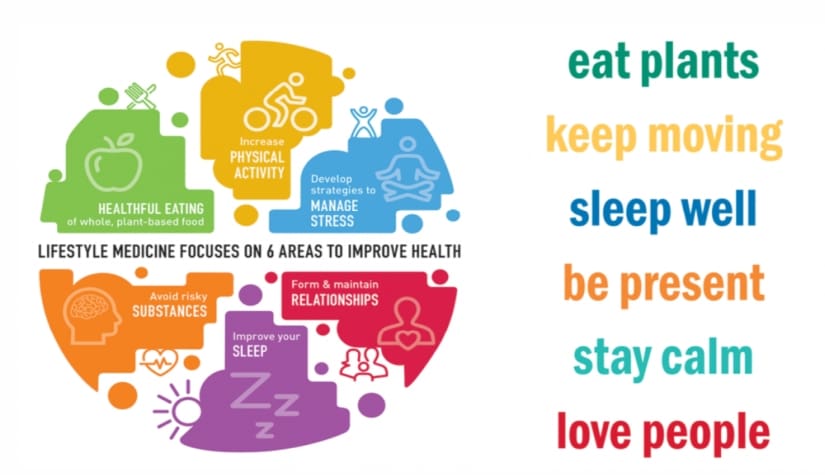
Hello there! Are you looking to take control of your chronic disease and improve your quality of life? In this article, we will explore some of the most popular lifestyle changes that can help you effectively manage chronic diseases. From incorporating regular exercise and adopting a healthy diet to reducing stress and getting enough sleep, these lifestyle changes can make a significant difference in your overall well-being. Let’s dive in and discover how small changes in your daily routine can lead to big improvements in your health. Have you been diagnosed with a chronic disease and are looking for ways to manage your condition effectively? Making lifestyle changes can play a crucial role in managing chronic diseases, improving your quality of life, and reducing the risk of complications. In this article, we will explore the most popular lifestyle changes recommended for managing chronic diseases.
Importance of Lifestyle Changes in Managing Chronic Diseases
Making lifestyle changes is essential when it comes to managing chronic diseases. Lifestyle factors such as diet, exercise, stress management, and sleep quality can have a significant impact on your health and well-being. By making positive changes to your lifestyle, you can reduce symptoms, improve your overall health, and prevent further complications associated with chronic diseases.
Benefits of Lifestyle Changes
Making lifestyle changes can bring a range of benefits when it comes to managing chronic diseases. These benefits include:
- Improving overall health and well-being
- Reducing symptoms and complications associated with chronic diseases
- Enhancing quality of life
- Increasing energy levels and stamina
- Boosting mood and mental health
By incorporating these lifestyle changes into your daily routine, you can take control of your health and effectively manage your chronic disease.
Most Popular Lifestyle Changes for Managing Chronic Diseases
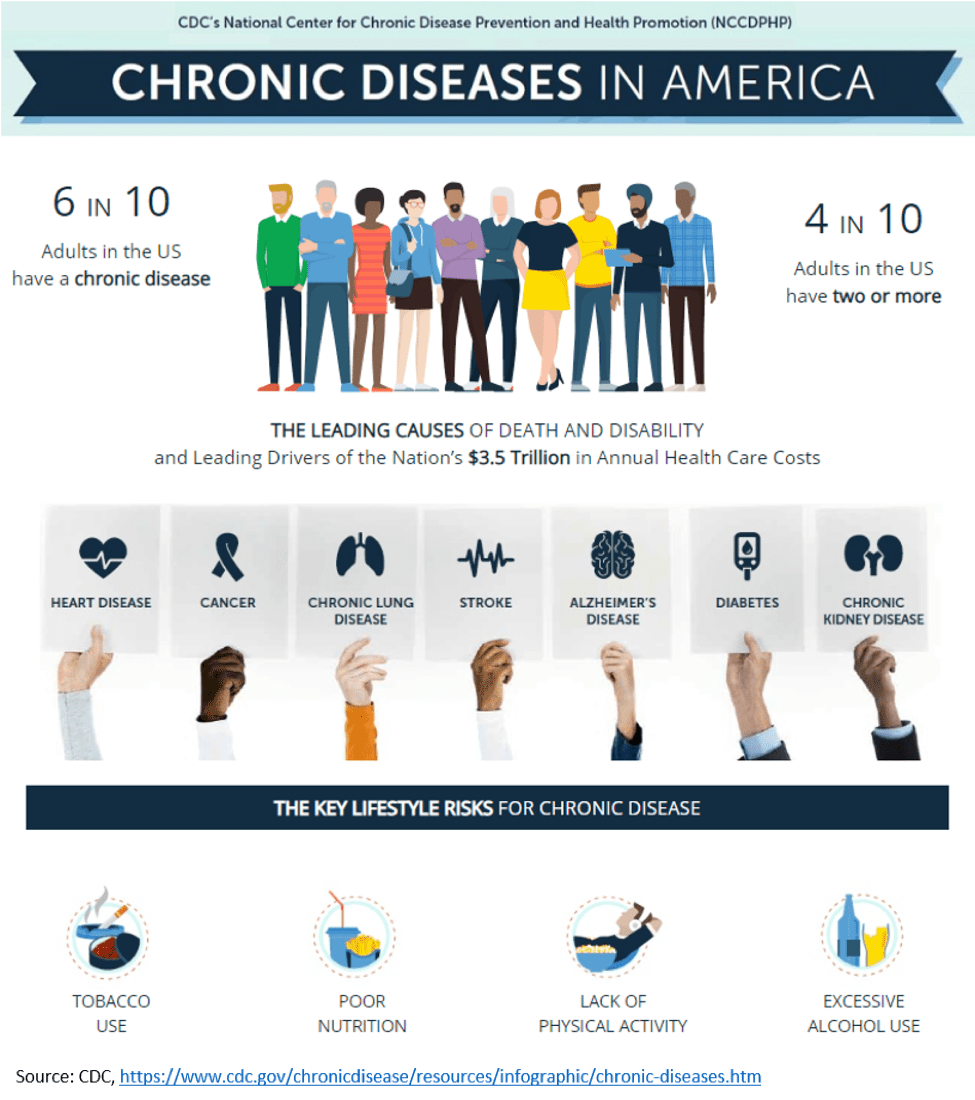
When it comes to managing chronic diseases, certain lifestyle changes are considered the most effective in improving outcomes and overall health. Let’s take a closer look at some of the most popular lifestyle changes recommended for managing chronic diseases.
1. Healthy Diet
One of the most important lifestyle changes you can make to manage chronic diseases is adopting a healthy diet. A nutritious diet plays a crucial role in managing conditions such as diabetes, heart disease, high blood pressure, and obesity. Incorporating a variety of fruits, vegetables, whole grains, lean proteins, and healthy fats into your diet can help control symptoms, reduce inflammation, and maintain a healthy weight.
2. Regular Exercise
Regular exercise is another key lifestyle change for managing chronic diseases. Physical activity can help improve cardiovascular health, strengthen muscles, and boost overall fitness. It can also help control blood sugar levels, reduce stress, and improve sleep quality. Aim for at least 150 minutes of moderate-intensity exercise per week, such as brisk walking, swimming, or cycling, to experience the benefits of regular physical activity.
3. Stress Management
Chronic stress can have a detrimental impact on your health, exacerbating symptoms of chronic diseases and increasing the risk of complications. Learning how to manage stress effectively is crucial for managing chronic diseases. Techniques such as deep breathing, meditation, yoga, and mindfulness can help reduce stress levels, improve mental health, and enhance overall well-being.
4. Quality Sleep
Getting an adequate amount of quality sleep is essential for managing chronic diseases. Poor sleep can contribute to inflammation, blood sugar imbalances, and compromised immune function, all of which can worsen symptoms of chronic diseases. Aim to maintain a consistent sleep schedule, create a relaxing bedtime routine, and create a conducive sleep environment to ensure quality restorative sleep.
5. Smoking Cessation
If you smoke, quitting is one of the most impactful lifestyle changes you can make to manage chronic diseases. Smoking is a significant risk factor for heart disease, lung disease, cancer, and other chronic conditions. Quitting smoking can improve lung function, reduce the risk of complications, and enhance overall health. Explore smoking cessation programs, nicotine replacement therapies, and counseling services to help you quit smoking for good.
6. Limit Alcohol Consumption
Excessive alcohol consumption can have negative effects on your health, exacerbating symptoms of chronic diseases and increasing the risk of complications. Limiting alcohol intake or abstaining altogether can have significant benefits for managing chronic diseases. If you choose to drink alcohol, do so in moderation and be mindful of your consumption to reduce the risk of adverse health effects.
Implementing Lifestyle Changes for Managing Chronic Diseases
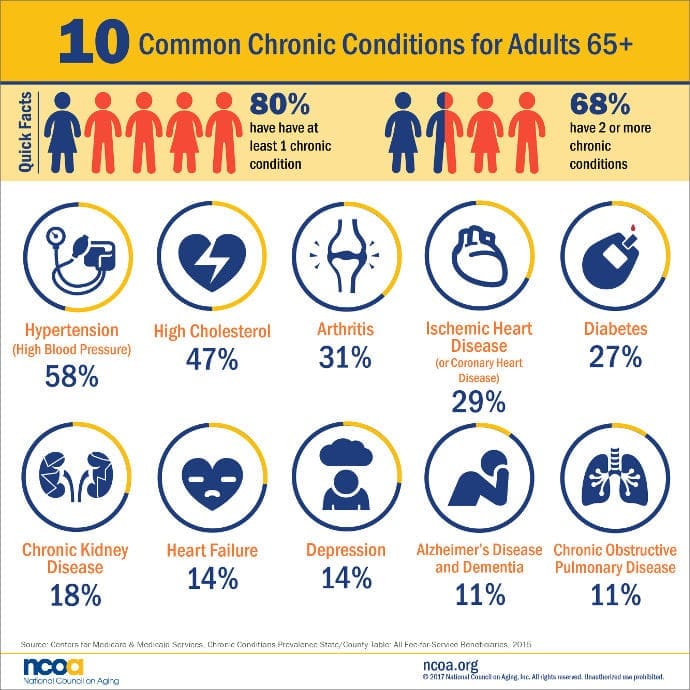
Implementing lifestyle changes can seem daunting at first, but with the right strategies and support, you can successfully manage chronic diseases and improve your overall health. Here are some tips for incorporating lifestyle changes into your routine:
- Start small: Begin by making small, gradual changes to your diet, exercise, and daily habits to prevent feeling overwhelmed.
- Set realistic goals: Establish achievable goals that align with your health needs and capabilities to ensure long-term success.
- Seek support: Reach out to healthcare providers, dietitians, fitness professionals, and support groups for guidance, motivation, and accountability.
- Track progress: Monitor your progress, track changes in your health and well-being, and make adjustments as needed to stay on track.
- Celebrate achievements: Celebrate your accomplishments, no matter how small, to stay motivated and inspired on your health journey.
By implementing these lifestyle changes and staying committed to your health and well-being, you can effectively manage chronic diseases and enjoy a higher quality of life. Remember that every positive step you take towards better health is a step in the right direction.
Conclusion
Managing chronic diseases requires a holistic approach that involves making positive lifestyle changes to improve health outcomes and overall well-being. By incorporating healthy habits such as a balanced diet, regular exercise, stress management, quality sleep, smoking cessation, and limited alcohol consumption, you can effectively manage chronic diseases and reduce complications. Remember that taking control of your health is a journey, and with determination, consistency, and support, you can achieve your health goals and lead a fulfilling life despite living with a chronic disease.