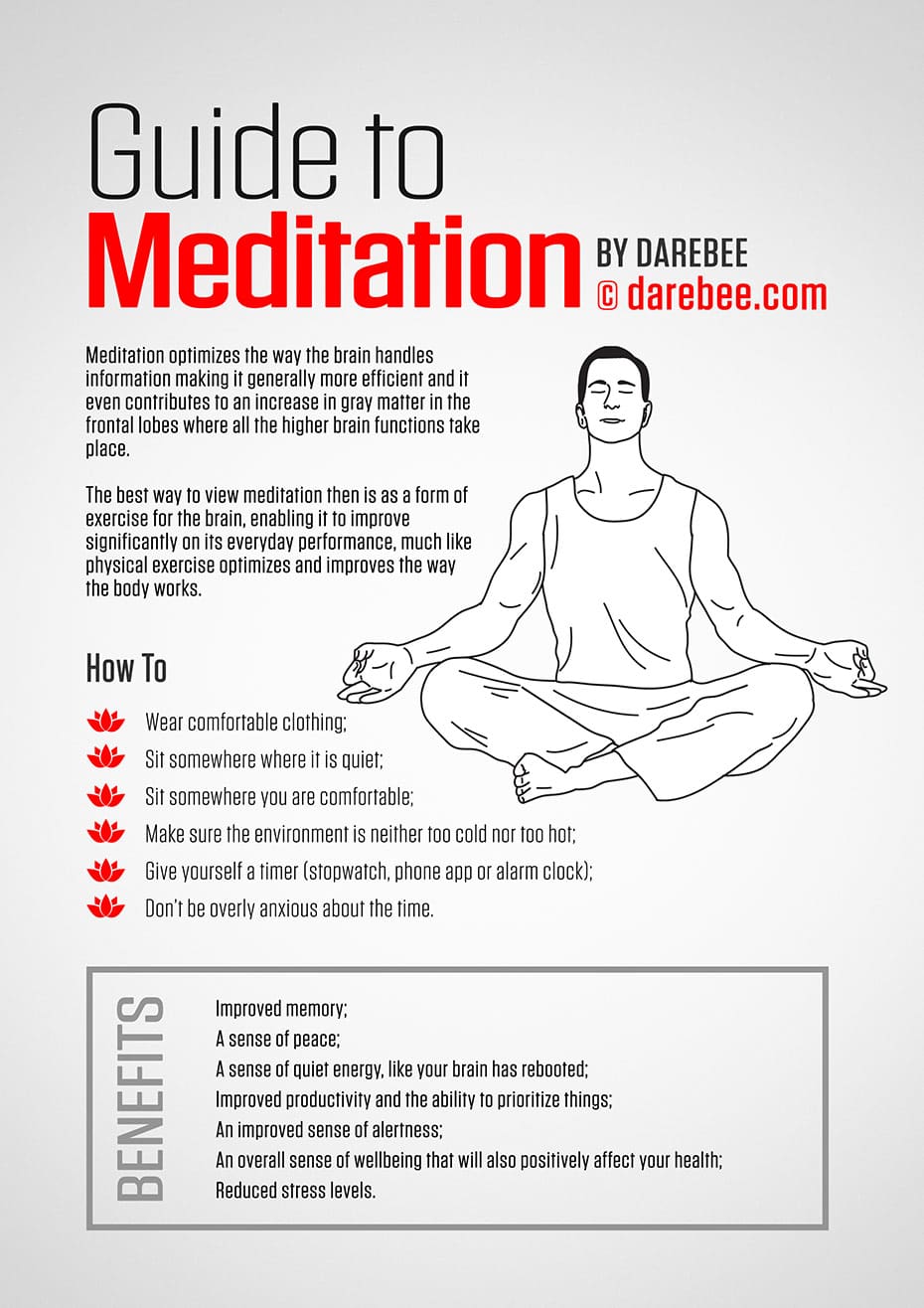
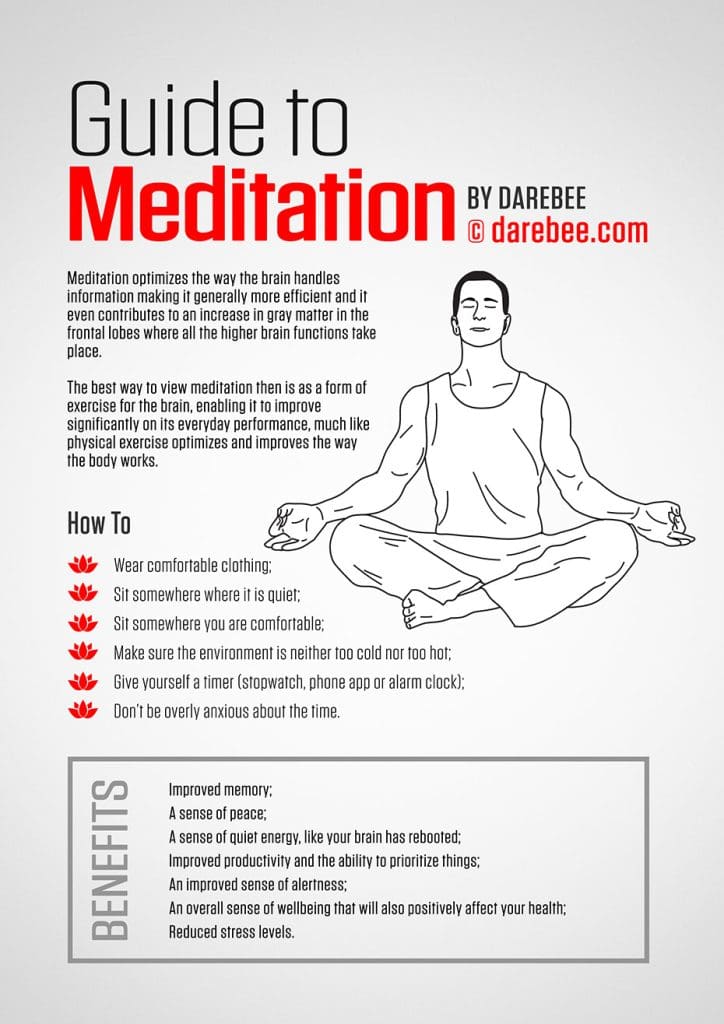
Looking to reduce stress and improve your overall well-being? Look no further than the world of meditation. In this article, we’ll explore the most popular meditation techniques that can help you achieve a state of tranquility and mindfulness. Whether you’re a beginner or an experienced meditator, these techniques offer a variety of approaches to suit your individual needs. So, prepare to find inner peace and embark on a journey towards a healthier, more balanced life.
1. Mindfulness Meditation
Definition and Principles of Mindfulness Meditation
Mindfulness meditation is a practice that involves bringing your attention to the present moment. It is about being fully aware of your thoughts, feelings, and sensations without judgment. The principles of mindfulness meditation include cultivating a non-judgmental attitude, observing thoughts without attachment, and embracing the present moment with curiosity.
Benefits of Mindfulness Meditation
Engaging in mindfulness meditation offers numerous benefits for your overall well-being. It helps reduce stress and anxiety, improves focus and concentration, enhances emotional health and resilience, and cultivates a sense of inner peace and contentment. Regular practice of mindfulness meditation can also lead to better sleep, increased self-awareness, and improved relationships.
Steps to Practice Mindfulness Meditation
To practice mindfulness meditation, find a quiet and comfortable space where you can sit or lie down. Close your eyes and take a few deep breaths to relax your body and mind. Bring your attention to your breath and observe the sensations of each inhalation and exhalation. Notice any thoughts or emotions that arise and gently return your focus to your breath. You can also choose to focus on a specific object or repeat a mantra to anchor your awareness. Engage in this practice for a few minutes each day, gradually increasing the duration as you become more comfortable.
2. Transcendental Meditation
Overview of Transcendental Meditation
Transcendental meditation is a technique that involves silently repeating a mantra to achieve a state of deep relaxation and transcendence. Originating from ancient Vedic traditions, this meditation technique emphasizes accessing a transcendent state of consciousness beyond ordinary waking awareness.
Guidelines and Techniques of Transcendental Meditation
To practice transcendental meditation, find a quiet and comfortable place to sit. Close your eyes and repeat a mantra silently in your mind. The mantra is a specific sound or word provided by a trained instructor based on your personal characteristics. Allow the mantra to become your focus and gently return to it whenever you notice your mind wandering. Practice transcendental meditation for 15-20 minutes, twice a day.
Benefits of Transcendental Meditation
Transcendental meditation has been shown to have a wide range of benefits. It helps reduce stress, anxiety, and depression, promotes relaxation, and improves overall well-being. Regular practice of transcendental meditation can also enhance creativity, increase clarity of thought, improve memory and focus, and foster personal growth and self-actualization.
3. Loving-Kindness Meditation
Introduction to Loving-Kindness Meditation
Loving-kindness meditation, also known as metta meditation, involves cultivating feelings of love, kindness, and compassion towards oneself and others. This practice can help cultivate positive emotions, develop empathy, and enhance interpersonal connections.
Steps to Practice Loving-Kindness Meditation
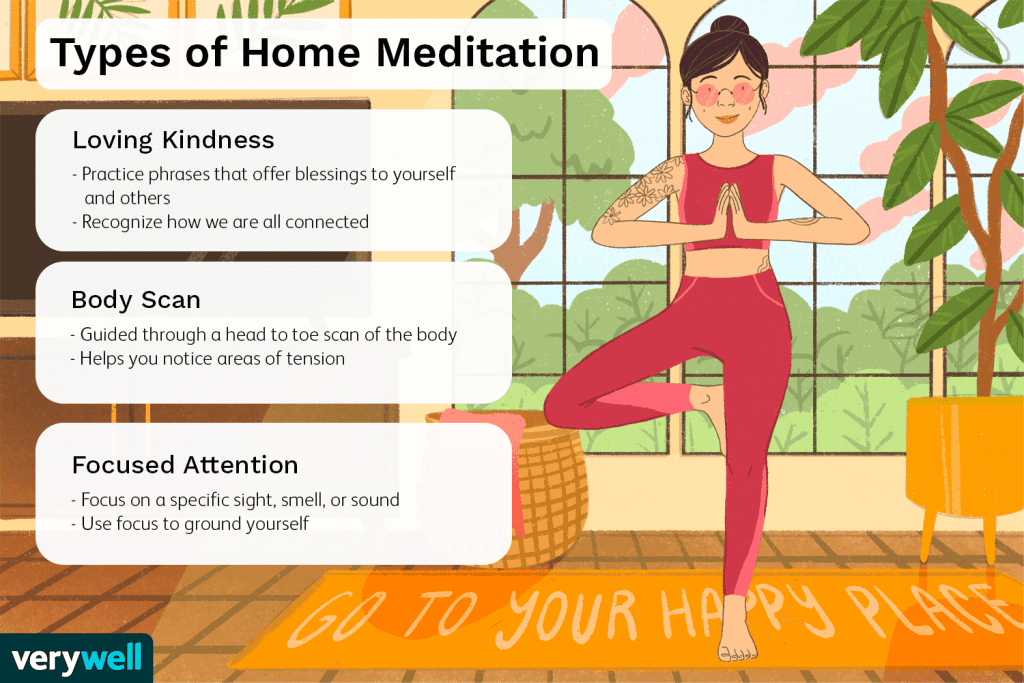
Find a quiet and comfortable place to sit or lie down. Close your eyes and take a few deep breaths to relax. Begin by directing feelings of loving-kindness towards yourself. Repeat phrases such as “May I be happy, may I be peaceful, may I be healthy” silently in your mind. Gradually extend these well-wishes to others, starting with loved ones, then neutral individuals, and even to those you may have difficulty with. Visualize sending love and kindness to each person as you repeat the phrases.
Advantages of Loving-Kindness Meditation
Loving-kindness meditation promotes emotional well-being, empathy, and compassion. It can help reduce anger, resentment, and judgment towards oneself and others. This practice also enhances self-acceptance and fosters positive social connections, leading to a greater sense of interconnectedness and overall happiness.
4. Guided Visualization Meditation
Explanation and Procedure of Guided Visualization Meditation
Guided visualization meditation involves using the power of imagination to create a mental image or scenario that promotes relaxation and positive emotions. This type of meditation can help reduce stress, foster creativity, and enhance overall well-being.
To practice guided visualization meditation, find a comfortable position and close your eyes. Listen to a guided meditation recording or follow instructions from a meditation app or website. The guide will take you through a visualization journey, describing serene environments, peaceful settings, or positive experiences. Engage your senses and immerse yourself in the imaginary scene, feeling the sensations, emotions, and details vividly in your mind.
Benefits of Guided Visualization Meditation
Guided visualization meditation can have numerous benefits. It promotes relaxation, reduces anxiety, and improves focus and concentration. This practice can also boost self-confidence, increase motivation, and enhance creativity. By visualizing positive experiences and outcomes, guided visualization meditation helps cultivate a positive mindset and fosters a sense of optimism.
Tips for Effective Guided Visualization Meditation
When practicing guided visualization meditation, it’s important to find a quiet and comfortable space where you can fully immerse yourself in the visualization journey. Choose a guided meditation that resonates with you and allows you to connect with the imagery on a personal level. Remember to breathe deeply and engage your senses to fully experience the visualization. Practice regularly to improve your visualization skills and maximize the benefits of this meditation technique.
5. Vipassana Meditation
Introduction to Vipassana Meditation
Vipassana meditation, also known as insight meditation, is an ancient practice that involves developing mindfulness and insight into the true nature of reality. This technique focuses on observing and understanding the impermanent and ever-changing nature of sensations, thoughts, and emotions.
Techniques and Stages of Vipassana Meditation
To practice Vipassana meditation, find a quiet and comfortable place to sit. Begin by focusing your attention on your breath, observing the sensations of each inhalation and exhalation. As your concentration deepens, gradually shift your awareness to bodily sensations, thoughts, and emotions as they arise and pass away. Cultivate a non-judgmental attitude towards these experiences and observe them with curiosity and acceptance. With consistent practice, you can develop a greater understanding of the impermanence and interdependence of all phenomena.
Benefits of Vipassana Meditation
Vipassana meditation offers numerous benefits for mental, emotional, and spiritual well-being. It helps develop mindfulness, concentration, and self-awareness. This practice can also reduce stress and anxiety, improve emotional regulation, and enhance clarity of thought. Vipassana meditation fosters a deeper understanding of oneself and the interconnectedness of all beings, leading to increased compassion, wisdom, and inner peace.
6. Mantra Meditation
Defining Mantra Meditation
Mantra meditation involves the repetition of a sacred sound, word, or phrase to quiet the mind and attain a state of deep focus and spiritual connection. This practice has its roots in various spiritual and religious traditions and can be a powerful tool for personal transformation and spiritual growth.
Different Types of Mantra Meditation
There are various types of mantra meditation, each associated with different spiritual traditions. Some popular forms include transcendental meditation, chanting mantras, and reciting affirmations. Transcendental meditation involves repeating a specific mantra silently in the mind. Chanting mantras involves vocalizing sacred sounds or words repetitively. Reciting affirmations involves affirming positive statements about oneself or one’s goals.
Effectiveness and Benefits of Mantra Meditation
Mantra meditation can be highly effective in calming the mind, reducing stress, and promoting a sense of inner peace. The repetitive nature of mantra recitation helps redirect attention from distracting thoughts and cultivates focused concentration. Mantra meditation also facilitates personal growth, self-discovery, and spiritual awakening. It can enhance self-confidence, improve clarity of thought, and support overall well-being.
7. Breathing Meditation
Overview of Breathing Meditation
Breathing meditation, also known as mindful breathing or focused breathing, centers around the awareness and observation of one’s breath. This practice involves bringing attention to the sensations of the breath as it flows in and out of the body, anchoring the mind in the present moment.
Techniques for Practicing Breathing Meditation
To practice breathing meditation, find a quiet and comfortable space to sit or lie down. Close your eyes and bring your attention to your breath. Notice the sensations of the breath as it enters and leaves your body. Observe the rise and fall of your abdomen or the feeling of air passing through your nostrils. Whenever your mind wanders, gently bring your focus back to your breath without judgment.
Advantages of Breathing Meditation
Breathing meditation offers various benefits for physical, mental, and emotional well-being. It promotes relaxation, reduces stress, and lowers blood pressure. This practice enhances focus, concentration, and mental clarity. Breathing meditation can also improve emotional regulation, increase self-awareness, and deepen the mind-body connection. Regular practice of breathing meditation can bring a greater sense of inner calm, balance, and overall well-being.
8. Body Scan Meditation
Definition and Process of Body Scan Meditation
Body scan meditation is a practice that involves systematically directing attention to different parts of the body, observing physical sensations, and cultivating a sense of relaxation and mindfulness. This meditation technique promotes body awareness and can be beneficial for reducing stress, tension, and physical discomfort.
Benefits of Body Scan Meditation
Body scan meditation offers numerous benefits for physical and mental well-being. It helps relax muscles, release tension, and alleviate physical pain. This practice also enhances body awareness, promotes better posture, and improves overall physical comfort. Body scan meditation can reduce anxiety, calm the mind, and improve sleep quality. Additionally, it fosters a deeper connection between the mind and body, promoting a greater sense of holistic well-being.
Tips for Successful Body Scan Meditation
To make the most of your body scan meditation practice, find a quiet and comfortable place to lie down or sit in a relaxed position. Start by bringing your attention to your breath, grounding yourself in the present moment. Begin scanning your body from head to toe, paying attention to any sensations or areas of tension or discomfort. As you focus on each part of your body, breathe and visualize releasing any tension or discomfort. Gradually move through each body part, allowing yourself to relax deeply as you go.
9. Kundalini Meditation
Overview of Kundalini Meditation
Kundalini meditation is a practice that aims to awaken and activate the dormant spiritual energy believed to reside at the base of the spine. This ancient practice combines various techniques such as breathwork, mantras, and physical movements to stimulate the Kundalini energy and facilitate spiritual growth and transformation.
Techniques and Practices of Kundalini Meditation
Kundalini meditation encompasses a wide range of techniques and practices. It often involves conscious breathing exercises, chanting mantras, performing specific physical postures or movements, and visualizations. These practices are intended to awaken and channel the Kundalini energy to higher levels of consciousness and self-realization. Kundalini meditation is often guided by experienced teachers or practitioners who have received proper training.
Benefits and Risks of Kundalini Meditation
Kundalini meditation can have profound benefits for spiritual growth, self-discovery, and personal transformation. It cultivates heightened awareness, deepens intuition, and promotes a sense of interconnectedness with the divine. This practice can also enhance creativity, increase energy levels, and foster a greater sense of purpose and fulfillment. However, it is important to approach Kundalini meditation with caution and seek guidance from experienced practitioners, as the awakening of Kundalini energy can be intense and may lead to unexpected physical, emotional, or psychological experiences.
10. Walking Meditation
Introduction to Walking Meditation
Walking meditation is a mindfulness practice that involves being fully present and aware while walking. It combines the physical movement of walking with the mental focus and attention to the sensations of each step. Walking meditation can be practiced indoors or outdoors and offers a unique opportunity to cultivate mindfulness in motion.
Steps to Practice Walking Meditation
To practice walking meditation, find a quiet and safe area where you can walk without distractions. Begin by standing still and bringing your attention to your body and breath. Take a few deep breaths to center yourself. Start walking slowly and pay attention to the sensations in your feet and legs as they make contact with the ground. Notice the shifting of your weight from one foot to the other, the feeling of your muscles moving, and the rhythm of your steps. If your mind wanders, gently bring your focus back to the physical sensations of walking.
Physical and Mental Health Benefits of Walking Meditation
Walking meditation offers a range of benefits for both physical and mental health. It promotes cardiovascular fitness, strengthens muscles, and improves balance and coordination. Walking meditation also reduces stress, anxiety, and depression, and enhances overall mental well-being. This practice allows for a deeper connection with nature and the surroundings, fostering a sense of gratitude, peace, and a renewed appreciation for the simple joys of life.
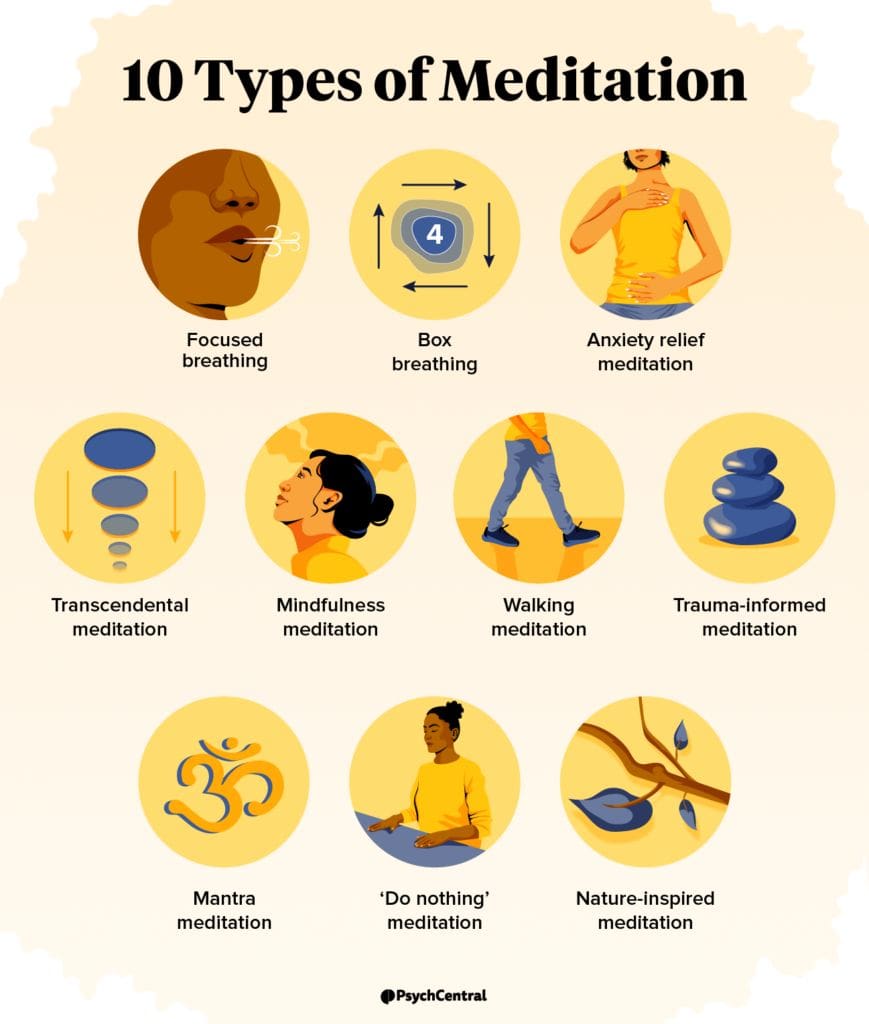
By exploring these popular meditation techniques, you can discover the one that resonates most with you and incorporate it into your daily routine. Whether you choose mindfulness meditation to cultivate present-moment awareness, transcendental meditation to achieve deep relaxation, or any other technique, remember that regular practice and consistency are key to experiencing the full benefits of meditation. So, take a moment, find your quiet space, and embark on a journey of inner exploration and well-being through the practice of meditation.