
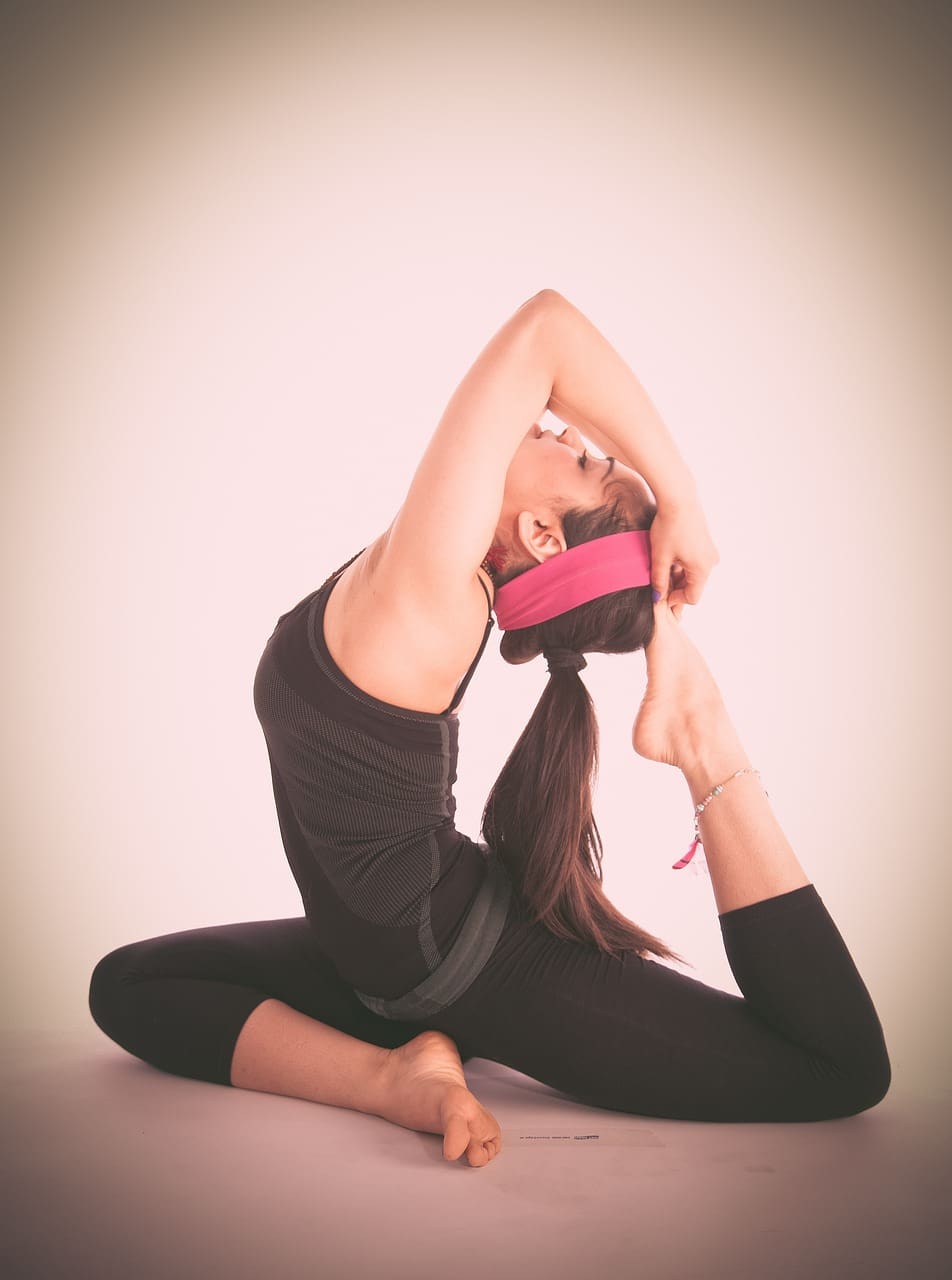
Are you looking to improve your flexibility? Well, you’re in luck! In this article, we will be discussing the most popular routines for men to enhance their flexibility. Whether you’re an athlete wanting to increase your range of motion or simply looking to prevent injuries, these routines are designed to help you achieve your goals. Get ready to stretch those muscles and unlock your body’s full potential!
Static Stretching
What is static stretching?
Static stretching is a form of stretching where you hold a particular position for an extended period of time, usually between 15 to 60 seconds. It is a common type of stretching that focuses on elongating the muscles and improving flexibility. It involves gradually lengthening the muscle to its maximum range of motion and holding that position without any bouncing or jerking movements.
Benefits of static stretching
Static stretching offers numerous benefits for improving flexibility. Firstly, it helps to increase muscle elasticity, which allows for a greater range of motion. This can be particularly beneficial for men who engage in activities that require a wide range of motion, such as sports or weightlifting. Additionally, static stretching helps to improve overall muscle coordination and balance, reducing the risk of injury. It also promotes relaxation and reduces muscle tension, making it an effective technique for relieving muscle soreness and improving recovery after intense exercise.
Examples of static stretching exercises
There are many different static stretching exercises that can be performed to improve flexibility in men. Some examples include:
- Hamstring stretch – Sit on the floor with one leg extended in front of you and the other leg bent at the knee. Lean forward and reach towards your toes, feeling a stretch in the back of your leg.
- Quadriceps stretch – Stand upright and grab your ankle, pulling your foot towards your buttocks. Hold this position, feeling a stretch in the front of your thigh.
- Shoulder stretch – Stand or sit upright with one arm extended in front of your body. Use your other arm to gently pull the extended arm across your chest, feeling a stretch in your shoulder and upper back.
Dynamic Stretching
What is dynamic stretching?
Dynamic stretching is a form of stretching that involves continuous movement. Unlike static stretching, which focuses on holding a position, dynamic stretching involves performing controlled, repetitive movements that mimic the activity you are about to engage in. It aims to increase blood flow, warm up the muscles, and prepare the body for movement. Dynamic stretching typically involves active movements that take the joints through their full range of motion.
Benefits of dynamic stretching
Dynamic stretching offers several benefits for improving flexibility in men. Firstly, it helps to increase the core temperature of the muscles, making them more pliable and reducing the risk of injury. It also enhances blood flow and circulation, which can improve overall performance. Dynamic stretching is particularly effective at improving dynamic flexibility, which is the ability to move quickly and efficiently through a full range of motion. Additionally, dynamic stretching can serve as a valuable warm-up, preparing the body for more intense exercise.
Examples of dynamic stretching exercises
Dynamic stretching exercises can be incorporated into a warm-up routine to improve flexibility in men. Some examples include:
- Walking lunges – Take a step forward with your right foot, lowering your body into a lunge position. Push off with your right foot, bringing your left foot forward into the next lunge. Repeat this walking motion, feeling a stretch in your hip flexors and hamstrings.
- Arm circles – Stand with your feet shoulder-width apart and extend your arms out to the sides. Begin making small circles with your arms, gradually increasing the size of the circles. Reverse the direction of the circles after a few repetitions to target different muscle groups.
- Leg swings – Stand next to a wall or support and swing one leg forward and backward, keeping it straight. Repeat this motion for several repetitions, then switch to swinging the leg side to side. This exercise targets the hip flexors and glutes.
Yoga
What is yoga?
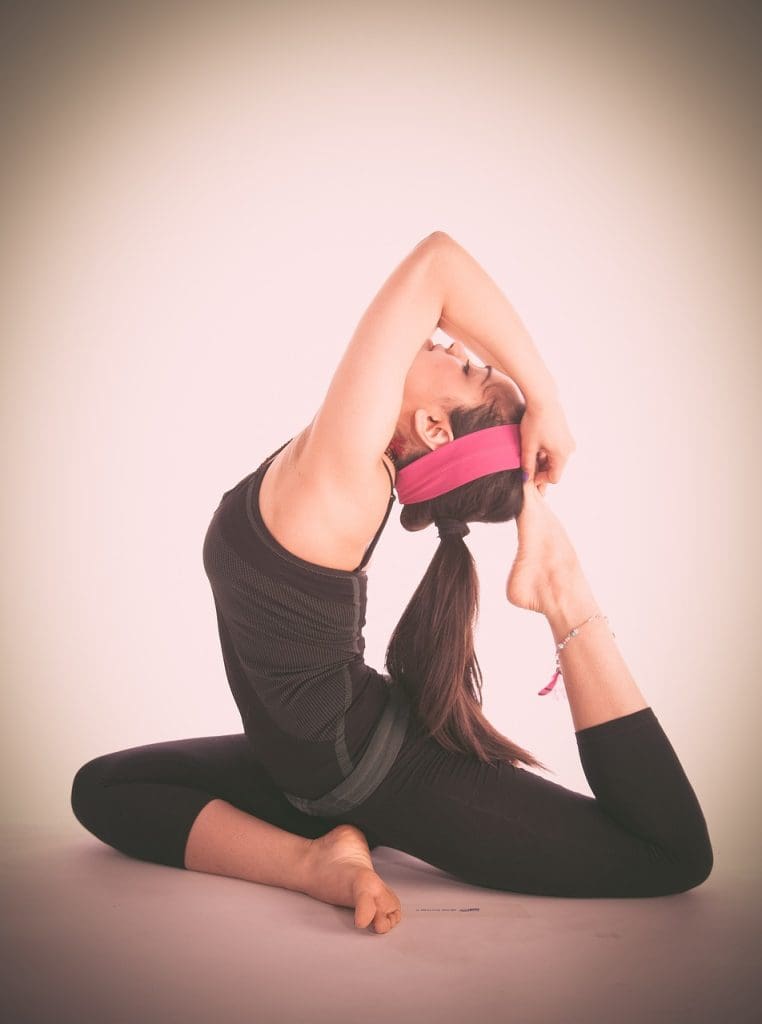
Yoga is a practice that combines physical movement, breath control, and meditation to promote overall health and well-being. It originated thousands of years ago in ancient India and has since spread worldwide. Yoga involves a series of postures, known as “asanas,” that are designed to improve flexibility, strength, and balance. It is a holistic approach to fitness that benefits both the body and mind.
Benefits of yoga for flexibility
Yoga offers numerous benefits for improving flexibility in men. The practice focuses on stretching and strengthening the muscles, promoting an increased range of motion. Through consistent practice, yoga can help to lengthen tight muscles and alleviate muscle imbalances. Yoga also helps to improve joint mobility and stability, reducing the risk of injury. Additionally, yoga encourages mindfulness and body awareness, allowing individuals to better understand and respect their body’s limitations.
Popular yoga poses for improving flexibility in men
There are several yoga poses that are particularly effective for improving flexibility in men. Some popular options include:
- Downward-facing dog – Start in a plank position, then push your hips up and back, forming an inverted V-shape with your body. This pose stretches the hamstrings, calves, and shoulders.
- Standing forward bend – Stand with your feet hip-width apart and slowly bend forward, reaching towards your toes. Allow your head and neck to relax, feeling a stretch in the hamstrings and lower back.
- Warrior II – Stand with your feet wide apart and turn your right foot out to the side. Bend your right knee and extend your arms out to the sides, keeping your gaze forward. This pose stretches the hips, groin, and calves.
Pilates
What is Pilates?
Pilates is a form of exercise that focuses on core strength, flexibility, and body awareness. It was developed by Joseph Pilates in the early 20th century and has gained widespread popularity in recent years. Pilates utilizes a series of controlled movements that target specific muscle groups, with a focus on engaging the core. The practice emphasizes proper alignment and breathing, promoting overall body control and stability.
Benefits of Pilates for flexibility
Pilates offers several benefits for improving flexibility in men. The exercises in Pilates focus on elongating and stretching the muscles while maintaining proper alignment. This can help to increase the overall range of motion in joints and improve flexibility. Pilates also promotes improved posture and body awareness, which can contribute to better flexibility. Additionally, the controlled and precise movements in Pilates help to strengthen and lengthen the muscles, resulting in improved flexibility over time.
Popular Pilates exercises for improving flexibility in men
There are numerous Pilates exercises that are effective for improving flexibility in men. Some popular options include:
- The Hundred – Lie on your back with your knees bent and feet flat on the floor. Lift your head, neck, and shoulders off the mat, then extend your arms alongside your body, palms facing down. Pump your arms up and down as you breathe in and out deeply. This exercise engages the abdominal muscles and stretches the chest and shoulders.
- Swan – Lie on your stomach with your palms resting on the mat under your shoulders. Press into your hands and lift your upper body off the mat, arching your back and looking forward. This exercise stretches the front of the body, including the chest, abdomen, and hip flexors.
- Spine stretch forward – Sit tall with your legs extended in front of you, hip-width apart. Inhale, then exhale as you slowly articulate your spine forward, reaching towards your toes. This exercise stretches the back, hamstrings, and calves.

Foam Rolling
What is foam rolling?
Foam rolling, also known as self-myofascial release, is a technique that involves using a foam roller to apply pressure to the muscles and fascia throughout the body. It is a form of self-massage that can help to release tension and tightness, improve blood flow, and increase flexibility. Foam rolling typically involves rolling the body over the foam roller, targeting specific areas of tightness or discomfort.
Benefits of foam rolling for flexibility
Foam rolling offers several benefits for improving flexibility in men. Firstly, it helps to break up adhesions and knots in the muscles and fascia, allowing for improved range of motion. Foam rolling also helps to increase blood flow and circulation, which can enhance muscle recovery and reduce muscle soreness. Additionally, foam rolling can alleviate muscle imbalances and tightness, leading to improved flexibility and joint mobility.
Tips and techniques for foam rolling
To effectively use a foam roller for flexibility, keep the following tips in mind:
- Start with light pressure – Begin with gentle pressure on the foam roller and gradually increase as tolerated. This will help to prevent any discomfort or pain.
- Target specific areas – Focus on areas of tightness or discomfort, such as the calves, quads, or back. Roll slowly back and forth over these areas for about 30 seconds to 1 minute.
- Breathe and relax – While foam rolling, remember to breathe deeply and relax the muscles. This will help to promote relaxation and release tension.
Resistance Training
What is resistance training?
Resistance training, also known as strength training or weightlifting, is a form of exercise that involves working against resistance to build strength and muscle mass. It typically involves using weights, resistance bands, or bodyweight exercises to challenge the muscles. While resistance training is primarily associated with building strength, it can also have significant benefits for improving flexibility.
Benefits of resistance training for flexibility
Resistance training offers several benefits for improving flexibility in men. Firstly, it helps to increase muscle strength, which can support and stabilize the joints, allowing for a greater range of motion. Additionally, resistance training can help to improve muscle imbalances and correct postural alignment, which can contribute to improved flexibility. The controlled movements and full range of motion in resistance training exercises also promote joint mobility and overall muscle flexibility.
Effective resistance training exercises for improving flexibility in men
Incorporate the following resistance training exercises into your routine to improve flexibility:
- Squats – Stand with your feet shoulder-width apart and lower your body into a squat, keeping your chest up and knees in line with your toes. Squats help to improve flexibility in the hips, knees, and ankles.
- Lunges – Take a step forward with your right foot, lowering your body into a lunge position. Push off with your right foot, returning to the starting position. Lunges target the hip flexors and improve flexibility in the legs.
- Shoulder press – Hold a dumbbell in each hand, with your palms facing forward and elbows bent at a 90-degree angle. Extend your arms overhead, fully straightening them. The shoulder press improves flexibility in the shoulders and upper body.

Mobility Training
What is mobility training?
Mobility training is a type of exercise that focuses on improving joint mobility and range of motion. It involves performing specific exercises and movements that target the joints and surrounding muscles. Mobility training is often used in combination with other forms of exercise, such as strength training or yoga, to enhance overall flexibility and movement.
Benefits of mobility training for flexibility
Mobility training offers several benefits for improving flexibility in men. Firstly, it helps to increase joint mobility, allowing for a greater range of motion. Improved joint mobility can enhance overall athletic performance and reduce the risk of injury. Additionally, mobility training helps to improve posture, balance, and body control, which can contribute to better flexibility. Regular mobility training can also alleviate muscle imbalances and tightness, leading to improved flexibility and movement efficiency.
Key mobility exercises for improving flexibility in men
Incorporate the following mobility exercises into your routine to improve flexibility:
- Hip circles – Stand with your feet shoulder-width apart and place your hands on your hips. Slowly circle your hips in a clockwise direction, then reverse the direction. This exercise targets the hip joints and improves flexibility in the hips.
- Cat-cow stretch – Start on all fours with your hands directly under your shoulders and knees under your hips. Arch your back towards the ceiling, then drop your belly towards the floor, lifting your head and tailbone. Repeat this movement, flowing between cat and cow positions. The cat-cow stretch improves flexibility in the spine and shoulders.
- Ankle circles – Sit on the floor with your legs extended in front of you. Circle your ankles clockwise, then reverse the direction. This exercise targets the ankle joints and improves flexibility in the ankles.
Tai Chi
What is Tai Chi?
Tai Chi is a traditional Chinese martial art that combines gentle flowing movements, deep breathing, and meditation. It is often practiced as a form of mind-body exercise and has been found to offer numerous health benefits. Tai Chi emphasizes slow, controlled movements and encourages a relaxed and focused state of mind. It promotes the flow of Qi, or energy, throughout the body and is based on the concepts of balance and harmony.
Benefits of Tai Chi for flexibility
Tai Chi offers several benefits for improving flexibility in men. The slow and deliberate movements performed in Tai Chi help to improve joint mobility and increase the range of motion. The deep breathing and focused attention also assist in relaxing the muscles and reducing muscle tension, which can contribute to improved flexibility. Tai Chi also promotes better balance and body awareness, which are important factors in maintaining flexibility.
Tai Chi movements for improving flexibility in men
Incorporate the following Tai Chi movements into your practice to improve flexibility:
- Cloud hands – Stand with your feet shoulder-width apart and your knees slightly bent. Extend your arms out to the sides and begin shifting your weight from one foot to the other, allowing your arms to flow naturally. This movement stretches the shoulders and opens the chest.
- Needle at the sea bottom – Stand with your feet shoulder-width apart and your knees slightly bent. Bring your hands together in front of your chest, with your palms facing each other. Extend your arms forward, keeping them parallel to the ground. This movement stretches the back and improves flexibility in the spine.
- Snake creeps down – Start with your feet together and your hands by your sides. Step your right foot forward into a lunge position, bending your right knee and keeping your left leg straight. Lower your torso towards your right knee, reaching your hands towards the ground. This movement stretches the hips, hamstrings, and calves.
Stretching with Props
Using props to enhance flexibility
Using props during stretching exercises can help to enhance flexibility by providing additional support or resistance. Props can assist in improving alignment and form, allowing for a deeper stretch and reduced risk of injury. Props are often used in yoga and Pilates, but can also be incorporated into other forms of exercise and stretching routines.
Top props for stretching
Consider using the following props to enhance your flexibility:
- Yoga strap – A yoga strap is a long, woven strap that can be used to extend your reach and deepen a stretch. It can be particularly helpful for individuals with limited flexibility or those working towards more advanced poses.
- Foam block – A foam block can provide support and stability during stretching exercises. It can be used to modify poses and assist in maintaining proper alignment. Foam blocks are commonly used in yoga and Pilates.
- Resistance band – A resistance band can be used to add resistance to stretching exercises, allowing for a deeper stretch. It can be particularly effective for targeting specific muscle groups and improving overall flexibility.
Specific exercises using props for increasing flexibility
Incorporate the following exercises using props into your routine to increase flexibility:
- Seated forward fold with a yoga strap – Sit on the floor with your legs extended in front of you. Place a yoga strap around the soles of your feet and hold onto the strap with both hands. Slowly fold forward, using the strap to extend your reach and deepen the stretch in your hamstrings and lower back.
- Modified pigeon pose with a foam block – Start in a tabletop position, with your hands and knees on the ground. Slide a foam block under your left hip, then extend your right leg behind you. Slowly lower your torso towards the ground, resting your forearms on the mat. This modified pigeon pose stretches the hips and can help to alleviate tightness and discomfort.
- Standing quadriceps stretch with a resistance band – Stand upright with a resistance band wrapped around your left foot. Hold onto the ends of the band with both hands and gently pull your foot towards your buttocks, feeling a stretch in the front of your thigh. The resistance band provides added resistance to deepen the stretch.
Flexibility Training Programs
Designing a flexibility training program
When designing a flexibility training program, it is essential to consider your current level of flexibility, goals, and available time. Start by assessing your flexibility in different areas of the body, such as the hips, shoulders, and hamstrings. Identify any areas of tightness or limitations. Set specific flexibility goals that are challenging yet attainable. Plan for regular stretching sessions, aiming for at least two to three times per week. Gradually progress your stretching routine, increasing the duration and intensity of the stretches over time.
Sample flexibility training programs for men
Here are two sample flexibility training programs for men:
-
Beginner program:
- Day 1: Perform a full-body static stretching routine, holding each stretch for 15-30 seconds.
- Day 2: Practice dynamic stretching exercises as part of your warm-up routine before a workout.
- Day 3: Rest and focus on recovery.
- Day 4: Perform a full-body static stretching routine, holding each stretch for 15-30 seconds.
- Day 5: Rest and focus on recovery.
- Day 6: Practice dynamic stretching exercises as part of your warm-up routine before a workout.
- Day 7: Rest and focus on recovery.
-
Advanced program:
- Day 1: Perform a full-body static stretching routine, holding each stretch for 30-60 seconds.
- Day 2: Incorporate dynamic stretching exercises into your warm-up routine before a workout.
- Day 3: Practice yoga or Pilates to improve flexibility and body awareness.
- Day 4: Perform a full-body static stretching routine, holding each stretch for 30-60 seconds.
- Day 5: Incorporate dynamic stretching exercises into your warm-up routine before a workout.
- Day 6: Practice yoga or Pilates to improve flexibility and body awareness.
- Day 7: Rest and focus on recovery.
Tips for maximizing flexibility gains
To maximize flexibility gains, consider the following tips:
- Consistency is key – Regularly incorporate stretching exercises into your routine to maintain and improve flexibility.
- Gradually increase intensity – Start with gentle stretches and slowly progress to more advanced or intense stretches over time.
- Focus on proper form and alignment – Pay attention to your body’s alignment during stretches to target the intended muscles and avoid strain or injury.
- Breathe deeply and relax – Deep breathing can help to relax the muscles and allow for a deeper stretch.
- Listen to your body – Pay attention to any discomfort or pain during stretching and modify or stop the stretch if necessary.
- Warm up before stretching – Engage in light cardiovascular activity or dynamic stretching before static stretching to prepare the muscles for the stretch.
- Seek guidance from a professional – Consider working with a certified trainer, yoga instructor, or physical therapist to develop a customized flexibility training program and receive expert guidance.
By incorporating a variety of stretching techniques and exercises into your routine, you can significantly improve your flexibility as a man. Whether you choose to focus on static stretching, dynamic stretching, yoga, Pilates, foam rolling, resistance training, mobility training, Tai Chi, stretching with props, or a combination of these approaches, consistency and proper form are key. Remember to listen to your body, stretch within your limits, and enjoy the journey towards increased flexibility and mobility.