
Are you ready to discover the latest and greatest technology and gadgets for promoting healthy aging? Look no further! In this article, we will explore the most popular devices that are revolutionizing the way we age gracefully. From smartwatches that track your fitness goals to virtual reality systems that enhance cognitive function, these cutting-edge gadgets are designed to keep you feeling and looking your best. Say goodbye to aging stereotypes and hello to a future of vibrant health and vitality. Let’s dive into the world of technology and gadgets that are transforming the way we age!
Smartwatches and Fitness Trackers
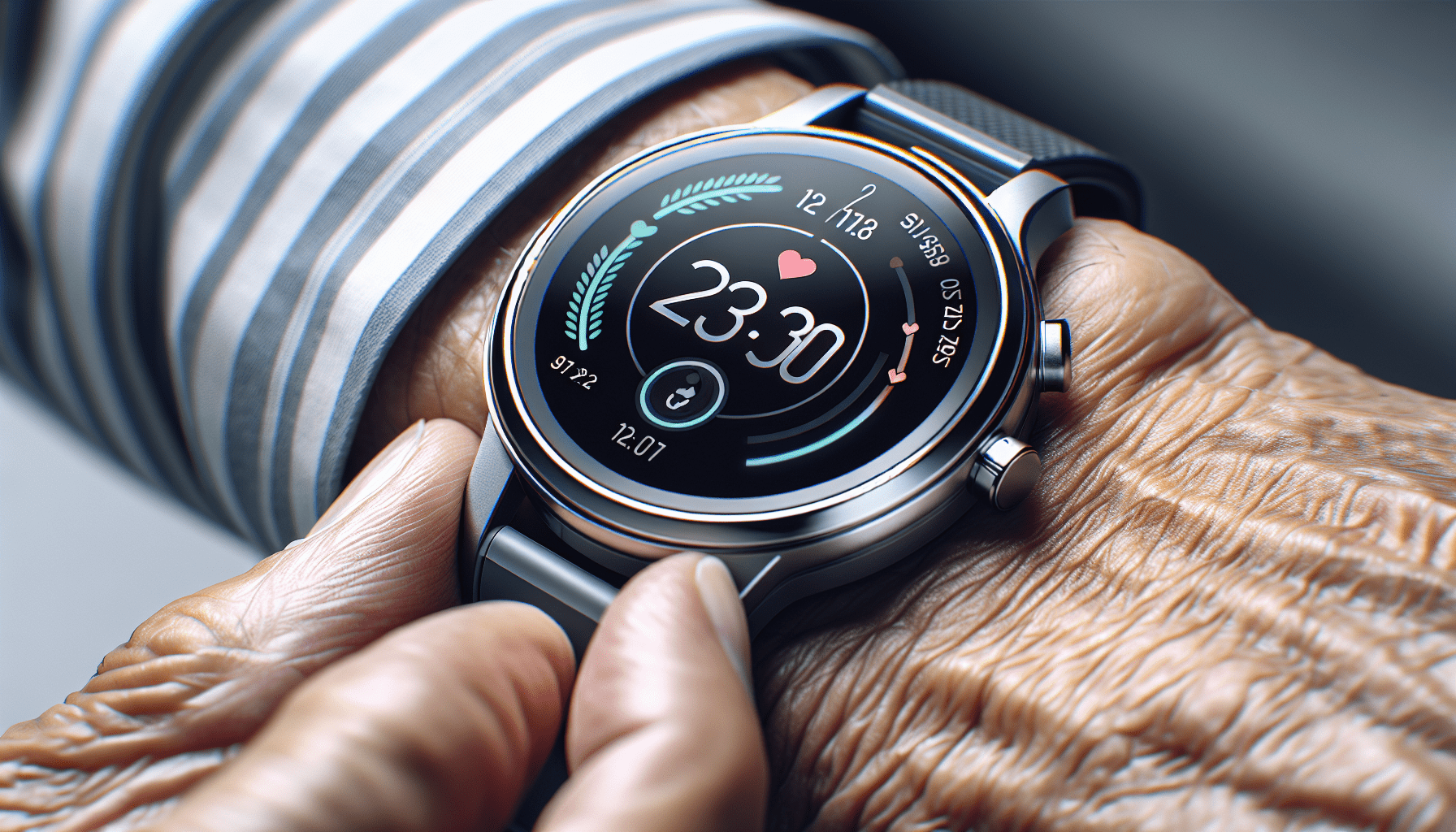
Smartwatches and fitness trackers have become increasingly popular in recent years for their ability to help individuals monitor their physical activity levels. These devices can track steps taken, distance traveled, calories burned, and even monitor heart rate during exercise. By providing real-time data, they serve as a constant reminder to stay active and be more mindful of your fitness goals. With the ability to set daily activity targets and receive notifications when goals are met, smartwatches and fitness trackers provide the motivation needed to lead a more active lifestyle.
In addition to physical activity monitoring, smartwatches and fitness trackers also track heart rate and sleep patterns. Monitoring heart rate during exercise can help ensure that you are working out at the right intensity level to achieve your fitness goals. Sleep tracking, on the other hand, can provide valuable insights into your sleep quality and patterns, helping you make adjustments to optimize your rest and recovery. By gaining a better understanding of your heart rate and sleep patterns, you can make informed decisions about your overall health and well-being.
Moreover, smartwatches and fitness trackers have features that go beyond just fitness monitoring. These devices can set reminders for medication and appointments, making it easier for you to stay on top of your healthcare needs. With busy schedules and multiple medications to manage, these reminders can be a lifesaver. Additionally, some smartwatches and fitness trackers provide coaching and guidance for exercise routines, ensuring that you are performing exercises correctly and safely. This personalized guidance can be especially helpful for those who are new to fitness or have specific health concerns.
Smart Home Devices
Smart home devices are another technological advancement that promotes healthy aging. These devices offer a plethora of features aimed at making daily life easier and more convenient for older adults. For example, wireless monitors for blood pressure, glucose levels, and other vital signs can provide real-time data that can be shared with healthcare providers. This allows for remote monitoring, reducing the need for frequent doctor visits and allowing for early detection of potential health issues.
Voice-controlled personal assistants are also becoming increasingly popular among older adults. These devices can be programmed to provide medication reminders, ensuring that you never miss a dose. They can also answer questions about medications, making it easier to understand and follow your prescribed regimen. Additionally, smart home devices can control lighting and temperature automatically, creating a comfortable and safe environment that promotes overall well-being.
Another significant aspect of smart home devices is their ability to help with meal preparation and monitoring. Smart appliances, such as smart refrigerators and ovens, can provide recipe suggestions based on dietary preferences and restrictions, making it easier to follow a healthy eating plan. These devices can also monitor food inventory, reminding you when it’s time to restock essential items. By taking the guesswork out of meal planning and preparation, smart home devices enable individuals to maintain a balanced and nutritious diet.
Telehealth and Telemedicine Services
Telehealth and telemedicine services have revolutionized healthcare access, making it more convenient and accessible for individuals, especially older adults. With virtual doctor appointments, you can receive medical advice, prescriptions, and necessary follow-ups from the comfort of your own home. This eliminates the need for travel and reduces exposure to germs in waiting rooms, making it a safer option, especially during times of pandemic.
Remote monitoring of vital signs and chronic conditions is another significant advantage of telehealth services. By using wearable devices or at-home monitoring kits, individuals can track their health metrics and transmit the data to healthcare providers in real-time. This allows for better management of chronic conditions and early detection of any concerning changes. Regular monitoring ensures that healthcare providers can intervene promptly if necessary, leading to better overall health outcomes.
Online access to medical records and test results is also made possible through telehealth platforms. With secure portals and apps, individuals can view their medical history, laboratory results, and imaging reports at any time. This eliminates the need for paper records and provides a comprehensive overview of your health status. Having access to such information empowers individuals to actively participate in their healthcare decisions and collaborate with healthcare professionals effectively.
Moreover, telehealth platforms often include medication management features. These platforms provide reminders for prescription refills and alert for potential drug interactions. By streamlining the medication management process, individuals can ensure they are taking their medications correctly and avoiding any potentially harmful interactions. This technology ensures medication adherence and reduces the risk of medication errors, promoting better health outcomes.
Digital Health Apps
Digital health apps have gained popularity in recent years as smartphones have become an integral part of our lives. These apps offer a wide range of features and functionalities aimed at promoting and improving overall health and well-being. From fitness and exercise apps to nutrition and meal planning apps, the possibilities are endless. With guided workouts, individuals can perform exercises at their own pace and level, ensuring they are getting the most out of their workouts.
Nutrition and meal planning apps provide the tools and resources needed to make healthier food choices. These apps offer personalized meal plans based on specific dietary needs and preferences, making it easier to follow a balanced and nutritious diet. Some apps also provide grocery lists and recipe suggestions, simplifying the process of meal preparation and encouraging healthier eating habits.
Meditation and mindfulness apps have gained popularity in recent years as individuals are becoming more aware of the importance of mental well-being. These apps offer guided meditation sessions, relaxation techniques, and stress reduction tools to help individuals manage their mental health effectively. By incorporating these practices into daily life, individuals can reduce stress levels and improve overall mental well-being.
Furthermore, medication reminder apps are an essential tool for individuals managing multiple medications. These apps send notifications and reminders for medication doses, ensuring that you never miss a dose. Some apps also allow for medication tracking, providing insights into adherence rates and potential concerns. By utilizing these apps, individuals can take control of their medication management and ensure that they are taking their medications as prescribed.
Robotic Assistants
Robotic assistants have made significant advancements in recent years, providing support and assistance in various daily tasks. From cooking and cleaning to medication management, these assistants can offer valuable assistance, especially for older adults. They can help with tasks that may be physically challenging, reducing the risk of falls and injuries.
One important feature of robotic assistants is their fall detection and emergency response capabilities. These robots are equipped with sensors that can detect falls and send alerts to designated contacts or emergency services. This can provide peace of mind for both older adults and their loved ones, knowing that help can be summoned promptly in case of emergencies.
In addition to physical support, robotic assistants also provide companionship and mental stimulation. For older adults who may be lonely or isolated, these robots can offer conversation, play games, and provide entertainment. This social interaction promotes social well-being and cognitive stimulation, which are essential for maintaining mental health and reducing the risk of cognitive decline.
Facial recognition technology is another notable feature of robotic assistants. By recognizing individuals, these robots can provide personalized assistance and tailor their responses and actions accordingly. This creates a more personalized and user-friendly experience, ensuring that individuals receive the support and assistance they need in a way that is most beneficial to them.
Wireless Earbuds and Hearing Aids
Wireless earbuds and hearing aids have become increasingly advanced with the integration of technology. Bluetooth-enabled hearing aids offer improved sound quality and clarity, enabling individuals with hearing loss to communicate more effectively. By connecting to smartphones or other devices, these hearing aids allow for easy control and adjustment of settings, ensuring optimal hearing in different environments.
Noise-canceling capabilities are another significant advantage of wireless earbuds and hearing aids. These devices can reduce background noise, making it easier to focus on conversations or audio content. This feature is especially useful in noisy environments or crowded spaces where hearing can be challenging.
Integration with smart devices is another area where wireless earbuds excel. With the ability to connect to smartphones and other devices, individuals can enjoy audio content, make phone calls, and even access virtual assistants through their earbuds. This hands-free convenience promotes independence and ease of use, especially for older adults who may have difficulty manipulating small buttons or touchscreens.
Moreover, wireless earbuds are not just for individuals with hearing loss. They are also popular among the general population for listening to music, podcasts, or audiobooks. By providing high-quality audio and easy connectivity, wireless earbuds enhance the overall listening experience and allow individuals to enjoy their favorite content anytime and anywhere.
Virtual Reality and Augmented Reality
Virtual reality (VR) and augmented reality (AR) technologies have the potential to revolutionize healthcare and well-being for older adults. These technologies offer experiential therapy for cognitive stimulation and rehabilitation. Through VR and AR games and activities, individuals can engage in cognitive exercises that enhance memory, attention, and problem-solving skills. This can be particularly beneficial for individuals experiencing age-related cognitive decline or conditions such as dementia.
Virtual travel and exploration are also possible through VR technology. For individuals who may be immobile or have limited mobility, virtual travel can provide an opportunity to explore new places and experience different cultures without leaving home. This can have a positive impact on mental well-being, promoting a sense of wonder, curiosity, and adventure.
Virtual socialization platforms have gained popularity, especially during times of social distancing. By using VR or AR technology, individuals can interact with others in virtual environments, fostering social connections and combating feelings of isolation. This technology provides a lifeline to social interaction, even when physical proximity may not be possible.
Augmented reality glasses offer enhanced vision for individuals with visual impairments. Through the use of AR technology, these glasses can provide real-time visual cues and information to assist individuals in their day-to-day activities. This can include navigation assistance, object recognition, and text-to-speech capabilities, improving overall independence and quality of life.
Smart Pillboxes and Medication Dispensers
Smart pillboxes and medication dispensers aim to simplify and improve medication management for individuals, particularly those with complex medication regimens. These devices automatically dispense medications at scheduled times, eliminating the need for manual sorting and organization. This reduces the risk of medication errors and ensures that medications are taken in a timely manner.
Alerts for missed doses and potential drug interactions are another significant advantage of smart pillboxes and medication dispensers. These devices can send reminders or notifications when doses are missed, ensuring that individuals stay on track with their medication schedule. Some devices can even detect potential drug interactions based on the medications being dispensed, providing an additional layer of safety.
Integration with mobile apps is another notable feature of smart pillboxes and medication dispensers. By connecting to a mobile app, individuals can track their medication adherence, receive reminders, and access information about their medications. This offers a comprehensive view of medication management and empowers individuals to be actively involved in their healthcare.
Refill notifications for pharmacy orders are also made possible through smart pillboxes and medication dispensers. These devices can send notifications to individuals or their designated caregivers when it’s time to refill prescriptions. This ensures that individuals never run out of necessary medications and helps prevent gaps in treatment.
Elderly-Friendly Mobile Phones
Elderly-friendly mobile phones are designed with older adults in mind, offering features and functionalities that promote ease of use and safety. One significant feature of these phones is larger buttons and simplified interfaces. These design elements make it easier for individuals with dexterity issues or vision impairments to navigate the phone and perform essential functions.
Emergency call features are also crucial for elderly-friendly mobile phones. These phones often have dedicated emergency buttons that can be programmed to call for immediate assistance. This provides peace of mind for both individuals and their loved ones, knowing that help can be summoned quickly in case of emergencies or accidents.
GPS tracking capabilities are another significant advantage of elderly-friendly mobile phones. These phones can be equipped with location monitoring features, allowing caregivers or family members to track the whereabouts of their loved ones. This enhances safety and security, particularly for individuals with cognitive impairments or those prone to wandering.
Additionally, elderly-friendly mobile phones often incorporate medical ID information. By having essential health records, emergency contacts, and medication information easily accessible, individuals can quickly provide pertinent information to healthcare providers during emergencies. This can be life-saving in situations where time is of the essence and accurate medical information is crucial.
Brain Training Games and Apps
Brain training games and apps have gained popularity for their ability to improve memory and cognitive skills through gamification. These games and apps offer a fun and engaging way to challenge and stimulate the brain, promoting overall cognitive health and well-being.
Memory improvement is a common focus of brain training games and apps. Through various exercises and activities, individuals can strengthen their memory recall and retention abilities. This can be particularly beneficial for older adults who may be experiencing age-related memory decline or those recovering from brain injuries.
Mental agility exercises are also a key component of brain training games and apps. These exercises focus on improving cognitive skills such as attention, problem-solving, and decision-making. By practicing these skills regularly, individuals can maintain mental sharpness and improve overall cognitive functioning.
Personalized training programs are often a feature of brain training games and apps. These programs adapt and adjust based on individual performance, ensuring that the level of difficulty remains challenging and suitable for each user. This personalized approach promotes engagement and motivation, as individuals can see their progress over time and strive for improvement.
Tracking and monitoring of progress are essential aspects of brain training games and apps. By providing feedback and performance metrics, individuals can assess their improvement and identify areas for further focus. This tracking capability allows for goal setting and provides the motivation needed to continue engaging in brain training activities.
In conclusion, the advancement of technology has led to the development of various gadgets and devices that promote healthy aging. From smartwatches and fitness trackers to virtual reality and brain training games, there are countless options available to support individuals in their pursuit of well-being. These technologies offer monitoring, coaching, and assistance in various aspects of health and daily life, empowering individuals to take control of their health and age gracefully. With the continuous evolution of technology, the possibilities for promoting healthy aging are only expanding, and the future holds great promise for improving the well-being of older adults through the integration of innovative technologies.