
As you enter your golden years, it’s only natural to want to maintain your energy and vitality. After all, you’ve got a lot of living left to do! Fortunately, there are plenty of tried and true methods that have been shown to help older adults stay vibrant and full of life. From exercise and proper nutrition to social connections and mental stimulation, this article will explore the most popular ways to keep your energy levels high and your spirit youthful as you age gracefully. So, let’s dive in and discover how you can make the most of your later years!

Regular exercise
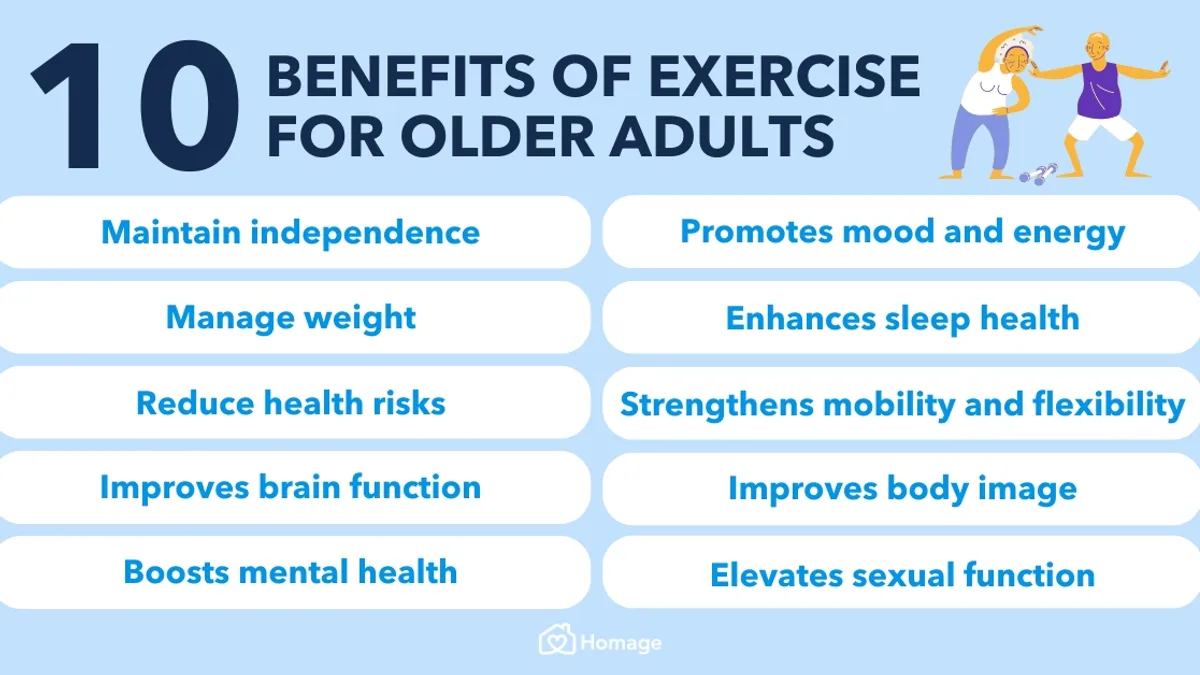
Regular exercise is crucial for maintaining energy and vitality as you age. It not only helps you stay physically fit, but it also strengthens your immune system and improves your overall well-being. When choosing a suitable exercise routine, it’s important to consider your fitness level and any pre-existing medical conditions. Start with activities that you enjoy and that align with your abilities.
Choose a suitable exercise routine
To maintain energy and vitality, it’s important to choose a suitable exercise routine that you can stick to. This could include a combination of different types of exercises such as cardiovascular exercises, strength training, flexibility exercises, and balance exercises. A well-rounded routine will help you maintain a healthy weight, improve cardiovascular health, build muscle strength, and enhance flexibility and balance.
Engage in aerobic exercises
Aerobic exercises, also known as cardiovascular exercises, are essential for boosting your energy levels and overall health. Activities such as walking, swimming, cycling, or dancing get your heart rate up and increase blood flow, promoting oxygen and nutrient delivery to your muscles and organs. Aim for at least 150 minutes of moderate-intensity aerobic exercise or 75 minutes of vigorous-intensity exercise per week.
Incorporate strength training
Strength training exercises are essential for maintaining muscle mass and bone density as you age. By engaging in activities such as lifting weights, using resistance bands, or doing bodyweight exercises, you can strengthen your muscles, improve your balance, and reduce the risk of falls. Aim for at least two sessions of strength training exercises per week, targeting all major muscle groups.
Include flexibility exercises
Flexibility exercises are important for maintaining joint mobility and preventing muscle stiffness. Activities such as yoga, Pilates, or stretching exercises can help improve your flexibility and range of motion. Dedicate some time each week to stretch major muscle groups, holding each stretch for 10-30 seconds.
Try balance exercises
Balance exercises are particularly beneficial for older adults, as they can help prevent falls and maintain independence. Simple activities such as standing on one leg, walking heel-to-toe, or yoga poses like tree pose can improve your balance and stability. Aim for two to three sessions of balance exercises per week.
Healthy diet
A healthy diet plays a crucial role in maintaining energy and vitality as you age. By nourishing your body with the right nutrients, you can support your overall well-being and reduce the risk of chronic diseases. Here are some key principles to keep in mind when it comes to your diet.
Consume a variety of fruits and vegetables
Fruits and vegetables are rich in vitamins, minerals, antioxidants, and fiber, making them essential for maintaining energy and vitality. Aim to include a variety of colorful fruits and vegetables in your meals, as different foods provide different nutrients. Try to have at least five servings of fruits and vegetables each day.
Include whole grains in your meals
Whole grains, such as whole-grain bread, brown rice, quinoa, and oats, are a great source of complex carbohydrates and fiber. They provide sustained energy and promote good digestive health. Replace refined grains with whole grains whenever possible to benefit from their nutritional value and health benefits.
Opt for lean sources of protein
Protein is essential for maintaining muscle strength and supporting various bodily functions. Choose lean sources of protein such as skinless poultry, fish, beans, lentils, low-fat dairy products, and tofu. These foods provide high-quality protein without excessive amounts of unhealthy fats.
Limit saturated and trans fats
Saturated and trans fats can increase the risk of heart disease and other chronic conditions. Limit your intake of foods high in saturated fats, such as fatty meats, full-fat dairy products, and fried foods. Avoid foods containing trans fats, such as packaged snacks and baked goods. Instead, opt for healthier fats like those found in nuts, seeds, avocados, and olive oil.
Stay hydrated
Proper hydration is vital for maintaining energy levels and supporting the overall functioning of your body. Aim to drink at least eight glasses of water per day and more when engaging in physical activity. You can also stay hydrated by consuming water-rich foods such as fruits, vegetables, and soups.
Adequate sleep
Getting enough sleep is essential for maintaining energy and vitality. It allows your body to rest, repair, and recharge, ensuring optimal physical and mental functioning. Here are some tips to help you achieve adequate restful sleep.
Maintain a regular sleep schedule
Establish a regular sleep schedule by going to bed and waking up at the same time every day, including weekends. This helps regulate your body’s internal clock, making it easier to fall asleep and wake up feeling refreshed.
Create a comfortable sleep environment
Your sleeping environment plays a significant role in the quality of your sleep. Ensure your bedroom is dark, quiet, and at a comfortable temperature. Invest in a comfortable mattress, pillows, and bedding to create a cozy atmosphere that promotes restful sleep.
Limit daytime napping
While a short power nap can be refreshing, excessive daytime napping can interfere with your ability to fall asleep at night. Limit your daytime naps to 20-30 minutes, ideally before 3 pm. If you struggle with falling asleep at night, try to eliminate daytime napping altogether.
Avoid caffeine and electronics before bed
Caffeine is a stimulant that can interfere with your sleep. Avoid consuming caffeinated beverages like coffee, tea, and soda in the evening. Additionally, the blue light emitted by electronic devices such as smartphones, tablets, and computers can disrupt your sleep. Limit screen time at least one hour before bed.
Practice relaxation techniques before sleep
Engaging in relaxation techniques before bed can help calm your mind and prepare your body for sleep. Try activities such as deep breathing, progressive muscle relaxation, guided imagery, or gentle stretching. Find a routine that works for you and make it a regular part of your bedtime routine.
Stay socially active
Maintaining social connections is important as you age. It can contribute to your overall sense of well-being and help prevent feelings of loneliness and isolation. Here are some ways to stay socially active.
Engage in social activities and hobbies
Participate in social activities and hobbies that you enjoy. This could include joining a local club or group, taking up a new hobby, or attending community events. By engaging in activities that bring you joy, you can meet like-minded individuals and foster new friendships.
Join clubs or organizations
Consider joining clubs or organizations that align with your interests or hobbies. Whether it’s a book club, a sports team, or a gardening group, these communities provide opportunities to meet new people, share experiences, and create meaningful connections.
Volunteer or participate in community events
Volunteering is a fantastic way to give back to your community while staying socially active. Look for local volunteer opportunities that match your skills and interests. Participating in community events and initiatives can also help you connect with others and create a sense of belonging.
Keep in touch with family and friends
Maintaining relationships with family and friends is essential for emotional well-being. Make an effort to stay connected through phone calls, video chats, or in-person visits. Plan regular get-togethers and outings to strengthen your bonds and create lasting memories.
Explore new interests and make new connections
Embrace new experiences and explore new interests that allow you to interact with others. Whether it’s joining a class, attending workshops or seminars, or traveling, stepping outside of your comfort zone can lead to exciting opportunities to meet new people and expand your social network.
Manage stress
Managing stress is essential for maintaining energy and vitality in older age. Chronic stress can negatively impact your physical and mental health, so it’s important to develop strategies to cope with stress effectively.
Identify stressors and address them
Take the time to identify the sources of stress in your life. By recognizing your stressors, you can develop strategies to address them or minimize their impact. This might involve setting boundaries, delegating tasks, or seeking support from others.
Practice relaxation techniques
Engage in relaxation techniques to reduce stress and promote a sense of calm. Deep breathing exercises, meditation, tai chi, and yoga are effective techniques that can help you relax both your body and mind. Find a relaxation practice that resonates with you and incorporate it into your daily routine.
Engage in mindfulness and meditation
Practice mindfulness and meditation to cultivate a greater sense of awareness and presence. By focusing on the present moment and letting go of worries about the future or regrets about the past, you can reduce stress and improve overall well-being. Consider joining a mindfulness or meditation group for guidance and support.
Seek emotional support
Don’t hesitate to seek emotional support when you need it. Whether it’s talking to a trusted friend or family member, joining a support group, or seeking professional counseling, having a support system can provide valuable guidance, perspective, and comfort during challenging times.
Create a stress-free environment
Create a stress-free environment at home by decluttering, organizing, and creating spaces that promote relaxation. Utilize calming colors, incorporate plants, and establish a peaceful atmosphere that helps you unwind. Engage in activities that bring you joy and give yourself permission to prioritize self-care.
Regular health check-ups
Regular health check-ups are essential for maintaining your well-being and detecting any potential health issues early on. Here are some key benefits of regular check-ups and what you need to consider.
Visit your healthcare provider regularly
Schedule regular visits with your healthcare provider, even if you feel healthy. These check-ups are opportunities to discuss any concerns, review your medical history, and receive preventive screenings and vaccinations. Your healthcare provider can also provide guidance on maintaining a healthy lifestyle and managing any chronic conditions.
Monitor and manage chronic conditions
If you have any chronic conditions, it’s crucial to monitor and manage them effectively. Stay informed about your condition, adhere to your treatment plan, and discuss any changes or concerns with your healthcare provider. Managing chronic conditions can help prevent complications and maintain optimal health.
Receive recommended vaccinations
Vaccinations are an important part of preventive healthcare, especially as you age. Make sure you are up-to-date with all the recommended vaccinations, including the annual flu vaccine, pneumonia vaccine, and shingles vaccine. Vaccinations can help protect you from serious illnesses and reduce the risk of complications.
Discuss any concerns or symptoms
If you experience any new or persistent symptoms, it’s important to discuss them with your healthcare provider. Don’t dismiss any changes in your health, as they could be early signs of underlying conditions. Your healthcare provider can provide guidance, order necessary tests, and recommend appropriate treatments.
Follow recommended screenings and tests
Regular screenings and tests can help detect potential health issues before they become more serious. These screenings may include blood pressure checks, cholesterol level tests, mammograms, colonoscopies, bone density tests, and prostate exams. Talk to your healthcare provider about the recommended screenings for your age and gender.

Mental stimulation
Keeping your mind active and engaged is important for maintaining energy and vitality as you age. Mental stimulation can improve cognitive function, memory, and overall brain health. Here are some ways to keep your mind sharp.
Keep your mind active with puzzles or games
Engage in activities that challenge your brain and keep your mind active. Solve puzzles, play brain teasers, or indulge in crossword puzzles or Sudoku. These activities stimulate different parts of your brain and can improve cognitive abilities.
Read books or engage in learning activities
Reading books is both entertaining and an excellent way to keep your mind sharp. Choose a variety of genres and topics to broaden your knowledge and stimulate your imagination. Additionally, consider taking up learning activities such as learning a new language, taking online courses, or attending lectures.
Learn a new skill or language
Learning new skills or languages keeps your brain engaged and enhances your cognitive abilities. It can be anything from painting, playing a musical instrument, or mastering a new technology. Learning stimulates new neural connections and promotes brain health.
Engage in creative hobbies
Creative hobbies such as painting, drawing, writing, or playing a musical instrument allow you to express yourself and engage in activities that foster mental stimulation. These activities can boost creativity, improve concentration, and reduce stress levels.
Challenge yourself intellectually
Continuously challenging yourself intellectually is important for maintaining mental agility. Engage in activities that push your boundaries and require problem-solving, critical thinking, and decision-making, such as participating in debates, solving complex puzzles, or engaging in intellectual discussions.
Maintain a positive mindset
Maintaining a positive mindset is crucial for maintaining energy and vitality in older age. Positivity contributes to overall well-being, resilience, and the ability to cope with challenges. Here’s how you can cultivate a positive mindset.
Practice gratitude and positive affirmations
Start each day with gratitude by acknowledging the things you are thankful for. Reflect on positive aspects of your life and focus on the good. Incorporate positive affirmations into your daily routine to reinforce positive beliefs and outlooks.
Surround yourself with positive influences
Surround yourself with positive influences, including supportive friends and family members. Limit exposure to negative or toxic individuals who drain your energy and bring you down. Surrounding yourself with positivity and kindness can significantly impact your well-being.
Focus on the present and future
Instead of dwelling on the past or worrying about the future, focus on the present moment. Engage in mindfulness practices to cultivate awareness and appreciation for the present. Set realistic goals and look forward to the future with optimism and excitement.
Engage in activities that bring joy
Make time for activities that bring you joy and provide a sense of fulfillment. Engaging in hobbies, spending time in nature, or pursuing creative endeavors can uplift your spirits and infuse your life with positivity.
Avoid negative self-talk
Challenge negative self-talk and replace it with positive and empowering thoughts. Practice self-compassion and embrace self-care practices that promote self-love and acceptance. Surround yourself with positive self-affirmations that remind you of your worth and capabilities.

Stay mentally and emotionally connected
Maintaining healthy relationships and emotional connections is crucial for overall well-being and vitality. Here’s how you can foster connections with others.
Maintain healthy relationships
Nurture your relationships with family members, friends, and loved ones. Invest time and effort in building and maintaining strong bonds, as healthy relationships provide support, love, and companionship. Communicate openly, show empathy, and express appreciation for the important people in your life.
Express your thoughts and feelings
Be open and authentic in expressing your thoughts, feelings, and emotions. Effective communication can foster understanding and strengthen emotional connections. Share your joys, concerns, and challenges with your loved ones. It’s important to feel heard and understood.
Seek support when needed
Don’t hesitate to reach out for support when you need it. Whether it’s seeking advice, assistance, or a listening ear, surrounding yourself with support systems is crucial. Join support groups, seek professional counseling if necessary, or enlist the help of trusted friends and family members.
Engage in emotional self-care
Take care of your emotional well-being by engaging in activities that promote self-care. This could include practicing relaxation techniques, journaling, engaging in creative outlets, or pursuing activities that bring you joy and peace of mind. Prioritize self-care as an essential part of maintaining emotional connections.
Connect with others through social media
While face-to-face interactions are essential, social media can also serve as a platform for connecting with others. Engage in online communities, join groups with shared interests, and interact with others in a positive and meaningful way. Social media can be a powerful tool for fostering connections, especially when in-person interactions may be limited.
Maintain an active lifestyle
Maintaining an active lifestyle is key to maintaining energy and vitality in older age. Here are some ways to incorporate physical activity into your daily routine.
Stay physically active
Engage in regular physical activity to maintain energy levels and overall health. This could include walking, cycling, swimming, dancing, or participating in exercise classes. Aim for at least 30 minutes of moderate-intensity aerobic activity most days of the week.
Engage in hobbies and interests
Incorporate your hobbies and interests into your daily routine. Whether it’s gardening, golfing, or playing a musical instrument, dedicating time to activities you enjoy helps you stay physically active and mentally stimulated.
Travel and explore new places
Embrace travel and exploration as a way to stay active and experience new things. Plan trips to different destinations, visit museums, or go hiking in nature. Traveling not only keeps you physically active but also enriches your life with new experiences and perspectives.
Participate in recreational activities
Participate in recreational activities that bring you joy and allow you to stay active. This could include team sports, dancing classes, or joining a local fitness group. Find activities that align with your interests and keep you motivated.
Embrace new experiences and challenges
Continuously seek out new experiences and challenges that push your boundaries and keep you active. Try new sports, take up a new hobby, or embark on adventures that excite and inspire you. Embracing new experiences helps you stay mentally and physically engaged in life.
By incorporating these popular ways to maintain energy and vitality into your daily routine, you can enjoy a fulfilling and vibrant life as you age. Remember to listen to your body, respect your limitations, and make gradual changes that align with your personal circumstances. It’s never too late to prioritize your health and well-being, and with commitment and perseverance, you can live a life full of energy, vitality, and happiness.