
Are you a woman who wants to prioritize her health? Then you need to be aware of the must-have health screenings specifically designed for women. These screenings are essential for preventing and detecting potential health issues at an early stage. By staying on top of your health with regular screenings, you can take proactive steps to maintain your well-being and live a long, fulfilling life. From mammograms and Pap smears to bone density tests, this article will provide you with an overview of the important health screenings every woman should consider.
Breast Cancer Screening
Breast cancer is one of the most common types of cancer that affects women. Detecting breast cancer early can significantly improve the chances of successful treatment. That’s why regular breast cancer screenings are essential for every woman. There are several screening methods available, including mammograms, clinical breast exams, and breast self-exams.
Mammogram
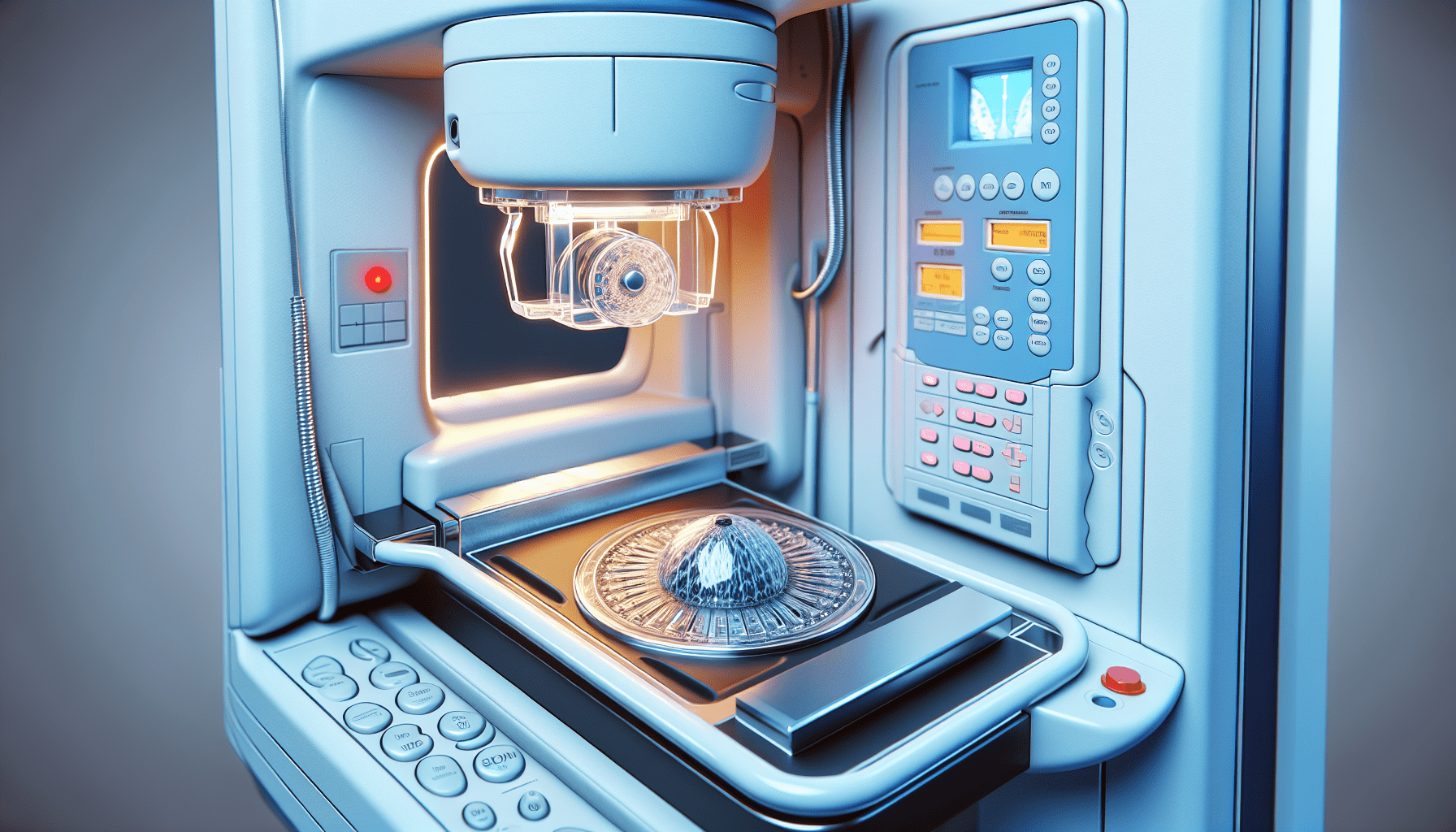
A mammogram is a special type of X-ray that can detect breast cancer even before any symptoms are noticeable. It involves compressing the breast between two plates and taking images from different angles. Mammograms are usually recommended for women aged 40 and above, but your doctor may suggest starting them earlier if you have certain risk factors.
Clinical Breast Exam
During a clinical breast exam, a healthcare professional will manually examine your breasts for any abnormalities or changes in texture or shape. This exam allows for a thorough evaluation of your breast health and can help detect any suspicious lumps or masses. It is typically recommended to have a clinical breast exam every one to three years, starting in your 20s.
Breast Self-Exam
Performing regular breast self-exams is an essential part of breast cancer screening. By familiarizing yourself with the normal look and feel of your breasts, you can quickly notice any changes or abnormalities. While breast self-exams cannot replace mammograms or clinical breast exams, they are a helpful way to stay vigilant and aware of any potential issues. Your healthcare provider can guide you on how to perform a breast self-exam correctly.
Cervical Cancer Screening
Cervical cancer is another common type of cancer that affects women, but it is highly preventable with regular screenings. Regularly undergoing cervical cancer screenings can detect precancerous cells or early-stage cancer, allowing for timely treatment. The two main screening methods for cervical cancer are the Pap smear and the HPV test.
Pap Smear
A Pap smear, also known as a Pap test, involves collecting cells from the cervix to examine them for any abnormal changes. It is a standard screening method for cervical cancer and can also detect other vaginal infections or abnormalities. The recommended age to start Pap smears varies, but it is generally recommended to begin at age 21 and undergo them every three years.
HPV Test
The human papillomavirus (HPV) is a sexually transmitted infection that can lead to cervical cancer. The HPV test checks for the presence of the virus in cervical cells. This test is often performed in conjunction with a Pap smear, especially for women aged 30 and above. If both the Pap smear and HPV test results are normal, the screening interval can be extended to every five years.
Ovarian Cancer Screening
Ovarian cancer is often referred to as the “silent killer” because it is challenging to detect in its early stages. However, there are screening methods available that can increase the chances of early detection. The two main screening methods for ovarian cancer are transvaginal ultrasound and the CA-125 blood test.
Transvaginal Ultrasound
This screening method involves using an ultrasound probe inserted into the vagina to examine the ovaries. It can help detect any abnormal growths or cysts in the ovaries. Transvaginal ultrasounds are commonly recommended for women at high risk of ovarian cancer or those with concerning symptoms, such as persistent bloating or pelvic pain.
CA-125 Blood Test
The CA-125 blood test measures the levels of a specific protein called CA-125 in your blood. Elevated levels of CA-125 may indicate the presence of ovarian cancer, although it is not a definitive diagnostic tool. This test is recommended for women with a high risk of ovarian cancer or those displaying symptoms associated with the disease.
Colon Cancer Screening
Colon cancer, or colorectal cancer, is another serious health concern for women. Regular colon cancer screenings can help detect precancerous polyps or early-stage cancer, improving the chances of successful treatment. The two primary screening methods for colon cancer are colonoscopy and the fecal occult blood test.
Colonoscopy
A colonoscopy is a procedure that allows a doctor to examine the inside of your colon (large intestine) for any abnormalities or signs of cancer. It involves using a long, flexible tube with a camera to visualize the colon. Colonoscopies are recommended for women aged 50 and above, and the frequency depends on individual factors and previous results.
Fecal Occult Blood Test
The fecal occult blood test, also known as the stool test, is a non-invasive screening method for colon cancer. It checks for the presence of blood in the stool, which can be an early sign of colorectal cancer. This test is generally recommended annually, as it can help detect small amounts of blood that may not be visible to the naked eye.
Osteoporosis Screening
Osteoporosis is a condition characterized by the loss of bone density, making bones more prone to fractures. It primarily affects women, especially after menopause. Early detection through osteoporosis screenings can help prevent fractures and manage the condition effectively. The main screening method for osteoporosis is a bone density test.
Bone Density Test
A bone density test measures the strength and density of your bones, usually focusing on your hip, spine, and wrist. It helps determine the risk of fractures and diagnose osteoporosis. This test is generally recommended for women aged 65 and above, but in some cases, it may be necessary earlier if you have certain risk factors.
High Blood Pressure Screening
High blood pressure, also known as hypertension, is a common health condition that can lead to serious complications if left untreated. Regular blood pressure screenings can help identify any abnormalities and allow for early intervention. The screening for high blood pressure requires measuring your blood pressure using a blood pressure cuff.
Blood Pressure Measurement
Blood pressure is measured by placing a cuff around your upper arm and inflating it to temporarily stop blood flow. The pressure is then released slowly, and the healthcare provider measures your blood pressure using a stethoscope or an electronic device. High blood pressure is defined as a reading of 130/80 mmHg or higher, and depending on the results, further monitoring or treatment may be recommended.
Cholesterol Screening
Cholesterol is a waxy substance found in your blood. High levels of cholesterol can increase the risk of heart disease and stroke. Regular cholesterol screenings can help identify any abnormalities in your cholesterol levels and provide an opportunity for intervention. The main screening method for cholesterol is the lipid profile test.
Lipid Profile Test
A lipid profile test measures the levels of various types of cholesterol and fats in your blood. It includes measuring total cholesterol, LDL (low-density lipoprotein) cholesterol, HDL (high-density lipoprotein) cholesterol, and triglycerides. This test is typically recommended once every five years for women aged 45 and above. If you have certain risk factors, your doctor may suggest more frequent screenings.
Diabetes Screening
Diabetes is a chronic condition that affects how your body processes blood sugar (glucose). Early detection through regular diabetes screenings can help manage the condition effectively and prevent complications. The two main screening methods for diabetes are the fasting blood glucose test and the A1C test.
Fasting Blood Glucose Test
The fasting blood glucose test measures your blood sugar level after fasting for at least eight hours. It helps diagnose diabetes or prediabetes. If your fasting blood glucose level is 126 mg/dL or higher, it indicates diabetes, while a level between 100 and 125 mg/dL suggests prediabetes. This test is typically recommended every three years for women aged 45 and above.
A1C Test
The A1C test provides an average measure of your blood sugar level over the past two to three months. It is commonly used to diagnose diabetes or assess how well it is being managed. An A1C level of 6.5% or higher indicates diabetes. This test is generally recommended every three years for women aged 45 and above.
Thyroid Screening
The thyroid is a small gland in the neck that plays a crucial role in regulating various bodily functions. Thyroid disorders are more common in women, and regular thyroid screenings can help detect any abnormalities and ensure appropriate treatment. The main screening method for thyroid disorders is the thyroid function test.
Thyroid Function Test
A thyroid function test measures the levels of thyroid hormones (T3 and T4) and thyroid-stimulating hormone (TSH) in your blood. Abnormal levels of these hormones can indicate an overactive or underactive thyroid. This test is typically recommended for women aged 35 and above, especially if they have symptoms or risk factors associated with thyroid disorders.
Sexually Transmitted Infection Screening
Sexually transmitted infections (STIs) can have serious health consequences if left untreated, and they can also increase the risk of certain types of cancer. Regular STI screenings can help detect any infections and allow for prompt treatment. The three main STI screenings for women are the HIV test, chlamydia test, and gonorrhea test.
HIV Test
The HIV test determines if you have been infected with the human immunodeficiency virus (HIV). It usually involves a blood or saliva sample and can detect two types of HIV antibodies. Early detection is crucial for managing HIV effectively and preventing its progression to AIDS. The frequency of HIV testing depends on individual risk factors, so it is best to consult with your healthcare provider.
Chlamydia Test
Chlamydia is a common sexually transmitted infection caused by the bacterium Chlamydia trachomatis. It can lead to various complications if left untreated. The chlamydia test involves collecting a sample of cells from the cervix or urine to check for the presence of the bacteria. It is typically recommended annually for sexually active women under the age of 25 or those at higher risk.
Gonorrhea Test
Gonorrhea is another sexually transmitted infection caused by the bacterium Neisseria gonorrhoeae. It can lead to serious health complications if untreated. The gonorrhea test involves collecting a sample of cells from the cervix, anus, throat, or urine to detect the presence of the bacteria. This test is recommended for sexually active women at higher risk or those displaying symptoms.
Regular health screenings are crucial for women to ensure early detection and intervention for various health conditions. Remember to consult with your healthcare provider to determine the appropriate screening schedule based on your age, medical history, and individual risk factors. By staying proactive and taking care of your health, you can live a long and healthy life.