
PCOS, or Polycystic Ovary Syndrome, is a common hormonal disorder that affects women of reproductive age. Dealing with symptoms such as irregular periods, weight gain, and fertility issues can be challenging, but fear not! In this article, we’ll guide you through some helpful tips and strategies to navigate PCOS and prioritize your well-being. From adopting a healthy lifestyle to managing stress and seeking support, we’ll empower you with the knowledge and tools to thrive with PCOS. So grab a cup of tea, sit back, and let’s dive into the world of PCOS well-being!
1. Understanding PCOS
What is PCOS?
Polycystic ovary syndrome (PCOS) is a common hormonal disorder that affects many women of reproductive age. It is characterized by a hormonal imbalance and can lead to various symptoms and complications. Women with PCOS may have enlarged ovaries with small cysts, hence the name “polycystic.”
Causes of PCOS
The exact cause of PCOS is still unknown, but it is believed to be influenced by a combination of genetic and environmental factors. One of the key factors is insulin resistance, where the body’s cells do not respond properly to insulin, leading to increased insulin production. This excess insulin stimulates the ovaries to produce more androgen hormones, such as testosterone, which can disrupt the menstrual cycle and lead to the development of cysts.
Symptoms of PCOS
PCOS can manifest in various symptoms, and the severity may vary from woman to woman. Some common symptoms include irregular or absent periods, excessive hair growth (hirsutism), acne, weight gain, and fertility issues. It is important to note that not all women with PCOS experience all of these symptoms, and some may even have no outward signs of the condition. Therefore, it is essential to consult with a healthcare professional for a proper diagnosis.
2. Diagnosis and Medical Treatment
The importance of diagnosis
Diagnosing PCOS is crucial to manage the condition effectively and prevent potential complications. A healthcare professional will typically perform a physical examination, review medical history, and conduct certain tests, such as blood tests to measure hormone levels, an ultrasound to examine the ovaries, and a glucose tolerance test to assess insulin resistance. Early diagnosis allows for timely intervention and helps in formulating an appropriate treatment plan.
Common medical treatments for PCOS
Medical treatments for PCOS aim to address underlying hormonal imbalances and manage specific symptoms. Hormonal birth control pills can help regulate menstrual cycles, reduce androgen levels, and improve acne and hirsutism. In cases of fertility issues, medications like clomiphene may be prescribed to induce ovulation. Additionally, anti-androgen medications can help control excessive hair growth and acne. It is important to consult with a healthcare professional to determine the most suitable treatment approach based on individual needs and goals.
Alternative and complementary therapies
In addition to medical treatments, some women with PCOS may explore alternative or complementary therapies to manage their symptoms. These may include acupuncture, herbal supplements, or dietary modifications. While some individuals may find these therapies beneficial, it is crucial to consult with a qualified healthcare professional before commencing any alternative therapies, as their effectiveness and safety may vary.
3. Managing PCOS through Lifestyle Changes
Importance of a healthy diet
A healthy diet plays a vital role in managing PCOS symptoms and promoting overall well-being. Women with PCOS may benefit from adopting a balanced diet that includes a variety of fruits, vegetables, whole grains, lean proteins, and healthy fats. Additionally, focusing on foods with a low glycemic index can help regulate blood sugar levels and improve insulin sensitivity. It is also important to limit processed foods, sugar, and refined carbohydrates, as these may contribute to insulin resistance and weight gain.
Exercise and PCOS
Regular physical activity is highly recommended for women with PCOS. Exercise not only assists in weight management but also helps improve insulin sensitivity and regulate hormone levels. Engaging in activities such as cardio exercises, strength training, and yoga can have significant benefits for women with PCOS. Starting with moderate exercise and gradually increasing intensity and duration is recommended. Consulting with a healthcare professional or a certified fitness trainer can help create a personalized exercise plan.
Stress management techniques
Managing stress levels is important for women with PCOS as stress can exacerbate symptoms and disrupt hormone balance. Incorporating stress management techniques such as mindfulness meditation, deep breathing exercises, yoga, or engaging in hobbies and activities that bring joy and relaxation can be beneficial. Prioritizing self-care and finding healthy coping mechanisms can help reduce stress and promote overall well-being.
4. Fertility and PCOS
Impact of PCOS on fertility
PCOS can have a significant impact on fertility due to irregular or absent ovulation. The hormonal imbalances caused by PCOS can interfere with the normal development of eggs, making it more challenging to conceive. However, with proper management and lifestyle modifications, many women with PCOS can conceive and have healthy pregnancies. It is important to seek guidance from a healthcare professional who specializes in reproductive health to explore available options and fertility treatments.
Fertility treatments for women with PCOS
For women struggling with fertility due to PCOS, fertility treatments can be a viable option. These may include medications to induce ovulation, such as clomiphene or letrozole. In some cases, assisted reproductive technologies (ART) like in vitro fertilization (IVF) may be recommended. Fertility specialists can provide personalized guidance and support based on specific needs and goals.
Emotional support during fertility journey
The fertility journey can be emotionally challenging for women with PCOS. It is essential to seek emotional support from loved ones, friends, or join support groups where others can relate to similar experiences. Sharing feelings and concerns, and connecting with individuals who have gone through similar circumstances can provide a sense of community and comfort. Additionally, seeking counseling or therapy from mental health professionals who specialize in reproductive health can be invaluable in navigating the emotional aspects of fertility treatment.
5. Mental and Emotional Well-being
Dealing with anxiety and depression
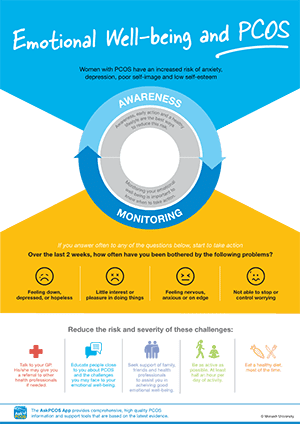
Women with PCOS may be at a higher risk of experiencing anxiety and depression. The hormonal imbalances, physical symptoms, and challenges associated with PCOS can contribute to emotional distress. It is important to recognize and address these feelings. Openly communicating with healthcare professionals, loved ones, or seeking therapy can help manage anxiety and depression. Additionally, implementing stress management techniques and engaging in activities that promote emotional well-being can have a positive impact.
Building a strong support system
Building a strong support system is crucial for women with PCOS. Surrounding yourself with understanding and supportive friends, family, or joining PCOS support groups can create a sense of belonging and provide emotional support. Sharing experiences, seeking advice, and connecting with others who understand the challenges of PCOS can be empowering. Online forums and social media platforms can also serve as helpful platforms to connect with a broader PCOS community.
Seeking professional help
In some cases, seeking professional help from mental health professionals may be necessary to address and manage mental and emotional well-being. Therapists or counselors with experience in working with women with PCOS can provide guidance, coping strategies, and support tailored to individual needs. Seeking professional help is a courageous step towards prioritizing mental and emotional well-being and should be considered without hesitation.
6. Managing Hormonal Imbalance
Understanding hormone levels in PCOS
PCOS is characterized by hormonal imbalances, most notably an increase in androgen hormones such as testosterone. Hormone levels, including luteinizing hormone (LH), follicle-stimulating hormone (FSH), and estrogen, may be assessed through blood tests to evaluate the overall hormonal profile. Understanding hormone levels can help healthcare professionals determine the most appropriate treatment approach and assist in managing symptoms effectively.
Managing insulin resistance
Insulin resistance is a common feature of PCOS and can contribute to hormonal imbalances. Lifestyle modifications, such as adopting a balanced diet and engaging in regular exercise, are essential in managing insulin resistance. Additionally, medications such as metformin may be prescribed to improve insulin sensitivity. It is important to work closely with a healthcare professional to develop an individualized plan for managing insulin resistance and overall hormonal balance.
Natural remedies for hormonal balance
Some women with PCOS may explore natural remedies to support hormonal balance. Certain herbal supplements, such as chasteberry, evening primrose oil, and saw palmetto, have been studied for their potential effects on hormone regulation. However, it is crucial to consult with a healthcare professional before incorporating any natural remedies, as they can interact with medications or have unintended side effects. A healthcare professional can provide guidance on the safety and effectiveness of natural remedies specific to individual circumstances.
7. Skin and Hair Care with PCOS
Common skin conditions related to PCOS
PCOS can contribute to various skin conditions due to hormonal imbalances. Acne is a common symptom, often occurring due to increased androgen hormones. Women with PCOS may also experience excessive hair growth (hirsutism), particularly in areas such as the face, chest, and back. Additionally, PCOS can be associated with skin tags, darkening of the skin (acanthosis nigricans), and skin disorders like acanthosis nigricans and hidradenitis suppurativa. Proper management and regular skincare routines can help address these skin-related concerns.
Tips for managing acne and excess hair growth
Managing acne and excess hair growth can be challenging for women with PCOS. Skincare routines that involve gentle cleansing, exfoliation, and using non-comedogenic products can help manage acne-prone skin. Over-the-counter or prescription medications, such as topical creams or oral antibiotics, may also be recommended by a dermatologist. Addressing excess hair growth may involve options like laser hair removal, waxing, or prescription medications designed to slow hair growth. It is necessary to consult with healthcare professionals, such as dermatologists or endocrinologists, for personalized treatment plans.
Hair care routine for PCOS
Hair care routines can be vital in managing the effects of PCOS on hair health. Using gentle shampoos and conditioners, avoiding excessive heat styling, and reducing chemical treatments can help maintain the health of the hair. Additionally, incorporating nourishing hair masks, avoiding tight hairstyles that can cause hair breakage, and protecting the hair from harsh environmental factors can promote overall hair health. Consulting with a hairstylist or trichologist can provide personalized recommendations based on specific hair concerns.
8. PCOS and Weight Management
The connection between PCOS and weight
Women with PCOS often find it challenging to manage their weight due to hormonal imbalances and insulin resistance. Excessive weight gain or difficulty losing weight can further exacerbate PCOS symptoms. It is essential to prioritize healthy weight management methods to improve overall well-being and reduce the risk of complications associated with PCOS, such as cardiovascular diseases and type 2 diabetes.
Healthy weight loss tips for women with PCOS
Healthy weight loss for women with PCOS involves a balanced approach that combines a nutritious diet, regular exercise, and lifestyle modifications. Incorporating a diet rich in whole foods, lean proteins, fruits, vegetables, and whole grains can support weight loss goals. It is crucial to focus on portion control, mindful eating, and avoiding crash diets or restrictive eating patterns. Engaging in regular physical activity, including both cardiovascular exercises and strength training, can aid in weight loss and improve insulin sensitivity.
Maintaining a healthy weight long-term
Maintaining a healthy weight long-term is a sustainable approach for managing PCOS. It is important to adopt lifestyle changes that promote overall well-being rather than focusing solely on weight loss. Incorporating healthy habits, such as regular physical activity, mindful eating, stress management techniques, and ensuring adequate sleep, can contribute to maintaining a healthy weight. Additionally, regular monitoring with healthcare professionals and seeking support from registered dieticians or nutritionists can provide ongoing guidance on maintaining optimal weight management practices.
9. Regular Check-ups and Self-care
The importance of regular check-ups
Regular check-ups are essential for women with PCOS to monitor their overall health and assess the effectiveness of management strategies. Healthcare professionals can review any changes in symptoms, adjust treatment plans if needed, and screen for potential complications, such as high blood pressure, diabetes, or high cholesterol. Routine check-ups provide an opportunity to address any concerns, receive guidance on lifestyle modifications, and ensure optimal well-being.
Self-care practices for women with PCOS
Implementing self-care practices is crucial for managing PCOS and promoting well-being. Self-care involves prioritizing activities and practices that nurture physical, mental, and emotional health. This may include engaging in hobbies, practicing mindfulness or meditation, maintaining a consistent sleep schedule, and ensuring adequate rest. Setting realistic goals, managing stress levels, and finding ways to relax and recharge are all integral aspects of self-care that contribute to overall well-being.
Monitoring symptoms and seeking help
Monitoring symptoms and seeking help when needed is important for women with PCOS. Paying attention to any changes in menstrual cycles, fluctuations in weight, mood disturbances, or other symptoms can help identify any potential concerns. It is recommended to maintain open communication with healthcare professionals, promptly report any significant changes or new symptoms, and seek guidance or treatment to address them effectively. Regular monitoring and proactive management can contribute to better outcomes and overall quality of life.
10. Building a Supportive Community
Joining PCOS support groups
Joining PCOS support groups can provide a sense of community, camaraderie, and emotional support. These groups often offer platforms for sharing experiences, seeking advice, and gaining knowledge from others who have firsthand experience with PCOS. Online forums, social media groups, or in-person support groups in local communities can serve as valuable resources for connecting with others and building supportive relationships.
Educating friends and family about PCOS
Educating friends and family about PCOS is crucial as it helps create awareness and understanding. PCOS can be an invisible condition, making it challenging for others to comprehend the physical and emotional challenges it entails. Sharing information, providing resources, and explaining how PCOS affects daily life can help loved ones offer support and empathy.
Advocating for PCOS awareness
Advocating for PCOS awareness can help bring attention to the condition and promote research, resources, and support for affected individuals. Getting involved in local or national advocacy efforts, sharing personal stories, or participating in awareness campaigns can contribute to a larger movement of creating change and improving the lives of women with PCOS. By spreading awareness and educating others, we can work towards a society that is more inclusive and understanding of those living with PCOS.
In conclusion, navigating PCOS requires a multifaceted approach that encompasses understanding the condition, seeking medical diagnosis and treatment, adopting lifestyle changes, and prioritizing mental, emotional, and physical well-being. With the right support, resources, and information, women with PCOS can take control of their health and live fulfilling lives. If you suspect you may have PCOS or are experiencing related symptoms, it is essential to consult with a healthcare professional who can guide you on your journey towards managing and thriving with PCOS. Remember, you are not alone, and there are resources available to support you every step of the way.