
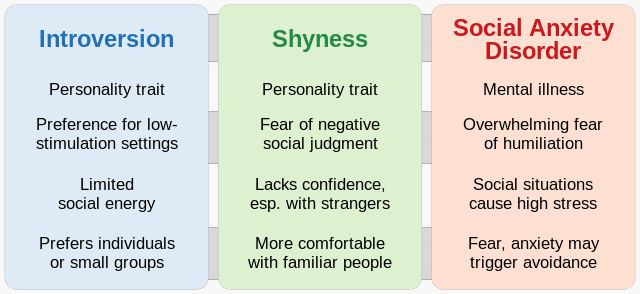
Do you find yourself dreading social interactions and constantly worrying about what others may think of you? If so, you might be familiar with the challenges of social anxiety. It can be overwhelming to navigate through the daily struggles of feeling judged or being unable to express yourself freely in social settings. In this article, we will explore some effective strategies and techniques to help you overcome these challenges and regain your confidence in social situations. Let’s embark on this journey together and discover a world where socializing becomes an opportunity for growth and connection.
Understanding Social Anxiety
Definition of social anxiety
Social anxiety, also known as social phobia, is a mental health disorder characterized by an intense fear of being judged, humiliated, or embarrassed in social situations. It can significantly impact a person’s ability to engage in everyday activities and form meaningful connections with others. Individuals with social anxiety often experience overwhelming anxiety and self-consciousness when facing situations such as public speaking, meeting new people, or even participating in casual conversations.
Causes and triggers of social anxiety
The causes of social anxiety can be complex and multifaceted. While there is no single cause, social anxiety often develops as a result of a combination of genetic, environmental, and psychological factors. Some individuals may have a genetic predisposition to anxiety disorders, including social anxiety. Traumatic experiences such as bullying, humiliation, or embarrassing situations in the past can also contribute to the development of social anxiety. Additionally, certain personality traits, such as being highly self-critical or having low self-esteem, can make a person more vulnerable to social anxiety.
Triggers for social anxiety can vary from person to person, but common triggers include situations that involve a fear of negative evaluation or judgment from others. This can include speaking in public, attending parties or social gatherings, dating, or even everyday tasks such as making phone calls or eating in public. These triggers can lead to anticipatory anxiety, where individuals may experience intense fear and worry in anticipation of upcoming social situations, often causing them to avoid or excessively prepare for these situations.
Common symptoms of social anxiety
Social anxiety can manifest in various physical, emotional, and cognitive symptoms, which can significantly impact an individual’s well-being and quality of life. Physical symptoms may include rapid heartbeat, sweating, shaking, blushing, nausea, and difficulty breathing. Emotional symptoms can include intense fear, dread, embarrassment, or a persistent worry about being negatively evaluated by others. Cognitively, individuals with social anxiety may experience negative self-talk, excessive self-consciousness, and a distorted perception of how others perceive them.
Seeking Professional Help
Individual therapy options
Individual therapy, such as cognitive-behavioral therapy (CBT), is one of the most effective treatment options for social anxiety. In therapy, you work one-on-one with a licensed therapist who specializes in anxiety disorders. The therapist helps you identify and challenge negative thought patterns, develop coping strategies, and gradually expose yourself to feared social situations. By addressing the underlying beliefs and behaviors that contribute to social anxiety, individual therapy can help you gain confidence and improve your overall well-being.
Group therapy and support groups
Group therapy and support groups can also be beneficial for individuals with social anxiety. These settings provide a safe and supportive environment where you can interact with others who share similar struggles. Group therapy allows you to practice social skills, receive feedback, and learn from the experiences of others. Support groups provide a sense of belonging, reduce feelings of isolation, and offer a platform to share your challenges and successes. Connecting with others who understand social anxiety can be empowering and help you realize that you are not alone in your journey.
Medication for social anxiety
In some cases, medication may be prescribed by a qualified healthcare professional to alleviate the symptoms of social anxiety. Certain antidepressant medications, such as selective serotonin reuptake inhibitors (SSRIs), can help reduce anxiety and improve mood. Benzodiazepines may also be prescribed on a short-term basis to manage acute anxiety symptoms. It’s important to work closely with a healthcare provider to determine the most appropriate medication and dosage for your specific needs. Medication alone is not usually sufficient in treating social anxiety and is often combined with therapy for optimal results.
Practicing Self-Care
Importance of self-care for managing social anxiety
Self-care plays a crucial role in managing social anxiety by promoting overall well-being and reducing stress levels. Taking care of yourself physically, mentally, and emotionally is vital for building resilience, improving self-esteem, and reducing anxiety symptoms. Engaging in self-care practices helps you recharge, nurture yourself, and develop a sense of self-worth. By prioritizing self-care, you create a solid foundation for managing social anxiety and maintaining a more balanced and fulfilling life.
Physical self-care practices
Physical self-care involves prioritizing activities that support your physical well-being. Engaging in regular exercise, eating a nutritious diet, getting enough sleep, and practicing relaxation techniques like yoga or mindfulness can help regulate your physical and emotional responses to stress. Physical activity releases endorphins, known as the “feel-good” hormones, which can improve mood and reduce anxiety. Ensuring you meet your basic physical needs sets the stage for managing social anxiety effectively.
Mental and emotional self-care strategies
Mental and emotional self-care is vital for managing social anxiety as it helps cultivate a positive mindset and build emotional resilience. Engaging in activities such as journaling, meditation, or practicing gratitude can promote self-reflection and a greater sense of self-awareness. Taking breaks from social media, setting boundaries with technology, and pursuing hobbies or interests that bring joy and fulfillment can also contribute to emotional well-being. It’s essential to be compassionate with yourself, acknowledge your accomplishments, and practice self-acceptance while navigating the challenges of social anxiety.
Cognitive Behavioral Therapy Techniques
Identifying negative thoughts and cognitive distortions
Cognitive Behavioral Therapy (CBT) employs various techniques to help individuals with social anxiety identify and challenge negative thoughts and cognitive distortions. Cognitive distortions are automatic thought patterns that are not based on reality and often contribute to anxiety and self-doubt. By learning to recognize these distortions, such as catastrophizing or overgeneralizing, you can regain control over your thoughts and reduce anxiety levels.
Challenge and reframe negative thoughts
Once you have identified negative thoughts, it is important to challenge and reframe them. CBT encourages you to objectively examine the evidence for and against these thoughts, replacing them with more realistic and balanced alternatives. For example, if you have the thought, “Everyone will think I’m stupid if I speak up in a meeting,” you can challenge this by considering times when you have spoken up successfully or when others have appreciated your input. Reframing negative thoughts helps shift your perspective and reduces the anxiety associated with social situations.
Exposure therapy and desensitization
Exposure therapy is a key component of CBT for social anxiety. It involves systematically exposing yourself to situations that trigger anxiety in a gradual and controlled manner. By confronting your fears in a safe and supportive environment, you can learn that the anticipated negative outcomes are unlikely to occur and that you are capable of handling the situation. Over time, exposure therapy helps desensitize you to the feared situations and builds confidence in your ability to cope with social anxiety.
Developing Social Skills
Importance of social skills for managing social anxiety
Building and refining social skills can significantly contribute to managing social anxiety. Social skills encompass effective communication, active listening, assertiveness, and empathy. Developing these skills allows you to navigate social interactions with greater ease, reduce anxiety, and build positive connections with others. By honing your social skills, you can enhance your interpersonal relationships and increase your confidence in social situations.
Effective communication techniques
Effective communication is an essential component of managing social anxiety. Learning how to express yourself clearly, actively listen to others, and engage in meaningful conversations can alleviate anxiety and enhance your interactions. Practice active listening by giving your full attention to the person speaking and responding thoughtfully. Additionally, using assertiveness skills, such as stating your preferences and boundaries while being respectful, helps build confidence and reduces the fear of being judged.
Building social support networks
Developing a strong social support network is crucial for managing social anxiety. Surrounding yourself with understanding and supportive individuals can provide an invaluable source of encouragement and reassurance. Seek out individuals who make you feel accepted and valued, such as close friends, family members, or support groups. Engaging in social activities and joining clubs or organizations that align with your interests can also provide opportunities to meet like-minded individuals and build a supportive network.
Managing Panic Attacks
Recognizing signs of a panic attack
Panic attacks can be distressing experiences that may occur as a result of social anxiety. Recognizing the signs of a panic attack can help you respond effectively and reduce its impact. Common symptoms of a panic attack include heart palpitations, sweating, trembling, shortness of breath, dizziness, and a feeling of impending doom. It’s important to remember that panic attacks are generally short-lived and are not life-threatening, despite feeling intense at the moment.
Deep breathing exercises
Deep breathing exercises are a valuable tool for managing panic attacks. When experiencing heightened anxiety or a panic attack, your breathing may become shallow and rapid, which can exacerbate symptoms. Taking slow, deep breaths can activate the body’s relaxation response and help reduce anxiety. Practice diaphragmatic breathing by inhaling deeply through your nose, allowing your abdomen to rise with each breath, and exhaling slowly through your mouth. Focusing on your breath can help ground you in the present moment and alleviate panic-related symptoms.
Grounding techniques
Grounding techniques can help anchor you in the present moment, reducing the intensity of panic attacks. Engaging your senses can shift your attention away from anxiety-provoking thoughts and into the immediate environment. Try focusing on the sensations of your feet firmly planted on the ground, the texture of an object in your hand, or the sounds and smells around you. Grounding techniques can provide a sense of stability and help you regain control during moments of heightened anxiety.
Building Confidence
Setting realistic goals and celebrating achievements
Setting realistic goals can boost your confidence and provide a roadmap for overcoming social anxiety. Start with small, achievable goals that align with your desired social outcomes. For example, if public speaking is a source of anxiety, begin by speaking in front of a trusted friend or family member and gradually work your way up to larger groups. Celebrate each milestone, no matter how small, to reinforce positive experiences and build confidence in your abilities.
Positive affirmations
Positive affirmations are powerful tools for building confidence and challenging negative self-perceptions. Engage in positive self-talk by repeating affirmations that focus on your strengths, resilience, and ability to face social situations. For example, say to yourself, “I am capable and deserving of positive social interactions,” or “I am confident in expressing myself authentically.” Regularly practicing positive affirmations can shift your mindset and reinforce a more positive self-image.
Gradual exposure to anxiety-provoking situations
Gradual exposure to anxiety-provoking situations is an effective technique for building confidence and reducing social anxiety. Start by engaging in activities that elicit mild anxiety and gradually work your way up to more challenging situations. By breaking down larger tasks into smaller manageable steps, you can gradually desensitize yourself to the feared situations. As you gain confidence and experience success, you will be better equipped to face more anxiety-provoking social situations with ease.
Avoiding Self-Isolation
Understanding the impact of isolation on social anxiety
Isolation can exacerbate social anxiety symptoms and hinder your ability to manage the condition effectively. When you avoid social interactions or isolate yourself due to fear or discomfort, you miss out on opportunities for growth, learning, and connection. Isolation reinforces negative beliefs and decreases self-esteem, making it more challenging to overcome social anxiety. Understanding the negative impact of isolation can motivate you to reach out and engage with others.
Making effort to socialize
Making an effort to socialize is key to managing social anxiety. While it may feel daunting, gradually exposing yourself to social situations and pushing beyond your comfort zone is essential for growth and progress. Start by attending small group events or initiating conversations with individuals you feel comfortable with. As you become more accustomed to socializing, you can gradually expand your social circle and challenge yourself with more diverse social interactions.
Engaging in hobbies and activities
Engaging in hobbies and activities can be a great way to combat social anxiety and promote socialization in a low-pressure environment. Pursue activities that genuinely interest you, as this will attract like-minded individuals and provide a shared interest to bond over. Join clubs, classes, or volunteer organizations to meet new people with similar interests. Engaging in hobbies and activities allows for organic social opportunities and can help alleviate anxiety by focusing on enjoyable shared experiences.
Creating a Supportive Environment
Educating family and friends about social anxiety
Educating your family and friends about social anxiety can increase their understanding and support. Explain the nature of social anxiety, its symptoms, and how it affects your daily life. Providing resources or recommending books or articles about social anxiety can help them gain a deeper understanding of the condition. Encourage open conversations, so they feel comfortable asking questions and offering support. When loved ones are informed, they can be more empathetic and provide a supportive environment for your journey.
Setting boundaries and explaining triggers
Setting boundaries is an essential part of managing social anxiety and ensuring your needs are met. Communicate your limits and explain specific triggers that may worsen anxiety symptoms. Let your loved ones know when you need space or when you feel overwhelmed. Setting and maintaining boundaries allows you to take care of your mental health and prevent the exacerbation of social anxiety. Clear communication fosters a supportive environment that respects your needs and accommodates them.
Encouraging open communication
Encouraging open communication within your social circles creates a supportive environment for managing social anxiety. Let your loved ones know that they can talk to you openly about how social anxiety affects you and ask questions without judgment. Foster an open, non-judgmental atmosphere where you can express your feelings, concerns, and triumphs. When communication flows freely, you build stronger relationships based on trust, compassion, and understanding.
Maintaining Consistency and Patience
Accepting that progress takes time
Managing social anxiety is a journey that requires time and patience. Accept that progress may not happen overnight and that setbacks are a natural part of the process. Understand that overcoming social anxiety involves gradual changes and small steps forward. Celebrate even the smallest victories and remind yourself that each effort you make is a step in the right direction. Stay committed to your healing journey and trust the process, knowing that progress is possible with persistence and patience.
Being consistent with therapy and self-care practices
Consistency is key when it comes to managing social anxiety effectively. Regularly attending therapy sessions and actively participating in treatment is essential for long-term progress. Implement self-care practices consistently to maintain your mental and emotional well-being. Create a self-care routine that aligns with your needs and commit to it, even when you may not feel immediate effects. Consistency in therapy and self-care practices helps establish healthy habits and reinforces your commitment to managing social anxiety.
Remaining patient and kind to oneself
Patience and self-compassion are essential throughout the journey of managing social anxiety. Understand that setbacks and challenges are normal and remind yourself to be patient with your progress. Avoid comparing your journey to others and focus on your individual growth. Treat yourself with kindness and practice self-compassion when faced with difficulties. Remember that managing social anxiety is a process, and it’s important to nurture yourself along the way. Celebrate your accomplishments, no matter how small, and acknowledge the strength it takes to overcome social anxiety.
In summary, navigating the challenges of social anxiety requires a multifaceted approach. By understanding social anxiety, seeking professional help, practicing self-care, utilizing cognitive-behavioral therapy techniques, developing social skills, managing panic attacks, building confidence, avoiding self-isolation, creating a supportive environment, and maintaining consistency and patience, you can effectively manage social anxiety and live a fulfilling life. Remember, you are not alone, and with the right tools and support, you can overcome the obstacles social anxiety presents.