
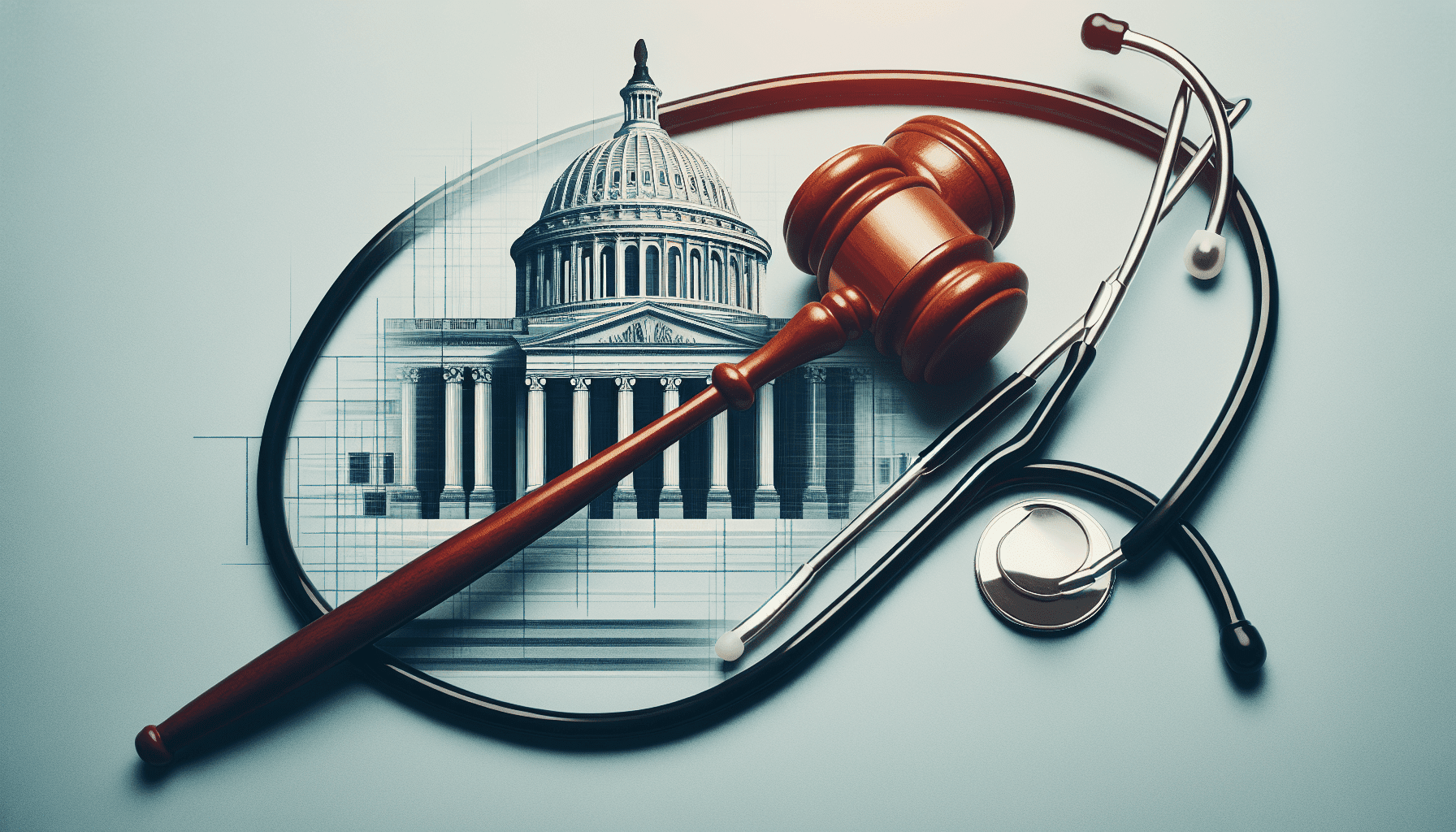
Are you interested in understanding how healthcare policy reform comes to fruition? Look no further! This article will provide you with a comprehensive overview of navigating the legislative process for healthcare policy reform. From the intricate steps involved in introducing a bill to its ultimate passage into law, you will gain a deeper understanding of the complex journey undertaken by policymakers in their quest for healthcare reform. Whether you are a healthcare professional, a concerned citizen, or simply curious about the inner workings of government, this article is your go-to resource for demystifying the legislative process. So, let’s dive in and unveil the fascinating world of healthcare policy reform!
Understanding the Legislative Process
An Overview of the Legislative Process
The legislative process refers to the series of steps involved in creating and passing laws. It is crucial to understand this process as it ensures that policies are thoroughly debated, evaluated, and refined before they become law. The legislative process typically involves thorough research, collaboration with various stakeholders, committee consideration and markup, floor consideration and voting, conference committees and compromise, final passage, implementation, and evaluation.
Difference between State and Federal Legislation
One important distinction in the legislative process is the difference between state and federal legislation. While federal legislation applies to the entire country, state legislation only encompasses specific states. The process for passing state legislation is similar to the federal process but may have slight variations in terms of the specific steps involved. It is important to note that states have their own legislative bodies and processes, allowing for policy decisions that cater to the needs and circumstances of the respective state.
Key Players in the Legislative Process
Several key players are involved in the legislative process, each with a unique role and contribution. The members of the legislative body, such as senators and representatives, are responsible for proposing and introducing bills. These legislators work closely with their staff, who conduct research and analysis to inform policy decisions. Legislative staff also play a vital role in drafting the legislation and coordinating with stakeholders. In addition to legislators and their staff, various committees and subcommittees review and analyze proposed bills, conduct hearings, and make amendments. The executive branch, which includes the president or governor, may play a role in the legislative process by signing or vetoing the legislation. Finally, the general public and interest groups are essential in providing feedback, advocating for specific policies, and influencing the legislative process through their representatives.
Identifying the Need for Healthcare Policy Reform
Current Challenges in the Healthcare System
To understand the need for healthcare policy reform, it is important to first recognize the current challenges in the healthcare system. These challenges may include high healthcare costs, uneven access to quality care, an aging population, increasing chronic diseases, health disparities, and a need for improved healthcare infrastructure. These challenges place a significant burden on individuals, families, and the overall economy, underscoring the necessity for effective policy reform.
Identifying Gaps in Existing Policies
Identifying gaps in existing healthcare policies is crucial to determine the areas that require reform. This involves an in-depth analysis and evaluation of the current policies to understand their limitations and shortcomings. For example, gaps may be evident in terms of coverage for specific populations, affordability of healthcare services and medications, coordination of care, health education and prevention efforts, or the integration of new technologies and innovations into the healthcare system. By identifying these gaps, policymakers can develop more comprehensive and targeted solutions.
Importance of Comprehensive Healthcare Policy
Comprehensive healthcare policy is a crucial component of effective healthcare reform. Healthcare is a complex and interconnected system that requires a holistic approach to address its various challenges. Comprehensive healthcare policy focuses on improving access to care, enhancing quality and safety, controlling costs, promoting prevention and wellness, and addressing social determinants of health. By taking a comprehensive approach, policymakers can ensure that healthcare reform is inclusive, equitable, and responsive to the diverse needs of individuals and communities.
Drafting and Introducing Legislation
Research and Analysis of Existing Policies
Before drafting legislation, rigorous research and analysis of existing policies are necessary. This involves reviewing existing laws, regulations, and initiatives pertaining to the healthcare system. By conducting a comprehensive analysis, policymakers can determine which areas require reform and identify the best practices from other jurisdictions or countries. Research and analysis also involve gathering data on healthcare outcomes, costs, and access to inform evidence-based policy decisions.
Developing Policy Recommendations
Once the research and analysis are complete, policymakers can begin developing policy recommendations. This involves considering various options and alternatives to address the identified gaps and challenges. Policy recommendations may include proposals for expanding healthcare coverage, improving healthcare delivery models, promoting preventive care, enhancing health information technology, or addressing workforce shortages. The development of policy recommendations requires collaboration among legislators, stakeholders, experts, and the public to ensure that diverse perspectives and interests are considered.
Working with Stakeholders to Draft Legislation
Drafting legislation is a collaborative process that involves working closely with stakeholders. Stakeholders may include healthcare providers, insurers, patient advocacy groups, public health organizations, universities, industry representatives, and community organizations. Engaging stakeholders in the legislative process ensures that the proposed legislation reflects the needs and priorities of those directly affected by healthcare policy. Through consultations, feedback sessions, and partnerships, policymakers can incorporate different perspectives and expertise to develop well-rounded and effective legislation.
Introducing the Bill in the Legislative Body
Introducing the bill in the legislative body marks a significant step in the legislative process. A legislator sponsors the bill by presenting it to the appropriate legislative body, such as the House of Representatives or the Senate. The bill is then assigned a number and referred to the relevant committee for further consideration. The introduction of the bill initiates the formal process of evaluating and debating the proposed legislation in a public forum.
Committee Consideration and Markup
Referral to the Appropriate Committee
After the bill is introduced, it is referred to the appropriate committee or subcommittee for consideration. The choice of committee depends on the subject matter of the bill. Committees play a crucial role in the legislative process as they are responsible for reviewing and analyzing the proposed legislation in detail. The members of the committee have expertise in the relevant policy area and conduct hearings to gather additional information and testimony. Referring the bill to the appropriate committee ensures that it receives thorough and specialized consideration.
Committee Hearings and Testimony
Committee hearings provide an opportunity for stakeholders and experts to express their views on the bill and provide testimony. During these hearings, witnesses may include healthcare professionals, patient advocates, industry representatives, researchers, and members of the public. Testimony helps the committee members better understand the potential impact of the legislation and consider different perspectives. Committee hearings are open to the public and often broadcasted, allowing for transparency and increasing public awareness and engagement in the legislative process.
Review and Analysis of the Proposed Legislation
After conducting hearings and gathering testimony, the committee members review and analyze the proposed legislation in detail. This involves examining the bill’s language, objectives, and potential consequences. The committee may consult with legislative staff, legal experts, and other relevant stakeholders to ensure a comprehensive understanding of the proposed legislation. Review and analysis are critical steps in the legislative process as they allow for a thorough examination of the bill’s potential impacts and identification of any necessary amendments.
Markup Sessions and Amendments
Markup sessions involve the committee members making revisions to the proposed legislation by offering amendments. Amendments may be minor changes or more substantial modifications to the bill. Markup sessions are an essential part of the legislative process as they allow committee members to refine and improve the bill based on the input received during hearings and the review process. The amendments are voted on by the committee, and successful amendments are incorporated into the final version of the bill.
Floor Consideration and Voting
Debate on the Proposed Legislation
After the committee consideration and markup process, the bill moves to the floor of the legislative body for debate. The floor debate provides an opportunity for legislators to express their views and opinions on the proposed legislation. Debates often involve discussing the bill’s merits, potential drawbacks, and possible alternatives. During the debate, legislators may present new evidence, share personal experiences, and argue for or against specific provisions of the bill. Floor debates are public events, allowing constituents and the media to stay informed about the legislative process.
Possible Amendments and Modifications
During the floor debate, legislators have the opportunity to propose further amendments or modifications to the bill. These amendments can be suggested by individual legislators or groups of legislators who believe that certain changes are necessary. Amendments can involve clarifying language, addressing unforeseen consequences, or responding to concerns raised during the debate. Amendments proposed during floor consideration are subject to a vote and must receive a majority of votes to be incorporated into the final version of the bill.
Voting Process and Majority Requirement
Once the debate concludes and all amendments have been considered, the bill proceeds to a vote. The voting process varies depending on the legislative body and its rules. In most cases, a simple majority is required for the bill to pass. This means that if more than half of the legislators vote in favor of the bill, it moves on to the next stage of the legislative process. In some cases, a supermajority or special majority may be required for certain types of bills or specific procedural steps.
Conference Committees and Compromise
Differences between House and Senate Versions
In some cases, when the House of Representatives and the Senate each pass their version of a bill, differences may arise between the two versions. These differences can stem from variations in policy priorities, legislative procedures, or political considerations between the two bodies. When such differences occur, a conference committee may be formed to resolve the discrepancies and negotiate a compromise. Understanding and addressing these differences is essential to ensure that the bill can proceed towards final passage.
Appointment of Conference Committee Members
The conference committee is typically composed of members from both the House of Representatives and the Senate. The members of the conference committee are appointed by the leaders of each legislative body and are often chosen from the respective committees that previously reviewed the bill. The appointment of conference committee members reflects a desire for diverse perspectives and expertise in shaping the final version of the legislation.
Negotiation and Compromise on Differences
Once appointed, the conference committee members engage in negotiations to resolve the differences between the House and Senate versions of the bill. This process involves considering the objectives and priorities of each legislative body while working towards a compromise that can satisfy both sides. Negotiations may involve discussions on specific provisions, alternative approaches, or potential trade-offs. The goal is to reach a consensus on the final language and content of the bill that can be supported by the majority of both the House and the Senate.
Final Passage and Enactment
Final Voting in Both Legislative Bodies
After the conference committee reaches a compromise, the bill returns to both legislative bodies for final voting. This allows for a final decision on whether to pass the bill in its revised form. During final voting, legislators consider the negotiated version of the bill and determine whether it should become law. The bill must receive a majority of votes in both the House of Representatives and the Senate to proceed to the next stage of the legislative process.
Enrollment and Presentation to the Executive
Once the bill passes both legislative bodies, it goes through an enrollment process, which involves finalizing the bill’s language and formatting. This ensures that the bill’s text is consistent and free of any errors or discrepancies. After enrollment, the bill is presented to the executive branch, which includes the president at the federal level or the governor at the state level.
Signing or Vetoing the Legislation
The executive has the power to either sign or veto the legislation presented to them. If the executive signs the legislation, it becomes law and is enacted. This signifies the end of the legislative process, and the legislation is now legally binding. However, if the executive vetoes the legislation, they are rejecting it and preventing it from becoming law. In the event of a veto, the bill may go back to the legislative body for further consideration, and potential revisions or compromises may be necessary.
Implementation and Regulation
Creation of Regulations and Guidelines
Once the healthcare policy reform legislation is enacted, the relevant agencies and authorities are responsible for creating regulations and guidelines to implement the new policy. These regulations provide additional details and instructions on how the legislation should be executed. For example, if the legislation expands healthcare coverage, regulations may be developed to specify the eligibility criteria, enrollment process, and benefits of the new coverage options.
Implementing Agencies and Authorities
Implementing agencies and authorities play a vital role in executing the new policy. These entities are responsible for coordinating the necessary activities, resources, and infrastructure to ensure the effective implementation of the legislation. For instance, if the legislation aims to improve healthcare access in underserved areas, implementing agencies may be tasked with establishing new healthcare facilities, recruiting healthcare professionals, and providing funding for affordable healthcare services.
Monitoring and Enforcement of the New Policy
Monitoring and enforcement mechanisms are essential to ensure compliance with the new policy. Monitoring involves ongoing assessment and evaluation of the policy’s implementation, impact, and effectiveness. This may include monitoring healthcare outcomes, access to care, costs, and quality metrics. Enforcement mechanisms may involve penalties or fines for non-compliance with the legislation’s requirements or regulations. By monitoring and enforcing the new policy, policymakers can ensure that the intended goals and objectives are being achieved and that any necessary adjustments can be made in a timely manner.
Evaluation and Feedback on the Policy Reform
Assessing the Impact of the New Policy
Assessing the impact of the new healthcare policy is essential to determine its effectiveness and identify any unintended consequences. Evaluating the impact involves collecting and analyzing data on key performance indicators, such as healthcare outcomes, access to care, affordability, and patient satisfaction. By assessing the impact, policymakers can determine if the policy is achieving its intended goals and whether adjustments or further reforms are required.
Collecting Public and Stakeholder Feedback
Collecting public and stakeholder feedback is a valuable component of policy evaluation. Feedback can provide insights into the lived experiences of individuals and communities directly impacted by the policy reform. Public forums, surveys, focus groups, and public hearings can be utilized to gather feedback from the public and stakeholders. This input can help policymakers identify areas for improvement, address any unintended consequences, and foster continued engagement and participation in the legislative process.
Evaluating the Effectiveness and Efficiency
In addition to assessing the impact and collecting feedback, evaluating the overall effectiveness and efficiency of the healthcare policy reform is crucial. This involves examining the process by which the legislation was developed, implemented, and monitored. Evaluating effectiveness and efficiency enables policymakers to identify strengths and weaknesses in the legislative process, policy design, and implementation strategies. By continuously refining and improving these aspects, policymakers can enhance the overall effectiveness of healthcare policy reform efforts.
Maintaining and Amending the Healthcare Policy
Ongoing Monitoring and Evaluation
Maintaining effective healthcare policy requires ongoing monitoring and evaluation. This ensures that policies remain relevant and adaptable to changing circumstances, emerging challenges, and new evidence. Ongoing monitoring and evaluation involve regularly reviewing healthcare outcomes, access to care, costs, and public feedback. By staying informed and responsive, policymakers can identify opportunities for improvement and make informed decisions about potential amendments or new policies.
Proposing Amendments and Changes
As circumstances evolve, policymakers may need to propose amendments or changes to existing healthcare policies. Amendments can address identified gaps, respond to emerging needs, or incorporate new knowledge or technologies. Proposing amendments involves conducting research, consulting with stakeholders, and collaborating with fellow legislators to develop well-informed and practical policy changes. By actively proposing amendments, policymakers can ensure that healthcare policies remain responsive and effective over time.
Public Input and Expert Analysis
Public input and expert analysis are instrumental in maintaining and amending healthcare policy. Public input allows individuals and communities to share their experiences, concerns, and suggestions regarding existing policies. This input can be gathered through town hall meetings, surveys, public comment periods, or online platforms. Expert analysis, on the other hand, provides evidence-based insights and recommendations for policy improvements. Engaging both the public and experts ensures that healthcare policies are informed by diverse perspectives, grounded in evidence, and responsive to the needs of all stakeholders.
In conclusion, navigating the legislative process for healthcare policy reform is a complex yet vital undertaking. Understanding the various stages, key players, and considerations involved ensures that policies are well-informed, collaborative, and effective. From identifying the need for reform to evaluating and amending policies, each step in the process plays a critical role in shaping the future of healthcare. By working together, policymakers, stakeholders, and the public can contribute to the development of comprehensive healthcare policies that improve access, enhance quality, control costs, and ultimately, promote the well-being of individuals and communities.