
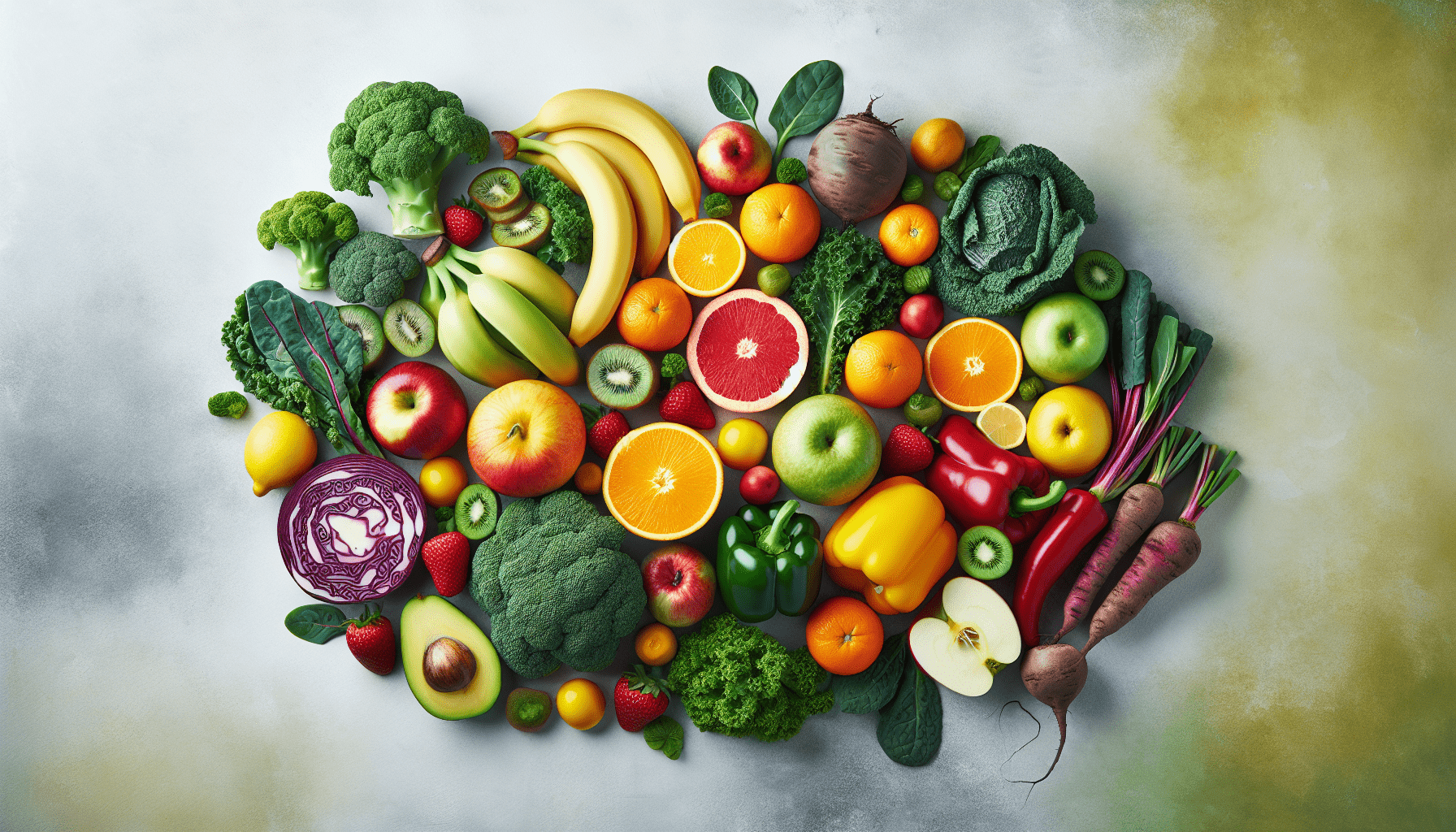
Did you know that what you eat has a significant impact on your mental health? It’s true! Nutrition plays a crucial role in how our brains function and can greatly affect our overall well-being. In this article, we’ll explore the relationship between nutrition and mental health and discover some important information that you need to know. So, grab a snack and let’s delve into the world of nutrition and its profound influence on our minds.
The Role of Nutrition in Mental Health
Good nutrition is not only important for physical health, but it also plays a crucial role in maintaining good mental health. Eating a balanced diet that includes the right nutrients is essential for optimal brain function and overall mental well-being.
The Importance of a Balanced Diet
A balanced diet is one that provides all the necessary nutrients in the right proportions. When it comes to mental health, a balanced diet helps stabilize mood, improve energy levels, and support cognitive function. By including a variety of foods from different food groups, you ensure that your body receives all the essential nutrients it needs to function properly.
A well-balanced diet consists of complex carbohydrates, lean proteins, healthy fats, and a wide array of fruits and vegetables. Complex carbohydrates, such as whole grains, provide a steady release of energy and support brain function. Lean proteins, like poultry, fish, and legumes, provide essential amino acids that are crucial for the production of neurotransmitters – chemicals that regulate mood and emotions. Healthy fats, found in foods like avocados, nuts, and olive oil, are important for brain health and help reduce inflammation. Lastly, consuming a variety of fruits and vegetables ensures that your body receives essential vitamins, minerals, and antioxidants that support brain function and protect against oxidative stress.
How Nutrients Affect Brain Function
Various nutrients have specific roles in maintaining healthy brain function and supporting mental well-being. For example, omega-3 fatty acids found in fatty fish like salmon and walnuts have been shown to improve cognitive function, reduce symptoms of depression, and support overall brain health. B vitamins, found in leafy greens, legumes, and dairy products, are essential for the production of neurotransmitters and help regulate mood and cognitive function. Antioxidants, like vitamin C and vitamin E found in citrus fruits and nuts respectively, help protect the brain from oxidative damage and support overall brain health.
The Link Between Nutrition and Mental Health Disorders
Research has shown a clear link between nutrition and mental health disorders, including depression, anxiety, and schizophrenia. Deficiencies in certain nutrients have been associated with an increased risk of developing these disorders. For example, inadequate levels of vitamin D have been linked to an increased risk of depression, while a deficiency in B vitamins can contribute to symptoms of anxiety and fatigue. Proper nutrition plays a vital role in prevention and management of mental health disorders.
Micronutrients and Mental Health
While macronutrients like carbohydrates, proteins, and fats are important, micronutrients – including vitamins and minerals – also play a critical role in mental health.
Vitamins and Minerals that Support Brain Health
Certain vitamins and minerals are particularly important for brain function and mental well-being. For example, vitamin B12 is essential for the production of red blood cells and the maintenance of the nervous system. A deficiency in vitamin B12 can lead to symptoms of depression, fatigue, and memory problems. Similarly, iron is crucial for oxygen transport throughout the body, including the brain. Inadequate iron levels can negatively impact cognitive function, mood, and energy levels.
The Impact of Micronutrient Deficiencies on Mental Health
Deficiencies in micronutrients can have a profound impact on mental health. Deficiencies in certain vitamins and minerals have been associated with increased risk and severity of mental health disorders. For example, low levels of vitamin D have been linked to depression, while deficiencies in magnesium and zinc have been associated with symptoms of anxiety and depression. It is important to ensure adequate intake of these essential nutrients through diet or supplementation when necessary.
Supplements for Mental Well-being
While it is best to obtain nutrients from a varied diet, supplementation can be beneficial in certain cases. Particularly for individuals who have dietary restrictions, difficulties absorbing nutrients, or have specific nutrient deficiencies, supplements can provide necessary vitamins and minerals for optimal mental well-being. However, it is important to consult with a healthcare professional before starting any new supplements to ensure safety and appropriateness.
The Gut-Brain Connection
The connection between our gut and our brain is a complex and fascinating one. Emerging research suggests that the health of our gut microbiome, or the collection of bacteria residing in our digestive tract, can significantly impact mental well-being.
The Influence of Gut Health on Mental Well-being
The gut is often referred to as our “second brain” because of the intricate communication occurring between the gut and the brain. The gut is lined with millions of neurons, which communicate with the brain through the vagus nerve. This communication pathway plays a crucial role in regulating mood, emotions, and cognitive function. Imbalances in the gut microbiome, such as an overgrowth of harmful bacteria or a lack of diversity in bacterial species, have been associated with an increased risk of mental health disorders.
Probiotics and Their Effects on Mood
Probiotics are live microorganisms that confer health benefits when consumed. These beneficial bacteria can help restore and maintain a healthy gut microbiome, which in turn supports mental well-being. Research suggests that certain strains of probiotics can reduce symptoms of depression and anxiety, improve mood, and enhance overall mental health. Foods like yogurt, sauerkraut, and kimchi are natural sources of probiotics, and probiotic supplements are also available.
Dietary Choices for a Healthy Gut
In addition to consuming probiotic-rich foods, making dietary choices that support a healthy gut is essential for mental well-being. Including fiber-rich foods like fruits, vegetables, and whole grains can promote a healthy gut microbiome. Fermented foods like kefir and tempeh can also contribute beneficial bacteria to the gut. Avoiding processed foods, sugary drinks, and excess alcohol is crucial as these can disrupt the balance of beneficial bacteria in the gut.
Sugar and Mental Health
While sugar may provide a temporary boost in mood and energy, its long-term effects on mental health can be detrimental.
The Negative Effects of Sugar on Mental Health
Consuming excessive amounts of sugar has been linked to an increased risk of mental health disorders, particularly depression and anxiety. When consumed in large quantities, sugar can lead to blood sugar imbalances, increased inflammation in the body, and impaired neurotransmitter function. This can result in mood swings, decreased cognitive function, and an increased risk of mental health disorders.
The Role of Sugar in Inflammation and Mood Disorders
Sugar consumption can trigger an inflammatory response in the body, which has been linked to an increased risk of mood disorders. Chronic inflammation can disrupt the production and function of neurotransmitters, contributing to symptoms of depression and anxiety. Additionally, sugar can contribute to oxidative stress, which can damage brain cells and further impact mental well-being.
Tips for Reducing Sugar Intake
Reducing sugar intake is essential for maintaining good mental health. Opt for whole, unprocessed foods that are naturally sweet, such as fruits, instead of processed sweets and sugary snacks. Read food labels carefully and be aware of hidden sources of added sugars, such as sugary beverages and processed snacks. Gradually reduce your sugar intake over time to avoid feeling deprived, and instead focus on nourishing your body with nutrient-dense foods that support mental well-being.
Omega-3 Fatty Acids and Mental Health
Omega-3 fatty acids are a type of essential fat that our body needs for proper functioning, and they have been shown to have numerous benefits for mental health.
The Benefits of Omega-3 Fatty Acids for Brain Health
Omega-3 fatty acids, particularly EPA (eicosapentaenoic acid) and DHA (docosahexaenoic acid), play a crucial role in brain development and function. These fatty acids are vital components of cell membranes in the brain and help regulate neurotransmitter activity, reduce inflammation, and promote neuroplasticity – the brain’s ability to adapt and change. Consuming adequate amounts of omega-3 fatty acids has been associated with improved mood, reduced symptoms of depression and anxiety, and enhanced cognitive function.
Sources of Omega-3s
Fatty fish, such as salmon, mackerel, and sardines, are excellent natural sources of omega-3 fatty acids. Plant-based sources of omega-3s include flaxseeds, chia seeds, and walnuts. However, it is important to note that the body’s ability to convert plant-based omega-3s into the active forms (EPA and DHA) is limited. If you follow a vegan or vegetarian diet, consider incorporating an algae-based omega-3 supplement to ensure adequate intake.
Supplementation and Its Impact on Mental Well-being
In some cases, supplementation with omega-3 fatty acids may be necessary to meet the body’s needs. Omega-3 supplements, typically derived from fish or algae, can provide a concentrated dose of EPA and DHA. Research has shown that omega-3 supplementation can reduce symptoms of depression and anxiety, improve cognitive function, and support overall mental well-being. As always, consult with a healthcare professional before starting any new supplements.
The Mediterranean Diet and Mental Health
The Mediterranean diet is a dietary pattern inspired by the traditional eating habits of countries bordering the Mediterranean Sea. This diet has been associated with numerous health benefits, including a lower risk of mental health disorders.
Overview of the Mediterranean Diet and Its Components
The Mediterranean diet emphasizes consumption of whole, minimally processed foods that are rich in fruits, vegetables, whole grains, legumes, nuts, seeds, and olive oil. It also includes moderate consumption of poultry, fish, and dairy products, and limited intake of red meat and sweets. This pattern of eating provides a balance of essential nutrients, including healthy fats, high-quality proteins, and a wide variety of vitamins and minerals.
The Association Between the Mediterranean Diet and Lower Risk of Mental Health Disorders
Several studies have linked adherence to the Mediterranean diet with a lower risk of mental health disorders, including depression and anxiety. The nutrients and anti-inflammatory compounds found in the Mediterranean diet, such as omega-3 fatty acids, antioxidants, and polyphenols, contribute to its mental health benefits. In addition, this diet is associated with better brain health, improved cognitive function, and reduced oxidative stress – all of which can positively impact mental well-being.
Implementing Mediterranean Diet Principles in Daily Life
Incorporating Mediterranean diet principles into your daily life can be enjoyable and beneficial for mental health. Start by increasing your consumption of fruits, vegetables, whole grains, and plant-based proteins. Use olive oil as your primary source of fat, and limit your intake of red meat and processed foods. Enjoy fish at least twice a week, and opt for nuts and seeds as snacks. With time, these dietary changes can become a sustainable lifestyle, supporting both your physical and mental health.
The Impact of Caffeine and Alcohol on Mental Health
While caffeine and alcohol are both commonly consumed substances, their effects on mental health can vary significantly.
The Effects of Caffeine on Anxiety and Sleep
Caffeine, commonly found in coffee, tea, energy drinks, and chocolate, is known for its stimulating effects. While caffeine can enhance focus and alertness, excessive consumption can lead to increased anxiety, restlessness, and disrupted sleep. Individuals who are predisposed to anxiety disorders may be more sensitive to the effects of caffeine and should monitor their intake accordingly. For optimal mental well-being, it is recommended to limit caffeine consumption and be mindful of its effects on your individual tolerance.
Alcohol’s Impact on Mood and Mental Well-being
While alcohol may initially produce feelings of relaxation and euphoria, excessive or long-term alcohol consumption can have significant negative effects on mental health. Alcohol is a depressant that can disrupt neurotransmitter function, leading to changes in mood, increased risk of depression and anxiety, and impaired cognitive function. Additionally, alcohol can interfere with sleep patterns, exacerbating mental health symptoms. It is important to consume alcohol in moderation and be aware of its potential impact on mental well-being.
Moderation and Mindful Consumption
When it comes to caffeine and alcohol, moderation is key for maintaining good mental health. It is essential to be mindful of your consumption and how each substance affects your individual well-being. If you find that caffeine or alcohol negatively impact your mental health, consider reducing or eliminating your intake. Experiment with alternative beverages, such as herbal teas or caffeine-free alternatives, and find healthy coping mechanisms and stress management techniques that do not rely on these substances.
Food Allergies and Sensitivities in Mental Health
Food allergies and sensitivities can have a profound impact on mental health, often contributing to a range of mental health symptoms.
The Connection Between Food Allergies and Sensitivities and Mental Health Symptoms
Food allergies and sensitivities can trigger an immune response in the body, leading to inflammation and affecting various systems, including the brain. Inflammation in the brain can disrupt neurotransmitter function and contribute to symptoms of depression, anxiety, and even cognitive impairments. Additionally, food sensitivities can cause digestive issues, nutrient deficiencies, and malabsorption, which can further impact mental well-being.
Common Allergens and Their Effects on the Brain
Certain foods are more commonly associated with allergies and sensitivities, and their consumption can exacerbate mental health symptoms. Gluten, found in wheat and other grains, has been linked to an increased risk of depression and cognitive impairments in individuals with celiac disease or non-celiac gluten sensitivity. Dairy products, particularly casein, have been associated with increased inflammation and potential neurological effects. Other common allergens, such as eggs, soy, and nuts, may also contribute to mental health symptoms in sensitive individuals.
Identifying and Managing Food Allergies and Sensitivities
If you suspect food allergies or sensitivities may be contributing to your mental health symptoms, it is important to consult with a healthcare professional. They can help guide you through an elimination diet or recommend specific tests to identify potential triggers. Once identified, managing food allergies and sensitivities involves avoiding the offending food(s) and finding suitable alternatives to ensure a balanced diet. With proper management, alleviating the stress on the immune system and reducing inflammation can help improve mental well-being.
Eating Disorders and Mental Health
Eating disorders are complex mental health conditions that often involve disordered eating patterns and distorted body image. These disorders profoundly impact both physical and mental well-being and often require a multi-disciplinary approach to treatment.
The Correlation Between Eating Disorders and Mental Health Conditions
Eating disorders, such as anorexia nervosa, bulimia nervosa, and binge eating disorder, are closely linked to mental health conditions. They are characterized by severe disturbances in eating behaviors, often accompanied by distressing thoughts and emotions. Eating disorders can lead to nutrient deficiencies, imbalances in neurotransmitters, and hormonal disruptions that contribute to mental health symptoms, including depression, anxiety, and obsessive-compulsive behaviors.
Nutritional Rehabilitation and Therapy
Nutritional rehabilitation is a critical component of eating disorder treatment. Restoring a healthy relationship with food and addressing nutritional deficiencies are essential for physical and mental recovery. Registered dietitians specializing in eating disorders work closely with individuals to develop personalized meal plans that support weight restoration, normalize eating behaviors, and promote overall health. Alongside nutritional rehabilitation, therapy – such as cognitive-behavioral therapy (CBT) – is necessary to address the underlying psychological issues associated with eating disorders.
Supporting Individuals with Eating Disorders
Supporting individuals with eating disorders requires a compassionate and multidisciplinary approach. Encouragement to seek professional help, such as therapy and nutrition counseling, is essential. Avoid commenting on their appearance or food choices, as this can further contribute to negative body image and reinforce disordered eating behaviors. Providing a non-judgmental and supportive environment can make a significant difference in the recovery process. Families, friends, and loved ones can play a crucial role in emotional support and helping individuals access appropriate resources.
The Importance of a Healthy Lifestyle
A healthy lifestyle goes beyond just nutrition and can significantly impact mental well-being.
Exercise and Its Impact on Mental Well-being
Regular physical activity has been shown to have numerous benefits for mental health. Exercise releases endorphins – feel-good hormones – which can improve mood and reduce symptoms of depression and anxiety. Additionally, exercise promotes brain health by increasing blood flow and stimulating the release of growth factors that support the growth and repair of brain cells. Aim for at least 150 minutes of moderate-intensity exercise per week, such as brisk walking, dancing, or swimming, to experience the mental health benefits of regular physical activity.
Sleep and Its Role in Mental Health
Adequate sleep is essential for optimal mental health and well-being. During sleep, the brain undergoes essential processes for restoration and recovery. Lack of sleep or poor sleep quality can lead to cognitive impairments, mood disturbances, and an increased risk of mental health disorders. Aim for 7-9 hours of quality sleep per night by establishing a consistent sleep routine, creating a comfortable sleep environment, and practicing relaxation techniques before bedtime.
Stress Management and Self-care
Stress is a natural part of life, but prolonged or chronic stress can have a significant impact on mental health. Developing effective stress management techniques and incorporating self-care practices into your routine can help reduce stress levels and promote mental well-being. This can include activities such as meditation, deep breathing exercises, spending time in nature, engaging in hobbies, and seeking support from loved ones or a mental healthcare professional when needed.
In conclusion, nutrition plays a vital role in maintaining good mental health. A balanced diet rich in essential nutrients supports brain function, stabilizes mood, and reduces the risk of mental health disorders. Micronutrient deficiencies can contribute to mental health symptoms, and supplementation may be necessary in certain cases. The gut-brain connection highlights the influence of gut health on mental well-being, emphasizing the importance of a healthy gut microbiome through probiotics and dietary choices. Sugar, caffeine, and alcohol can have negative effects on mental health when consumed excessively, while omega-3 fatty acids support brain health. The Mediterranean diet is associated with a lower risk of mental health disorders, and paying attention to food allergies and sensitivities is important for mental well-being. Eating disorders require specialized treatment involving nutritional rehabilitation and therapy. Lastly, maintaining a healthy lifestyle that includes regular exercise, quality sleep, and effective stress management techniques is essential for optimal mental well-being. By prioritizing nutrition and adopting healthy lifestyle practices, you can support and enhance your mental health.