
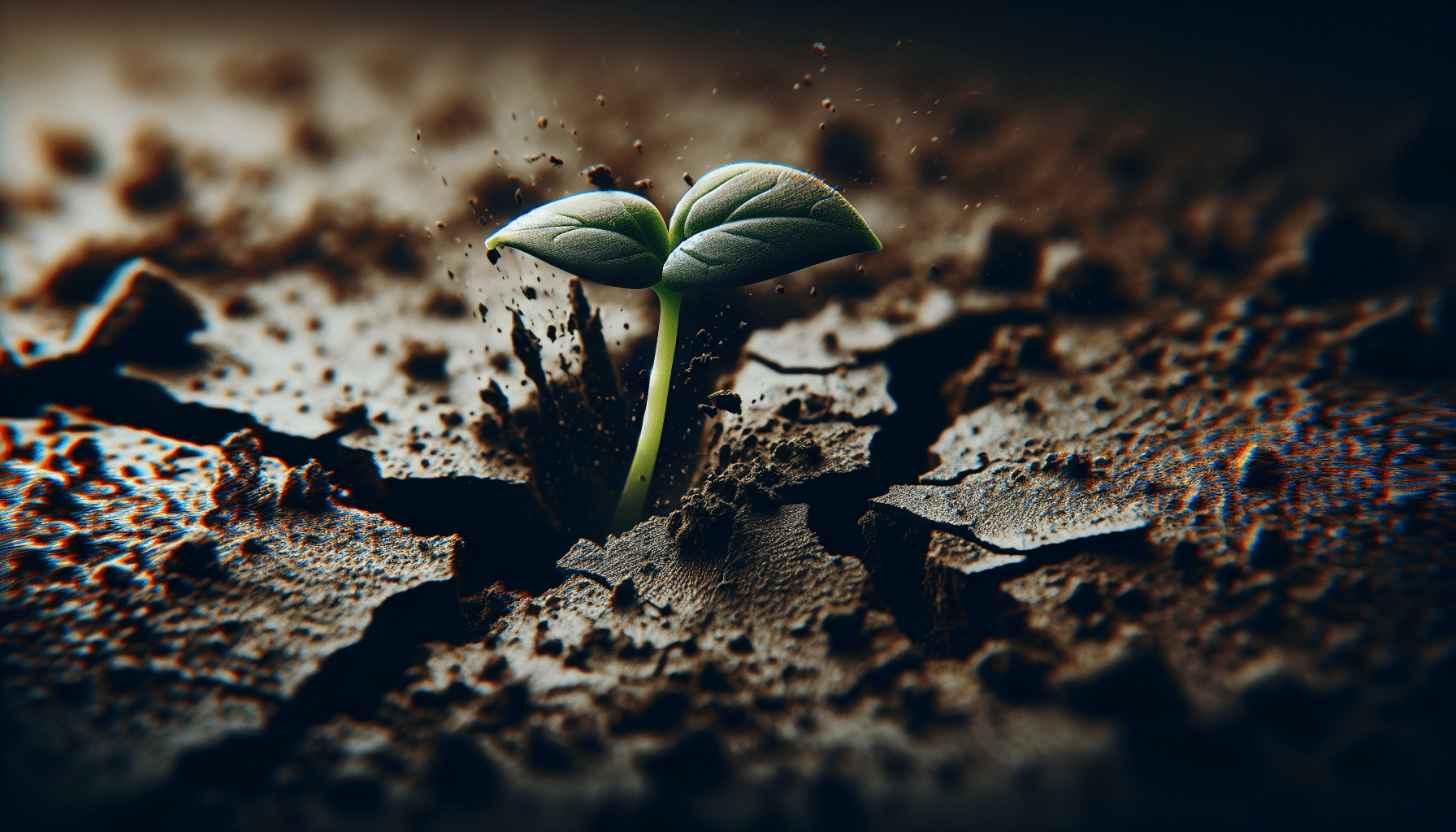
In this article, you will discover practical strategies that will help you build resilience and overcome adversity. Life is full of challenges, and it’s important to develop the inner strength to bounce back and thrive, no matter what you face. Whether you’re dealing with personal setbacks or navigating through uncertain times, these strategies will equip you with the tools and mindset needed to embrace challenges and emerge stronger than ever. By implementing these practical techniques, you can cultivate resilience and develop the resilience to conquer any obstacle that comes your way.
Developing a growth mindset
Understanding the concept of a growth mindset
To develop a growth mindset, it is essential to understand what it means. A growth mindset is the belief that our abilities and intelligence can be developed and improved through effort, perseverance, and learning from failures. It is the belief that we can change and grow over time.
By adopting a growth mindset, you open yourself up to new possibilities and opportunities. You believe that with hard work and dedication, you can achieve your goals and overcome challenges. It is a powerful mindset that helps you embrace lifelong learning and personal growth.
Recognizing fixed mindset tendencies
Before you can fully embrace a growth mindset, it is essential to recognize and overcome fixed mindset tendencies. A fixed mindset is the belief that your abilities and intelligence are fixed traits that cannot be changed. People with a fixed mindset tend to avoid challenges, give up easily, and see effort as a sign of weakness.
To recognize fixed mindset tendencies, pay attention to your thoughts and beliefs. Notice if you use phrases like “I’m just not good at this” or “I’ll never be able to do that.” These are signs of a fixed mindset. Once you become aware of these tendencies, you can challenge and reframe them to develop a more growth-oriented mindset.
Cultivating a belief in personal growth and development
Cultivating a belief in personal growth and development is the cornerstone of developing a growth mindset. Begin by embracing the idea that you have the capacity for growth and improvement. Understand that skills and abilities can be developed through practice, learning, and effort.
To cultivate this belief, surround yourself with people who inspire and motivate you. Engage in activities that challenge you and allow you to learn and grow. Celebrate your progress and focus on the process rather than just the outcome. By consistently reinforcing this belief in personal growth, you will develop a resilient and adaptable mindset.
Building a support network
Identifying people who provide emotional support
Building a support network is essential for resilience and personal growth. Surrounding yourself with individuals who provide emotional support is crucial during challenging times. These individuals can be friends, family members, or even mentors who believe in your potential and encourage you to keep going.
Identify the people in your life who consistently offer a listening ear, provide comforting words, and offer encouragement. These individuals can provide a sense of belonging and help you navigate through adversity. Remember to not hesitate to reach out to them when needed.
Seeking out mentors and role models
Mentors and role models can play a significant role in your personal and professional development. Seek out individuals who have achieved what you aspire to, and learn from their experiences. They can provide guidance, insights, and valuable advice based on their own journeys.
Establishing a mentor-mentee relationship can offer support, motivation, and perspective during challenging times. Mentors can share their wisdom and help you navigate obstacles while offering encouragement and motivation. They provide a valuable perspective and can help you expand your thinking and broaden your horizons.
Joining support groups or communities
Joining support groups or communities can provide a sense of belonging and connection. They offer a space to share experiences, receive support, and gain insights from individuals experiencing similar challenges. You can find support groups or communities both online and in-person, depending on your preferences and needs.
These groups can provide a safe and supportive environment to discuss your struggles and learn from others facing similar adversity. They can offer encouragement, empathy, and practical advice, fostering a sense of community and resilience.
Practicing self-care
Prioritizing physical health through exercise and proper nutrition
Taking care of your physical health is crucial for developing resilience and maintaining a growth mindset. Engaging in regular physical exercise helps release endorphins, reducing stress and boosting mood. It also enhances cognitive function, allowing you to think more clearly and make better decisions.
In addition to exercise, prioritize proper nutrition. A well-balanced diet supports optimal brain function, energy levels, and overall well-being. Make sure to consume a variety of fruits, vegetables, lean proteins, and healthy fats, while limiting processed foods and sugary snacks.
Engaging in activities that bring joy and relaxation
Engaging in activities that bring you joy and relaxation is an important part of self-care. These activities can vary from person to person, but they should be things that make you feel happy and rejuvenated. It could be reading a book, practicing a hobby, spending time in nature, or listening to music.
Taking time to engage in activities that bring you joy and relaxation not only helps recharge your energy but also promotes a positive mindset. These moments of self-care allow you to step away from stress and create a healthy balance in your life.
Setting boundaries for personal well-being
Setting boundaries is crucial for maintaining your personal well-being and avoiding burnout. It involves recognizing your limits and communicating them to others. Be mindful of how much time and energy you allocate to different areas of your life, such as work, relationships, and personal pursuits.
Setting boundaries allows you to prioritize your needs, maintain a healthy work-life balance, and ensure that you have time for self-care. It helps prevent overwhelm and enables you to focus on your personal growth and development.
Goal setting and planning
Setting realistic and achievable goals
Setting realistic and achievable goals is an essential part of personal growth and development. Goals provide direction and motivation, helping you stay focused and determined. Ensure that your goals are specific, measurable, attainable, relevant, and time-bound (SMART).
Consider your long-term aspirations and break them down into smaller, actionable steps. This approach allows you to track your progress, celebrate milestones, and adjust your goals as needed. By setting realistic goals, you set yourself up for success and avoid unnecessary pressure.
Breaking down goals into manageable steps
Breaking down goals into manageable steps helps make them less overwhelming and more attainable. When faced with a large goal, break it down into smaller, actionable tasks. This approach allows you to tackle each step incrementally, leading to a sense of accomplishment and progress.
Consider creating a plan or a to-do list that outlines the specific steps required to achieve your goals. Breaking down your goals into manageable steps also allows you to prioritize tasks and make steady progress towards your objectives.
Creating a timeline and action plan
Creating a timeline and action plan is crucial in turning goals into reality. Determine a timeline for each step and establish deadlines for yourself. This helps create a sense of structure, accountability, and momentum.
Alongside the timeline, develop an action plan that outlines the specific actions you need to take. Consider any resources, tools, or support you may need to accomplish each task. A well-structured plan serves as a roadmap, guiding you towards your goals and ensuring steady progress.
Developing problem-solving skills
Analyzing challenges and identifying possible solutions
Developing problem-solving skills is an important aspect of personal growth and resilience. When faced with challenges, take the time to analyze the situation and identify possible solutions. Consider different perspectives and explore creative alternatives.
Break down the challenge into smaller components and evaluate each one individually. This approach can help you find new approaches and solutions that may not have been immediately apparent. Remember to remain open-minded and flexible in your thinking.
Using creativity and critical thinking to overcome obstacles
Creativity and critical thinking are powerful tools for overcoming obstacles and finding innovative solutions. Embrace a curious and resourceful mindset to explore new possibilities and approaches. Consider different perspectives, challenge assumptions, and think outside the box.
Engaging in activities that promote creativity, such as brainstorming, journaling, or exploring new hobbies, can enhance your problem-solving skills. Encouraging yourself to think creatively allows you to approach challenges with a fresh perspective and identify unique solutions.
Seeking guidance and advice when needed
Recognize that seeking guidance and advice is a sign of strength, not weakness. Sometimes, others have faced similar challenges or have knowledge and expertise that can provide valuable insights. Don’t hesitate to reach out to mentors, trusted friends, or professionals for guidance when needed.
By seeking advice, you can tap into the wisdom and experiences of others, saving yourself time and effort. It also allows you to learn from their mistakes and successes, giving you a broader perspective on problem-solving.
Developing emotional intelligence
Recognizing and managing emotions
Developing emotional intelligence involves recognizing and managing your own emotions. Pay attention to how you feel and develop a greater awareness of your emotional state. This self-awareness allows you to respond to challenges in a constructive and mindful way.
When faced with adversity, take a moment to identify and acknowledge your emotions. Practice emotional regulation techniques, such as deep breathing, meditation, or journaling, to help manage your emotions effectively. This self-awareness and emotional management enable you to approach challenges with clarity and composure.
Developing empathy and understanding for others
Empathy and understanding are essential qualities for developing emotional intelligence. Seek to understand the perspectives and emotions of others, even in difficult situations. Developing empathy allows you to approach conflicts with compassion and find common ground.
To enhance empathy, practice active listening and engage in open and honest communication. Put yourself in others’ shoes and strive to understand their experiences and emotions. This understanding fosters stronger relationships and enables effective collaboration.
Building effective communication and conflict resolution skills
Effective communication is key to developing emotional intelligence and navigating challenges successfully. Learn to express yourself clearly and listen actively to others. Use assertive communication techniques, such as “I” statements and active listening, to ensure that your message is understood.
Conflict resolution skills are also crucial for personal growth and development. Learn to address conflicts respectfully and constructively. Seek win-win solutions that benefit everyone involved. By developing effective communication and conflict resolution skills, you can foster positive and productive relationships.
Building resilience through positive thinking
Challenging negative thoughts and reframing them positively
Building resilience involves challenging negative thoughts and reframing them positively. Pay attention to your inner dialogue and identify negative self-talk patterns. When you notice negative thoughts, challenge them by questioning their validity and replacing them with more positive and empowering beliefs.
For example, if you catch yourself thinking, “I always fail at this,” challenge that by reminding yourself of past successes and the lessons learned from failures. Reframe it as, “I have experienced setbacks, but I have learned and grown from them.”
Practicing gratitude and appreciation
Practicing gratitude and appreciation is a powerful way to foster resilience and maintain a positive mindset. Take time each day to reflect on the things you are grateful for. It could be small moments of joy, supportive relationships, or personal achievements.
Expressing gratitude helps shift your focus onto the positive aspects of your life and builds resilience by developing a sense of optimism. By practicing gratitude regularly, you train your mind to see the silver linings in difficult situations and stay resilient in the face of adversity.
Fostering optimism and hope
Fostering optimism and hope is crucial for developing resilience. Cultivate a positive outlook on life by consciously focusing on the potential for growth and positive outcomes. Train your mind to view challenges as opportunities for learning and personal development.
When faced with adversity, ask yourself, “What can I learn from this? How can I grow stronger as a result?” Embrace the belief that setbacks are temporary and that you have the power to overcome them. A positive mindset fosters resilience and enables you to navigate difficult times with hope and determination.
Learning from failures and setbacks
Embracing failure as a learning opportunity
Failure is an inevitable part of life, but it is how we respond to it that determines our resilience and personal growth. Embrace failure as a learning opportunity rather than a reflection of your worth or abilities. See it as a stepping stone towards success rather than an endpoint.
When you experience failure, take the time to reflect on what went wrong and the lessons that can be learned from it. Use failure as a chance to recalibrate your approach and identify areas for improvement. By embracing failure as a learning opportunity, you cultivate resilience and develop a growth-oriented mindset.
Analyzing mistakes and identifying areas for improvement
Analyzing mistakes is a crucial step in personal growth and development. When you make a mistake, take the time to reflect on what went wrong and why. Identify the factors behind the mistake and consider how you could have approached the situation differently.
By analyzing your mistakes, you gain valuable insights into your strengths and weaknesses. Use this knowledge to make adjustments and improvements in your approach. Remember that mistakes are not a reflection of your worth but stepping stones towards growth and improvement.
Finding motivation and resilience in the face of setbacks
Setbacks can be demotivating and challenging, but they also present an opportunity for resilience and growth. When faced with setbacks, tap into your internal motivation and remind yourself of your goals and aspirations. Reconnect with your purpose and why you started on this journey in the first place.
Seek inspiration from others who have overcome similar setbacks and achieved success. Their stories can remind you that setbacks are temporary and that with determination and resilience, you can bounce back stronger. Use setbacks as fuel to drive you forward and stay motivated despite the challenges.
Seeking professional help when needed
Recognizing the importance of seeking professional guidance
Recognizing the importance of seeking professional help is crucial for your well-being and personal growth. There may be times when you encounter difficulties that require the expertise of trained professionals, such as therapists or counselors. Seeking their guidance can provide valuable insights and support.
Therapists and counselors are trained to help individuals navigate through challenging emotions, mental health concerns, and personal struggles. They can offer tools, strategies, and a safe space to explore your thoughts and feelings. Recognize that seeking professional help is a sign of self-care and strength.
Finding a trusted therapist or counselor
Finding a trusted therapist or counselor is essential for effective professional support. Take the time to research and identify professionals who specialize in the areas you need assistance with. Consider their expertise, qualifications, and approach to therapy.
When searching for a therapist or counselor, prioritize finding someone you can connect with and trust. Building a strong therapeutic relationship is crucial for making progress and feeling supported. Don’t hesitate to reach out to multiple professionals until you find the right fit for your needs.
Utilizing resources and support services
Utilizing available resources and support services can provide additional assistance during challenging times. Many organizations offer support helplines, online resources, and community services to individuals facing adversity. These resources can provide guidance, information, and a sense of community.
Take advantage of these resources by exploring their websites, attending support groups, or reaching out for assistance when needed. Don’t hesitate to ask for support from friends and family or seek help from community organizations. Remember that you don’t have to face adversity alone.
Maintaining a growth mindset in the face of adversity
Accepting that adversity is a part of life
Maintaining a growth mindset involves accepting that adversity is a natural part of life. Difficulties and challenges are inevitable, but they also provide opportunities for growth and development. Accepting this reality helps cultivate resilience and approach adversity with a positive outlook.
By accepting that adversity is a part of life, you can shift your focus from dwelling on the negative aspects to seeking opportunities for personal growth. Embrace challenges as valuable experiences that shape your character and provide valuable life lessons.
Embracing challenges as opportunities for growth
Embrace challenges as opportunities for personal growth and development. Instead of seeing obstacles as roadblocks, view them as chances to learn, adapt, and improve. Every challenge you face provides an opportunity to develop new skills, gain valuable insights, and discover your resilience.
Understand that growth occurs outside of your comfort zone. Embracing challenges as opportunities allows you to expand your horizons, overcome limitations, and push beyond self-imposed boundaries. By embracing challenges, you foster a growth mindset and unlock your potential.
Continuously learning and adapting to new situations
Maintaining a growth mindset requires a commitment to continuous learning and adaptation. Embrace a lifelong learning mentality, seeking knowledge and new skills in every situation. Be open to feedback and actively seek out opportunities for personal and professional growth.
As you encounter new situations or challenges, approach them with a willingness to adapt and learn. Reflect on your experiences and actively seek lessons and insights. By continuously learning and adapting, you enhance your resilience and remain open to the possibilities that life presents.
In conclusion, developing a growth mindset requires understanding and embracing the concept, recognizing fixed mindset tendencies, and cultivating a belief in personal growth and development. Building a support network involves identifying people who provide emotional support, seeking out mentors and role models, and joining support groups or communities. Practicing self-care includes prioritizing physical health, engaging in activities that bring joy and relaxation, and setting boundaries for personal well-being. Goal setting and planning involve setting realistic and achievable goals, breaking them down into manageable steps, and creating a timeline and action plan. Developing problem-solving skills includes analyzing challenges, using creativity and critical thinking, and seeking guidance when needed. Developing emotional intelligence involves recognizing and managing emotions, developing empathy and understanding for others, and building effective communication and conflict resolution skills. Building resilience through positive thinking includes challenging negative thoughts, practicing gratitude and appreciation, and fostering optimism and hope. Learning from failures and setbacks includes embracing failure as a learning opportunity, analyzing mistakes, and finding motivation and resilience in the face of setbacks. Seeking professional help when needed includes recognizing the importance of seeking guidance, finding a trusted therapist or counselor, and utilizing available resources and support services. Finally, maintaining a growth mindset in the face of adversity involves accepting that adversity is a part of life, embracing challenges as opportunities for growth, and continuously learning and adapting to new situations. By incorporating these strategies into your life, you can develop a growth mindset, build resilience, and overcome adversity with confidence.