
Are you constantly being hard on yourself and struggling to accept and love yourself just as you are? If so, this article is meant for you. It provides practical tips for building self-compassion and self-acceptance, helping you to cultivate a kinder and more gentle relationship with yourself. By following these tips, you can begin to embrace your imperfections and treat yourself with the same compassion and understanding that you would extend to a dear friend. Say goodbye to self-criticism and hello to self-love!
Recognize and Challenge Inner Critic
Understand the role of your inner critic
Your inner critic is that nagging voice in your head that constantly criticizes and judges you. It is often fueled by insecurities and fear of failure. However, it’s important to remember that your inner critic is not your true self. Understanding the role of your inner critic is the first step in challenging its negative influence on your self-esteem and well-being.
Identify negative self-talk patterns
Negative self-talk can be detrimental to your self-esteem and overall mental health. It’s important to pay attention to the words and thoughts you use when talking to yourself. Notice if you tend to use harsh or judgmental language, and identify any recurring negative patterns. By becoming aware of these negative self-talk patterns, you can begin to challenge and change them.
Challenge and reframe negative thoughts
Once you’ve identified your negative self-talk patterns, challenge them by asking yourself if they’re really true. Are you being too critical and unfair to yourself? Try to reframe negative thoughts into more realistic and balanced statements. For example, instead of thinking “I always mess up,” you can reframe it to “I sometimes make mistakes, but I can learn from them and improve.”
Practice Self-Care
Make time for yourself
In the hustle and bustle of everyday life, it’s easy to neglect your own needs. However, self-care is crucial for your well-being. Set aside regular time for yourself, whether it’s for relaxation, hobbies, or anything that brings you joy. It’s not selfish to prioritize self-care; it’s necessary for maintaining a healthy mind and body.
Engage in activities that bring you joy
Doing things that bring you joy is an important part of self-care. Whether it’s a hobby, spending time in nature, or spending quality time with loved ones, engaging in activities that bring you joy can boost your mood and overall happiness. Make a list of the things that make you happy and make a conscious effort to incorporate them into your daily or weekly routine.
Take care of your physical health
Physical health is closely linked to mental health. Taking care of your body through regular exercise, proper nutrition, and adequate sleep can have a positive impact on your overall well-being. Prioritize your physical health by making healthy choices and creating a routine that supports your body’s needs.

Set Realistic Expectations
Acknowledge your limitations
It’s human nature to have limitations. Accepting and acknowledging your limitations is an important part of setting realistic expectations for yourself. Understand that you can’t do everything perfectly or be everything to everyone. Recognize your strengths and weaknesses, and set goals and expectations that align with your abilities.
Focus on progress rather than perfection
Perfectionism can be a burden and can hinder your self-acceptance. Instead of striving for perfection, shift your focus towards progress. Celebrate small milestones and achievements, even if they may seem insignificant. Remember that progress is a journey, and improvement in any area is worth celebrating.
Celebrate small achievements
No accomplishment is too small to celebrate. Whether it’s completing a task, overcoming a fear, or making progress towards a goal, take time to acknowledge and celebrate your achievements, no matter how small they may seem. Celebrating small achievements not only boosts your self-confidence, but also reinforces positive habits and motivates you to continue on your journey of self-acceptance.
Cultivate Mindfulness
Practice self-awareness
Being self-aware is an essential aspect of cultivating mindfulness. Take time to reflect on your thoughts, emotions, and reactions. Notice how you talk to yourself and how it impacts your mood and self-esteem. By becoming more self-aware, you can better understand your own patterns and make conscious choices towards self-acceptance.
Accept your emotions without judgment
Often, we tend to judge ourselves for experiencing certain emotions. However, all emotions are valid and a natural part of the human experience. Instead of labeling emotions as good or bad, practice accepting them without judgment. Allow yourself to feel and process your emotions, recognizing that they do not define your worth.
Engage in mindfulness exercises
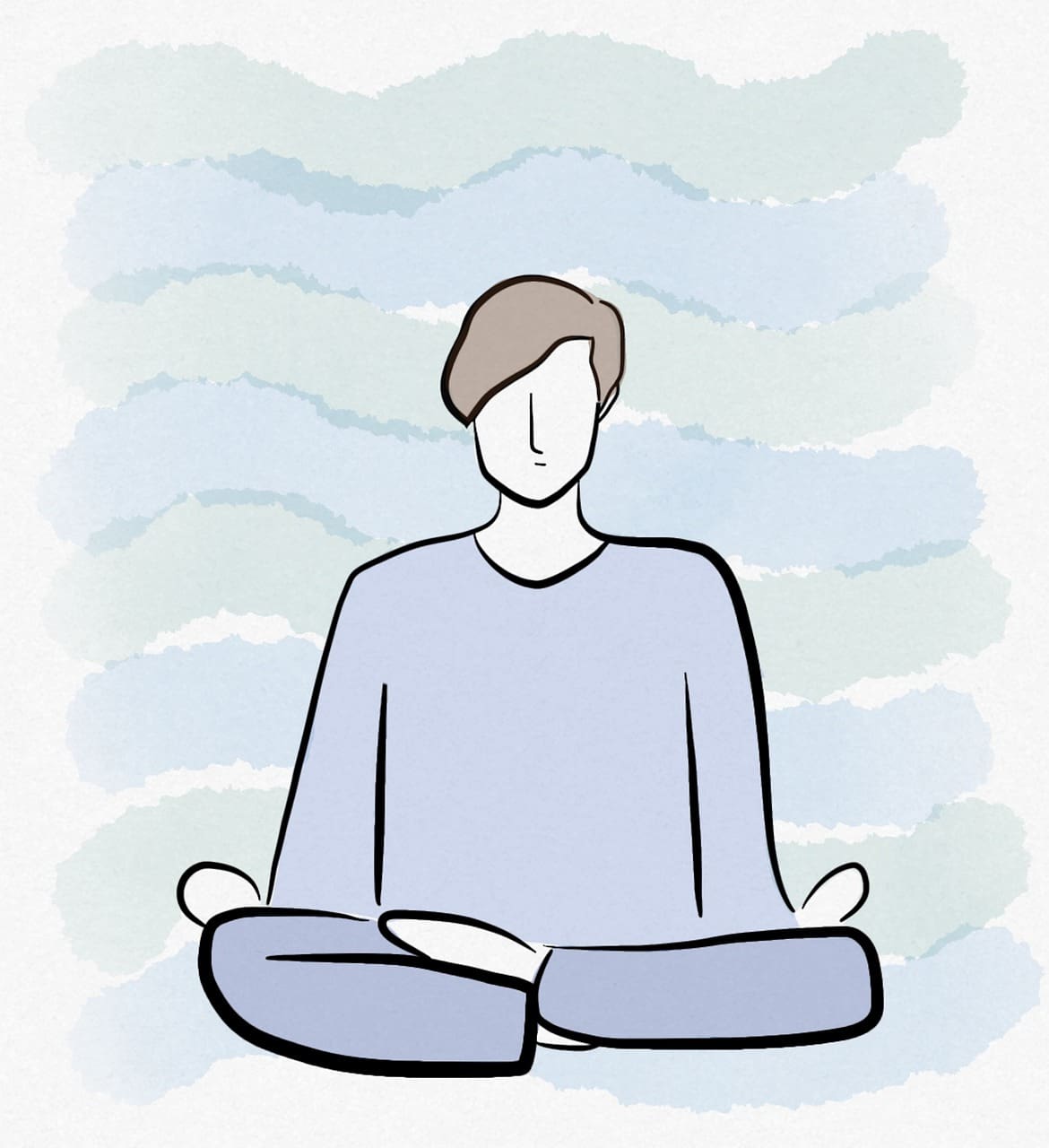
Mindfulness exercises, such as meditation, deep breathing, or body scans, can help you cultivate mindfulness and self-acceptance. Set aside a few minutes each day to engage in a mindfulness practice that resonates with you. These exercises can help calm your mind, reduce stress, and bring you into the present moment, allowing you to connect with yourself on a deeper level.
Develop Self-Compassion
Treat yourself with kindness and understanding
Just as you would treat a friend with kindness and understanding, it’s important to extend the same compassion to yourself. Be gentle with yourself when facing challenges or setbacks. Remind yourself that it’s okay to make mistakes, and offer yourself words of comfort and encouragement.
Forgive yourself for past mistakes
Holding onto past mistakes can weigh you down and hinder your self-acceptance. Practice forgiveness towards yourself for any past mistakes or regrets. Remember that everyone makes mistakes, and they are valuable learning opportunities. Let go of guilt and self-blame, and embrace the present moment with self-compassion.
Practice self-compassion meditation
Self-compassion meditation involves directing warm and loving thoughts towards yourself. Find a quiet and comfortable space, close your eyes, and take a few deep breaths. Repeat affirming statements such as “May I be kind to myself,” “May I be patient with myself,” and “May I accept myself as I am.” Engaging in self-compassion meditation regularly can help cultivate a positive and compassionate mindset.
Seek Support
Talk to a trusted friend or family member
Opening up to someone you trust about your struggles and insecurities can provide immense relief and support. Reach out to a friend or family member who you feel comfortable talking to. Sharing your thoughts and feelings with someone who genuinely cares about you can help you gain perspective, receive validation, and feel less alone in your journey of self-acceptance.
Consider seeking therapy or counseling
If you find that your negative self-talk and self-acceptance issues are significantly impacting your daily life, considering seeking professional help. A therapist or counselor can provide valuable guidance, techniques, and support tailored to your specific needs. They can help you navigate through self-doubt, build self-compassion, and develop strategies for self-acceptance.
Join support groups or communities
Sometimes, it can be comforting to connect with others who are going through similar experiences. Consider joining support groups or communities both online and offline. These spaces provide a safe and non-judgmental environment to share your thoughts, gain insights, and receive support from others who can relate to your struggles and journey towards self-acceptance.

Embrace Imperfections
Accept that nobody is perfect
Perfection is an unattainable ideal. Accept that nobody is perfect, including yourself. Embrace the fact that making mistakes and having imperfections is a natural part of being human. Allow yourself to let go of the pressure to be flawless and instead focus on embracing your unique qualities and experiences.
Celebrate your unique qualities
You possess a set of unique qualities that make you who you are. Take the time to appreciate and celebrate these qualities. Recognize your strengths, talents, and achievements. Embrace what makes you different and special, and let go of the need to conform to societal expectations or compare yourself to others.
Embrace mistakes as learning opportunities
Mistakes are not failures; they are opportunities for growth and learning. Instead of beating yourself up over mistakes, view them as valuable lessons. Embrace the process of learning from your experiences and use them as stepping stones towards self-improvement and self-acceptance.
Challenge Comparison
Avoid comparing yourself to others
Constantly comparing yourself to others can be harmful to your self-esteem and sense of self-worth. Remember that everyone has their own unique journey, and it’s futile to compare your struggles, achievements, or appearance to others. Focus on your own progress and personal growth instead, and appreciate the path you’re on.
Recognize that everyone has their own journey
Each person’s journey is different, shaped by their own experiences, strengths, and challenges. Recognize that comparing yourself to others is comparing your behind-the-scenes to their highlight reel. Remember that you have your own path to follow and your own goals to achieve. Embrace your individuality and celebrate your own accomplishments.
Focus on personal growth rather than external validation
Instead of seeking validation from others, focus on your own personal growth and self-acceptance. Set goals that align with your values and desires, and work towards achieving them for yourself, not for the approval of others. By prioritizing personal growth, you can cultivate a sense of fulfillment and satisfaction that comes from within.
Practice Gratitude
Count your blessings
Gratitude is a powerful practice that can shift your mindset and foster self-acceptance. Take a moment each day to reflect on the things you’re grateful for. It can be as simple as a beautiful sunset, a supportive friend, or a warm cup of tea. By acknowledging and appreciating the positives in your life, you cultivate a sense of gratitude and contentment.
Appreciate the positives in your life
In moments of self-doubt or negativity, deliberately shift your focus to the positives in your life. Take time to appreciate your achievements, the love and support you receive, and the opportunities that come your way. By actively appreciating and recognizing the positives, you cultivate a mindset of abundance and self-acceptance.
Keep a gratitude journal
Consider keeping a gratitude journal, where you can regularly write down the things you’re grateful for. Take a few minutes each day to reflect and write down three to five things that brought you joy, made you smile, or brought a sense of gratitude. This practice helps train your brain to notice and appreciate the goodness in your life, promoting a more positive and self-accepting mindset.
Be Kind to Yourself
Treat yourself as you would treat a friend
Often, we are our own harshest critics. To cultivate self-acceptance, start treating yourself with the same kindness, compassion, and understanding that you would offer to a friend. Practice self-care, give yourself permission to make mistakes, and be patient with yourself during difficult times. You deserve the same love and support that you would give to others.
Practice self-compassionate self-talk
Pay attention to the way you talk to yourself. Replace negative and self-critical thoughts with compassionate and supportive ones. When facing challenges or setbacks, remind yourself that you are doing your best, and offer words of encouragement and understanding. By practicing self-compassionate self-talk, you can cultivate a more positive and self-accepting inner dialogue.
Practice acts of self-kindness
Engage in acts of kindness towards yourself on a regular basis. Treat yourself to something you enjoy, whether it’s indulging in your favorite dessert, taking a bubble bath, or cuddling up with a good book. Incorporate self-kindness into your routine to nourish and uplift your spirits. Remember, self-acceptance begins with showing yourself love and kindness.
Building self-compassion and self-acceptance is a journey that requires patience, practice, and self-reflection. By recognizing and challenging your inner critic, practicing self-care, setting realistic expectations, cultivating mindfulness, and seeking support, you can begin to develop a kinder and more accepting relationship with yourself. Embrace your imperfections, challenge comparison, practice gratitude, and above all, be kind to yourself. Remember, you are deserving of love, acceptance, and self-worth.