
Welcome to “Preventive Health 101: Everything You Need To Know”. In this article, you will find valuable information on the importance of preventive health care and practical tips to help you maintain a healthy lifestyle. From the benefits of regular check-ups to the best practices for preventing chronic diseases, we will cover it all. So sit back, relax, and let’s dive into the world of preventive health together. Let’s get started on the path to a healthier you! Have you ever wondered about the importance of preventive health measures in maintaining your overall well-being? In this article, we will explore the basics of preventive health and why it is crucial for living a healthy and fulfilling life. Let’s delve into everything you need to know to make informed decisions about your health.
Why Preventive Health Matters
Taking care of your health is not just about treating illnesses when they arise; it’s also about preventing them from occurring in the first place. By focusing on preventive health measures, you can identify potential health risks early, make positive lifestyle changes, and reduce the likelihood of developing chronic conditions.
Benefits of Preventive Health
Preventive health measures offer a wide range of benefits, including:
- Early detection of health issues
- Lower healthcare costs
- Improved quality of life
- Reduced risk of serious conditions
- Longer lifespan
Understanding the benefits of preventive health can motivate you to prioritize your well-being and take proactive steps to protect your health.
Key Components of Preventive Health
Preventive health encompasses various strategies and interventions that aim to promote health and prevent disease. Here are some key components of preventive health that you should be aware of:
Routine Health Screenings
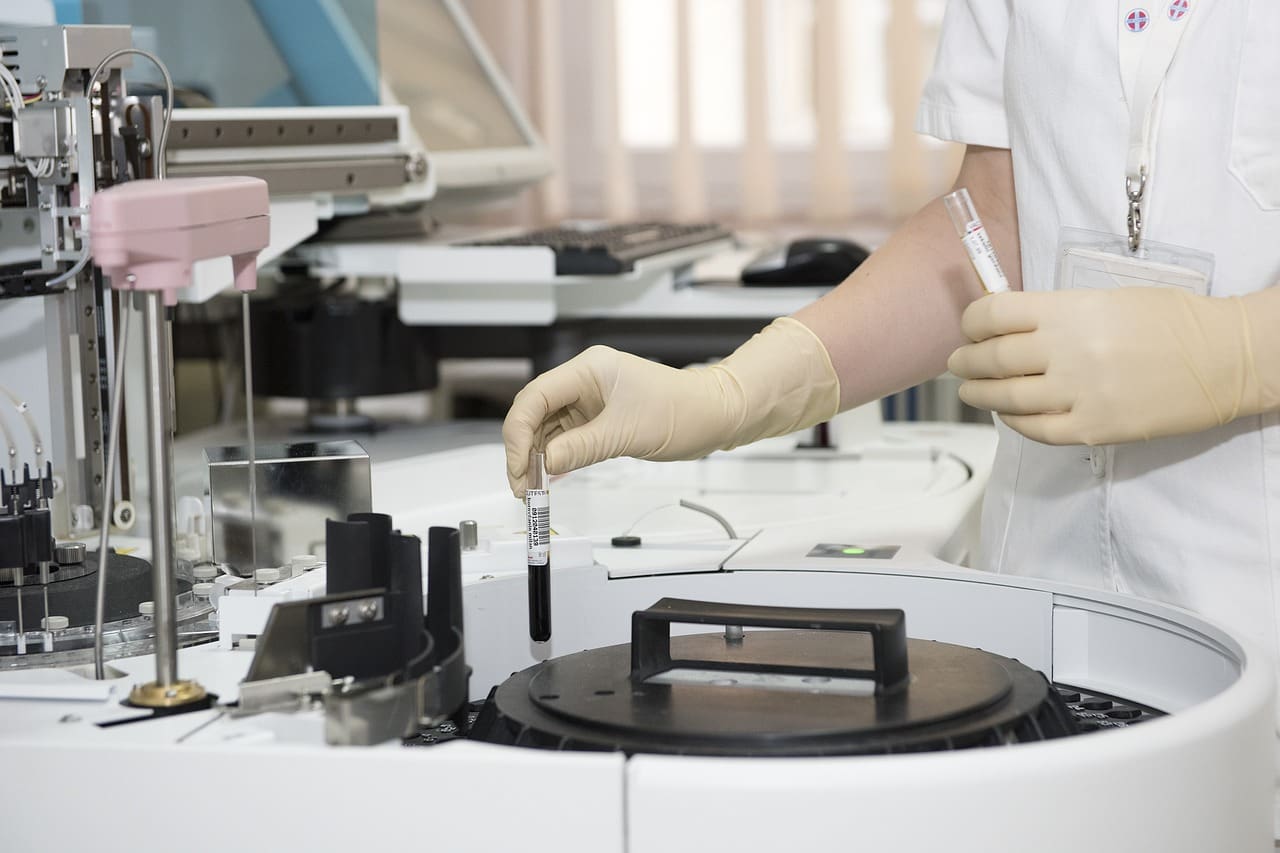
Regular health screenings are essential for detecting potential health problems early. These screenings may include blood pressure checks, cholesterol tests, mammograms, colonoscopies, and more. By staying up to date with your screenings, you can catch any issues before they escalate into more serious conditions.
Vaccinations
Vaccinations play a crucial role in preventing infectious diseases such as measles, influenza, and hepatitis. By ensuring that you and your family are up to date on vaccinations, you can protect yourselves and contribute to community immunity.
Healthy Lifestyle Choices
Lifestyle factors such as diet, exercise, sleep, and stress management have a significant impact on your overall health. By adopting healthy habits such as eating a balanced diet, staying physically active, getting enough rest, and managing stress, you can reduce your risk of chronic diseases and improve your well-being.
Preventive Medications
Some individuals may benefit from taking preventive medications to reduce their risk of certain conditions. For example, statins may be prescribed to lower cholesterol levels and prevent heart disease. It’s essential to discuss with your healthcare provider whether preventive medications are appropriate for you.
Genetic Testing
Genetic testing can provide valuable insight into your risk of developing certain genetic conditions. By understanding your genetic predispositions, you can make informed decisions about your health and take preventive measures to reduce your risk.

Creating a Preventive Health Plan
Developing a preventive health plan tailored to your individual needs is key to maintaining your well-being. Here are some steps to help you create a personalized preventive health plan:
Assess Your Health Risks
Start by assessing your current health status and identifying any risk factors that may predispose you to certain conditions. Consider factors such as age, family history, lifestyle habits, and medical history.
Consult with Healthcare Providers
Consult with your primary care physician or a healthcare provider to discuss your health goals and concerns. They can help you develop a comprehensive preventive health plan that addresses your specific needs and risk factors.
Schedule Routine Health Screenings
Make sure to schedule regular health screenings as recommended by your healthcare provider. These screenings can help detect any potential health issues early and guide appropriate interventions.
Establish Healthy Habits
Focus on incorporating healthy lifestyle choices into your daily routine. This includes eating a balanced diet, staying physically active, getting enough sleep, managing stress, and avoiding harmful habits such as smoking and excessive alcohol consumption.
Stay Informed
Educate yourself about preventive health and stay informed about the latest recommendations and guidelines. Knowing how to take care of your health can empower you to make informed decisions and advocate for your well-being.
Implementing Preventive Health Strategies
Implementing preventive health strategies into your daily life can have a profound impact on your well-being. Here are some practical tips to help you integrate preventive health measures into your routine:
Maintain a Healthy Diet
A well-balanced diet rich in fruits, vegetables, whole grains, lean proteins, and healthy fats can support your overall health and reduce your risk of chronic diseases. Aim to incorporate a variety of nutrient-dense foods into your meals and limit your intake of processed foods and sugary drinks.
Stay Active
Regular physical activity is essential for maintaining a healthy weight, improving cardiovascular health, and enhancing overall well-being. Aim for at least 150 minutes of moderate-intensity exercise per week, such as brisk walking, cycling, or swimming.
Get Adequate Rest
Quality sleep is crucial for your physical and mental health. Aim for 7-9 hours of uninterrupted sleep per night to allow your body to rest and recharge. Establish a bedtime routine and create a sleep-friendly environment to promote better sleep hygiene.
Manage Stress
Chronic stress can have a negative impact on your health, leading to a range of physical and emotional symptoms. Practice stress management techniques such as deep breathing, meditation, yoga, or mindfulness to reduce stress levels and improve your overall well-being.
Limit Alcohol and Tobacco Use
Excessive alcohol consumption and tobacco use are known risk factors for various health conditions, including heart disease, cancer, and respiratory disorders. If you currently smoke or drink heavily, consider seeking support to quit or reduce your intake.

The Role of Healthcare Providers in Preventive Health
Healthcare providers play a vital role in promoting preventive health and supporting patients in their wellness journey. By working collaboratively with your healthcare team, you can receive personalized guidance, screenings, and interventions to protect your health.
Primary Care Physicians
Primary care physicians are often the first point of contact for preventive health services. They can conduct routine screenings, provide health education, manage chronic conditions, and refer you to specialists as needed. Regular visits with your primary care physician can help you stay on track with your preventive health goals.
Specialists
Depending on your health needs and risk factors, you may need to see specialists such as cardiologists, endocrinologists, dermatologists, or oncologists for additional screenings or treatment. Specialists can provide targeted care and interventions to address specific health concerns.
Allied Health Professionals
Allied health professionals, including nurses, dietitians, physical therapists, and mental health counselors, can also play a crucial role in preventive health. These professionals can offer specialized support and guidance to help you manage your health and well-being.
Telehealth Services
Telehealth services, such as virtual appointments and online consultations, have become increasingly popular for preventive health management. These services offer convenience, accessibility, and flexibility for patients seeking preventive care from the comfort of their homes.
Monitoring Your Health Progress
Regularly monitoring your health progress is essential for evaluating the effectiveness of your preventive health strategies and making necessary adjustments. Here are some ways to track and monitor your health status:
Keep a Health Journal
Maintaining a health journal can help you track your symptoms, medications, diet, exercise, and other relevant health information. By recording your daily activities and observations, you can identify patterns, trends, and areas for improvement.
Utilize Health Apps
There are numerous health and fitness apps available that can help you monitor your health metrics, set goals, track progress, and stay motivated. These apps can provide valuable insights into your health habits and encourage you to make positive changes.
Schedule Regular Check-Ups
Make it a priority to schedule regular check-ups with your healthcare provider to review your health status, discuss any concerns, and receive appropriate screenings. These visits are an opportunity to address any emerging issues and adjust your preventive health plan as needed.
Listen to Your Body
Pay attention to any changes or unusual symptoms that may indicate a health problem. Trust your instincts and seek medical attention if you experience persistent or concerning symptoms that require further evaluation.
Conclusion: Prioritize Your Preventive Health
In conclusion, preventive health plays a crucial role in protecting your health, detecting potential issues early, and promoting overall well-being. By understanding the importance of preventive health measures, creating a personalized preventive health plan, implementing healthy lifestyle choices, and collaborating with your healthcare team, you can take proactive steps to safeguard your health and live your best life. Remember, your health is your most valuable asset, so prioritize it by making preventive health a top priority in your daily routine.