
Welcome to a guide on preventive health, where we will explore some valuable tips for enhancing your overall well-being. From maintaining a healthy diet to staying active and scheduling regular check-ups, these simple practices can help you stay on track to leading a balanced and fulfilling life. By focusing on prevention rather than treatment, you can take control of your health and foster a positive and sustainable lifestyle. Let’s dive in and discover how you can prioritize your well-being starting today. Have you ever wondered how you can improve your overall well-being without waiting for symptoms to arise? With preventive health measures, you can take proactive steps to maintain your health and prevent future illnesses. In this article, you will find tips and strategies to help you prioritize preventive health and achieve optimum well-being. Let’s dive in!

Importance of Preventive Health
Preventive health focuses on maintaining good health and preventing illnesses before they happen. By prioritizing preventive health, you can save yourself from the pain, suffering, and financial burden associated with treating diseases that could have been prevented.
Why is Preventive Health Important?
Taking care of your health is like investing in your future. Preventive health measures can help you stay healthy, active, and productive for years to come. By paying attention to your overall well-being now, you can reduce your risk of developing chronic diseases and enjoy a higher quality of life.
Tips for Preventive Health
Now that you understand the importance of preventive health, let’s explore some practical tips to help you improve your overall well-being.
Regular Health Check-ups
Scheduling regular check-ups with your healthcare provider is crucial for preventive health. These check-ups allow you to monitor your health, identify any potential issues early on, and take necessary actions to prevent them from progressing.
Healthy Diet
Eating a balanced and nutritious diet is essential for maintaining good health. A diet rich in fruits, vegetables, whole grains, lean proteins, and healthy fats can provide your body with the necessary nutrients to function optimally and prevent diseases.
Physical Activity
Regular exercise is key to preventive health. Engaging in physical activity can help you maintain a healthy weight, strengthen your muscles and bones, improve your cardiovascular health, and reduce your risk of chronic diseases like diabetes and heart disease.
Adequate Sleep
Getting enough quality sleep is vital for your overall well-being. Sleep plays a critical role in various bodily functions, including immune function, metabolism, and cognitive performance. Prioritize sleep hygiene practices to ensure you get restful sleep each night.
Stress Management
Chronic stress can have a negative impact on your health. Learning how to manage stress through relaxation techniques, mindfulness practices, and regular self-care can help you maintain your mental and emotional well-being.
Avoid Harmful Habits
Avoiding harmful habits like smoking, excessive alcohol consumption, and substance abuse is crucial for preventive health. These habits can increase your risk of developing serious health conditions and should be replaced with healthier alternatives.
Preventive Health Screenings
Preventive health screenings are tests or exams that can help detect potential health problems early on, even before you experience symptoms. By undergoing these screenings regularly, you can catch issues in their early stages and take necessary actions to prevent them from progressing.
Common Preventive Health Screenings
Here are some common preventive health screenings that you should consider getting regularly:
| Screening Test | Frequency | Purpose |
|---|---|---|
| Blood Pressure Screening | Every 1-2 years | To monitor your cardiovascular health |
| Cholesterol Screening | Every 4-6 years | To assess your risk of heart disease |
| Blood Glucose Test | Every 3 years | To check for diabetes risk |
| Mammogram (Women) | Every 1-2 years | To detect breast cancer |
| Pap Smear (Women) | Every 3 years | To screen for cervical cancer |
| Colonoscopy (Men and Women) | Every 10 years | To screen for colorectal cancer |
Consult with your healthcare provider to determine which screenings are appropriate for you based on your age, gender, family history, and other risk factors.
Healthy Lifestyle Choices
Incorporating healthy lifestyle choices into your daily routine is essential for preventive health. Making small but significant changes to your habits can have a positive impact on your overall well-being.
Healthy Eating Habits
- Eat plenty of fruits and vegetables
- Choose whole grains over refined carbohydrates
- Limit intake of processed and sugary foods
- Drink plenty of water throughout the day
Physical Activity
- Aim for at least 150 minutes of moderate-intensity exercise per week
- Incorporate strength training exercises at least twice a week
- Stay active throughout the day by taking short walks or stretching regularly
Stress Management
- Practice mindfulness and deep breathing exercises
- Engage in activities that bring you joy and relaxation
- Prioritize self-care activities like meditation, yoga, or spending time in nature
Self-Care Practices
- Get regular massages or acupuncture treatments
- Treat yourself to a spa day or a relaxing bath
- Practice gratitude and positive affirmations daily

Importance of Mental Health
Mental health is an integral part of your overall well-being. Prioritizing your mental health can help you cope with stress, build resilience, and improve your quality of life.
Why is Mental Health Important?
Mental health impacts how you think, feel, and act in your daily life. Taking care of your mental health can help you navigate challenges, build strong relationships, and lead a fulfilling life.
Signs of Poor Mental Health
It’s essential to pay attention to the signs of poor mental health and seek help when needed. Some common signs include:
- Feeling sad or hopeless
- Changes in appetite or sleep patterns
- Difficulty concentrating
- Increased irritability or mood swings
Mental Health Self-Care
- Practice mindfulness and meditation
- Engage in hobbies or activities you enjoy
- Connect with supportive friends or family members
- Seek professional help if needed from a therapist or counselor
Building a Supportive Network
Having a strong support system can play a crucial role in maintaining your overall well-being. Surrounding yourself with positive and supportive individuals can provide emotional, mental, and social support when you need it most.
Importance of Supportive Relationships
Supportive relationships can:
- Reduce feelings of loneliness and isolation
- Provide a sense of security and belonging
- Offer encouragement and motivation during difficult times
- Improve your overall mental and emotional well-being
Cultivating Supportive Relationships
- Maintain open communication with friends and family members
- Participate in social activities or group gatherings
- Join clubs, organizations, or support groups related to your interests
- Seek out professional help if you’re struggling to find support in your current relationships
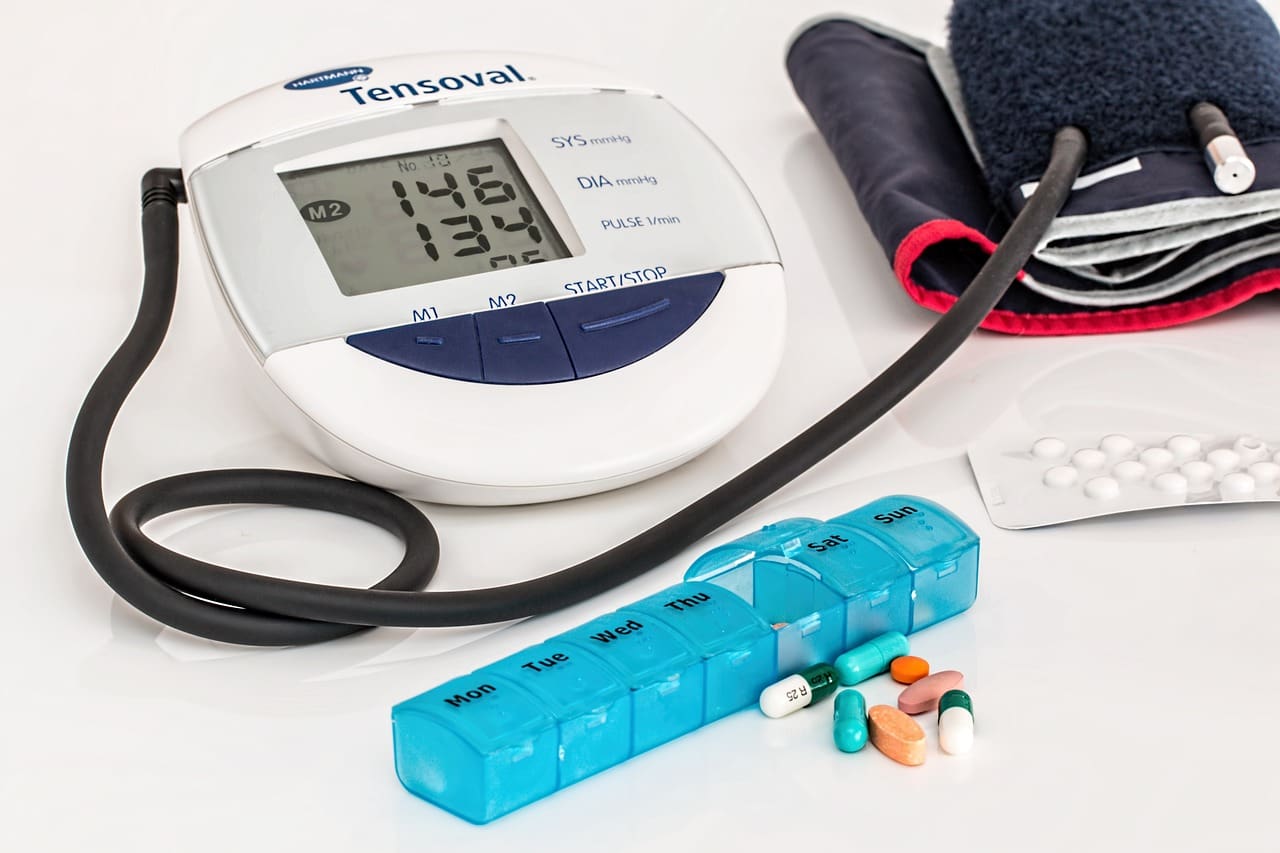
Incorporating Preventive Health Into Your Routine
Now that you have a better understanding of preventive health and its importance, it’s time to take action and incorporate these tips into your daily routine.
Create a Preventive Health Plan
Develop a personalized preventive health plan that includes:
- Regular health check-ups with your healthcare provider
- Healthy eating habits and regular physical activity
- Preventive health screenings based on your age and risk factors
- Stress management and self-care practices
- Prioritizing mental health and building a supportive network
Set Realistic Goals
Start small and set achievable goals that align with your lifestyle and preferences. Gradually incorporate preventive health practices into your routine and celebrate your progress along the way.
Stay Consistent
Consistency is key when it comes to preventive health. Make a commitment to prioritize your health and well-being every day, and remember that small, consistent efforts can lead to significant long-term benefits.
Monitor Your Progress
Track your progress by keeping a health journal, using fitness apps, or scheduling regular follow-ups with your healthcare provider. Reflect on your successes and challenges to make necessary adjustments to your preventive health plan.
Takeaway
Prioritizing preventive health is a proactive approach to maintaining your overall well-being and preventing future illnesses. By incorporating healthy lifestyle choices, preventive health screenings, and mental health practices into your routine, you can take control of your health and enjoy a higher quality of life. Remember, your health is your greatest asset, so invest in it wisely. Start today and make preventive health a priority in your life!