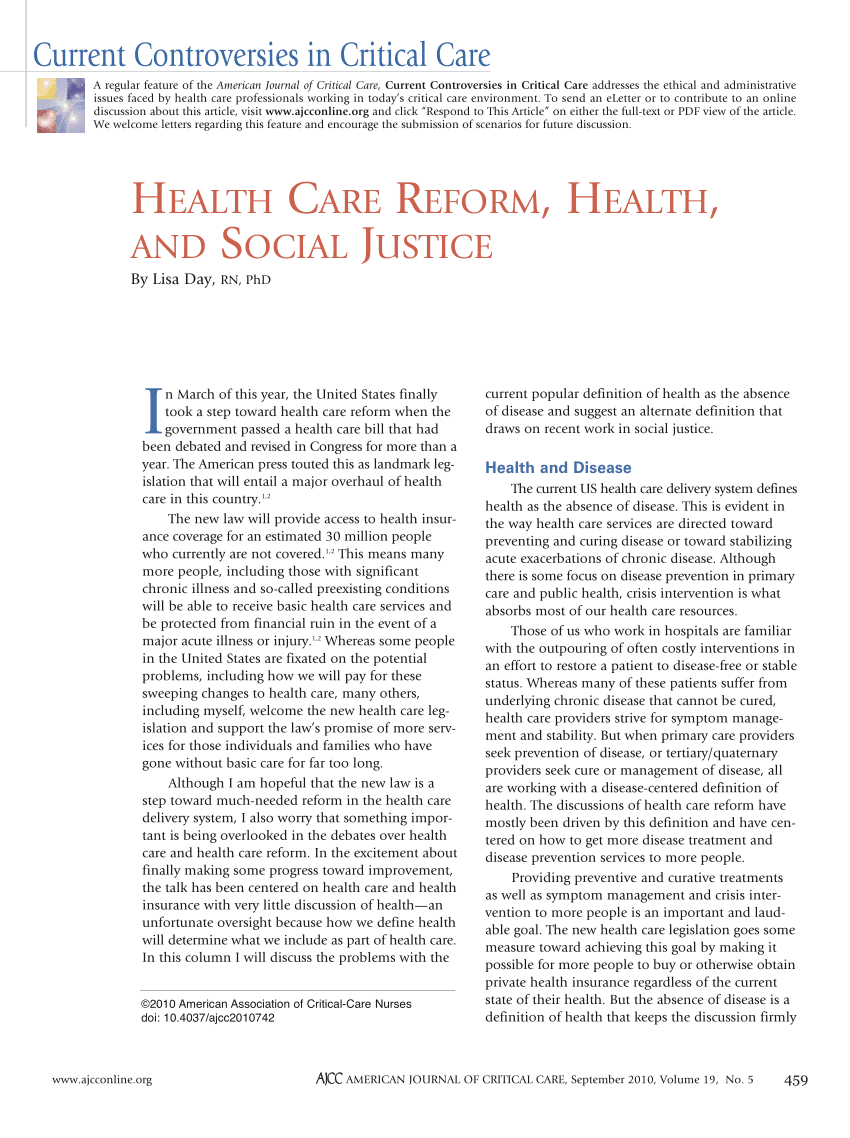
In the pursuit of a more equitable society, reforming healthcare policies has emerged as a promising avenue to promote social justice and uphold human rights. By ensuring access to quality healthcare for all individuals, regardless of their socio-economic background or racial identity, we can effectively address disparities in health outcomes. This article explores the transformative potential of healthcare policy reform in creating a more just and inclusive society, where every person can enjoy their fundamental right to optimal health and well-being.
Importance of Healthcare Policy Reform
Addressing Disparities in Access to Healthcare
Healthcare policy reform plays a critical role in addressing the disparities in access to healthcare that exist in our society. Access to affordable and quality healthcare should be a fundamental right, yet unfortunately, many individuals and communities face significant barriers in accessing the care they need. These barriers can be based on factors such as income level, race or ethnicity, geographical location, or immigration status. Through healthcare policy reform, we can work towards dismantling these barriers and ensuring that everyone has equal access to healthcare services.
Ensuring Equitable Distribution of Healthcare Resources
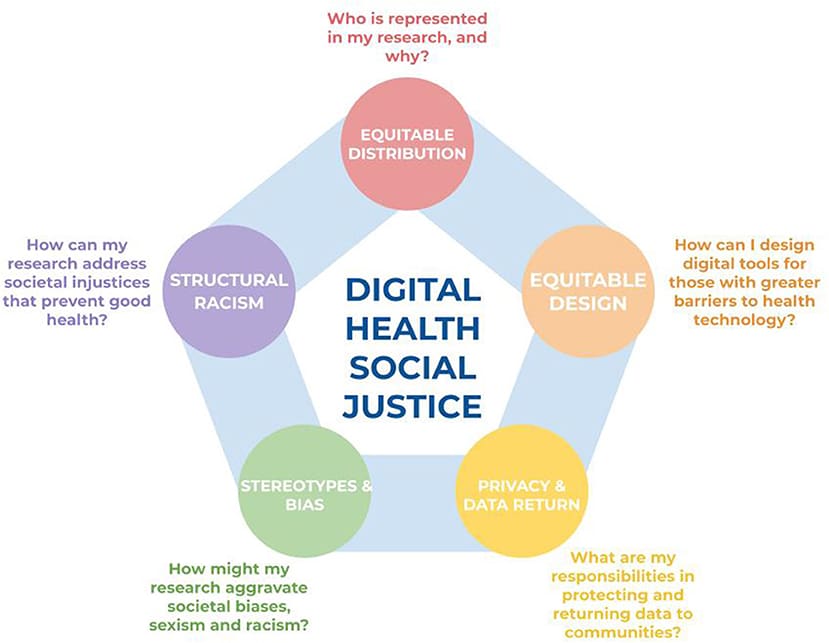
Another key aspect of healthcare policy reform is ensuring the equitable distribution of healthcare resources. It is essential that healthcare services and resources are distributed in a way that takes into account the diverse needs of different communities and populations. This includes not only ensuring that healthcare facilities and providers are accessible geographically, but also considering the specific healthcare needs of marginalized and vulnerable populations. By focusing on equitable distribution, we can strive towards a healthcare system that meets the needs of all individuals, regardless of their background or circumstances.
Promoting Health Equity for Vulnerable Populations
Vulnerable populations, such as low-income individuals, racial and ethnic minorities, and those with limited English proficiency, often face significant health disparities. Healthcare policy reform can address these disparities by promoting health equity for these populations. This involves implementing policies and initiatives that specifically target the underlying social determinants of health that contribute to these disparities, such as poverty, discrimination, and limited educational opportunities. By addressing these social determinants of health, we can work towards ensuring that vulnerable populations have the same opportunities for good health as their more privileged counterparts.
Healthcare Policy Reform Strategies
Expanding Access to Affordable Healthcare
One of the primary strategies for healthcare policy reform is expanding access to affordable healthcare. This involves implementing policies that increase the availability of healthcare coverage options, such as expanding Medicaid and creating public health insurance options. Additionally, it requires addressing the affordability of healthcare services, including the costs of medications and preventive care. By expanding access to affordable healthcare, we can ensure that individuals have the financial means to seek the care they need without facing excessive financial burdens.
Eliminating Discrimination in Healthcare
Discrimination in healthcare is a significant barrier to receiving quality care and achieving optimal health outcomes. Healthcare policy reform must aim to eliminate discrimination in all its forms. This includes ensuring that healthcare providers receive cultural competency training to better serve diverse populations, as well as implementing policies that protect individuals from discrimination based on factors such as race, ethnicity, gender, sexual orientation, or disability status. By eliminating discrimination in healthcare, we can create an environment where everyone feels safe and comfortable seeking the care they need.
Enhancing Cultural Competency in Healthcare Delivery
Cultural competency is vital in providing quality healthcare to diverse populations. Healthcare policy reform should emphasize the importance of cultural competency in healthcare delivery. This involves implementing training programs and educational initiatives that promote cultural sensitivity and understanding among healthcare providers. By enhancing cultural competency, healthcare providers can better understand and address the unique healthcare needs and preferences of diverse populations. This, in turn, can lead to improved health outcomes and increased patient satisfaction.

Incorporating Social Determinants of Health
Recognizing the Impact of Socioeconomic Factors on Health
The social determinants of health, such as poverty, education, employment, and housing, significantly influence an individual’s health and well-being. Healthcare policy reform must recognize and address the impact of these socioeconomic factors on health. This involves implementing policies that aim to reduce poverty, improve educational opportunities, promote employment, and ensure access to safe and affordable housing. By addressing the social determinants of health, we can create an environment where individuals have the resources and opportunities to achieve and maintain good health.
Implementing Policies that Address Social Determinants of Health
Incorporating social determinants of health into healthcare policy reform requires implementing policies that specifically address these factors. For example, policies can focus on increasing access to education and job training programs in disadvantaged communities, expanding affordable housing options, and promoting economic development in impoverished areas. By targeting the social determinants of health, healthcare policy reform can have a more significant and lasting impact on improving health outcomes and reducing health disparities.
Promoting Health in All Policies Approach
Promoting a “health in all policies” approach is another essential aspect of healthcare policy reform. This approach recognizes that health is influenced by a wide range of factors, including policies and practices in sectors outside of healthcare, such as education, transportation, and urban planning. By integrating health considerations into all policy decisions, we can create environments that promote physical and mental well-being. For example, creating walkable communities with easy access to green spaces and healthy food options can encourage physical activity and improve overall health. By promoting a “health in all policies” approach, healthcare policy reform can have a transformative impact on the health of individuals and communities.
Promotion of Human Rights
Ensuring the Right to Health and Healthcare
Healthcare policy reform is closely tied to promoting and ensuring the right to health and healthcare for all individuals. The right to health is recognized as a fundamental human right by international bodies such as the World Health Organization and the United Nations. Healthcare policy reform should aim to establish a legal framework that guarantees access to essential healthcare services and protects individuals from discrimination in healthcare settings. By recognizing health as a human right, we can work towards a healthcare system that treats every individual with dignity and respect.
Protecting the Rights of Marginalized and Vulnerable Groups
Healthcare policy reform must also prioritize the protection of the rights of marginalized and vulnerable groups. These groups often face additional barriers and discrimination in accessing healthcare services and experience higher rates of health disparities. Healthcare policy reform should aim to address the underlying social, economic, and structural factors that contribute to these disparities. Additionally, it should include provisions that protect the rights of individuals from marginalized and vulnerable groups, including the right to autonomy, privacy, and informed consent.
Addressing Discrimination and Stigma in Healthcare Settings
Discrimination and stigma can have a detrimental impact on individuals’ health outcomes and healthcare experiences. Healthcare policy reform should include measures to address and eliminate discrimination and stigma in healthcare settings. This can involve implementing policies that prohibit discrimination based on race, ethnicity, gender, sexual orientation, or disability status, as well as promoting cultural competency training for healthcare providers. By creating a healthcare system that is free from discrimination and stigma, we can create an environment where individuals feel comfortable seeking the care they need and are treated with dignity and respect.
Healthcare Policy Reform and Gender Equality
Advancing Women’s Health and Reproductive Rights
Healthcare policy reform plays a crucial role in advancing women’s health and reproductive rights. This includes ensuring access to comprehensive reproductive healthcare services, such as contraception, prenatal care, and safe and legal abortion. Additionally, it involves addressing gender-based health disparities and promoting gender-sensitive healthcare approaches. By prioritizing women’s health and reproductive rights in healthcare policy reform, we can work towards achieving gender equality and empowering women to make informed decisions about their health and well-being.
Eliminating Gender-Based Healthcare Disparities
Gender-based healthcare disparities continue to exist in our society, with women often facing unique challenges and barriers in accessing quality healthcare. Healthcare policy reform must aim to eliminate these disparities by addressing the underlying factors that contribute to them. This includes addressing biases in healthcare delivery, ensuring access to gender-specific screenings and treatments, and promoting research and funding focused on women’s health. By eliminating gender-based healthcare disparities, we can create a healthcare system that provides equitable care to all individuals, regardless of their gender.
Promoting LGBTQ+ Inclusive Healthcare Policies
Healthcare policy reform should also prioritize the promotion of LGBTQ+ inclusive healthcare policies. LGBTQ+ individuals often face discrimination and barriers in accessing healthcare services, leading to lower rates of healthcare utilization and poorer health outcomes. Healthcare policy reform should include provisions that protect LGBTQ+ individuals from discrimination and ensure that healthcare providers receive training on the unique healthcare needs of this population. By promoting LGBTQ+ inclusive healthcare policies, we can create an inclusive and welcoming healthcare system for all individuals, regardless of their sexual orientation or gender identity.
Promoting Mental Health and Well-being
Integrating Mental Health Services into Primary Healthcare
Promoting mental health and well-being requires the integration of mental health services into primary healthcare. This involves ensuring that individuals have access to mental health screenings, assessments, and interventions at the same location where they receive their primary healthcare. By integrating mental health services into primary care settings, we can reduce the stigma associated with seeking mental healthcare and improve access to mental health services for individuals who may have otherwise delayed or avoided seeking help.
Reducing Stigma and Discrimination against Mental Health Conditions
Stigma and discrimination against mental health conditions can prevent individuals from seeking the help they need and accessing appropriate mental health services. Healthcare policy reform should aim to reduce stigma and discrimination by promoting mental health literacy and awareness, as well as implementing anti-stigma campaigns. Additionally, policies should address the social and structural factors that contribute to mental health stigma, such as socioeconomic disparities and inadequate access to mental health services. By reducing stigma and discrimination, healthcare policy reform can create a more supportive and inclusive environment for individuals living with mental health conditions.
Ensuring Access to Quality Mental Health Services
Access to quality mental health services is crucial for individuals’ overall well-being. Healthcare policy reform should prioritize ensuring access to evidence-based mental health treatments, including therapy, medication, and community-based support services. This involves addressing gaps in mental health service availability, particularly in underserved communities. Additionally, policies should include provisions that promote mental health parity, which ensures that mental health services are covered at the same level as physical health services by insurance plans. By ensuring access to quality mental health services, healthcare policy reform can improve mental health outcomes and contribute to overall well-being.

Ethical Considerations in Healthcare Policy Reform
Balancing Individual Autonomy and Public Health
Healthcare policy reform often raises ethical considerations related to balancing individual autonomy and public health. Policies must strike a balance that respects individuals’ rights to make autonomous decisions about their health while also considering the potential impact on public health. For example, policies related to vaccination campaigns may require careful consideration of individual rights to refuse vaccines and the potential public health consequences of low vaccination rates. Healthcare policy reform must engage in ethical deliberation and consider the principles of autonomy, justice, beneficence, and non-maleficence to ensure that policies are both ethically sound and promote the health of individuals and communities.
Respecting Informed Consent and Privacy
Respecting individuals’ right to informed consent and privacy is a critical ethical consideration in healthcare policy reform. Policies must prioritize ensuring that individuals have access to accurate and comprehensive information about their healthcare options and can make decisions based on their own values and preferences. Additionally, policies should protect individuals’ privacy and confidential information, ensuring that their personal health information is securely stored and shared only with their informed consent. By respecting informed consent and privacy, healthcare policy reform can uphold individuals’ rights to make decisions about their healthcare and maintain their privacy and dignity.
Addressing Ethical Issues in Resource Allocation
Resource allocation is often a challenging ethical consideration in healthcare policy reform. Due to limited resources, policymakers must make difficult decisions about how to distribute healthcare resources in a fair and just manner. This includes considerations of cost-effectiveness, efficiency, and equitable distribution. Policies must strive to ensure that resources are allocated based on need and the potential to improve health outcomes, while also considering the principles of justice and fairness. By addressing ethical issues in resource allocation, healthcare policy reform can help create a healthcare system that is both efficient and equitable.
Role of Advocacy and Activism
Engaging Communities in Healthcare Policy Reform
Advocacy and activism play a vital role in healthcare policy reform. Engaging communities in the policy-making process allows for their voices to be heard and ensures that policies are developed with the input and perspectives of those most affected. Community engagement can involve town hall meetings, public forums, and the involvement of community organizations and grassroots movements. By actively involving communities in healthcare policy reform, we can ensure that policies are responsive to the needs and concerns of the people they are intended to serve.
Empowering Grassroots Movements for Change
Grassroots movements have the power to effect meaningful change in healthcare policy reform. These movements often emerge from the ground up, driven by the passion and dedication of individuals who are directly impacted by healthcare disparities and injustices. Healthcare policy reform should empower and support grassroots movements by providing resources, tools, and platforms for advocacy and activism. By amplifying the voices of grassroots movements, healthcare policy reform can be more inclusive, responsive, and representative of the diverse needs and priorities of individuals and communities.
Promoting Citizen Participation in Decision-Making
Citizen participation in decision-making processes is essential for ensuring that healthcare policy reform reflects the needs and values of the population. Policymakers should actively seek input from citizens through public hearings, advisory committees, and other participatory mechanisms. By involving citizens in decision-making, healthcare policy reform can be more democratic, transparent, and accountable. Additionally, citizen participation can help build trust between communities and policymakers, fostering collaboration and shared responsibility for the implementation of healthcare policies.

The Intersection of Healthcare and Criminal Justice
Reforming Healthcare Services in Correctional Facilities
The intersection of healthcare and criminal justice presents unique challenges and opportunities for healthcare policy reform. Healthcare services in correctional facilities play a critical role in ensuring the health and well-being of incarcerated individuals. Healthcare policy reform should prioritize the reform and improvement of healthcare services in correctional facilities, including providing comprehensive and evidence-based healthcare, mental health services, and substance abuse treatment. By ensuring access to quality healthcare in correctional settings, we can contribute to the rehabilitation and well-being of individuals in the criminal justice system.
Addressing Healthcare Disparities among Incarcerated Individuals
Incarcerated individuals often face significant healthcare disparities, with higher rates of chronic illness, mental health conditions, and substance abuse disorders compared to the general population. Healthcare policy reform must address these disparities by focusing on prevention, early intervention, and comprehensive healthcare services within correctional settings. Additionally, policies should aim to promote continuity of care and support services for individuals transitioning from incarceration back into the community. By addressing healthcare disparities among incarcerated individuals, healthcare policy reform can contribute to breaking the cycle of incarceration and improve public health outcomes.
Promoting Rehabilitation and Reintegration After Incarceration
Healthcare policy reform should also promote rehabilitation and reintegration after incarceration. Access to healthcare services, including mental health and substance abuse treatment, is crucial for successful reentry into society. Additionally, policies should address the social determinants of health that contribute to recidivism, such as access to education, employment opportunities, and stable housing. By promoting rehabilitation and reintegration, healthcare policy reform can contribute to reducing rates of reoffending and promoting the overall well-being of individuals as they transition back into their communities.
Conclusion
The importance of healthcare policy reform cannot be overstated, as it plays a critical role in promoting social justice and human rights. By addressing disparities in access to healthcare, ensuring equitable distribution of healthcare resources, and promoting health equity for vulnerable populations, healthcare policy reform can contribute to creating a more just and equitable society. Strategies such as expanding access to affordable healthcare, eliminating discrimination, and enhancing cultural competency can enhance the delivery of healthcare services and promote better health outcomes. By incorporating social determinants of health and prioritizing human rights, healthcare policy reform can address underlying factors that contribute to health disparities and inequities. Promoting mental health and well-being, considering ethical considerations, and empowering advocacy and activism are essential components of healthcare policy reform. Additionally, recognizing the intersection of healthcare and criminal justice can guide efforts to reform healthcare services in correctional facilities, address disparities among incarcerated individuals, and promote rehabilitation and reintegration. Continued advocacy for meaningful reform and collaboration among policymakers, healthcare providers, communities, and grassroots movements are crucial for creating a more equitable and just healthcare system. Through comprehensive and thoughtful healthcare policy reform, we can promote social justice, protect human rights, and improve the health and well-being of all individuals.