Are you looking to boost your immune system? Men, in particular, can benefit from some simple yet effective tips to strengthen their body’s defense mechanisms. In this article, you will find proven strategies specifically tailored for men to enhance their immune system. By incorporating these tips into your daily routine, you can support your body’s ability to fight off illnesses and maintain optimal health. Don’t miss out on these valuable insights that could make a world of difference in your overall well-being.
1. Eat a Balanced Diet
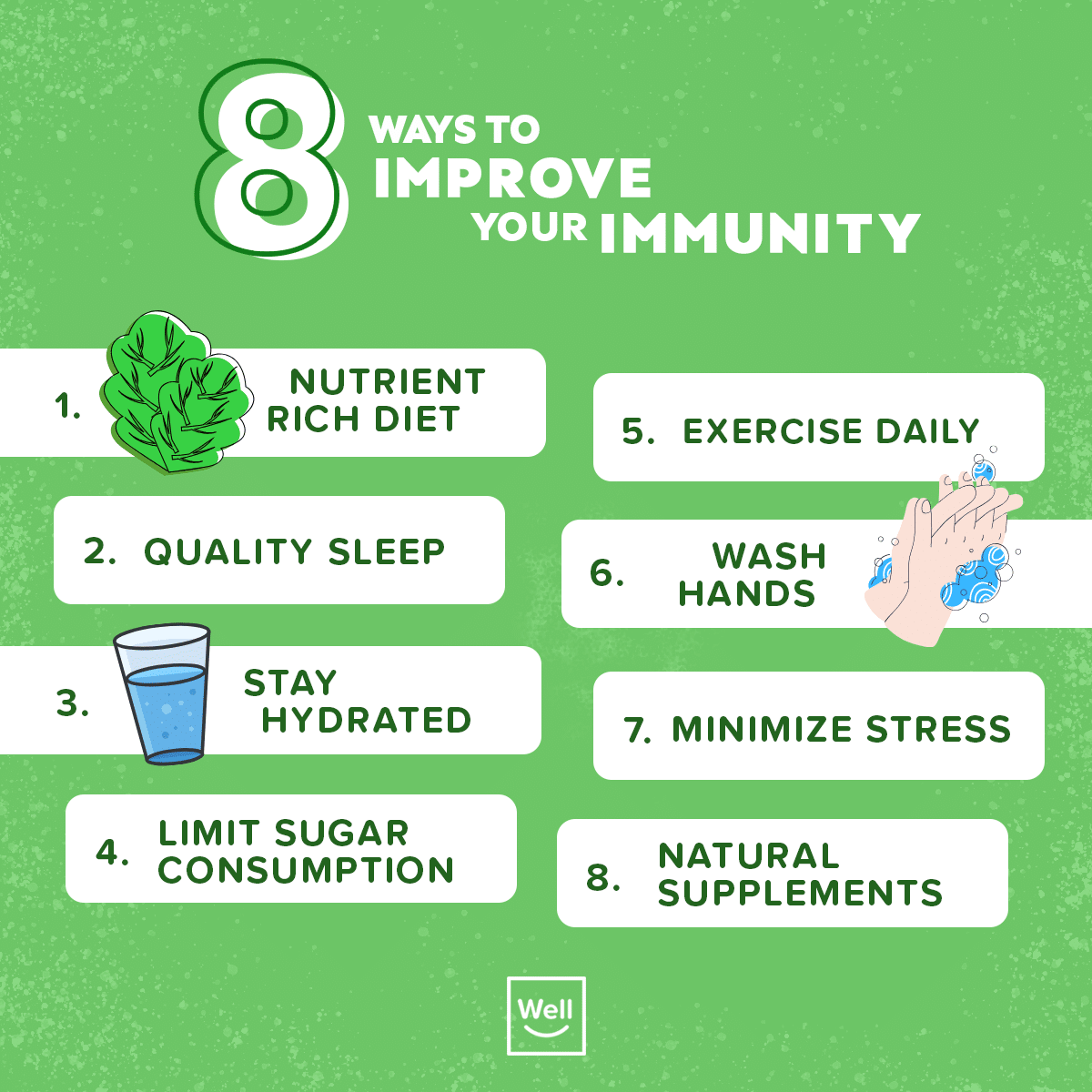
Maintaining a balanced diet is essential for boosting your immune system. One of the key factors in a balanced diet is incorporating plenty of fruits and vegetables. These natural sources of vitamins and minerals provide your body with essential nutrients to support a healthy immune system. Try to include a variety of colors in your meals to ensure you’re getting a wide range of nutrients.
In addition to fruits and vegetables, it’s important to include lean proteins in your diet. These proteins, such as chicken, turkey, fish, and legumes, provide the building blocks for a strong immune system. Incorporate whole grains like brown rice, quinoa, and whole wheat bread to provide your body with fiber and complex carbohydrates to fuel your immune system.
Don’t forget to include healthy fats in your diet as well. Avocados, nuts, and seeds are all excellent sources of healthy fats that can boost your immune system. Lastly, remember to stay hydrated by drinking plenty of water throughout the day. Hydration is crucial for maintaining healthy bodily functions and supporting a strong immune system.
2. Get Regular Exercise
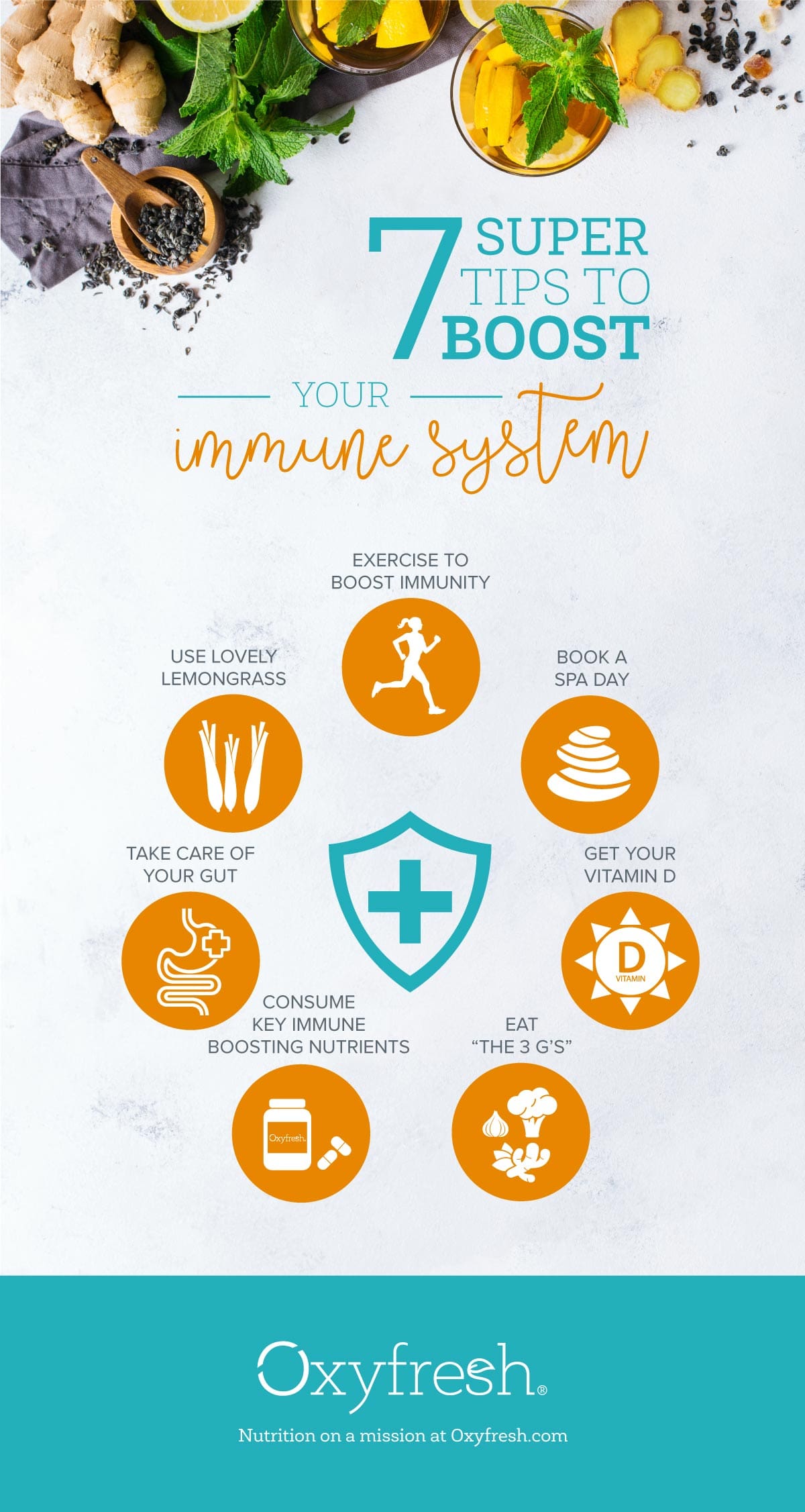
Regular exercise is not only beneficial for your physical health but can also enhance your immune system. Engaging in aerobic activities like jogging, cycling, or swimming can improve blood circulation and strengthen your immune response. Aim for at least 150 minutes of moderate aerobic activity per week to reap the benefits.
Incorporating strength training exercises into your routine can also be beneficial. These exercises, such as weightlifting or bodyweight exercises, help build and maintain muscle mass, which is important for a healthy immune system. Additionally, including flexibility exercises like yoga or stretching can improve your overall mobility and reduce the risk of injury.
It’s crucial to maintain a consistent exercise routine to maximize the immune-boosting benefits. Find activities that you enjoy and make them a regular part of your daily or weekly schedule. Whether it’s going for a walk in nature or joining a sports team, finding ways to stay active will contribute to a stronger immune system.
3. Manage Stress Levels
Stress can have a negative impact on your immune system, so it’s important to manage your stress levels effectively. Practice relaxation techniques such as deep breathing, meditation, or yoga to reduce stress and promote a sense of calm. Taking just a few minutes each day to focus on deep breathing can make a significant difference in your overall well-being.
Engaging in stress-reducing activities can also help boost your immune system. Find activities that help you unwind and relax, such as reading a book, listening to music, or taking a warm bath. These activities allow your body and mind to de-stress, which in turn supports a healthy immune system.
Getting enough sleep is another crucial aspect of managing stress levels and supporting a strong immune system. Aim for 7-9 hours of quality sleep each night. Establishing a consistent sleep schedule, creating a conducive sleep environment, and implementing bedtime rituals to promote relaxation can all contribute to better sleep.
If stress becomes overwhelming and starts to impact your daily life, it may be helpful to consider therapy or counseling. Speaking with a mental health professional can provide you with valuable strategies to manage stress and improve your overall well-being.
4. Ensure Sufficient Sleep
Sufficient sleep is vital for a healthy immune system. When you sleep, your body repairs and rejuvenates itself, strengthening your immune response. It’s important to maintain a consistent sleep schedule, going to bed and waking up at the same time each day, even on weekends. This helps regulate your body’s internal clock, allowing for a more restful sleep.
Creating a conducive sleep environment is also essential. Make sure your bedroom is cool, dark, and quiet. Invest in a comfortable mattress, pillow, and bedding to enhance your sleep quality. Avoid stimulating activities or electronics before bedtime, as the blue light emitted from screens can disrupt sleep patterns.
Implementing bedtime rituals can also promote relaxation and better sleep. Engage in activities such as reading a book, taking a warm bath, or practicing deep breathing exercises before bed. These routines signal to your body that it’s time to wind down and prepare for sleep.
By prioritizing sufficient sleep, you’ll not only feel more rested and energized but also support your immune system’s ability to defend against pathogens.
5. Limit Alcohol Consumption
While it’s okay to enjoy alcohol in moderation, excessive alcohol consumption can weaken your immune system. To promote a healthy immune system, it’s recommended to moderate your alcohol intake. For men, this means up to two standard drinks per day.
It’s important to avoid binge drinking, as this can have a significant negative impact on your immune system. Binge drinking refers to consuming large amounts of alcohol in a short period, usually four or more drinks for women and five or more drinks for men.
Staying within the recommended limits will help minimize the potential detrimental effects on your immune system and overall health.
6. Maintain a Healthy Weight
Maintaining a healthy weight is crucial for optimal immune function. Following a balanced diet that includes plenty of fruits, vegetables, lean proteins, whole grains, and healthy fats can help you achieve and maintain a healthy weight.
In addition to a balanced diet, regular physical activity is key. Engaging in exercises that burn calories, improve cardiovascular health, and build muscle can support weight management and enhance your immune system.
Monitoring portion sizes is also important for maintaining a healthy weight. Pay attention to portion sizes and be mindful of your food choices to avoid overeating. Incorporating mindful eating practices, such as eating slowly and savoring each bite, can help you tune in to your body’s hunger and fullness cues.
While it may be tempting to try crash diets for quick weight loss, these approaches can be detrimental to your immune system. They often restrict essential nutrients, leading to a weakened immune response. Instead, focus on making sustainable lifestyle changes that support long-term weight management and overall immune health.

7. Quit Smoking
Smoking is highly damaging to your immune system, making it essential to quit if you’re a smoker. Seek professional help if needed, as smoking cessation can be challenging. Healthcare professionals can provide guidance, support, and resources to help you successfully quit smoking.
In addition to professional help, finding alternative coping mechanisms can assist in quitting smoking. Instead of reaching for a cigarette, seek healthier ways to manage stress and emotions. Engage in activities such as exercise, deep breathing, or pursuing a hobby to distract yourself from the urge to smoke.
Joining support groups can also provide you with a sense of community and accountability during your journey to quit smoking. Connecting with others who are going through or have overcome the same challenges can be highly beneficial.
Staying motivated to quit is crucial. Keep reminding yourself of the numerous health benefits that come with quitting smoking, including a stronger immune system. Your commitment and determination will ultimately lead to success.
8. Stay Hygienic
Practicing good hygiene habits is an effective way to protect yourself and others from illnesses. Washing your hands regularly is one of the most important steps you can take. Use soap and water, and scrub your hands for at least 20 seconds, especially before eating, after using the restroom, and after being in a public place.
Maintaining good oral hygiene is also essential. Brush your teeth at least twice a day and floss daily to prevent bacterial growth in your mouth that can weaken your immune system. Don’t forget to schedule regular dental check-ups and cleanings to ensure optimal oral health.
Getting vaccinated is another key aspect of staying hygienic and protecting yourself from preventable diseases. Stay up to date with recommended vaccines, including flu shots, to give your immune system an extra boost.
Lastly, avoid close contact with sick individuals, especially during flu or cold seasons. If you’re feeling unwell, it’s important to stay home to prevent the spread of illness to others.

9. Supplement Wisely
While a balanced diet should provide most of the essential nutrients for a healthy immune system, supplements can be beneficial in certain cases. It’s essential to consult a healthcare professional before starting any supplements, as they can provide personalized recommendations based on your specific needs.
Vitamin C and vitamin D are commonly recommended supplements for immune health. Vitamin C is known for its antioxidant properties and its ability to support immune function. Vitamin D, often referred to as the “sunshine vitamin,” plays a crucial role in immune response and overall health.
You may also consider exploring herbal remedies that are known for their immune-boosting properties. Echinacea, elderberry, and garlic are a few examples of herbs that have been traditionally used to support immune health. However, it’s important to consult with a healthcare professional to ensure these remedies are safe and appropriate for you.
Probiotics, which are beneficial bacteria that promote a healthy gut, can also support your immune system. They can be found in certain foods like yogurt or taken as a supplement. Again, consult with a healthcare professional to determine the best probiotic option for you.
10. Stay Active Socially
Maintaining an active social life can have a positive impact on your overall well-being, including your immune system. Social connections and interactions provide a sense of support, belonging, and happiness, all of which contribute to a healthy immune system.
Make an effort to maintain social connections with friends, family, and loved ones. Reach out to them regularly, whether it’s through phone calls, video chats, or in-person meetups. Engage in activities or hobbies that interest you, as this can provide opportunities to meet and connect with others who share similar interests.
Joining social or community groups can also be an excellent way to stay active socially. Participate in clubs, sports teams, or volunteer organizations to meet new people and contribute to your community. These connections can provide a sense of purpose and fulfillment, which can positively impact your immune system.
Supporting others is equally important. Engage in acts of kindness and compassion, as helping others promotes a sense of gratitude and well-being. Offering support to those in need can strengthen both your immune system and your relationships.
By following these proven tips for boosting your immune system, you’ll be well-equipped to maintain a healthy and resilient body. Remember, these are lifelong habits that require consistency and dedication. Prioritize your health and well-being, and enjoy the benefits of a strong immune system.