In today’s fast-paced world, caregivers often find themselves constantly giving to others without taking the time to care for themselves. However, it is essential for caregivers to recognize the signs of compassion fatigue and prioritize self-care in order to continue providing effective care. This article aims to shed light on the signs of compassion fatigue and offer practical self-care strategies to help caregivers find balance and maintain their well-being. Whether you’re a professional caregiver or simply caring for a loved one, understanding and addressing compassion fatigue is crucial for both the caregiver and the person receiving care.
Understanding Compassion Fatigue
What is compassion fatigue?
Compassion fatigue refers to the emotional and physical exhaustion that can occur as a result of caring for others, particularly in demanding and challenging caregiving professions. It is often experienced by individuals who provide care and support to those who are suffering or in distress, such as healthcare professionals, social workers, and first responders. While compassion is a necessary and important quality for caregivers, prolonged exposure to the suffering of others can take a toll on their well-being and lead to compassion fatigue.
Causes of compassion fatigue
Compassion fatigue can be caused by a variety of factors, including the high workload and long hours that caregivers often face. The emotional intensity of caregiving, including witnessing traumatic events and dealing with high levels of stress, can also contribute to compassion fatigue. Additionally, a lack of support and social isolation can make caregivers more vulnerable to experiencing compassion fatigue. Personal history of trauma or loss can further increase the risk of developing compassion fatigue.
The impact of compassion fatigue on caregivers
Compassion fatigue can have a significant impact on caregivers, both personally and professionally. Caregivers experiencing compassion fatigue may find themselves feeling emotionally drained, numb, or detached from their work and the people they care for. They may also experience physical symptoms such as fatigue, headaches, and sleep disturbances. In terms of their behavior, caregivers with compassion fatigue may become irritable, withdraw from social interactions, or engage in unhealthy coping mechanisms. This can ultimately lead to a decline in the quality of care provided and a negative impact on the caregiver’s overall well-being.
Common signs and symptoms of compassion fatigue
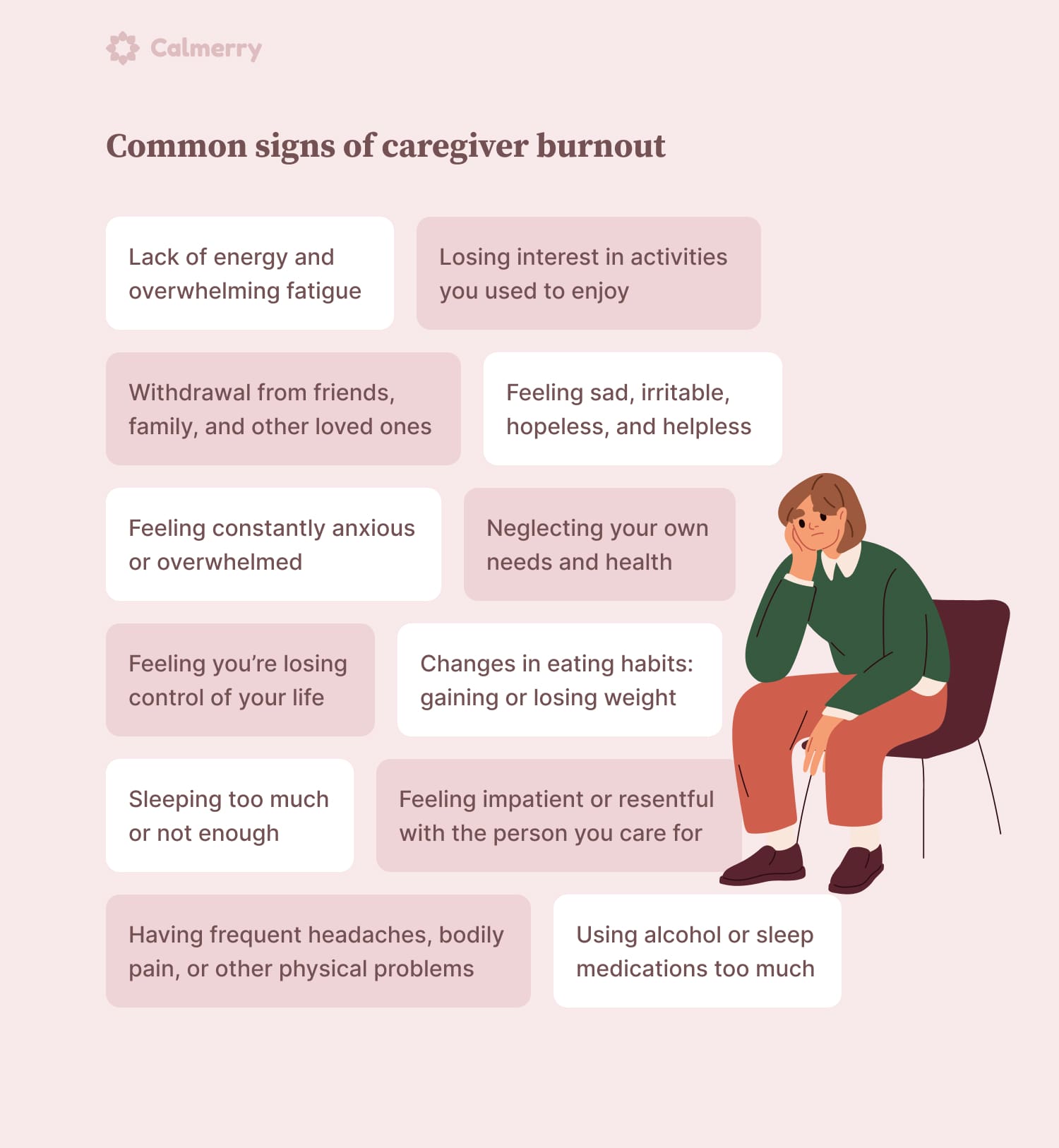
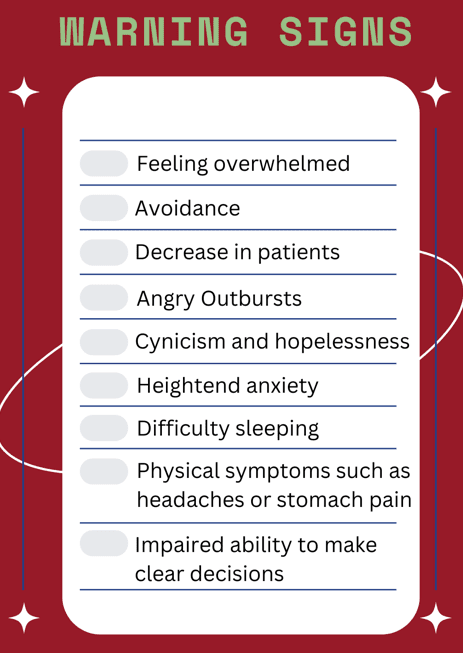
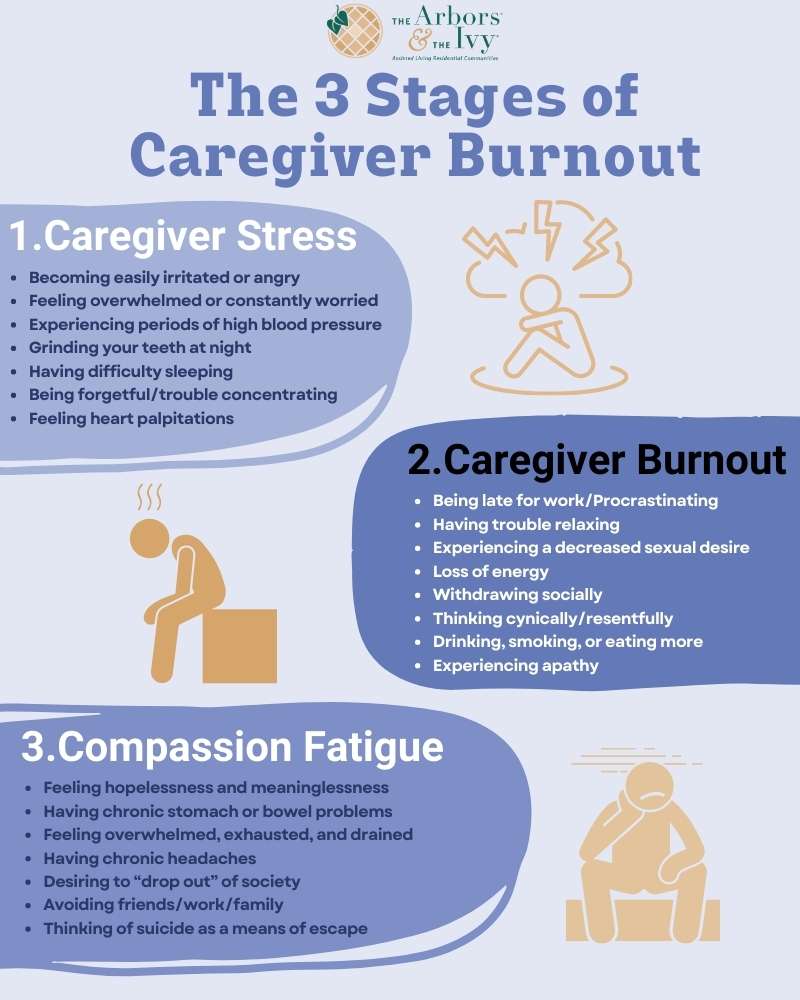
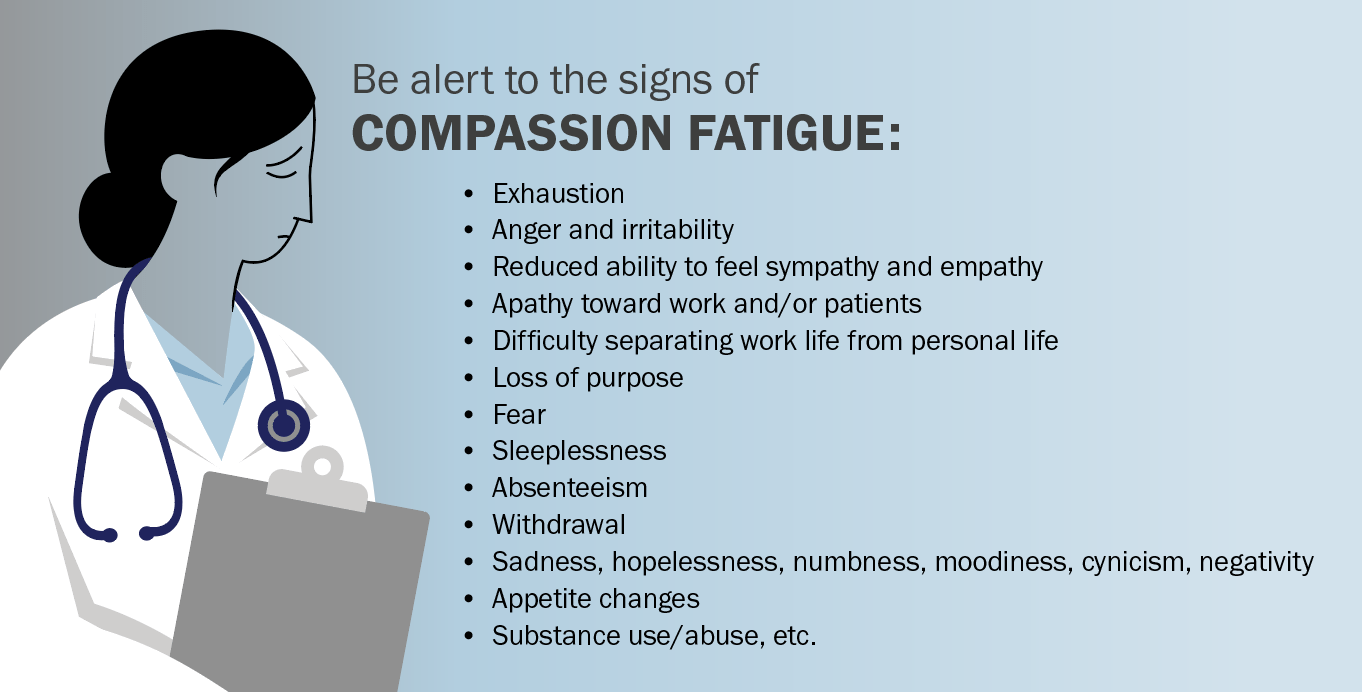
Recognizing the signs and symptoms of compassion fatigue is crucial in order to address and mitigate its impact. Some common emotional signs and symptoms of compassion fatigue include feelings of sadness, hopelessness, and irritability. Caregivers may also experience a decreased ability to empathize with others and a sense of emotional numbness or detachment. Physically, caregivers with compassion fatigue may report symptoms such as chronic fatigue, headaches, and gastrointestinal issues. Behavioral signs can include social withdrawal, decreased productivity, and increased use of substances. Additionally, cognitive signs such as difficulty concentrating, memory problems, and a negative worldview may also be present.
Recognizing the Signs of Compassion Fatigue
Emotional signs and symptoms
Emotional signs and symptoms of compassion fatigue can manifest in various ways. Caregivers may experience feelings of sadness, anger, or frustration that are disproportionate to the situation at hand. They may also feel emotionally exhausted and drained, finding it difficult to experience joy or pleasure in their personal and professional lives. Caregivers may become more irritable and have a decreased capacity for empathy towards others. They may also experience a sense of emotional numbness or detachment, feeling disconnected from their own emotions and the emotions of those they care for.
Physical signs and symptoms
Compassion fatigue can take a toll on the physical well-being of caregivers. They may experience chronic fatigue, feeling tired and lacking energy even after adequate rest. Physical symptoms such as headaches, muscle tension, and difficulty sleeping can also occur. Caregivers may notice changes in their appetite, experiencing either a decrease or increase in their desire to eat. Gastrointestinal issues, such as stomachaches or changes in bowel habits, can also be present. These physical signs and symptoms can significantly impact the caregiver’s overall health and well-being.
Behavioral signs and symptoms
The behavioral signs and symptoms of compassion fatigue can manifest in various ways. Caregivers may withdraw from social interactions, isolating themselves from friends, family, and colleagues. They may become more irritable and have difficulty managing stress. Caregivers may also engage in impulsive or risky behaviors as a means of coping with their emotional distress. Additionally, they may experience a decline in their productivity and the quality of care they provide, resulting in increased mistakes or errors.
Cognitive signs and symptoms
Compassion fatigue can also affect a caregiver’s cognitive functioning. They may experience difficulty concentrating or making decisions. Memory problems and forgetfulness may also be present. Caregivers may develop a negative worldview, seeing the world and the people they care for in a pessimistic light. They may have intrusive thoughts or memories related to their work experiences, contributing to increased distress and anxiety. These cognitive signs and symptoms can impact the caregiver’s ability to effectively perform their duties and have a negative impact on their overall well-being.
Factors Contributing to Compassion Fatigue
High workload and long hours
One of the major factors contributing to compassion fatigue is the high workload and long hours that caregivers often face. Caregiving professions require individuals to provide care and support to others continuously, often leaving little time for self-care and rejuvenation. The demanding nature of the work, which can involve physically and emotionally challenging tasks, can lead to feelings of exhaustion and burnout.
Emotional intensity of caregiving
The emotional intensity of caregiving is another significant factor that can contribute to compassion fatigue. Caregivers are often exposed to people who are suffering, experiencing trauma, or in distress. This constant exposure to the pain and suffering of others can be emotionally draining and overwhelming. Witnessing traumatic events and dealing with high levels of stress on a daily basis can take a toll on the caregiver’s emotional well-being and resilience.
Lack of support and social isolation
A lack of support and social isolation can also increase the risk of developing compassion fatigue. Caregivers who do not have access to a supportive network of colleagues, friends, or family members may feel overwhelmed and unsupported in their caregiving roles. The lack of opportunities to share their experiences and receive emotional support can further contribute to feelings of exhaustion and burnout.
Personal history of trauma or loss
Individuals with a personal history of trauma or loss may be more vulnerable to compassion fatigue. Past experiences of trauma or grief can make caregivers more susceptible to vicarious traumatization, where they experience emotional distress as a result of their exposure to the suffering of others. Caregivers with a personal history of trauma or loss may find it more challenging to cope with the demands and emotional intensity of their caregiving roles, increasing their risk of developing compassion fatigue.
The Importance of Self-Care for Caregivers
Understanding the significance of self-care
Self-care is crucial for caregivers to maintain their physical, emotional, and mental well-being. It involves actively taking steps to prioritize one’s own needs and engage in activities that promote relaxation, rejuvenation, and self-reflection. Self-care is not synonymous with selfishness or neglecting one’s caregiving responsibilities. Instead, it is a vital component of maintaining a healthy balance between caregiving and personal well-being.
Benefits of self-care for caregivers
Engaging in self-care practices can have numerous benefits for caregivers. It can help alleviate stress, reduce the risk of burnout, and prevent compassion fatigue. Self-care activities can provide caregivers with a much-needed break from their caregiving responsibilities, allowing them to recharge and replenish their energy. Self-care can also enhance resilience, improve mood, and promote a sense of overall well-being. By taking care of themselves, caregivers are better equipped to provide quality care to others.
Challenges to practicing self-care
Practicing self-care as a caregiver can be challenging due to the demanding nature of the profession and the limited time and resources available. Caregivers may feel guilty or selfish for taking time for themselves when there are others who depend on them. They may also face barriers such as lack of access to resources or support, financial constraints, and time constraints. Overcoming these challenges and prioritizing self-care requires a shift in mindset and a recognition of its importance in maintaining caregiver well-being.
Developing a self-care plan
Developing a personalized self-care plan can help caregivers incorporate self-care practices into their daily lives. It involves identifying activities and strategies that promote relaxation, rejuvenation, and self-reflection. Caregivers can start by assessing their current self-care practices and identifying areas where improvements can be made. They can then set realistic goals and establish a routine that allows for regular self-care activities. It is important for caregivers to be flexible and adaptable in their self-care plan, adjusting it as needed to meet their changing needs and circumstances.
Self-Care Strategies for Caregivers
Physical well-being
Taking care of physical well-being is an essential aspect of self-care for caregivers. Engaging in regular exercise, maintaining a healthy diet, and getting enough sleep can help sustain energy levels and promote overall health. Caregivers can prioritize their own physical health by setting aside time for physical activity, making nutritious meal choices, and ensuring they get adequate rest. Engaging in relaxation techniques such as deep breathing exercises and mindfulness can also help reduce stress and promote physical relaxation.
Emotional well-being
Caring for emotional well-being is crucial for caregivers to effectively manage compassion fatigue. This can involve practicing self-compassion and self-acceptance, acknowledging and validating one’s own emotions, and seeking out emotional support from trusted individuals. Journaling, engaging in creative outlets such as art or music, and participating in activities that bring joy and pleasure can also contribute to emotional well-being. Taking breaks, engaging in hobbies, and finding time for activities unrelated to caregiving can provide much-needed emotional rejuvenation.
Social support
Building and maintaining a support network is vital for caregivers to combat compassion fatigue. Connecting with others who share similar experiences and challenges can provide validation, empathy, and understanding. Caregivers can seek out support groups, both online and in-person, to connect with others who can relate to their experiences. Additionally, nurturing and maintaining relationships with friends, family, and colleagues can provide a sense of connection, support, and socialization.
Setting boundaries
Setting boundaries is an important self-care strategy for caregivers. It involves recognizing one’s limitations and establishing clear expectations and boundaries in their caregiving roles. Caregivers can communicate their needs and limitations to their supervisors, colleagues, and loved ones, ensuring that their own well-being and self-care are prioritized. Setting boundaries can also involve learning to say no and delegating tasks when appropriate, preventing caregivers from becoming overwhelmed and overburdened.
Seeking Professional Help and Support
The role of therapy in addressing compassion fatigue
Seeking professional help through therapy or counseling can be beneficial in addressing compassion fatigue. Therapists can provide a safe and supportive space for caregivers to process their experiences, explore their emotions, and develop effective coping strategies. Therapy can help caregivers gain insight into the underlying causes of their compassion fatigue and provide them with tools and techniques to manage their distress. Additionally, therapists can provide validation, empathy, and support, which can be vital in the healing process.
Finding a therapist or counselor
Finding a therapist or counselor who specializes in compassion fatigue or trauma can be a valuable resource for caregivers. Caregivers can start by reaching out to their healthcare providers, employee assistance programs (EAPs), or professional organizations for recommendations. Online directories and resources can also be helpful in locating therapists with expertise in compassion fatigue or caregiving-related issues. It is important for caregivers to find a therapist or counselor with whom they feel comfortable and supported.
Support groups for caregivers
Joining a support group specifically tailored to caregivers can offer a sense of understanding, validation, and support. Support groups provide a safe and confidential space for caregivers to share their experiences, discuss challenges, and learn from others who are going through similar situations. Caregivers can access support groups through local community organizations, healthcare facilities, or online platforms. Being part of a support group can not only provide emotional support but also foster a sense of belonging and connection.
Utilizing employee assistance programs
Many workplaces offer employee assistance programs (EAPs) to support the well-being of their employees. EAPs often provide counseling services, resources, and referrals to therapists or other professionals. Caregivers can explore the EAP offered by their organization to access support related to compassion fatigue and self-care. EAPs can be a valuable resource for caregivers who may have limited financial resources or are unable to access therapy through other means.

Building Resilience and Preventing Compassion Fatigue
Enhancing self-awareness and self-reflection
Building resilience and preventing compassion fatigue starts with enhancing self-awareness and self-reflection. Caregivers can engage in practices such as journaling, mindfulness, or meditation to develop a deeper understanding of their own needs, emotions, and triggers. Regular self-reflection can help caregivers identify patterns and early warning signs of compassion fatigue, allowing them to take proactive steps to address it. Self-awareness also enables caregivers to make informed choices regarding their self-care and well-being.
Building a support network
Building a support network of colleagues, friends, and family members is essential in maintaining resilience and preventing compassion fatigue. Having individuals who can provide emotional support, understanding, and empathy can greatly contribute to caregiver well-being. Caregivers can actively seek out opportunities for connection and support, fostering relationships that provide a sense of validation and belonging. Regularly connecting with others who share similar experiences can create a supportive community that mitigates the risk of compassion fatigue.
Practicing mindfulness and relaxation techniques
Practicing mindfulness and relaxation techniques can help caregivers manage stress, reduce anxiety, and prevent compassion fatigue. Mindfulness involves paying attention to the present moment without judgment, allowing caregivers to cultivate a sense of calm and awareness. Caregivers can incorporate mindfulness into their daily routine by engaging in activities such as meditation, deep breathing exercises, or progressive muscle relaxation. These techniques can help caregivers stay grounded and focused, promoting their overall well-being and resilience.
Maintaining a healthy work-life balance
Maintaining a healthy work-life balance is crucial in preventing compassion fatigue. Caregivers need to establish clear boundaries between their work and personal lives, ensuring that they have time and energy for self-care and rejuvenation. This may involve setting limits on working hours, taking regular breaks, and delegating tasks when possible. Caregivers should also make time for activities and relationships outside of their caregiving roles, prioritizing their own needs and well-being.
Addressing Compassion Fatigue at Organizational Level
Creating a supportive work environment
Organizations can play a significant role in addressing compassion fatigue by creating a supportive work environment. This involves fostering a culture of empathy, understanding, and respect towards caregivers. Managers and supervisors can be trained in recognizing compassion fatigue and providing appropriate support and resources. Organizations can also promote work-life balance by implementing flexible work schedules, providing adequate staffing and resources, and promoting open communication and feedback.
Education and training for caregivers
Providing education and training programs for caregivers can help them recognize and manage compassion fatigue. These programs can include information on the signs and symptoms of compassion fatigue, self-care strategies, and resources for support. Training sessions can also be provided to help caregivers develop resilience, strengthen self-awareness, and learn stress management techniques. By equipping caregivers with the knowledge and tools to prevent and address compassion fatigue, organizations can support their well-being and enhance the quality of care they provide.
Implementing self-care policies
Organizations can implement self-care policies that prioritize the well-being of the caregivers. These policies can include guidelines for breaks and time off, mandatory self-care activities, and access to support services such as counseling or therapy. By formalizing self-care as a priority and providing resources and support, organizations communicate the value they place on the well-being of their caregivers. Implementing self-care policies can also help create a culture that encourages caregivers to prioritize their own needs and engage in self-care practices.
Encouraging open communication
Encouraging open communication within the organization is crucial in addressing compassion fatigue. Caregivers need to feel comfortable discussing their experiences, challenges, and concerns with their supervisors, colleagues, and support staff. Organizations can create spaces for regular check-ins, debriefing sessions, and team meetings where caregivers can share their experiences, provide peer support, and receive validation. Providing opportunities for open communication ensures that caregivers feel heard, valued, and supported, reducing the risk of compassion fatigue.
Promoting Self-Care Culture in Caregiving Professions
Raising awareness about compassion fatigue
Raising awareness about compassion fatigue is essential in promoting a self-care culture in caregiving professions. Organizations, professional associations, and educational institutions can provide training, workshops, and conferences specifically focused on compassion fatigue. Public campaigns can also be launched to educate the general public on the impact of compassion fatigue on caregivers. By increasing awareness and understanding of compassion fatigue, the stigma associated with seeking help and practicing self-care can be reduced.
Encouraging self-care practices
Promoting self-care practices within caregiving professions is crucial in cultivating a self-care culture. Organizations can provide resources, such as self-care toolkits and guidelines, that highlight the importance of self-care and offer practical strategies for caregivers to implement. Managers and supervisors can model self-care behaviors and actively encourage caregivers to prioritize their own well-being. Recognizing and celebrating caregivers who engage in self-care practices can further reinforce the importance of self-care within the profession.
Recognizing and addressing burnout
Addressing burnout is an integral part of promoting self-care and combating compassion fatigue. Organizations and employers need to recognize the signs and symptoms of burnout and take proactive steps to address it. This may involve offering additional support and resources, adjusting workloads and responsibilities, or providing opportunities for professional development and growth. By effectively addressing burnout, organizations can create an environment that supports caregiver well-being and reduces the risk of compassion fatigue.
Supporting professional growth and development
Supporting the professional growth and development of caregivers is vital in promoting a self-care culture. This can include providing opportunities for continued education, training, and professional development. Organizations can offer mentoring programs, career advancement prospects, and incentives for ongoing learning and skill development. Supporting professional growth helps caregivers feel valued, motivated, and empowered, which can contribute to their overall well-being and resilience.
Conclusion
Recognizing and addressing compassion fatigue is crucial for caregivers in order to maintain their well-being and continue providing quality care to others. By understanding the signs and symptoms of compassion fatigue, caregivers can take proactive steps to prevent and mitigate its impact. Engaging in self-care strategies, seeking professional help and support, and building resilience can all contribute to caregiver well-being. At an organizational level, creating a supportive work environment, implementing self-care policies, and promoting a self-care culture can support caregivers in their efforts to prevent and address compassion fatigue. Ultimately, by prioritizing self-care and implementing strategies to combat compassion fatigue, caregivers can continue to make a positive difference in the lives of those they care for.