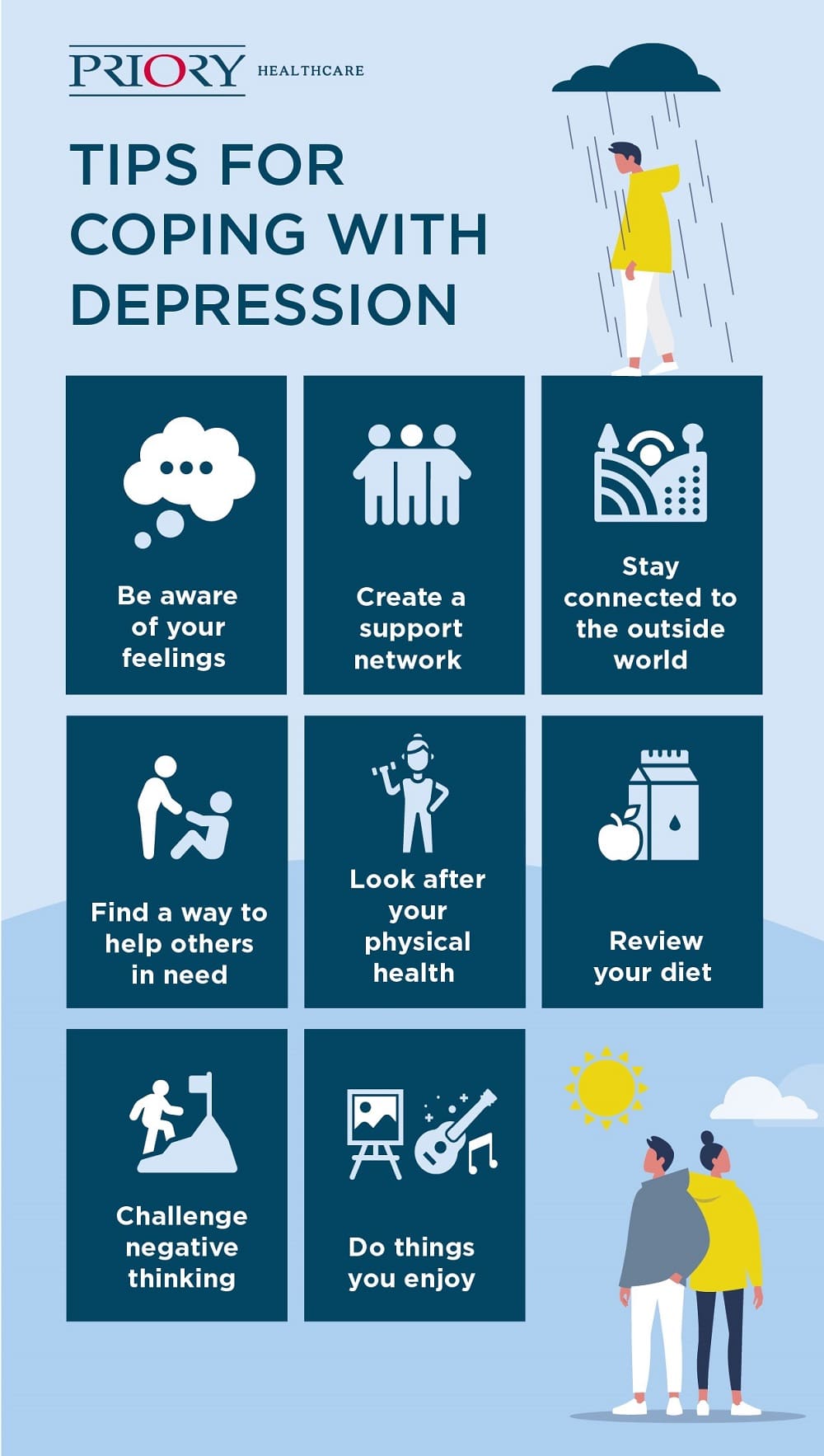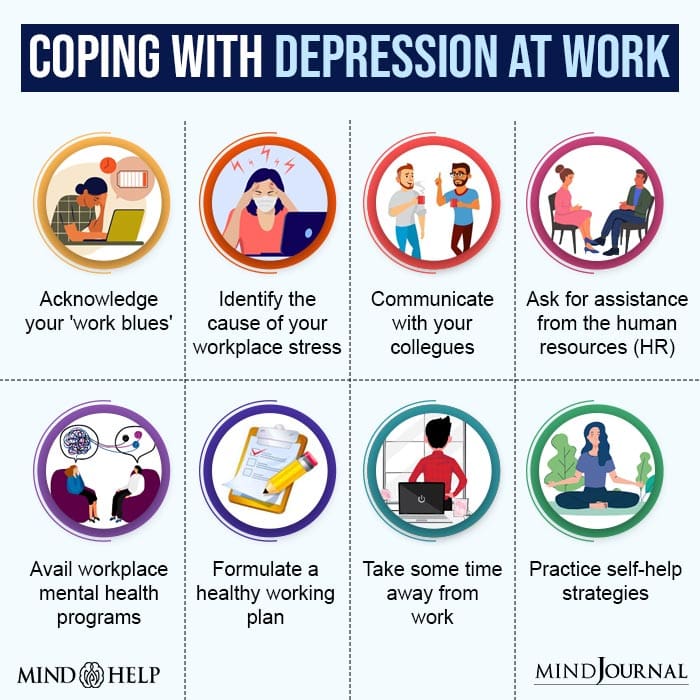
Welcome to an article on self-help strategies for managing depression. In this piece, you will find valuable tips on how to take control of your mental health and improve your overall well-being. From practicing self-care and mindfulness techniques to seeking support from loved ones, these strategies are aimed at helping you navigate through the challenges of depression and find inner peace. So let’s explore these tips together and start on the path towards a brighter, more fulfilling life. Have you ever felt overwhelmed by feelings of sadness, hopelessness, and fatigue? If so, you may be struggling with depression. It’s important to remember that you are not alone in this battle. In fact, millions of people around the world are dealing with similar challenges every day. While professional help is crucial in managing depression, there are also many self-help strategies that you can incorporate into your daily routine to improve your mental health and well-being. In this article, we will explore some of the most effective self-help strategies for managing depression.
Understanding Depression
Before we delve into self-help strategies for managing depression, it’s important to have a basic understanding of this mental health condition. Depression is more than just feeling sad or blue occasionally. It is a serious medical illness that affects how you think, feel, and handle daily activities. Depression can lead to a variety of emotional and physical problems, making it difficult to function in everyday life. Understanding the underlying causes and symptoms of depression is the first step towards managing this condition effectively.
What Causes Depression?
Depression can be triggered by a combination of genetic, biological, environmental, and psychological factors. Some common causes of depression include:
- Genetic Factors: People with a family history of depression or other mental health disorders are more likely to develop depression themselves.
- Biological Factors: Imbalances in certain neurotransmitters, such as serotonin and dopamine, can contribute to the development of depression.
- Environmental Factors: Stressful life events, trauma, abuse, or loss can increase the risk of depression.
- Psychological Factors: Negative thought patterns, low self-esteem, and other cognitive distortions can perpetuate feelings of sadness and hopelessness.
Understanding the root causes of your depression can help you identify effective strategies for managing your symptoms.
What Are the Symptoms of Depression?
Depression can manifest differently in each individual, but some common symptoms include:
- Persistent feelings of sadness, emptiness, or hopelessness
- Loss of interest in hobbies or activities once enjoyed
- Changes in appetite or weight
- Insomnia or hypersomnia
- Fatigue or lack of energy
- Difficulty concentrating or making decisions
- Feelings of worthlessness or guilt
- Thoughts of death or suicide
If you are experiencing any of these symptoms, it’s important to seek help from a mental health professional. However, there are also several self-help strategies you can implement to alleviate these symptoms and improve your overall well-being.

Self-Help Strategies for Managing Depression
While professional treatment is essential for managing depression, self-help strategies can also play a significant role in improving your mental health. These strategies can help you cope with symptoms, reduce stress, and enhance your mood. Here are some effective self-help strategies for managing depression:
Establish a Routine
One of the most challenging aspects of depression is the disruption it causes to your daily routine. Establishing a regular schedule can provide structure and stability, making it easier to manage your symptoms. Try to:
- Wake up and go to bed at the same time every day
- Schedule regular meals and snacks
- Incorporate daily exercise or physical activity
- Engage in activities you enjoy, even when you don’t feel like it
By creating a routine, you can regain a sense of control over your life and improve your overall mood.
Practice Mindfulness and Meditation
Mindfulness and meditation are powerful tools for managing depression. These practices can help you cultivate self-awareness, reduce negative thought patterns, and increase feelings of calm and relaxation. Consider:
- Practicing deep breathing exercises
- Engaging in guided meditation sessions
- Paying attention to your thoughts and emotions without judgment
- Focusing on the present moment and letting go of worries about the future
Mindfulness and meditation can help you develop a greater sense of peace and acceptance, even in the face of challenging circumstances.
Engage in Physical Activity
Exercise is a natural mood enhancer and can be incredibly beneficial for managing depression. Physical activity releases endorphins, the body’s natural feel-good chemicals, which can help reduce symptoms of depression. Try to:
- Incorporate at least 30 minutes of moderate exercise into your daily routine
- Choose activities you enjoy, such as walking, running, yoga, or dancing
- Exercise outdoors to benefit from sunlight and fresh air
- Set realistic goals and track your progress to stay motivated
Regular physical activity can improve your mood, increase your energy levels, and enhance your overall well-being.
Eat a Balanced Diet
Nutrition plays a significant role in mental health, and certain foods can either exacerbate or alleviate symptoms of depression. Eating a balanced diet rich in fruits, vegetables, whole grains, and lean proteins can provide essential nutrients for brain health and mood regulation. Consider:
- Limiting processed foods, sugary snacks, and caffeine
- Increasing your intake of omega-3 fatty acids found in fish, nuts, and seeds
- Drinking plenty of water throughout the day
- Maintaining regular mealtimes and avoiding skipping meals
A healthy diet can support your emotional well-being and reduce the risk of depression.
Get Sufficient Sleep
Sleep disturbances are common among individuals with depression and can exacerbate symptoms of the condition. Prioritizing good sleep hygiene can help improve the quality of your sleep and overall mental health. Try to:
- Establish a relaxing bedtime routine, such as reading or taking a warm bath
- Create a comfortable sleep environment that is cool, dark, and quiet
- Avoid electronic devices and screens before bedtime
- Aim for 7-9 hours of quality sleep each night
Quality sleep can improve your mood, cognitive function, and ability to cope with stress.
Build a Support System
Social support is essential for managing depression and can provide a sense of connection, understanding, and validation. Building a support system of friends, family members, or mental health professionals can help you cope with symptoms and navigate challenging emotions. Consider:
- Sharing your thoughts and feelings with trusted individuals
- Participating in support groups or online forums for individuals with depression
- Seeking professional help from a therapist, counselor, or psychiatrist
- Setting boundaries with toxic or unsupportive relationships
A strong support system can help you feel less isolated, more understood, and better equipped to manage your depression.
Practice Self-Compassion
Self-compassion involves treating yourself with kindness, understanding, and acceptance, especially during difficult times. Cultivating self-compassion can help you challenge negative self-talk, reduce feelings of shame and self-judgment, and increase feelings of self-worth and resilience. Try to:
- Practice self-care activities that nurture your mind, body, and spirit
- Challenge negative beliefs about yourself with affirmations and positive self-talk
- Forgive yourself for past mistakes and let go of perfectionistic tendencies
- Celebrate your accomplishments, no matter how small
By practicing self-compassion, you can cultivate a more compassionate and loving relationship with yourself, even in the midst of depression.
Challenge Negative Thought Patterns
Negative thought patterns, such as black-and-white thinking, catastrophizing, and overgeneralization, can exacerbate symptoms of depression and perpetuate feelings of sadness and hopelessness. Learning to challenge and reframe these thoughts can help you develop a more balanced and realistic perspective. Consider:
- Keeping a thought journal to track negative thoughts and identify patterns
- Examining evidence for and against negative beliefs
- Generating alternatives or more balanced interpretations of situations
- Seeking perspective from a trusted friend, family member, or mental health professional
Challenging negative thought patterns can help you break free from self-defeating beliefs and regain a sense of optimism and hope.
Set Realistic Goals
Setting realistic and achievable goals is an essential part of managing depression and maintaining a sense of purpose and motivation. Establishing small, manageable goals can help you prioritize tasks, track progress, and build confidence over time. Try to:
- Break larger goals into smaller, more manageable steps
- Create a daily or weekly to-do list to stay organized and focused
- Reward yourself for accomplishing goals, no matter how small
- Adjust goals as needed based on your energy levels and current circumstances
Setting realistic goals can help you stay motivated, focused, and proactive in managing your depression.

Conclusion
Managing depression is a journey that requires patience, commitment, and self-awareness. While professional treatment is crucial, self-help strategies can play a significant role in improving your mental health and well-being. By incorporating these self-help strategies into your daily routine, you can cope with symptoms, reduce stress, and enhance your overall mood. Remember that managing depression is a process, and it’s essential to be patient and kind to yourself along the way. You are not alone in this battle, and with the right support and resources, you can overcome the challenges of depression and lead a fulfilling and meaningful life.